
Understanding the Importance of Quality Real Estate Photography
In today’s competitive real estate market, displaying properties with exceptional visuals is essential for attracting potential buyers and securing quicker sales. High-quality real estate photography captures the property’s unique features, enhances its aesthetic appeal, and creates a compelling first impression. When potential buyers browse online listings, their initial interaction is often visual; thus, professionally shot images can significantly influence their decision to explore further or make an inquiry.
Effective real estate photography emphasizes proper lighting, perspectives, and staging, which together convey the true essence of a property. Well-executed images can make spaces appear larger, brighter, and more inviting, fostering an emotional connection with prospective buyers. This visual appeal not only increases online visibility but also helps listings stand out amidst numerous competitors.
Beyond aesthetics, high-quality images are invaluable for marketing efforts such as social media promotion, website listings, and print advertisements. They serve as a virtual tour, providing viewers with a detailed look at the property’s layout and features before an in-person visit. This pre-qualification process saves time for both agents and buyers, streamlining the decision-making process and enhancing overall sales efficiency.
Investing in professional real estate photography also reflects positively on a property’s value, suggesting a level of care and professionalism that appeals to discerning buyers. A visually appealing listing can lead to higher offers and quicker closings, making professional photography an indispensable component of a successful real estate strategy.
Enhancing Visibility and Engagement
Quality images are proven to generate greater online engagement, encouraging viewers to spend more time exploring the listing. This increased interaction boosts search engine rankings and listing prominence on various real estate platforms. As a result, properties gain wider exposure, reaching a larger pool of prospective buyers.
Furthermore, standout photographs are often shared on social media channels, amplifying reach through shares and recommendations. In an era where digital impressions are vital, professional photography is a key factor in maximizing marketing efforts and ultimately achieving faster sales at favorable prices.
Evaluating a Photographer’s Portfolio and Style
When searching for the best real estate photographers near you, a thorough review of their portfolio is essential. A comprehensive portfolio showcases a photographer’s range, technical skills, and consistency across different types of properties. Pay close attention to the lighting, framing, and overall composition of each image. High-quality photographs should highlight the property’s best features without distorting space or perspective.
Furthermore, a photographer’s style can influence the overall look of your property listing. Some photographers specialize in bright, airy imagery that evokes a welcoming atmosphere, while others might focus on more dramatic, contrast-rich photos to accentuate certain features. It’s crucial to align the photographer’s aesthetic with your property type and target market. For instance, modern luxury homes often benefit from sleek, high-resolution images with a sophisticated style, whereas cozy, family-oriented homes may look better with warm, inviting visuals.
Requesting samples of previous work tailored to real estate projects can help you determine whether their style complements your property. Professional photographers often categorize their portfolios by property type, providing insight into their ability to adapt their techniques to match different environments and client needs.
Understanding Pricing and Service Packages
Pricing structures among real estate photographers vary considerably based on multiple factors, including the size of the property, the number of photos required, the level of editing, and additional services such as drone footage or virtual staging. Some professionals offer all-inclusive packages, providing a set number of images at a fixed rate, while others may charge hourly or per project. Clarifying what is included in each package ensures there are no surprises when it comes to costs.
While it might be tempting to select the most affordable option, it’s vital to consider the value offered. Higher-quality images, exemplary editing, and prompt delivery often come with a higher price but deliver a greater return on investment through faster sales and higher listing engagement. Request transparent quotes and compare the services offered across different providers to find the most comprehensive package within your budget.
Many photographers also offer add-on services, such as twilight shoots, 3D tours, or aerial photography, which can enhance your listing’s appeal. Understanding these options and their costs allows you to customize your marketing strategy to maximize property visibility and attract serious buyers.
Understanding the Role of Local Reputations and Reviews
When selecting a real estate photographer, especially when searching for the best options near your location, the importance of local reputation cannot be overstated. Positive reviews and testimonials from previous clients often reflect consistent quality and professionalism. Local reputations tend to accumulate based on real experiences, providing insight into the photographer’s reliability, punctuality, and ability to deliver high-quality images tailored to real estate marketing.
Checking online review platforms, social media feedback, and testimonials on official websites—such as miamiproductionexperts.com—helps build a clearer picture of a photographer’s standing within the community. Look for patterns in reviews concerning responsiveness, technical skill, and creative vision. A photographer with a strong local reputation is likely deeply familiar with regional market preferences and can suggest aesthetic styles and techniques that resonate well with prospective buyers in your area.
Engaging with community groups or real estate forums can also reveal recommendations and word-of-mouth endorsements. These informal endorsements often carry significant weight because they stem from firsthand experiences and trusted relationships within the local real estate ecosystem.
Additionally, establishing direct contact with previous clients or real estate agents who have worked with certain photographers allows you to gain insights into their workflow and results. Such direct feedback can help you gauge whether the photographer’s style aligns with your property’s marketing goals and whether their service levels meet your expectations.
By combining online reviews, community insights, and personal references, you can identify photographers who not only have the technical skills but also understand the nuances of your local market—critically important factors when aiming to showcase your property in its best light.
Evaluating a Photographer’s Portfolio and Style
When selecting a real estate photographer, thoroughly reviewing their portfolio is essential. A comprehensive portfolio provides insight into their technical proficiency, artistic sensibility, and consistency. Examine a variety of property types to assess versatility and the ability to adapt styles to different spaces. Pay attention to lighting, composition, and attention to detail, as these elements significantly influence the quality of images.
It’s important to consider how the photographer captures different angles to maximize the space’s appeal. Look for images that highlight key features such as natural lighting, architectural details, and the overall ambiance of the property. A portfolio that demonstrates a balance of wide-angle shots, close-ups, and interior/exterior views indicates a well-rounded approach.
Beyond technical quality, assess whether the visual style aligns with the aesthetic you wish to project. Some photographers excel at bright, airy images that evoke a welcoming atmosphere, while others may focus on moody, dramatic visuals to highlight certain features. Matching their style with your property’s unique selling points ensures the photographs will resonate with potential buyers.
Carefully scrutinize the consistency across their body of work. Consistency reflects reliability and an established workflow, critical for ensuring timely delivery and maintaining quality throughout the project.

How to Find the Best Real Estate Photographers Near Your Location
Locating top-tier real estate photographers in your vicinity requires a strategic approach that emphasizes professionalism, skill, and local expertise. Start by conducting comprehensive online searches using relevant keywords such as "best real estate photographers near me" on search engines and local directories. These platforms often feature reviews, ratings, and portfolios that provide initial insights into the photographers’ reputation and quality of work. Visiting official websites, like miamiproductionexperts.com, can offer detailed service descriptions, sample images, and contact information.
 p>
p>Leverage social media platforms, particularly Instagram and Facebook, where many real estate photographers showcase their latest projects. These platforms enable potential clients to assess a photographer’s style and consistency with recent work, allowing for a more informed decision. Engaging with local real estate groups or forums can also yield personal recommendations from agents and property owners who have previously collaborated with photographers in the area.
Attending local real estate events or open houses can provide an opportunity to meet professional photographers in person. Building direct relationships allows you to gauge their professionalism, punctuality, and enthusiasm while discussing your property’s specific needs.
Additionally, consider verifying whether the photographer possesses industry certifications or memberships in professional associations. This often indicates a commitment to maintaining high standards and staying current with the latest technological advancements. Checking online reviews on platforms like Google Business, Yelp, or Angie's List can further validate their reputation and client satisfaction.
It’s also wise to seek out portfolios that showcase a range of property types and styles, demonstrating versatility and adaptability. Whether you're selling a modern condo or a historic estate, a skilled local photographer will know how to highlight each property's best features in a way that appeals to your target market.
Remember that proximity is vital for scheduling flexibility and quick turnaround times. Prioritize photographers who are situated within or near your geographic location to ensure efficient coordination and timely delivery of high-quality images.
 p>
p>By carefully researching and vetting local options through online resources, personal networks, and industry events, you can connect with reputable real estate photographers who understand your market and can capture your property’s unique selling points effectively.
Understanding the Importance of Quality Real Estate Photography
High-quality real estate photography plays a pivotal role in the success of property marketing strategies. When potential buyers browse online listings, the visual appeal of photographs significantly influences their decision to view a property in person. Crisp, well-lit images that accurately showcase a property’s features create a compelling first impression, making listings stand out in a competitive market.
Skilled real estate photographers utilize advanced techniques such as strategic lighting, proper framing, and image editing to highlight a property's best attributes. This not only enhances the property’s visual appeal but also conveys a sense of professionalism and attention to detail. Accurate representation through high-quality images can reduce time on the market by attracting serious buyers and generating more inquiries.
In the digital age, where most property searches begin online, the importance of visually engaging photography cannot be overstated. From capturing spacious interiors to detailed shots of unique architectural features, professional images foster trust and stimulate emotional connection, ultimately leading to quicker sales and potentially higher offers.
Factors to Consider When Choosing a Real Estate Photographer
Selecting the right professional involves evaluating several critical factors. Beyond technical skill, consider their experience with different property types, familiarity with the local market, and ability to deliver consistent results. Communication is equally vital; a photographer who understands your goals and preferences can tailor their approach accordingly.
Assess their equipment and editing capabilities, ensuring they are equipped with the latest technology, such as high-resolution cameras, drone photography tools, and professional editing software. This technical proficiency translates directly into higher quality images. Additionally, reviewing their previous work allows you to gauge their proficiency and see if their aesthetic aligns with your marketing vision.
How to Find the Best Real Estate Photographers Near Your Location
Finding top-tier local real estate photographers involves utilizing both online and offline resources. Internet searches for "best real estate photographers near me" can yield a list of professionals along with their portfolios and client reviews. Local real estate agencies and property developers often maintain connections with trusted photographers, making referrals an excellent source of vetted options.
Networking at industry events, open houses, or community meetings can also lead to personal recommendations. Moreover, visiting specialized websites, such as miamiproductionexperts.com, provides access to experienced professionals who focus specifically on real estate imaging within your geographic area. Prioritize those with demonstrated expertise in your property type and market to maximize your listing’s visual impact.
Evaluating a Photographer’s Portfolio and Style
A crucial step in the selection process is thoroughly reviewing a photographer's portfolio. Look for consistency in image quality, composition, and lighting. Pay attention to how they handle interior and exterior shots, as well as their ability to capture properties in different lighting conditions and at various times of day. This evaluation provides insight into their versatility and attention to detail.
Ensure their style aligns with your marketing approach—whether you prefer bright and airy images, moody tones, or a more traditional look. A photographer with a diverse portfolio that demonstrates adaptability across different property types and styles indicates a high level of professionalism. Remember, their visual storytelling should complement the property's unique characteristics, enticing potential buyers and appealing to your target demographic.
Understanding Pricing and Service Packages
Pricing structures vary among real estate photographers, often depending on factors such as property size, number of images, and additional features like drone photography or virtual tours. When assessing service packages, consider what’s included—such as editing, number of images delivered, and turnaround times. Transparent communication about costs upfront helps avoid unexpected expenses and ensures your needs are met within your budget.
Compare packages from multiple providers to identify the most comprehensive value, not just the lowest cost. High-quality images are an investment that yields long-term benefits, including faster sales and more appealing listings. Be cautious of vastly cheaper options that may compromise on quality, as this can negatively affect your property’s marketability. Prioritize a balance between cost, quality, and professionalism to secure the best results.
Understanding the Role of Local Reputations and Reviews
When selecting a real estate photographer, taking into account local reputations and reviews offers invaluable insight into their reliability and quality of work. A photographer’s standing within the community and the feedback from past clients can reveal consistent performance, professionalism, and customer satisfaction. Both online platforms and local networks serve as sources for authentic reviews that detail experiences regarding punctuality, communication, and the overall quality of the images delivered.

Look for photographers with a strong presence of positive testimonials, especially those related to residential and commercial properties similar to yours. Detailed reviews that mention specific strengths—such as their ability to capture the property’s best features, quick turnaround times, or professional demeanor—are particularly telling. Conversely, if a pattern of negative feedback emerges, such as missed appointments or subpar image quality, it’s wise to consider other candidates.
Utilizing Local Networks and Referrals
Besides online evaluations, leveraging local real estate agents, property managers, or industry peers can provide firsthand recommendations. These professionals understand the nuances of your market and can direct you toward photographers with a proven track record. Personal referrals often ensure a more tailored and reliable selection, as these sources have experienced the photographer’s work firsthand.
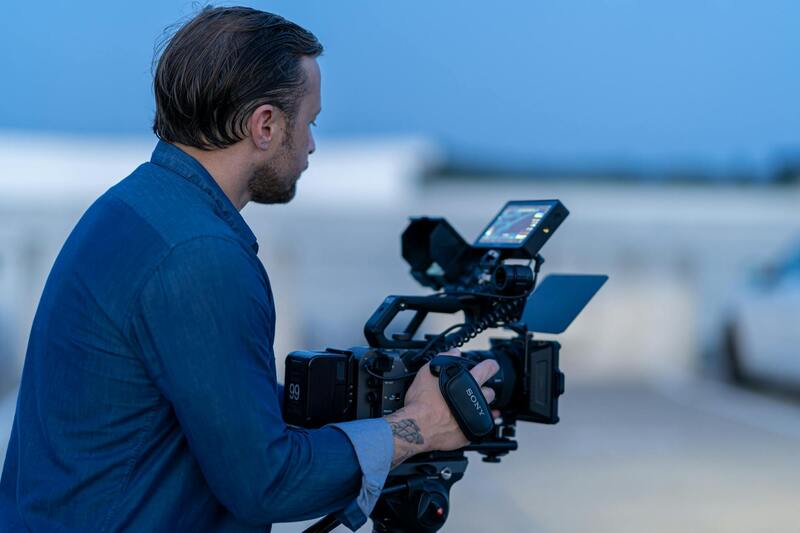
Verifying Experience through Portfolio and Client Feedback
Consistent quality across an array of properties is a rule of thumb for assessing a photographer’s reputation. Well-established photographers will showcase a diverse portfolio demonstrating their ability to adapt to various property styles and lighting conditions. Client feedback on social media or review sites often highlights the photographer’s attention to detail, responsiveness, and ability to highlight each property’s unique features effectively.
Final Considerations
When aiming to secure the best real estate photographer near you, combining an analysis of online reviews, local recommendations, and a thorough examination of their portfolio is essential. This multifaceted approach not only confirms their technical skills but also ensures they align with your marketing goals. Building a relationship with a reputable photographer rooted in a strong local reputation will significantly contribute to your property’s visual storytelling and market success.
Effective Communication and Collaboration with Your Real Estate Photographer
Establishing clear, open lines of communication with your chosen photographer is essential to achieving the desired visual outcome for your property. Begin by defining your goals and expectations at the outset, sharing specific details about the property’s features and any particular aspects you want to highlight. This proactive approach ensures the photographer understands your marketing objectives and can tailor their technique accordingly.

Preparing the Property for Photoshoots
Proper preparation significantly impacts the quality of the images. This includes decluttering living spaces, staging key areas to appeal to prospective buyers, and ensuring the property is clean and well-lit. It's advisable to schedule the shoot during optimal lighting conditions, usually in the late morning or early afternoon, to utilize natural light effectively. Inform your photographer of any unique architectural features or recent renovations that might add value to the shots.
Coordinating the Shoot Schedule
Scheduling the shoot at a time that minimizes disruption and maximizes natural light results in more appealing images. Communicate with your photographer about the best times for the shoot, considering weather conditions and the property’s lighting. Being flexible and accommodating can lead to optimal results, especially during busy market seasons where timing can make a considerable difference.
Providing Necessary Access and Information
Ensuring the photographer has unrestricted access to all areas of the property on the scheduled day is crucial. Prepare the property beforehand, allowing the photographer to work efficiently without logistical issues. Additionally, providing a brief overview of key selling points or architectural details helps the photographer emphasize these in the visuals. If there are specific angles or features you want to be captured, communicate these preferences early in the planning process.
Communicating Feedback and Adjustments
During and after the shoot, stay engaged with the photographer. Offering constructive feedback helps in refining the images to better match your expectations. If certain shots do not meet your standards, discussing these concerns immediately allows for adjustments or additional takes, ensuring the final photos are compelling and accurate representations of the property.
Leveraging Post-Production Collaboration
Post-processing is a vital stage where images are enhanced to improve brightness, contrast, and color balance. Collaborate with your photographer on editing preferences to ensure the visual style aligns with your branding and marketing strategy. Clear communication about the desired aesthetic helps in producing cohesive and attractive visuals that attract prospective buyers.
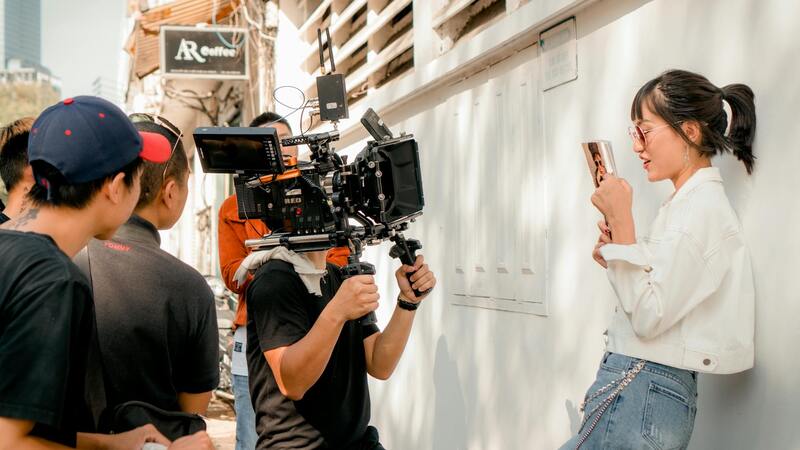
By establishing transparent dialogue and working collaboratively throughout the process, you maximize the potential of your real estate photography. The result will be striking images that not only showcase the property’s best features but also support your overall marketing efforts, increasing the likelihood of a swift and successful sale.