
Importance of Quality Realty Photography in Miami Markets
In the competitive landscape of Miami’s real estate industry, the significance of high-quality realty photography cannot be overstated. Professional images serve as the digital first impression for potential buyers, highlighting the property's features with clarity and appeal. When listings are accompanied by well-crafted photographs, they tend to attract more attention online, resulting in increased inquiries and faster sales cycles.
Miami's diverse and dynamic property market demands visuals that accurately represent the property's unique qualities. High-resolution images showcase intricate design details, spacious layouts, and appealing exterior views, enabling prospective buyers to envision themselves living in those spaces more convincingly. As a result, homes with superior photography often sell at higher prices and spend less time on the market.
Furthermore, with the rise of virtual tours and online listings, exceptional realty photography becomes an essential component of a comprehensive marketing strategy. It helps stand out amidst numerous competing listings and enhances the overall credibility of the seller’s presentation. In a city where property presentation directly influences market success, investing in quality imagery is a strategic move that yields tangible benefits—faster sales, better pricing, and increased confidence from buyers.
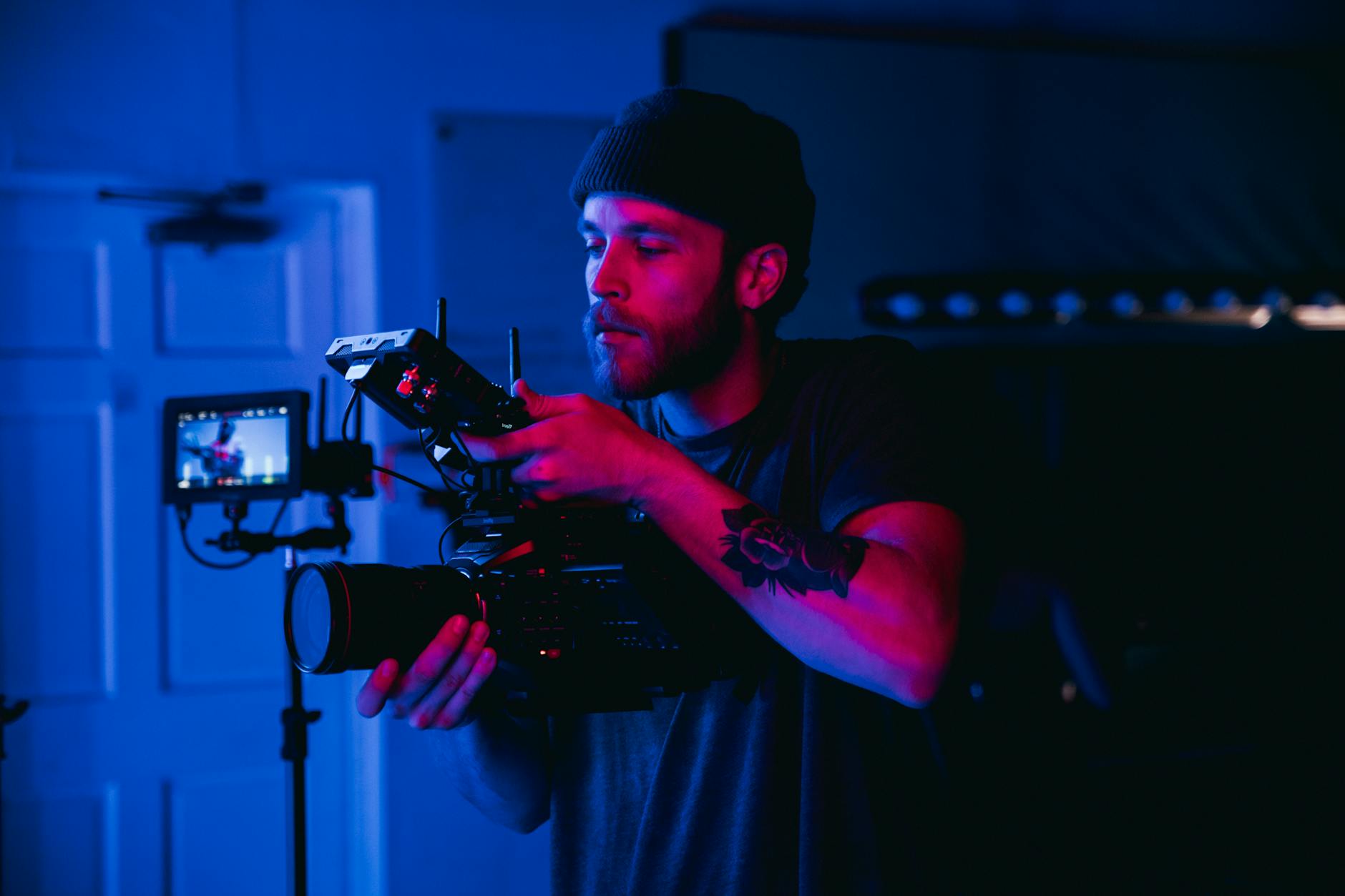
By leveraging advanced photography techniques and professional skills, sellers can significantly elevate their property’s appeal. This not only accelerates the selling process but also ensures the property’s features are communicated effectively to a global audience. In essence, quality realty photography serves as a powerful marketing tool that influences buyer perception, builds trust, and ultimately leads to successful transactions in Miami’s vibrant market.
Choosing the Right Photography Equipment and Techniques
Selecting the appropriate tools and methods is critical for capturing high-quality realty images that accurately portray the property’s features in Miami’s competitive market. Professional-grade cameras with full-frame sensors are preferred because of their ability to produce sharp, detailed images with excellent color accuracy, even in challenging lighting conditions. These cameras facilitate wide-angle shots, essential for showcasing spacious interiors and exterior facades without distortion, giving potential buyers a true sense of space.
Proper lens selection is fundamental; wide-angle lenses, typically between 14mm to 24mm, are standard for interior shots. They help to maximize the perceived space, emphasizing room sizes and architectural details. Additionally, utilizing tilt-shift lenses can correct perspective distortions often encountered in architectural photography, ensuring straight lines and accurate representations of building structures.
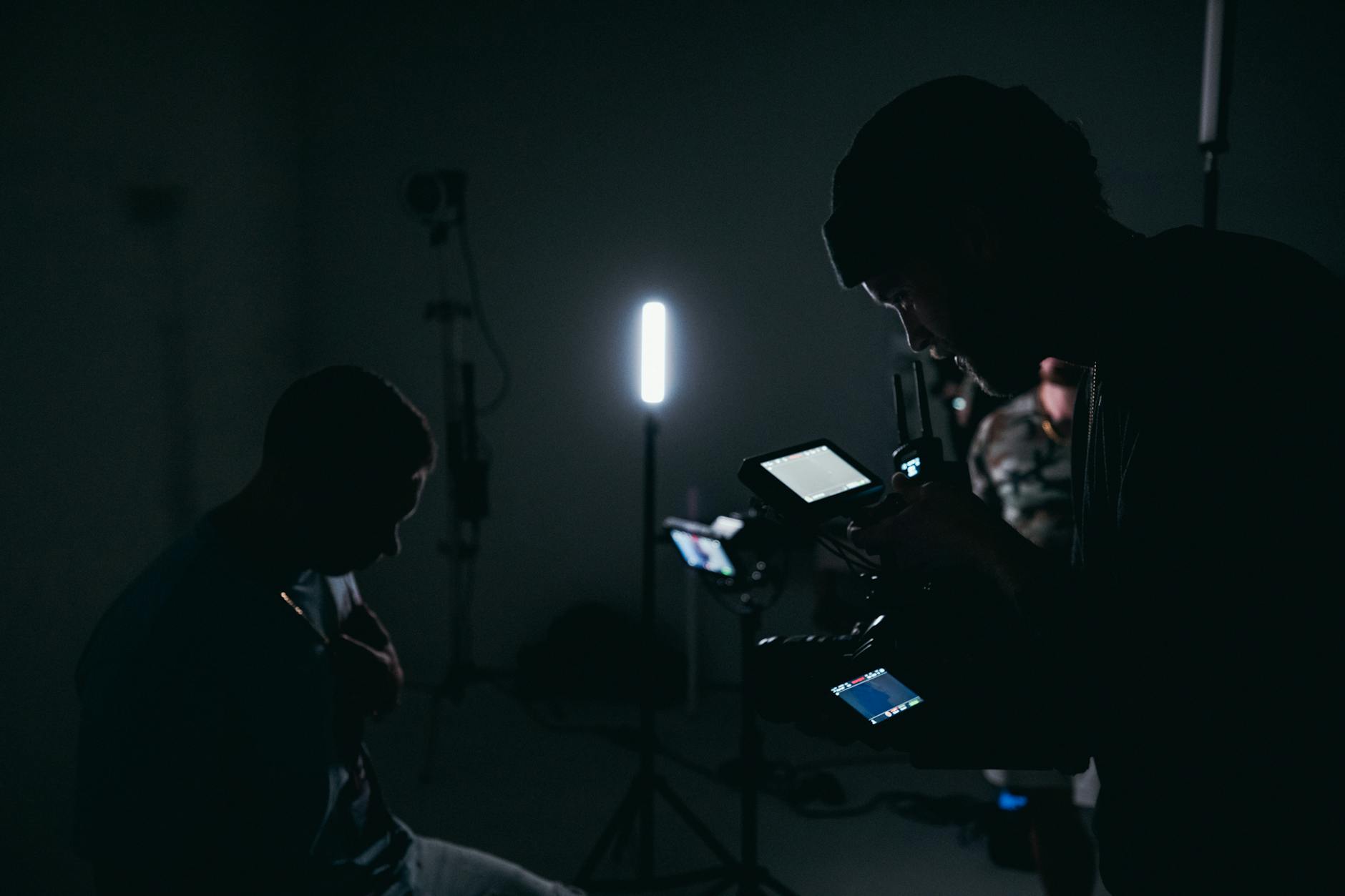
Advanced lighting techniques are vital for creating inviting, well-lit images. For interior shoots, ambient light should be balanced with supplemental lighting or flash, enhancing natural daylight and eliminating shadows that obscure details. Using high-quality tripods ensures stability during long exposures, crucial for low-light conditions, especially in rooms with limited windows or during dusk and dawn hours.
Posture and camera settings also significantly impact image quality. Shooting in RAW format preserves maximum detail, allowing for detailed adjustments in post-processing. Consistent settings for aperture, ISO, and white balance across shots maintain uniformity, essential for a professional appearance in the property portfolio.
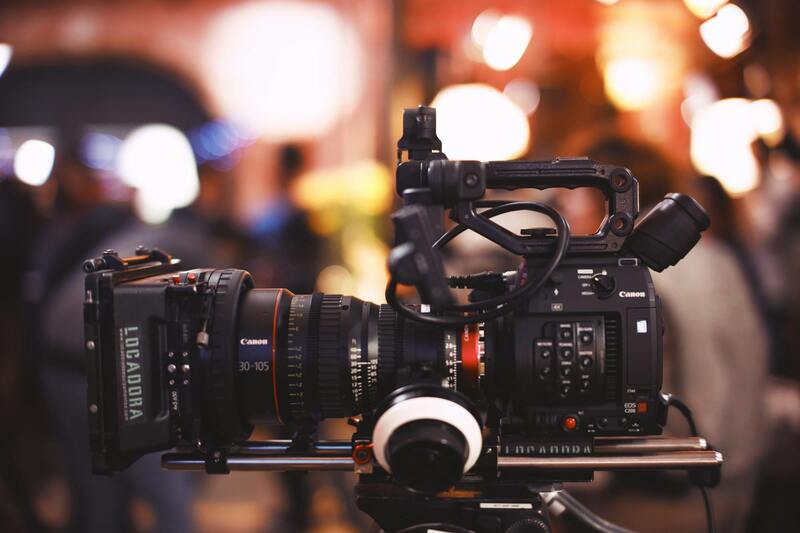
Advanced techniques such as HDR (High Dynamic Range) photography help to balance exposure across different areas of the shot, capturing both bright and dark regions effectively. This approach ensures that bright exterior views are visible without losing detail within interior shadows, a common challenge in realty photography where sunlight and indoor lighting conditions vary significantly.
Staging and Preparation Techniques
Effective staging involves arranging furniture, decor, and accessories to accentuate the property’s best features. Decluttering and neutralizing decor ensure that prospective buyers focus on the space itself rather than distractions. Properly staged properties appear more inviting and help buyers visualize living in these spaces. Preparing the property involves cleaning, minor repairs, and ensuring that all elements are camera-ready, which collectively contribute to capturing optimal images.
Choosing the Right Photography Equipment and Techniques
When aiming to produce compelling realty photographs that resonate with prospective buyers, selecting the appropriate equipment is paramount. Professional-grade cameras with full-frame sensors are preferred for their ability to capture high-resolution images with excellent detail and dynamic range. These cameras allow real estate photographers to document properties meticulously, making every feature stand out.
Prime lenses with wide apertures, such as a 24mm or 16-35mm lens, are ideal for capturing spacious interiors and expansive exteriors without distortion. These lenses enable the photographer to shoot in tight spaces while maintaining the integrity of room proportions. Additionally, tilt-shift lenses can be utilized to correct converging verticals, especially when photographing tall buildings or high-ceilinged rooms, ensuring photos appear true-to-life.
Utilizing tripod systems provides stability during prolonged exposures, particularly in interiors with subdued lighting. With stable platforms, photographers can employ lower ISO settings to reduce noise, resulting in cleaner images with better color accuracy. Remote shutter releases and timer functions further minimize camera shake, an essential practice for achieving crisp details.
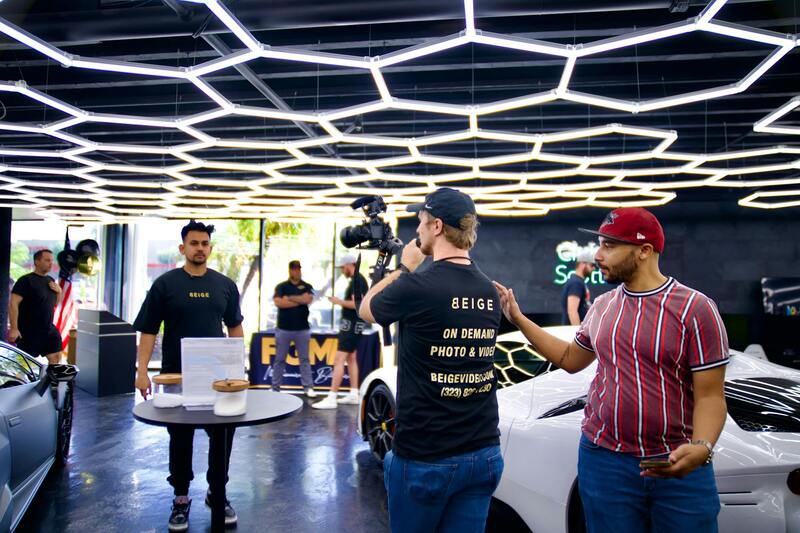
In terms of shooting techniques, Bracketing and HDR photography are indispensable for balancing bright exteriors with shaded interiors. This approach combines multiple exposures into a single image that retains detail regardless of lighting extremes. Shooting in RAW format is highly recommended, as it preserves the maximum amount of image data, providing greater flexibility during post-processing.
White balance adjustments are essential to ensure color accuracy, particularly in Miami’s diverse lighting conditions. Maintaining consistent camera settings throughout a shoot fosters a cohesive visual style, which is vital for creating a professional property portfolio. Additionally, taking multiple shots from different angles and elevations allows for detailed virtual tours and comprehensive marketing presentations.
Advanced techniques such as panoramic stitching can maximize the portrayal of large indoor spaces or exterior surroundings. Properly executed, these techniques enrich the visual storytelling of a property, helping potential buyers gain an authentic sense of space and layout.
Legal and Ethical Considerations in Realty Photography
Successfully capturing real estate images in Miami requires adherence to specific standards that ensure integrity and professionalism. Photographers must respect privacy boundaries, obtain proper permissions when photographing private properties, and avoid intrusive methods that could compromise client trust. Transparency about the scope of photography services, including the use of aerial images or drone footage, is crucial for maintaining credibility with clients and potential buyers.
Furthermore, adhering to established industry practices involves accurately representing a property's features without misleading enhancements or manipulations. This means refraining from digitally altering images in ways that could mislead viewers regarding the size, layout, or finishes of a property. Authenticity sustains a fair depiction, which is fundamental for establishing trust in the real estate market.
Another aspect includes responsible use of editing tools. While basic corrections like adjusting brightness, contrast, and color balance are acceptable to enhance visual clarity, excessive alterations that significantly change a property's appearance should be avoided. Over-editing can distort how a space looks, leading to potential dissatisfaction during viewings and undermining the integrity of the listing.
When employing advanced techniques such as HDR or panoramic stitching, photographers must ensure these methods do not produce misleading representations of space or scale. Clear communication with clients about the editing process and the limitations of the images helps manage expectations, reinforcing a professional standard of conduct.
Respect for Local Regulations and Permissions
In Miami, certain restrictions govern aerial and drone photography, particularly around privacy zones, airports, and protected airspace. Photographers should familiarize themselves with municipal and federal guidelines to ensure compliance, avoiding legal complications and safeguarding professional reputation. Properly securing permissions and permits before conducting aerial shoots demonstrates compliance with local standards and reflects an ethical approach to realty photography.
Ultimately, a commitment to honest representation, respectful use of copyrighted content, and adherence to local regulations underpin reputable realty photography practices in the Miami market. These principles not only uphold professional standards but also ensure that real estate marketing efforts resonate with credibility and foster trust among all stakeholders involved.
Post-Processing and Image Enhancement for Realty Photos
In the competitive Miami real estate market, the quality of property photographs can significantly influence buyer engagement and sales velocity. Post-processing is an essential phase where raw images are refined to highlight a property’s best features while maintaining an authentic representation. Effective editing ensures that prospective buyers receive an accurate visual impression, fostering trust and facilitating informed decision-making.
High-quality post-processing begins with adjusting exposure, contrast, and color balance to produce images that are vibrant yet natural. Overexposed or overly saturated photos can mislead viewers, so photographers must carefully calibrate these settings to reflect the true ambiance of a space. Techniques such as highlight recovery and shadow enhancement help bring out details in both bright and dark areas, ensuring a well-balanced image that captures the property's full potential.
Utilizing advanced editing tools, realty photographers can correct lens distortions and straighten crooked lines, particularly important for interior shots where architectural accuracy matters. Dodge and burn techniques can emphasize certain features, like a stunning kitchen backsplash or a scenic view through the window, guiding the viewer’s eye toward key selling points.
Another critical aspect is color correction, which ensures that the hues of walls, furniture, and surroundings are true to life. Proper white balance adjustment helps prevent unnatural color casts that could detract from the image’s perceived realism. Additionally, noise reduction and sharpening techniques should be applied judiciously to improve clarity without sacrificing image softness or introducing artifacts.
In the realm of realty photography, HDR (High Dynamic Range) imaging is frequently used to achieve a balanced exposure in scenes with high contrast, such as a dimly lit living room adjacent to bright windows. This technique combines multiple exposures to create a comprehensive image that accurately portrays both interior and exterior lighting conditions.
Panoramic stitching can also be employed to showcase expansive views or outdoor spaces, especially when emphasizing a property's surroundings in Miami's scenic neighborhoods. When handled correctly, these techniques offer prospective buyers a seamless and immersive visual experience, helping them to better envision themselves within the space.
Despite the advantages of digital enhancements, transparency remains paramount. Clear communication with clients about the scope of editing and ensuring that images reflect the true character of a property help maintain credibility. Over-editing or misrepresentation can lead to disappointment during viewings, which underscores the importance of striking a balance between visual appeal and factual accuracy.
Ultimately, the post-processing stage is about elevating the initial photographs while safeguarding the authenticity of the property. A meticulous approach to image enhancement, combined with industry best practices, ensures that Miami listings stand out in a crowded marketplace and attract qualified buyers.
Legal and Ethical Considerations in Realty Photography
Effective realty photography in Miami necessitates strict adherence to established guidelines that honor the rights of property owners and residents. Securing explicit permissions prior to capturing images ensures that the process respects privacy and avoids potential misunderstandings. This includes obtaining consent from tenants or homeowners, particularly when photographing interiors or restricted areas. Documented permission not only fosters transparency but also maintains a professional standard that enhances the credibility of the marketing effort.
Respecting property rights involves awareness of boundaries and restrictions related to the property. Photographers should become familiar with any specific conditions set by property owners or management, such as areas off-limits or times when photography is prohibited. Ignorance of these restrictions can result in legal complications and damage to professional reputation.
When incorporating drone photography, additional permissions are often necessary due to regulations governing aerial data collection. Complying with local aviation laws and acquiring appropriate permits when flying near private properties, busy urban areas, or restricted airspace is essential. Drone operators should also be diligent in respecting the privacy of neighboring properties, avoiding intrusive vantage points that could capture confidential or sensitive activities.
To uphold ethical standards, clarity and honesty in portraying properties are paramount. Overstating features or engaging in misleading representations can damage trust with clients and buyers. Emphasizing the genuine qualities of a property, combined with accurate descriptions and high-quality visuals, sustains integrity and fosters long-term professional relationships.
Furthermore, photographers should be aware of and sensitive to neighborhood dynamics and cultural considerations. Discretion and respect for community standards contribute to a positive engagement with clients and help maintain the reputation of the agency or photographer involved.
Legal and Ethical Considerations in Realty Photography
Maintaining high standards of professionalism in realty photography encompasses more than just capturing stunning visuals; it also involves adhering to established practices that respect privacy and property rights. When creating images for property listings, photographers must ensure they have appropriate permissions to photograph private properties, especially in densely populated areas like Miami where residential and commercial spaces are closely situated. Obtaining consent from property owners or authorized representatives prior to photography sessions is fundamental to uphold professional integrity and avoid misunderstandings.
In addition, it is critical to be mindful of the terms set by property management and homeowner associations, which may have specific restrictions or guidelines regarding photography. Respectting these stipulations helps build trust and maintains smooth relationships with clients and stakeholders involved.
Another significant aspect involves the use of drone and aerial photography. Aerial images provide a unique perspective that can showcase property surroundings and landscape features effectively. However, capturing aerial footage requires careful planning to comply with local aviation regulations and airspace restrictions. Obtaining necessary permits and maintaining communication with relevant authorities reduce risks and ensure compliance with operational standards.
Respecting individuals’ privacy is of utmost importance. Photographers should avoid intrusive vantage points or angles that could inadvertently include neighbors, confidential activities, or sensitive details. Clear communication with clients about the scope and limitations of the photos ensures transparency and manages expectations effectively.
Photographers also need to be honest and accurate in their visual representations. Overemphasizing certain features or manipulating images beyond standard post-processing can lead to misrepresentation, which undermines trust and damages reputations. Authentic visuals that genuinely reflect the property's condition and aesthetics foster confidence among potential buyers and enhance the credibility of listings.
In Miami’s diverse neighborhoods, cultural sensitivity and discretion should guide all photography practices. Understanding and respecting local community standards foster positive engagement and reinforce professional responsibility within the real estate market.
By following these ethical guidelines, realty photographers contribute to a transparent, respectful, and legally compliant marketing environment. This approach not only protects their reputation but also ensures that clients and buyers experience genuine, dependable visuals that accurately portray each property.
Legal and Ethical Considerations in Realty Photography
Maintaining ethical standards in realty photography is crucial for establishing trust and credibility within the Miami real estate market. Photographers must adhere to established guidelines that prioritize the privacy and comfort of individuals involved, ensuring that images are captured with respect and transparency. Respecting privacy involves avoiding intrusive angles or vantage points that might inadvertently reveal confidential activities, personal moments, or sensitive details surrounding nearby properties. This conscientious approach safeguards relationships with clients and the community, fostering a reputation of integrity.
Clear communication with clients before a shoot sets proper expectations. Discussing the scope, preferred visuals, and any limitations helps align efforts with client needs while also emphasizing ethical boundaries. For instance, photographers should avoid staging or manipulating images beyond standard post-production enhancements that could distort the property's true appearance. Accurate visual representation is vital; it ensures that potential buyers receive honest impressions, preventing misunderstandings or misrepresentations later on.
Understanding and respecting property rights, airspace regulations, and community standards further underline the importance of ethical conduct. Photographers should stay informed about local rules governing drone flights and aerial imagery, ensuring that all captures comply with any applicable guidelines. This practice not only safeguards legal compliance but also minimizes disruptions or conflicts with neighbors or authorities.
Integrating cultural sensitivity is equally essential, especially in Miami’s diverse neighborhoods. Recognizing community norms and respecting local sensitivities demonstrates professionalism and fosters positive relationships with residents and clients alike. The ethical practice of realty photography involves a balanced approach—highlighting the property's assets while remaining unobtrusive, honest, and respectful of all involved.
Adherence to ethical considerations enhances the overall quality of realty visual marketing. It builds credibility, encourages trust, and ensures that the viewings and online representations are aligned with the reality of the property. This integrity not only benefits individual transactions but also elevates the professionalism of the Miami real estate market as a whole.