
Understanding the Role of an Events Photo Team
An events photo team plays a critical role in capturing the essence and memorable moments of various gatherings, from corporate conferences and weddings to community festivals and private celebrations. These teams are composed of specialized photographers who work diligently to ensure that every significant detail is documented professionally and creatively. Their primary responsibility is to provide clients with high-quality visual records that reflect the atmosphere, emotions, and key activities of the event.
The core purpose of an events photo team extends beyond merely taking pictures; it encompasses strategic planning, adapting to dynamic environments, and delivering images that align with the event’s objectives. Photographers in this team are tasked with a range of responsibilities, including setting up equipment, managing lighting conditions, capturing candid moments, and orchestrating group shots. Their work contributes to the event's overall success by creating a visual story that resonates with attendees and stakeholders alike.
Furthermore, an effective events photography team must be perceptive and adaptable to various settings. Whether in a formal banquet hall, an outdoor festival, or a bustling trade show, these professionals use their expertise to navigate logistical challenges and unpredictable lighting to produce clear, vibrant images. Their role also involves balancing an unobtrusive presence with active engagement to ensure that no memorable detail goes unnoticed.
Key Skills and Qualifications for Event Photographers
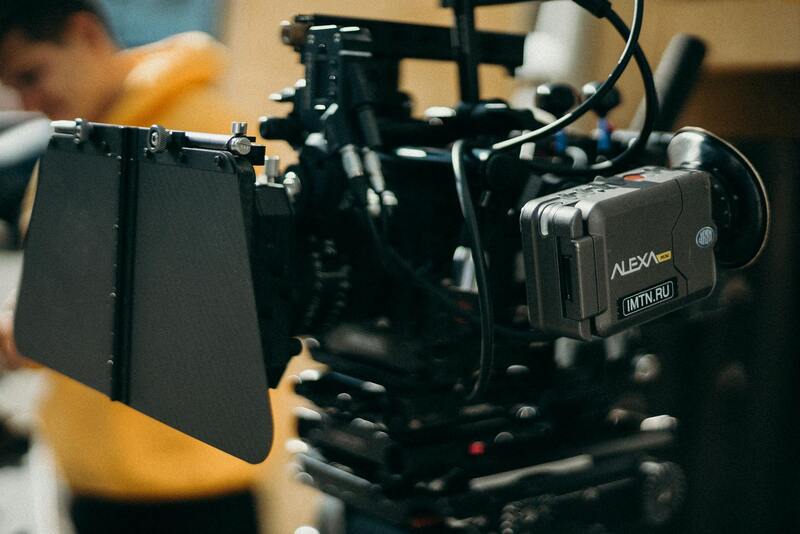
Success in event photography hinges on a comprehensive blend of technical proficiency, artistic vision, and interpersonal skills. Professionals in this field must possess a deep understanding of camera operations, lighting conditions, and post-processing techniques to deliver consistently high-quality images. Mastery of various photographic styles—be it candid, formal, or artistic—enables the photographer to adapt seamlessly to the event’s unique atmosphere and requirements.
Equipped with advanced camera gear, including high-resolution DSLR or mirrorless cameras, a selection of fast lenses, and stabilizing equipment, skilled photographers can adapt to dynamic lighting and movement. They are proficient in utilizing external flash units, reflectors, and diffusers to mitigate challenging lighting scenarios common at events. An understanding of photo composition, framing, and timing ensures that every critical moment is captured with clarity and visual impact.
Moreover, top-tier event photographers excel in real-time decision-making, often working under tight schedules without compromising quality. Their ability to anticipate peak moments—whether during speeches, dance performances, or spontaneous interactions—fuels the production of compelling images. Notably, experience with diverse event types, from corporate conferences to cultural festivals, enriches their adaptability.
Communication skills are equally vital; photographers need to coordinate with event organizers, clients, and other vendors efficiently. This ensures they are positioned effectively and respectful of the event's flow. Good interpersonal skills help put subjects at ease, encouraging natural expressions and candid shots that truly reflect the mood of the occasion.
Essential Equipment for Event Photography
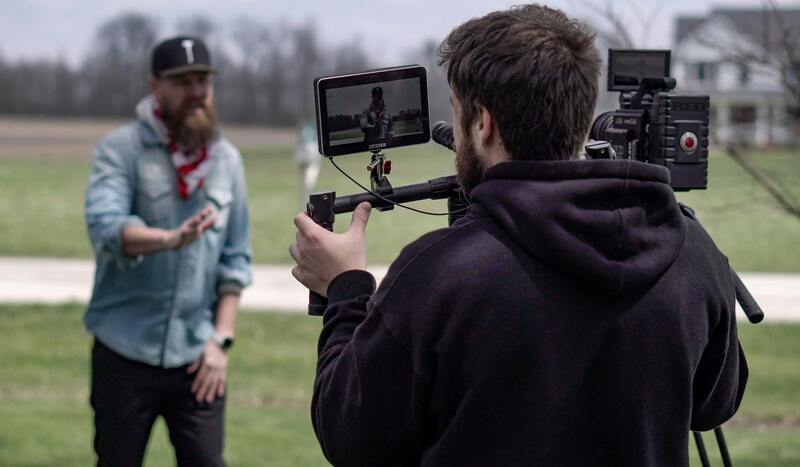
- High-resolution digital cameras with fast autofocus systems
- A variety of lenses, including wide-angle, telephoto, and prime lenses
- External flash units and lighting modifiers
- Stabilizers like gimbals or tripods for steady shots
- Portable storage devices and backup batteries
- Photo editing software for post-processing
Investing in this equipment is fundamental for meeting the demanding standards of professional event coverage. Regular maintenance and upgrades also ensure that photographers stay equipped with the latest technological advancements, enabling them to handle any scenario with confidence.
Understanding the Role of an Events Photo Team
An events photo team plays a critical role in capturing the essence and key moments of any gathering, whether it’s a corporate conference, wedding, festival, or gala. These teams are composed of skilled photographers, assistants, and sometimes videographers, all working in concert to ensure every significant detail and emotional expression is documented with precision and artistic flair. Their primary responsibility is to produce a comprehensive visual narrative that reflects the atmosphere, emotions, and important milestones of the event.
Effective event photography requires a strategic approach, beginning at the planning stage where the team collaborates with clients to understand goals, preferred styles, and specific moments to highlight. The team’s versatility allows them to adapt quickly to changing conditions, such as lighting variations, unpredictable candid interactions, or spontaneous moments that emerge in lively environments. They operate with a keen eye for composition, timing, and technical quality, employing a systematic approach to coverage that ensures no critical moment is missed.
In addition to the technical aspect, the event photo team acts as a discreet observer, blending into the background to capture candid moments authentically. This unobtrusiveness enhances the naturalness of photos, granting a genuine portrayal of the event’s ambiance. Moreover, they often work closely with event organizers and coordinators, maintaining seamless communication to adapt to the event's flow without disrupting proceedings.
Ultimately, the success of an event’s visual documentation hinges on the expertise, professionalism, and coordination of the photo team. Leveraging official, proven methods—such as pre-planning, reliable equipment, and on-site communication protocols—ensures that event organizers receive a high-quality gallery that encapsulates the event’s spirit, providing invaluable content for promotional use, memories, and future reference.
Key Skills and Qualifications for Event Photographers
Professional event photographers possess a blend of technical mastery and interpersonal skills. They are adept at operating a variety of camera systems, understanding lighting conditions, and employing composition techniques to craft compelling images. Their ability to work swiftly under pressure, often in dynamic environments, is vital to capturing fleeting moments that define an event’s energy.
Qualifications often include formal training in photography, extensive portfolio work, and proven experience in diverse event settings. Many photographers also hold certifications from reputable industry organizations, which attest to their commitment to ongoing education and adherence to high standards.
Beyond technical skills, a deep understanding of event flow and the cultural context of different gatherings enhances their ability to anticipate and seize meaningful moments. Good photographers foster positive relationships with subjects, event coordinators, and clients through professional conduct and effective communication, which in turn encourages natural expressions and spontaneity.
Specialized skills such as studio lighting, drone operation, or video capture can further augment a team’s capabilities. Familiarity with editing software and delivery platforms also streamline post-production workflows, ensuring timely delivery of polished images.
On-Site Event Photography Operations
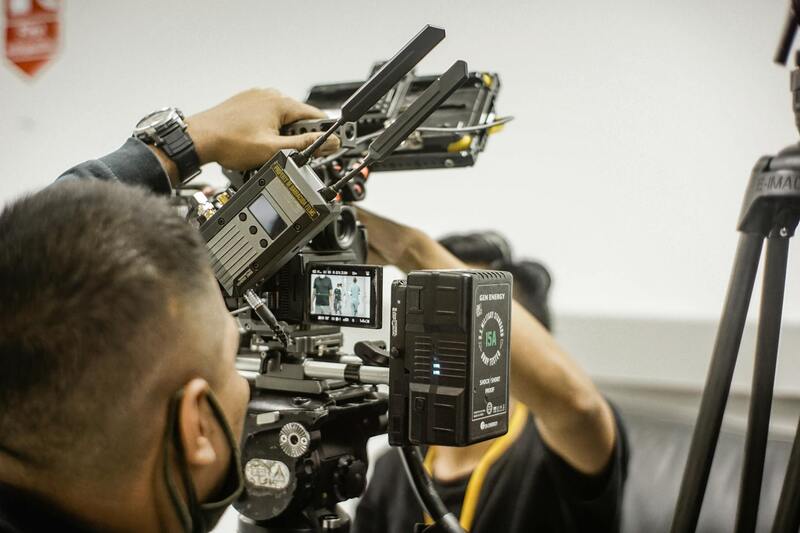
Execution during the event is where the expertise of an events photo team truly comes into play. A well-coordinated team operates seamlessly, consistently capturing high-quality images that reflect the event’s atmosphere and key moments. This involves strategic positioning, understanding the flow of the event, and anticipating moments of significance. Each team member must be adaptable, ready to respond to spontaneous opportunities or challenging lighting conditions.
Equipping the team with the appropriate gear is critical. This includes professional-grade cameras, an array of lenses suitable for various scenarios, and backup equipment to prevent disruptions. Skilled photographers may utilize rapid-fire shooting techniques, employ flash and lighting equipment judiciously, and adjust camera settings on the fly to suit changing conditions. The ability to efficiently manage multiple subjects and candid shots ensures comprehensive coverage that meets client expectations.
Communication within the team is vital. Using discreet signals or two-way radios helps coordinate movement and ensure that everyone is aware of upcoming moments to capture. Additionally, maintaining a presence that is unobtrusive allows guests and speakers to act naturally, resulting in authentic, impactful images.
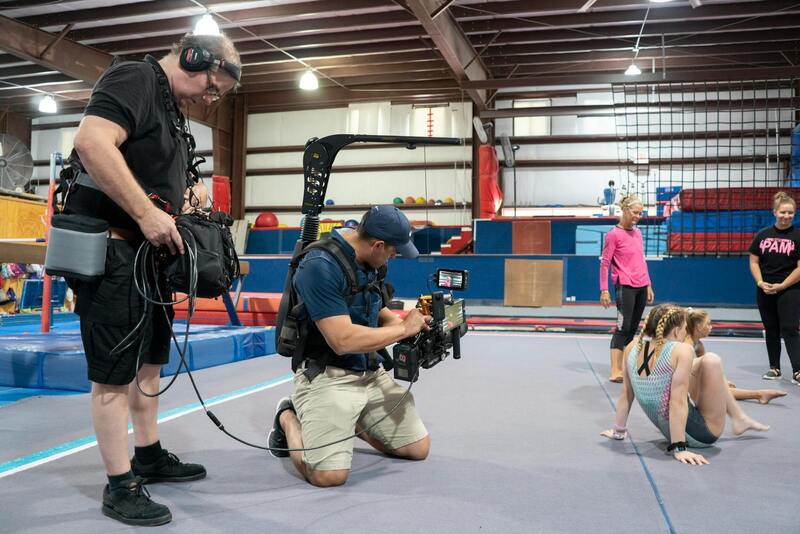
Incorporating real-time adjustments, such as changing angles or switching camera settings, maximizes the quality of photos produced during the event. A dedicated team often assigns specific roles—such as main photographer, detail shooter, or videographer—to cover all aspects comprehensively. This division enables a more thorough documentation process and allows the team to work efficiently without overlapping efforts.
The end goal during on-site operations is to deliver a diverse array of images that include posed, candid, group, and specialty shots. This comprehensive approach ensures clients receive a complete visual story of their event, capturing both the grand moments and the nuanced details that contribute to the overall narrative.
Understanding the Role of an Events Photo Team
An events photo team is a dedicated group of professional photographers and support staff responsible for capturing the essence of an event through high-quality images. Their primary goal is to document the event in a manner that reflects the atmosphere, key moments, emotions, and details that make the occasion unique. This team functions as a cohesive unit, each member bringing specialized skills to ensure comprehensive coverage from multiple perspectives. Their role extends beyond mere photography; it involves strategic planning, adaptiveness during dynamic scenes, and post-event processing to deliver a polished portfolio of images that meet client expectations.
In many cases, the success of event photography hinges on the team's ability to blend seamlessly with the surroundings, capturing candid moments without disrupting the flow of the event. They are often tasked with photographing a variety of scenes such as speeches, candid interactions, group photos, decor details, and entertainment segments. The versatility and professionalism of the team directly influence the overall quality of documentation, which is essential for clients seeking memorable and impactful visuals to commemorate their special occasions.
Key Skills and Qualifications for Event Photographers
- Technical proficiency: Mastery over camera settings, lighting techniques, and equipment ensures clarity and brilliance in images under varying conditions.
- Adaptability: Ability to quickly adjust to changing lighting, subjects, and environments is crucial for capturing spontaneous moments.
- Discretion and professionalism: Working unobtrusively allows photographers to document natural interactions without interfering with the event's flow.
- Strong communication skills: Coordinating with team members, event coordinators, and clients ensures seamless coverage and timely image capture.
- Creative vision: Developing unique angles and compositions helps deliver captivating images that stand out.
- Experience in event coverage: Familiarity with different types of events, such as corporate gatherings, weddings, or galas, allows photographers to anticipate key moments and prepare accordingly.
Assembling a Diverse and Skilled Photography Team
Building an effective events photo team involves selecting professionals with complementary skills and diverse perspectives. A well-rounded team often includes multiple photographers specializing in different areas, such as candid, posed, and detail shots. This diversity ensures no important moment goes undocumented. Additionally, including support roles such as lighting technicians, videographers, or image editors helps streamline the workflow, from shooting to post-processing.
Size and composition of the team should align with the scale of the event. Smaller intimate gatherings might require just a couple of competent photographers, while larger events may necessitate a larger crew to ensure comprehensive coverage across multiple locations and segments. It’s also essential to consider the team’s experience with the event’s specific type, as familiarity with the event’s flow leads to more intuitive and effective coverage.
Effective communication and team dynamics are vital. Clear roles and responsibilities prevent overlaps and ensure each photographer knows their designated segments. Consistent pre-event briefings also help align goals, shot lists, and expectations, which ultimately improve the quality and efficiency of the photographic documentation.
On-Site Event Photography Operations
Executing effective on-site photography during an event requires meticulous coordination and strategic management. The events photo team must seamlessly adapt to the dynamics of the occasion, capturing authentic moments while maintaining high technical standards. This involves managing multiple roles, including positioning, lighting, and timing, to ensure comprehensive coverage of the event’s critical segments.
Preparation prior to the event plays a pivotal role in smooth operations. Photographers should familiarize themselves with the event layout, key areas, and designated shot lists. This familiarity allows the team to navigate efficiently, anticipate pivotal moments, and position themselves optimally for capturing the essence of the event. A well-organized team will establish clear communication protocols, often using walkie-talkies or signaling systems to coordinate movements and updates in real-time.
During the event, photographers need to employ a range of techniques to adapt to different lighting conditions, subjects, and environments. Candid moments require an unobtrusive approach, capturing genuine reactions without disrupting the flow. Group shots and formal portraits demand precise lighting and positioning, often requiring prompt adjustments to ensure excellence. Attention to detail is critical, from framing shots to managing focus, exposure, and color balance under varying conditions.
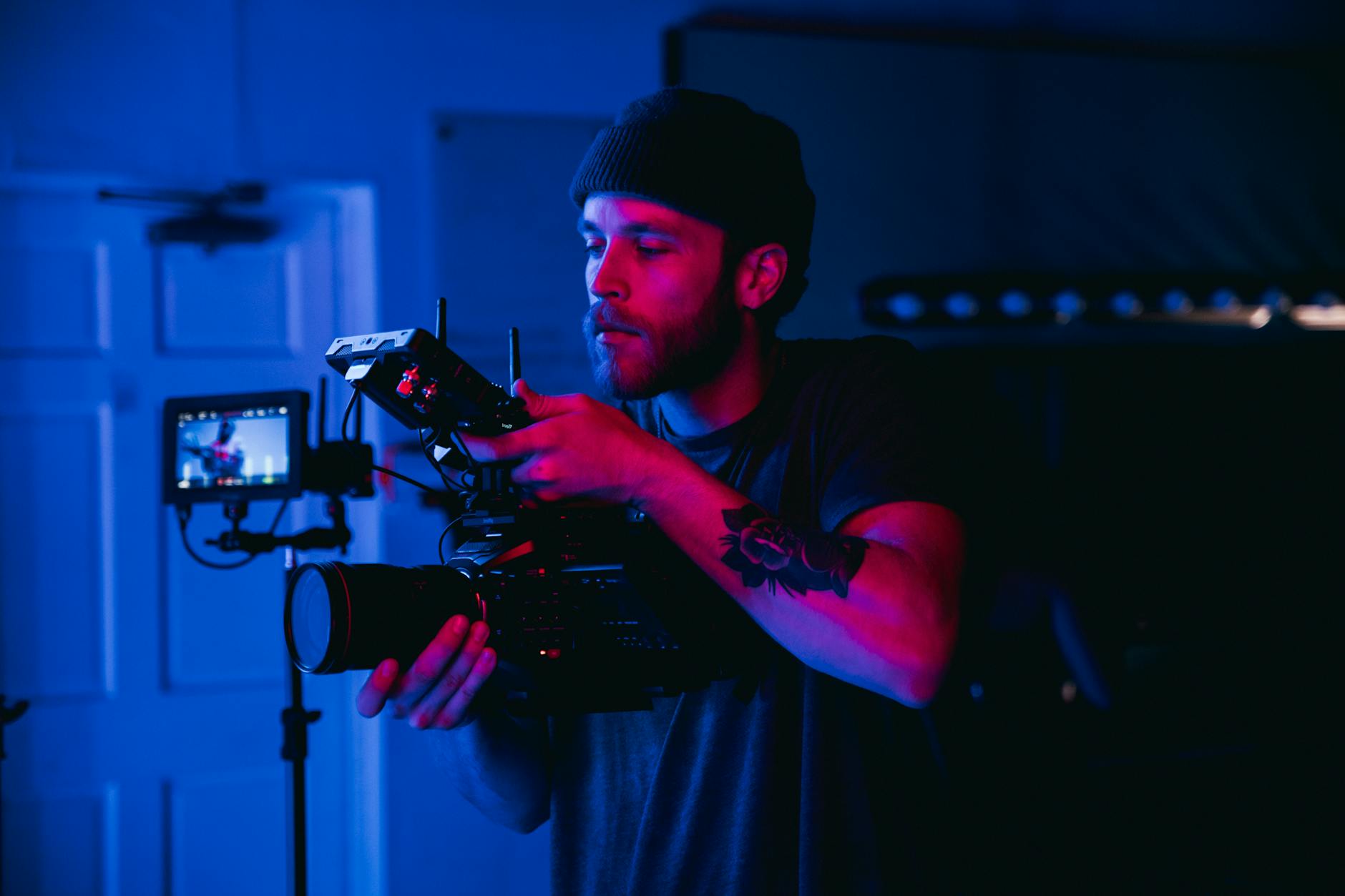
In addition to the technical aspects, the team must be prepared to handle unforeseen situations, such as changing weather conditions or unexpected delays. Flexibility and problem-solving skills are essential, enabling the team to adapt quickly and still deliver exceptional visual content. Having backup equipment, including additional cameras, batteries, and memory cards, is vital to prevent interruptions during critical moments.
Post-event, the photographers should review and organize the images for selection. Quick turnaround times are often crucial, especially for events that demand immediate sharing or social media coverage. Post-processing involves editing images for color correction, cropping, and retouching, ensuring a polished presentation that aligns with client expectations. Efficient workflow management during editing can significantly reduce delivery times while maintaining high-quality standards.
The comprehensive on-site operational plan, combined with skilled technical execution and flexibility, ensures that the event’s visual documentation is both exhaustive and compelling. Meticulous planning and coordination among team members are fundamental to capturing the full scope of the event, from candid interactions to key moments that define the occasion.
Pre-Event Planning and Coordination
Effective pre-event planning is fundamental to ensuring comprehensive coverage and seamless execution by the events photo team. This process begins with detailed communication between the client and the photography professionals to understand the event’s scope, key moments, and specific preferences. Establishing a clear shot list allows the team to prioritize essential scenes, such as speeches, performances, or candid interactions. A well-organized timeline helps synchronize photographer arrival times, setup periods, and designated coverage phases, reducing the risk of missed moments.
Coordination also involves logistical considerations, including site reconnaissance to identify optimal shooting locations, lighting conditions, and potential obstructions. Familiarity with the venue’s layout facilitates efficient movement and strategic positioning, ensuring all relevant areas are covered without disrupting event proceedings. Additionally, the team should prepare a comprehensive equipment checklist, including backup gear to mitigate technical issues. This includes extra cameras, lenses suited for various lighting scenarios, flash units, batteries, and ample memory cards.
Communication channels with event organizers, venue staff, and security personnel are established early to streamline ingress and egress, secure necessary access points, and coordinate schedules. Assigning roles within the photography team—such as lead photographer, assistant, or drone operator—helps maintain clarity and efficiency during the event. Preparing a contingency plan for unforeseen challenges, like weather shifts or technical failures, allows the team to adapt swiftly, maintaining high standards of coverage and professionalism.
On-Site Event Photography Operations
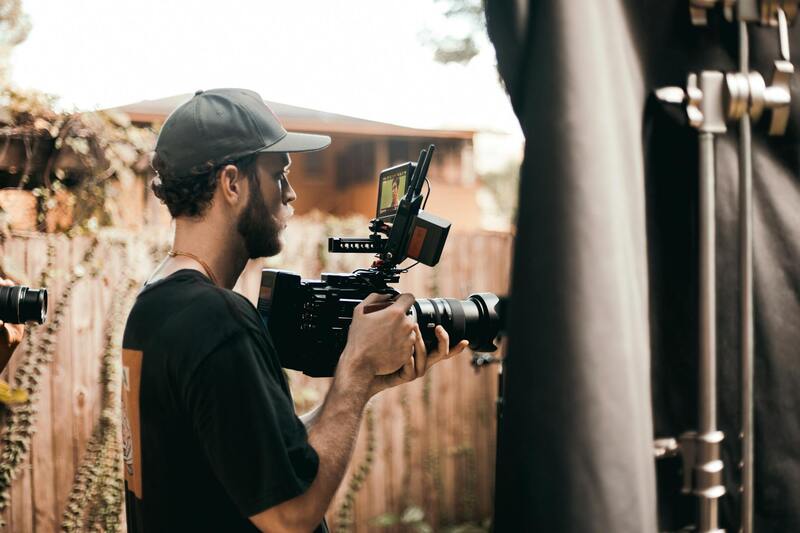
During the event, the photography team’s operational focus is on executing the pre-established plan while adapting to the dynamic environment. Skilled photographers must balance capturing planned moments and spontaneous candid shots. Maintaining situational awareness is critical; this involves observing audience reactions, staff activities, and unscripted interactions that contribute to the event’s story.
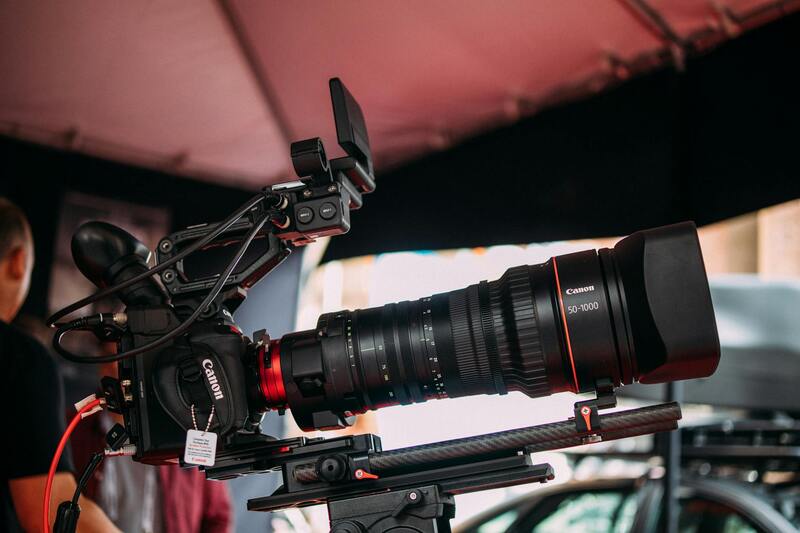
Positioning is key—team members choose strategic spots that maximize visual impact while remaining unobtrusive. For live moments, rapid adjustments in camera settings, such as shutter speed and ISO, ensure images are sharp despite varying lighting conditions. The use of professional-grade equipment, including fast lenses, stabilizers, and flash units, enhances image quality and consistency. Photographers should also be adept at working with different focal lengths to capture both wide shots and intimate close-ups.
A cohesive on-site workflow enables the team to cover multiple angles simultaneously, capturing diverse perspectives. Employing communication tools, like radios or messaging apps, facilitates real-time coordination, especially in large or complex venues. In scenarios involving key speakers or performers, assigning a team member to cover specific focal points ensures no crucial detail is overlooked.

Post-Event Photo Editing and Delivery
Once the event concludes, the focus shifts to processing and delivering a polished collection of images that reflect the event’s essence. The initial step involves systematically reviewing the raw images, selecting the best shots that tell a compelling visual story. This stage may require culling hundreds or thousands of photos, emphasizing clarity, emotion, and technical excellence.
Post-processing encompasses color correction, cropping, and retouching to enhance visual appeal while maintaining authenticity. Batch editing tools streamline workflow, allowing for consistent adjustments across large batches of images, which accelerates turnaround time without compromising quality. For events requiring immediate dissemination, such as social media updates or press coverage, swift editing is crucial. Employing efficient editing software with preset functions can significantly reduce delivery timelines.
Delivery methods should be flexible to meet client needs, whether through encrypted online galleries, USB drives, or cloud-based sharing platforms. Providing high-resolution images suitable for printing or low-resolution versions optimized for digital use ensures versatility. Additionally, offering a curated gallery or highlight reel can enhance the client experience, providing an accessible, professional showcase of the event.
Meticulous post-event management guarantees that the event’s visual documentation remains accessible, organized, and ready for use in promotional or archival contexts. This comprehensive approach to editing and delivery underscores a commitment to quality, efficiency, and client satisfaction.
Understanding the Role of an Events Photo Team
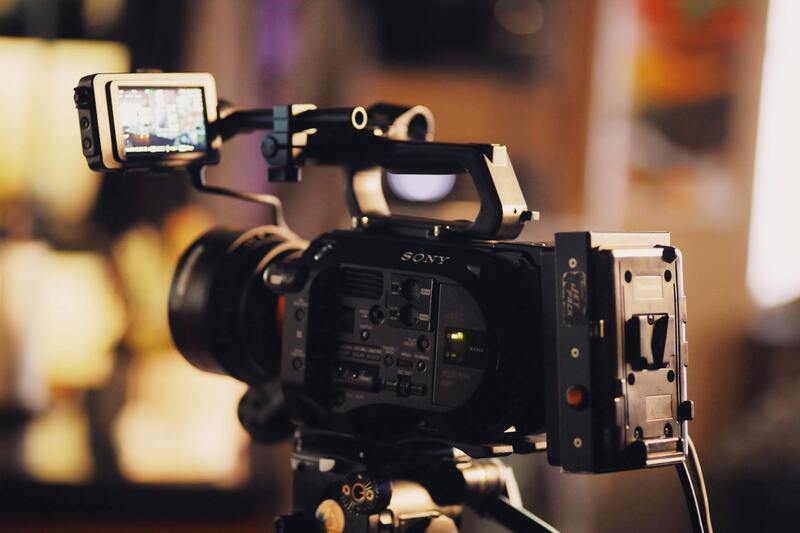
At the core of memorable event documentation is a well-coordinated events photo team, tasked with capturing the essence, emotion, and ambiance of any occasion. These specialized teams operate with precision, blending technical skill with an artistic eye to produce images that resonate with authenticity and vibrancy. Their responsibilities extend beyond mere photography to include strategic positioning, timing, rapport-building with guests, and real-time adjustments to lighting and composition. Equipped with professional gear and a deep understanding of event dynamics, an events photo team ensures comprehensive coverage, capturing candid moments, formal portraits, and key highlights that reflect the event’s significance. Effective teamwork and communication within the team facilitate seamless shots from different angles and perspectives, ultimately delivering a diverse collection of images that tell a compelling visual story.
Furthermore, the capacity of an events photo team to adapt quickly to changing environments and unpredictable moments is crucial. Flexibility in positioning, quick reflexes, and a thorough understanding of the event flow allow the team to seize fleeting opportunities, capturing moments that might otherwise be missed. Through meticulous planning, professional training, and experience, an events photo team elevates the overall quality of event coverage, ensuring that each moment is documented with clarity and emotional depth.
Key Skills and Qualifications for Event Photographers
Photographers within the team must possess a blend of technical prowess and creative intuition. Skills such as mastering various camera settings, understanding lighting conditions, and executing seamless focus adjustments are fundamental. Strong interpersonal skills are equally vital, enabling photographers to engage with guests and subjects without disrupting the event's flow. A keen eye for detail, patience, and the ability to operate discreetly help photographers capture authentic moments in natural, unobtrusive ways. Many seasoned event photographers also hold certifications in professional photography, further showcasing their commitment to quality standards and ongoing education.

Overall, team members should demonstrate reliability, professionalism, and an understanding of the specific event type—be it corporate, wedding, or social gathering. Their ability to work efficiently under pressure while maintaining a creative vision is essential for producing cohesive, high-quality images that meet client expectations.
Assembling a Diverse and Skilled Photography Team
Building an effective events photo team involves strategic recruitment and clear role delineation. Diversity in team members’ backgrounds, experiences, and artistic styles enhances the adaptability and creative output of the team. Including photographers with specialization in different genres—such as portrait, candid, or conceptual—ensures comprehensive coverage across various event moments. Leadership roles within the team can include lead photographers or photo coordinators who oversee the shooting strategy, adjudicate on shot selection, and coordinate post-production efforts. Establishing a team with balanced skills fosters collaboration, offering clients a broad spectrum of visual storytelling techniques tailored to the event’s unique atmosphere.
Pre-Event Planning and Coordination
Effective pre-event planning sets the foundation for successful coverage. This phase involves detailed consultations with clients to understand the event’s scope, key moments, and specific requirements. Sharing a comprehensive shot list, discussing preferred styles, and identifying critical areas of focus help streamline on-site operations. Photographers review the event schedule, inspect venue layouts, and coordinate with event planners or coordinators to anticipate lighting conditions, potential challenges, and optimal positioning. Pre-visualization of shots and establishing clear communication channels among team members ensure everyone is aligned, minimizing surprises and maximizing efficiency during the event.
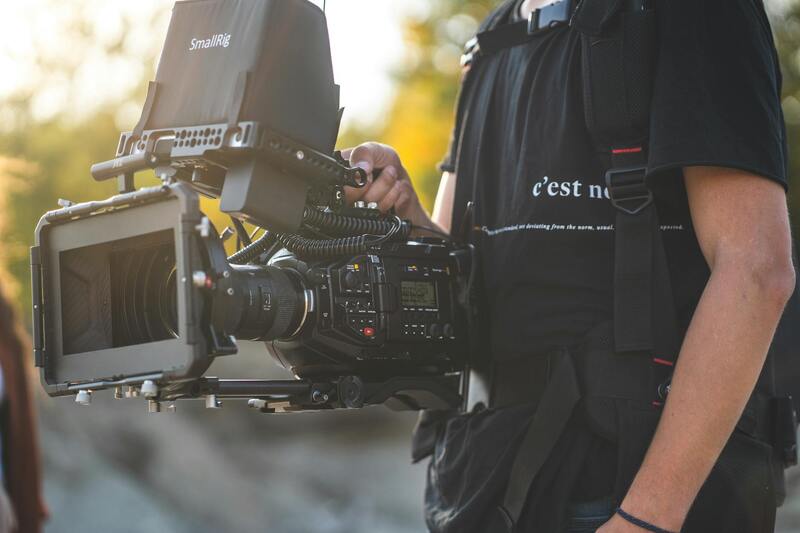
This organized approach minimizes confusion on the day of the event, allowing photographers to act swiftly and confidently, capturing each crucial moment as it unfolds.
On-Site Event Photography Operations
During the event itself, the team operates with agility and discretion, balancing the need for posed shots with spontaneous captures. Hot spots for photographs are pre-identified, and photographers employ various techniques to adapt to lighting variations and crowded settings. Using professional-grade equipment, including multiple camera bodies and lenses, ensures that all moments—whether wide-angle crowd shots or detailed close-ups—are documented in high quality. Continuous communication among team members helps coordinate shot sequences, especially during key moments such as speeches, performances, or ceremonial proceedings.
Implementing efficient workflows, such as designated roles (e.g., main photographer, second shooter, lighting technician), optimizes the coverage. Real-time review of images, when possible, allows quick adjustments to composition or lighting, ensuring consistency and excellence across the entire event.
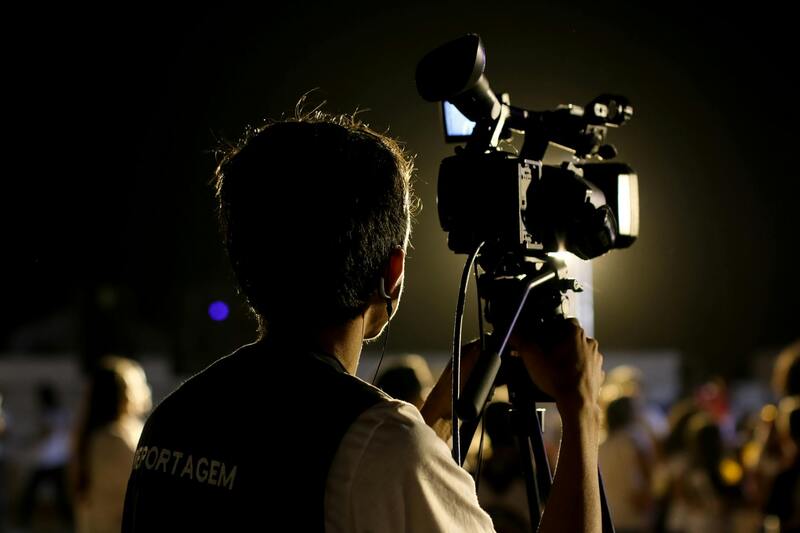
Discretion and professionalism in behavior encourage natural interactions among guests, resulting in authentic images that reflect genuine emotion and connection. The team’s ability to remain focused and adaptable under pressure is fundamental, especially during lengthy events or those with unpredictable moments.
Post-Event Photo Editing and Delivery
Following the event, the editing process transforms raw images into polished visual stories. This process involves selecting the best shots, color correction, cropping, retouching, and ensuring consistency across the collection. Skilled editors work efficiently with batch processing tools to maintain quality while meeting tight deadlines. By applying subtle enhancements that preserve authenticity, editors prepare images suitable for different purposes—print, digital sharing, or archival storage.
Delivery methods are tailored to client preferences, including encrypted online galleries, cloud storage, or physical media. Offering options such as highlight reels or curated galleries provides clients with accessible, professional showcases of their event. Well-managed post-production workflows ensure timely delivery, preserving the event's emotional impact and visual integrity.
Benefits of Hiring Local Miami Event Photography Teams
Engaging a local Miami events photo team offers several strategic advantages. Local teams possess intimate knowledge of the city's venues, lighting conditions, and regional cultural nuances, which translates into more seamless and contextually appropriate coverage. Their familiarity with popular locations and understanding of Miami’s vibrant event scene enables proactive planning and creative shot opportunities. Additionally, local photographers often have established relationships within the community, which can enhance cooperation with event organizers and vendors. This local expertise ensures a smooth, efficient workflow, delivering high-quality images that authentically capture the spirit of Miami's diverse events, from beachfront weddings to corporate galas.