
Understanding Event Cinematography
Event cinematography encompasses the art and science of capturing live events through high-quality video production. It involves more than just recording moments; it requires a strategic approach to document key highlights with clarity and creativity. Skilled event cinematographers utilize advanced techniques and equipment to ensure that every significant detail, emotion, and ambiance of an event are preserved in visual form. This art form plays a vital role in transforming fleeting moments into enduring memories that can be shared, revisited, and appreciated long after the event concludes.
In the context of professional video production, event cinematography is an essential service that enhances the overall impact of celebrations, corporate gatherings, conferences, concerts, and other significant occasions. High-quality filming not only provides a dynamic record but also amplifies the event’s significance through captivating visual storytelling. By leveraging expertly crafted footage, organizers and hosts can extend their event’s reach, engage a broader audience, and create compelling promotional material for future occasions.
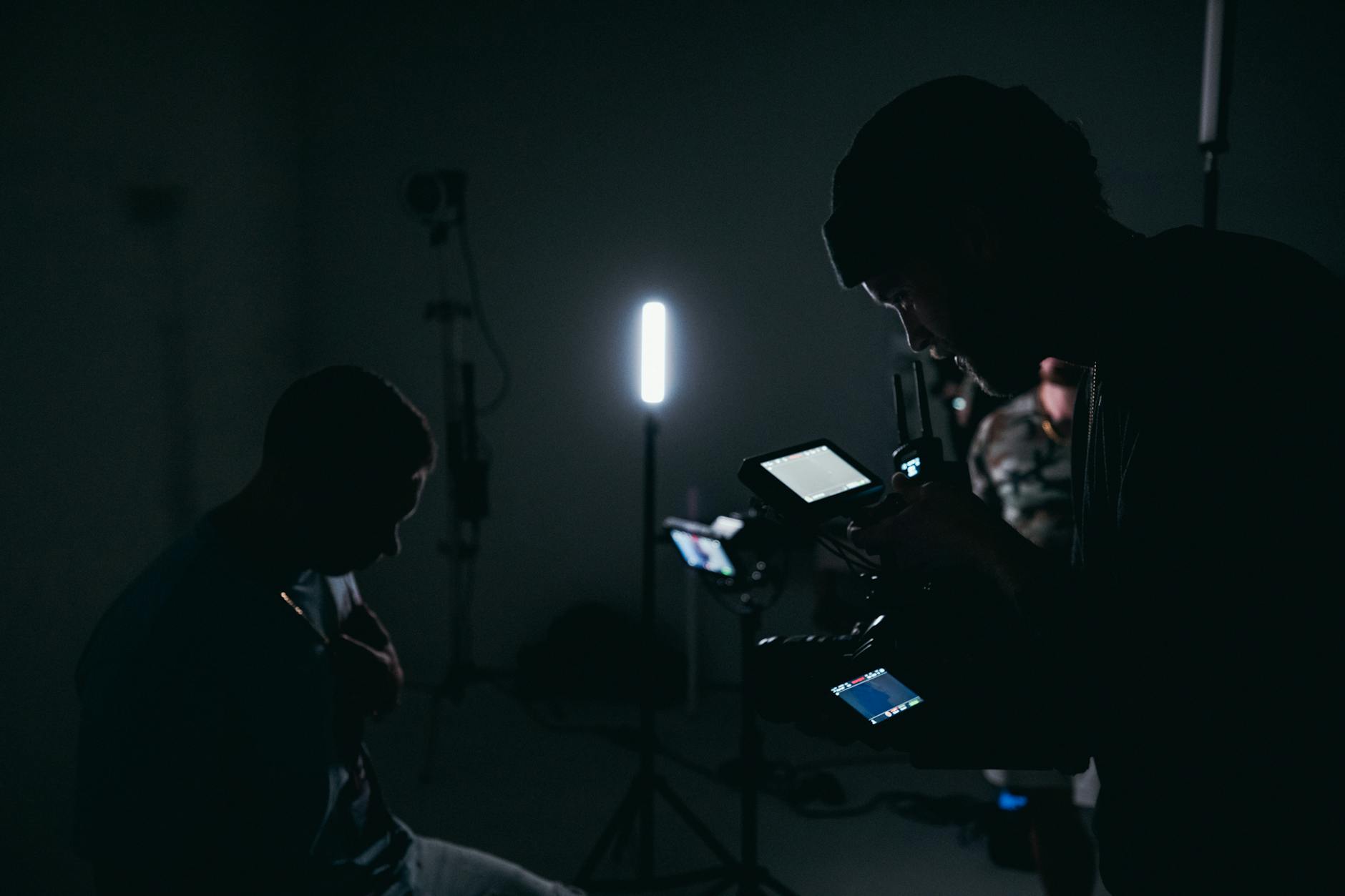
Effective event cinematography involves a comprehensive understanding of both technical aspects and artistic storytelling. Professionals in this field pay close attention to lighting, composition, sound quality, and camera movement to craft a visually engaging narrative. Their expertise ensures that important moments, such as speeches, performances, and candid interactions, are documented with precision and flair. This meticulous approach guarantees that the final footage accurately reflects the event's atmosphere and significance.
Investing in high-caliber event cinematography provides organizations and individuals with a powerful media asset that amplifies the event’s impact, fosters engagement, and enhances brand visibility. As the demand for professional event documentation grows, the importance of experienced cinematographers who understand the nuances of capturing live experiences becomes increasingly evident. Their ability to adapt to different environments and lighting conditions, while maintaining artistic integrity, distinguishes top-tier event cinematographers from amateurs.
Understanding Event Cinematography
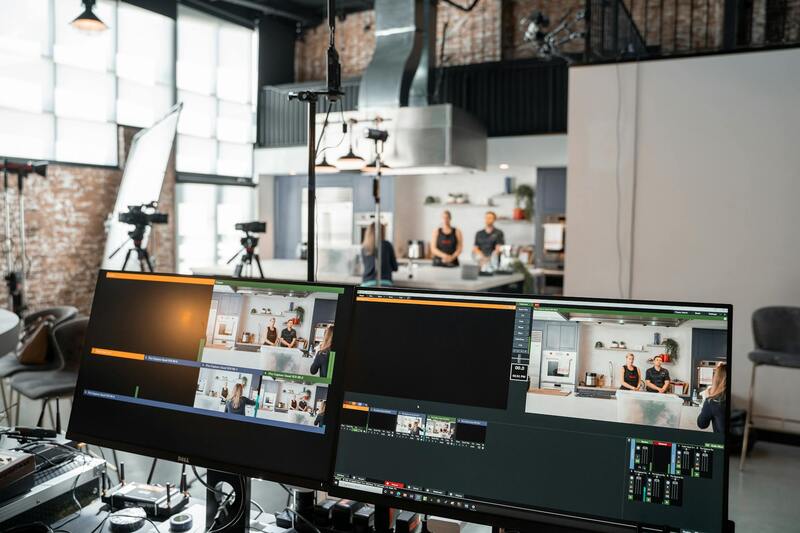
Event cinematography is an art that combines technical skill with creative storytelling to produce compelling visual documentation of live occasions. When executed by experienced professionals, it captures the essence and energy of an event, transforming fleeting moments into lasting memories. This process begins with a thorough understanding of the event’s purpose, audience, and desired outcome. Cinematographers analyze key components such as the venue, lighting conditions, and the overall atmosphere to tailor their approach accordingly.
Utilizing high-end camera equipment equipped with stabilization systems, high dynamic range sensors, and advanced lenses allows cinematographers to adapt to various environments and lighting scenarios. These tools enable the creation of sharp, vibrant footage, whether filming a bustling corporate gala or a quiet, intimate wedding ceremony. Additionally, the integration of wireless microphones and auxiliary audio recorders ensures clear sound capture from speeches, performances, or candid conversations, which are vital for storytelling integrity.
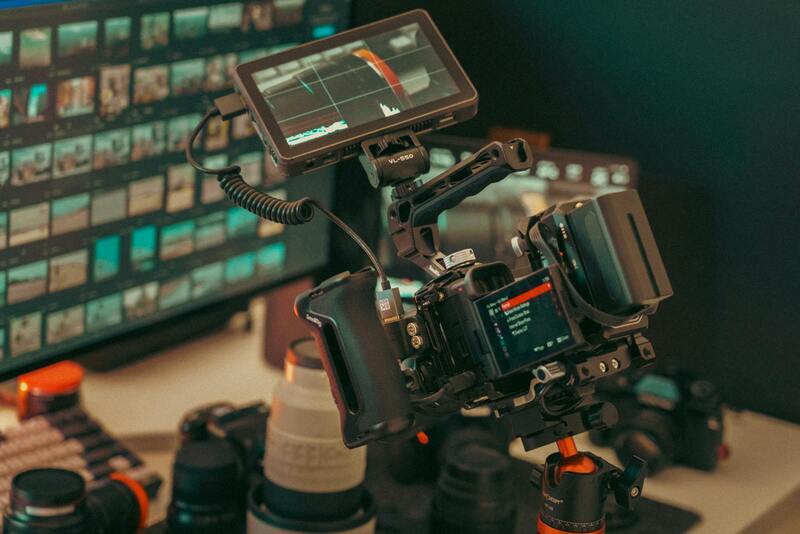
Beyond equipment, mastery of filming techniques such as dynamic camera movements, strategic framing, and lighting control plays a pivotal role. Techniques like panning, tilting, and tracking shots add cinematic flair and help convey the event's emotional tone. Color grading during post-production enhances visual consistency, ensuring that the footage looks polished and professionally cohesive.
Creative storytelling is another cornerstone of proficient event cinematography. Skilled cinematographers anticipate key moments, such as emotional speeches, impactful performances, or spontaneous interactions, capturing these with precision and artistic sensibility. Their ability to adapt swiftly to unexpected changes on-site ensures no vital detail is missed, preserving the authenticity of the event’s narrative.
Investing in top-tier event cinematography yields comprehensive visual content that extends the life and reach of an occasion. From promotional videos that boost future attendance to record-keeping that commemorates milestone moments, the benefits are multifaceted. As the appetite for dynamic event coverage increases, the value of partnering with professionals who possess both technical expertise and artistic vision continues to grow. Their capacity to seamlessly work within various environments, employing specialized equipment and techniques, sets distinguished cinematographers apart in this competitive field.
Understanding Event Cinematography
Event cinematography is a specialized branch of videography that requires a keen eye for storytelling, technical proficiency, and adaptability to capture the essence of live occasions. It involves more than simply recording footage; it is about creating a visual narrative that resonates with viewers and preserves the significance of the moment. Professional event cinematographers employ a combination of advanced equipment, refined techniques, and artistic vision to deliver compelling videos that serve multiple purposes, from promotional use to personal keepsakes.
Key Elements of Skilled Event Cinematography
- Technical mastery: Operating high-end cameras and accessories to ensure sharp, clear footage.
- Creative framing: Using composition techniques to highlight key moments and emotional beats.
- Lighting control: Adjusting lighting setups to optimize visibility and aesthetic appeal in various settings.
- Adaptability: Responding swiftly to changing circumstances and spontaneous moments during live events.
- Storytelling ability: Anticipating crucial moments to document with artistic sensibility and precision.
These core aspects are supported by strategic planning and collaboration with event organizers, ensuring that every significant detail from the event is captured intentionally to preserve its impact and authenticity.
Creative Techniques That Elevate Event Coverage
To create engaging and cinematic footage, professionals leverage various filming techniques. Dynamic camera movements such as tracking shots, pans, and tilts help convey energy and emotion, making viewers feel as if they are part of the event. Strategic framing guides the audience’s attention toward the most meaningful moments, such as heartfelt speeches or lively performances. Lighting techniques, including natural light utilization and supplemental lighting setups, emphasize focal points and set the mood. During post-production, color grading enhances visual coherence, ensuring the final video is vibrant and polished.
Moreover, the use of multi-camera setups enables coverage from different angles, providing a comprehensive view and adding depth to the narrative. Incorporating slow-motion sequences can emphasize emotional reactions, while timelapse effects might be used to portray extensive event setups or transitions. These styles work together to form a cohesive audiovisual story that captures both the grandeur and intimacy of the occasion.
Balancing Technical Excellence with Artistic Vision
Achieving a harmonious blend of technical quality and creative storytelling differentiates standout event cinematographers. They are adept at choosing the right equipment and employing techniques that suit the unique character of each event. This synergy ensures that the footage not only looks professional but also emotionally compelling, effectively conveying the event's atmosphere and significance. As a result, clients receive content that is both visually impressive and rich in storytelling depth, suitable for a variety of uses, from social media promotions to personal mementos.
Understanding Event Cinematography
Event cinematography involves capturing live moments in a way that preserves the atmosphere, emotion, and essence of an occasion. It requires a blend of technical expertise and creative storytelling to produce a visual record that resonates with viewers long after the event concludes. The cinematographer’s role extends beyond merely recording footage; it includes framing shots to highlight important interactions, managing lighting conditions to ensure visual clarity, and employing camera movements that enhance storytelling. Effective event cinematography aims to evoke the feelings experienced during the event, transforming fleeting moments into lasting memories.
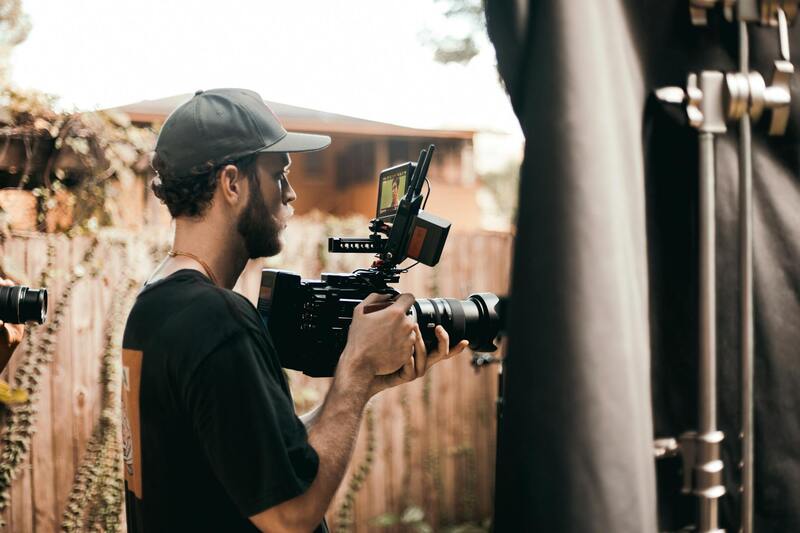
Operationally, event cinematographers must adapt quickly to varying environments, adjusting equipment settings to match different lighting conditions and space constraints. They often work in dynamic environments where spontaneous moments occur, making anticipation and agility vital skills. High-quality audio capture is equally critical, ensuring clear sound for speeches, performances, or candid reactions. Advanced techniques, such as using stabilized rigs and drones, expand creative possibilities, allowing for diverse perspectives that add depth and dimension to the final product.
Types of Events Suitable for Cinematography
Event cinematography is versatile, suited to a broad spectrum of gatherings that benefit from professional coverage. Corporate events, product launches, and conferences require polished videos to enhance branding and marketing efforts. Weddings and private parties benefit from emotional storytelling that captures intimate moments, expressions, and the overall ambiance. Awards ceremonies and galas are elevated through cinematography that emphasizes grandeur and prestige. Artistic events such as performances or festivals also gain from creative filming techniques that highlight their unique character. Each event type demands tailored approaches, ensuring the cinematic output aligns with the event’s purpose and audience expectations.
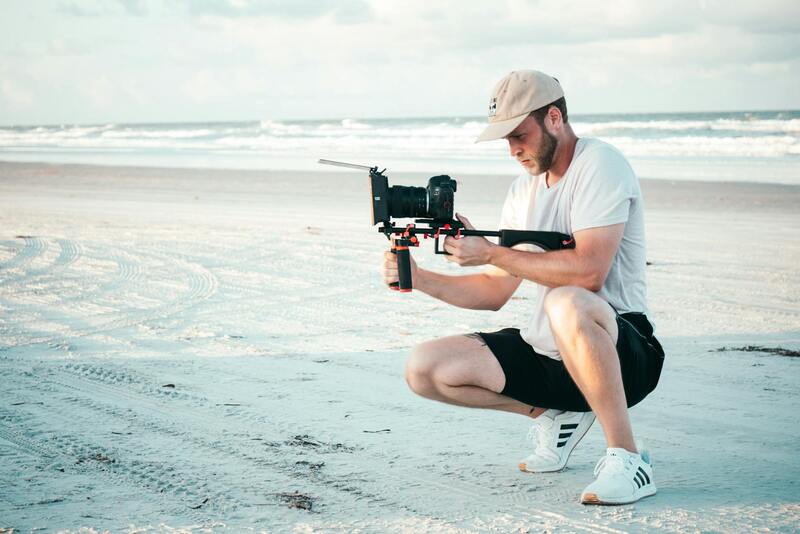
In addition, cultural celebrations, community gatherings, and sporting events are all prime candidates for capturing kinetic energy and vibrant visuals. The goal is to deliver an engaging narrative that underlines the significance of the event, whether it's creating promotional content for future initiatives or curating a heartfelt montage for attendees. Proper planning and understanding of the event’s schedule enable cinematographers to allocate resources effectively, ensuring comprehensive coverage without missing pivotal moments.
Essential Equipment for Event Cinematography
Success in event cinematography hinges on having the right equipment that can adapt to unpredictable environments and diverse shooting scenarios. High-definition cameras with reliable low-light performance are fundamental for capturing clear footage in varying lighting conditions, especially during evening or indoor events. Tripods and gimbals stabilize shots, providing smooth footage whether capturing static scenes or dynamic movements.
Audio equipment, including shotgun microphones and wireless lapel mics, ensures crisp sound quality, which is vital for interviews, speeches, or performances. Durable lighting solutions, such as portable LED panels, help compensate for poor lighting conditions and highlight key moments. Additionally, drones equipped with stabilized cameras offer breathtaking aerial shots, adding a cinematic dimension to the coverage. Multi-camera setups facilitate switching between angles for a more engaging viewer experience, especially during live broadcasts or multi-focal events.
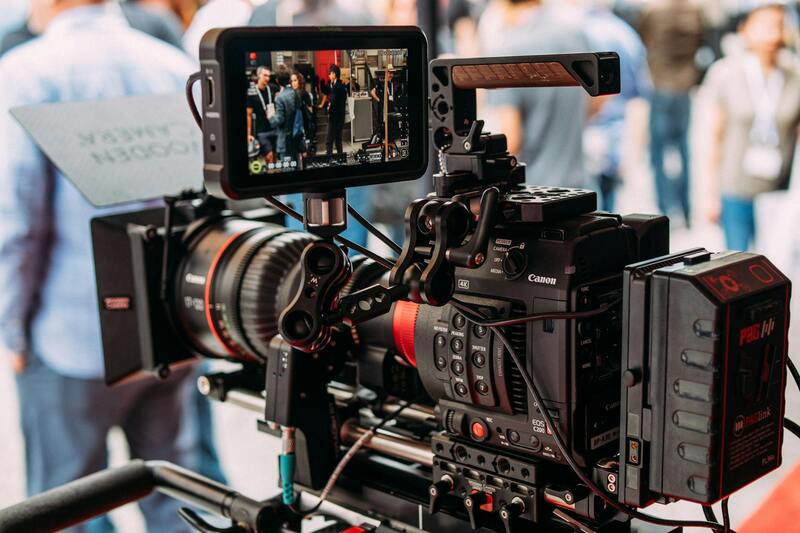
Given the dynamic nature of events, having backup batteries, memory cards, and versatile lens options is critical to avoid disruptions. The use of wireless transmission systems enables real-time monitoring and footage review, facilitating on-the-spot adjustments that enhance the overall quality of the shoot. Integrating these tools ensures that every element of the event is documented with clarity and artistic finesse.
Understanding Event Cinematography
Event cinematography involves capturing live moments in a way that preserves the essence, emotion, and significance of an occasion. Skilled cinematographers employ a combination of artistic sensibility and technical expertise to document everything from grand celebrations and corporate gatherings to intimate ceremonies. They focus on storytelling through visual elements, ensuring that each shot conveys the atmosphere and ambiance of the event. By leveraging dynamic framing and carefully planned shot sequences, event cinematographers create compelling narratives that resonate with viewers long after the event concludes.
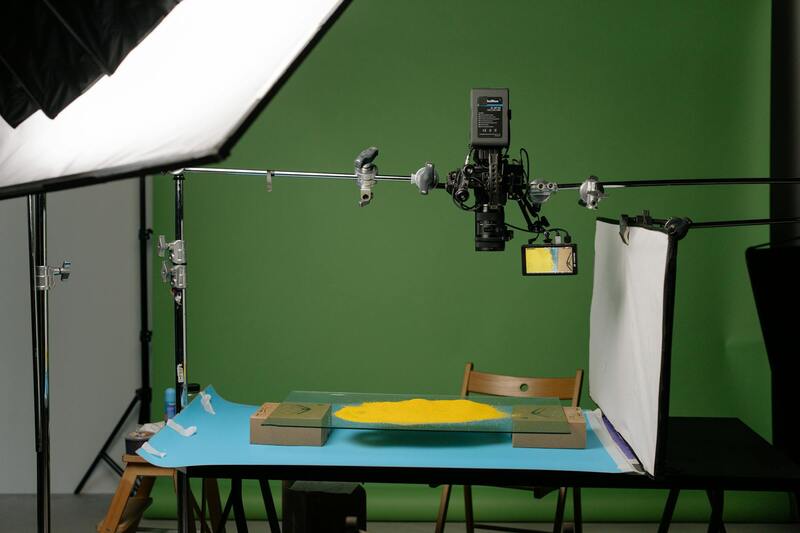
Effective event cinematography demands a nuanced understanding of the event's flow and key moments. It involves capturing candid interactions, orchestrated performances, and spontaneous reactions. This requires a keen eye for detail, adeptness at operating diverse equipment, and the ability to adapt swiftly to changing conditions. Cinematographers often work discreetly, positioning themselves strategically to avoid disrupting the natural flow of the event while ensuring comprehensive coverage from multiple angles. Meticulous planning, including pre-event scouting and shot list preparation, forms the backbone of a successful cinematic recording.
Key Aspects of Event Cinematography
- Storytelling through visual narrative
- Adaptive technical execution
- Effective use of lighting and angles
- Discreet presence and respectful filming
- Post-event editing for cohesive storytelling
Post-production plays a crucial role in transforming raw footage into polished event videos. Colour correction, sound editing, and seamless transitions help highlight the event’s most memorable moments. Incorporating music and titles further enhances the emotional impact, making the footage suitable for sharing across various platforms. Cinematographers often tailor their editing style to match the tone and personality of the event, whether aiming for a lively, heartfelt, or formal aesthetic. The final product should serve as a timeless keepsake that captures the spirit of the occasion with professionalism and finesse.
Legal Considerations in Event Cinematography
Event cinematography involves capturing moments that are often deeply personal or emotionally significant, making adherence to proper protocols and respectful filming practices paramount. While the focus is on delivering high-quality visual content, it is essential to understand and implement legitimate methods for obtaining permissions, managing intellectual property rights, and respecting individual privacy. These practices ensure a smooth production process and uphold the integrity of the content created.
One of the primary steps is securing clear consent from event organizers and participants before filming begins. This can be accomplished through contractual agreements that outline the scope of coverage, usage rights, and distribution channels. These agreements help prevent misunderstandings and establish a professional foundation for the filming activity. When dealing with private events, obtaining explicit permission from key individuals, especially in sensitive moments such as ceremonies or private conversations, demonstrates respect and maintains trust.
Also, it is important to be well-versed in the rights associated with the venue. Some locations have specific regulations regarding filming, which may include restrictions on equipment, flash usage, or the presence of drone footage. Consulting with the venue beforehand ensures compliance and helps in planning camera placements that do not interfere with the event flow.
Regarding the use of drones or specialized equipment, adhering to established operational guidelines and safety standards is vital. Professional operators often work with authorized licenses and certifications that ensure compliance with airspace regulations and safety protocols. This not only guarantees the safety of everyone involved but also maintains the professionalism of the production.
Content rights management forms an integral part of legitimate filmmaking. This involves clearly defining who owns the footage post-production and how it may be used. It is common practice to outline licensing terms, especially if the footage will be shared publicly or included in commercial projects. Having these agreements in place prevents potential disputes and clarifies the responsibilities of all parties involved.
Furthermore, respecting individuals' privacy rights and avoiding intrusive filming methods are crucial. Cinematographers should be discreet, especially in moments that are not meant for public viewing, such as private speeches or personal interactions. Using technical tools like zoom or selective focus can help in capturing essential details without infringing on personal space or causing discomfort.
In today’s digital age, being mindful of data protection and content distribution laws is essential. Secure storage of the raw footage and responsible handling of sensitive material ensure compliance with relevant standards. This approach safeguards both the integrity of the content and the reputations of the cinematographers and clients alike.
Understanding Event Cinematography
Event cinematography is a specialized discipline within professional videography that focuses on capturing the dynamic essence of live occasions through high-quality video recordings. This practice involves a combination of technical skill, artistic vision, and meticulous planning to ensure that the energy, emotions, and key moments of an event are preserved in a visually compelling manner. Whether it's a corporate gathering, wedding, festival, or social celebration, the goal is to create a cinematic narrative that authentically reflects the atmosphere and significance of the occasion.
Effective event cinematography demands a keen understanding of storytelling, camera operation, and lighting techniques. It involves framing the subject matter thoughtfully, selecting appropriate angles, and employing movement that enhances the visual narrative. The cinematographer’s role extends beyond simple recording—it's about crafting a story through images that resonate with viewers long after the event has concluded. This requires a strategic approach that combines technical expertise with creative intuition, ensuring that each shot contributes meaningfully to the overall video.
Given the unpredictable nature of live events, cinematographers must be prepared for diverse scenarios, including challenging lighting conditions and spontaneous moments. Utilizing advanced stabilization equipment and high-definition cameras ensures clarity and smooth footage. Additionally, capturing ambient sounds and integrating them seamlessly with visual content enriches the overall viewing experience, giving audiences a sense of presence and immersion.
Types of Events Suitable for Cinematography
- Weddings and Engagement Parties
- Corporate Conferences and Seminars
- Music Festivals and Concerts
- Sports Events and Competitions
- Charity Galas and Fundraisers
- Private Celebrations and Family Reunions
Each of these event types benefits from tailored filming techniques that highlight their unique qualities. For example, wedding cinematography often emphasizes emotional storytelling, capturing intimate moments and vows, while corporate events may focus on keynote speeches and networking interactions. Understanding the nature and objectives of each event allows cinematographers to adapt their approach, ensuring the final footage aligns with the client’s vision and expectations.
Essential Equipment for Event Cinematography
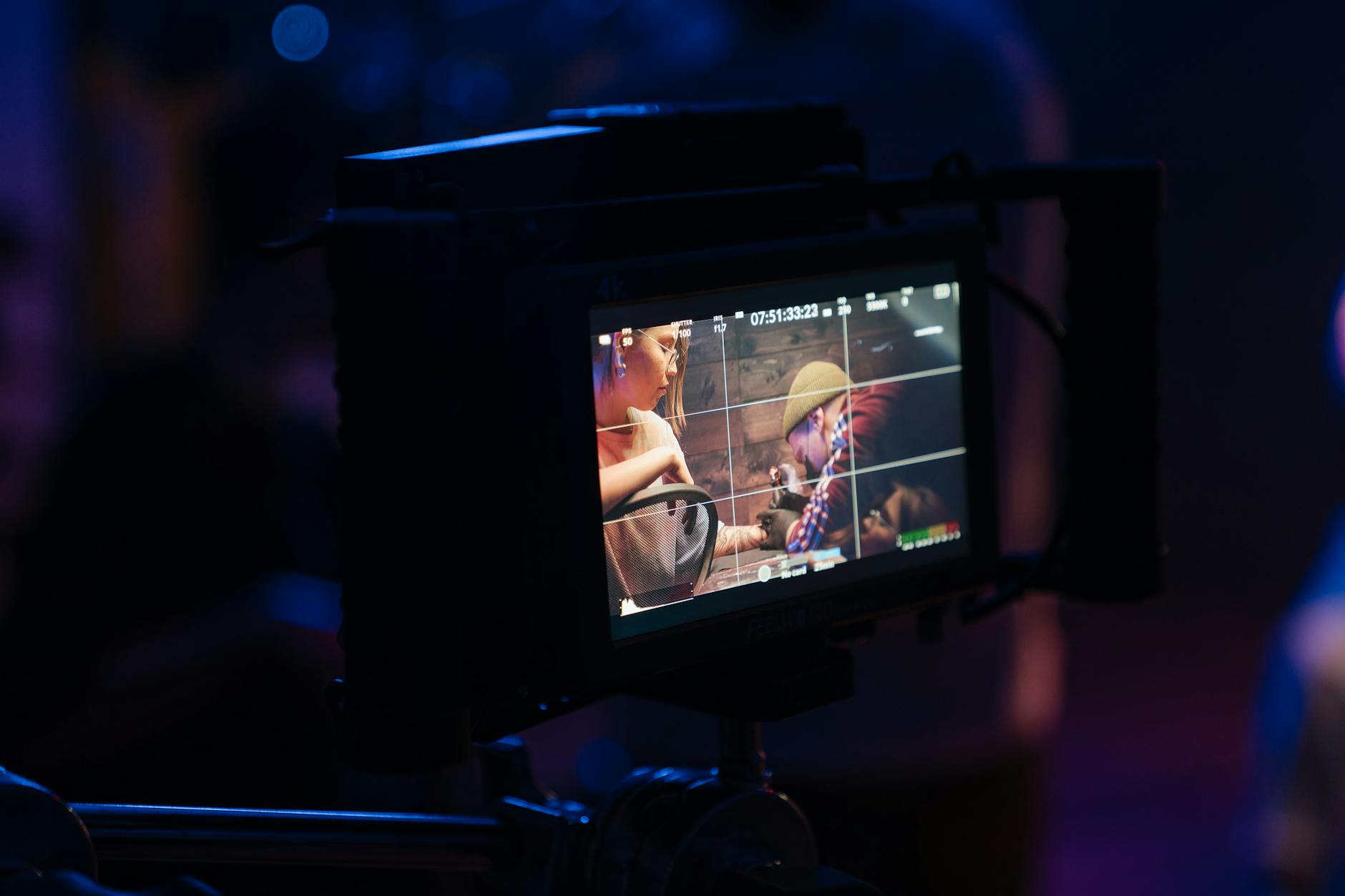
A successful event shoot depends heavily on the use of professional-grade equipment that can handle various shooting conditions. Key gear includes:
- High-definition Cameras with versatile lenses
- Stabilizers and Gimbals for smooth motion shots
- Wireless Microphones and Audio Recorders
- Lighting Kits for low-light environments
- Multiple Batteries and Storage Media
Investing in reliable, high-quality equipment is crucial for capturing footage that meets professional standards. Durable weather protection gear also ensures that outdoor events are documented effectively, regardless of weather changes. Furthermore, advanced post-production tools are essential for editing and refining the footage into a polished final product.
Techniques and Styles in Event Cinematography
Cinematographers employ a variety of techniques to elevate the visual storytelling of events. These include:
- Dynamic Camera Movements: Incorporating pans, tilts, and tracking shots to follow action and add energy.
- Juxtaposition of Wide and Close-up Shots: Balancing establishing shots with intimate details to build emotional impact.
- Creative Use of Lighting: Utilizing natural light, bounce lighting, or specialized equipment to enhance mood and visibility.
- Slow Motion and Time-lapse: Applying these effects to emphasize key moments or provide a sense of progression.
- Color Grading and Corrections: Enhancing mood and visual consistency during post-production.
Adopting a distinctive style that aligns with the event’s purpose and the client’s branding can set the final video apart. Whether favoring a documentary approach or a more polished cinematic look, each style should be applied thoughtfully to serve the storytelling objectives effectively.
Legal Considerations in Event Cinematography
When engaging in event cinematography, understanding and adhering to official protocols is vital to ensure a smooth production process. This involves securing the appropriate permissions and rights necessary for capturing and distributing footage of the event, especially in public or private venues. Procuring explicit consent from event organizers or property owners, along with obtaining any required permits, helps establish a clear framework for operation, preventing potential disruptions during filming.
Additionally, respecting intellectual property rights related to music, visuals, and other copyrighted material is essential. Licensing or rights clearance for soundtrack usage, proprietary content, or branding elements incorporated into the footage safeguards against disputes and unauthorized reproduction issues. Employing licensed music and images, or opting for royalty-free alternatives, is a standard practice in professional event cinematography.
Implementing these measures ensures the integrity of the production process and supports a reputable portfolio. It also demonstrates a commitment to ethical standards, which can significantly enhance client trust and satisfaction. Clear contracts and documentation outlining the scope of work, rights, and usage parameters further reinforce the professional approach to event cinematography.
In some cases, using model releases or attendee waivers becomes necessary, particularly when filming individuals who may be featured prominently in the footage. These legal documents authorize the use of their likenesses for commercial and promotional purposes, preemptively addressing privacy concerns and rights management issues.
Ensuring Equipment Compliance and Safety Protocols
Another critical aspect involves adhering to regulations concerning equipment safety. Strict compliance with venue rules regarding drone operation, lighting, and sound equipment prevents conflicts and safety hazards. Professional cinematographers perform thorough site assessments beforehand, coordinating with venue management to confirm permissible equipment use and operational zones.
Regular equipment inspections and maintenance align with established safety standards, minimizing risks during live filming. This proactive approach not only protects personnel and attendees but also upholds a professional image of the production team, ultimately ensuring that the event documentation proceeds seamlessly and without interruptions.