
Understanding the Importance of Professional Event Photography
Event photography plays a pivotal role in capturing the core moments of various gatherings, from corporate conferences and product launches to social celebrations and community events. High-quality images serve as visual documentation that preserves memories, communicates brand messages, and enhances the overall perception of an event. When executed with skill and precision, professional event photography elevates the significance of these moments, turning fleeting occasions into lasting impressions. Such photography ensures that every detail, expression, and interaction is documented clearly and attractively, creating a comprehensive visual story that resonates with attendees and audiences alike.
Investing in professional event photography influences several key aspects of an event's success. It extends beyond simple documentation to serve as a powerful marketing tool, providing content for social media, websites, and promotional materials. High-resolution images captured by experienced photographers can be used to showcase the event’s atmosphere, highlight key moments, and reinforce branding efforts. Furthermore, quality photos foster a sense of professionalism and credibility, reflecting well on organizers, sponsors, and participants. This visual storytelling capability not only boosts engagement but also aligns with strategic goals such as community outreach and brand awareness.
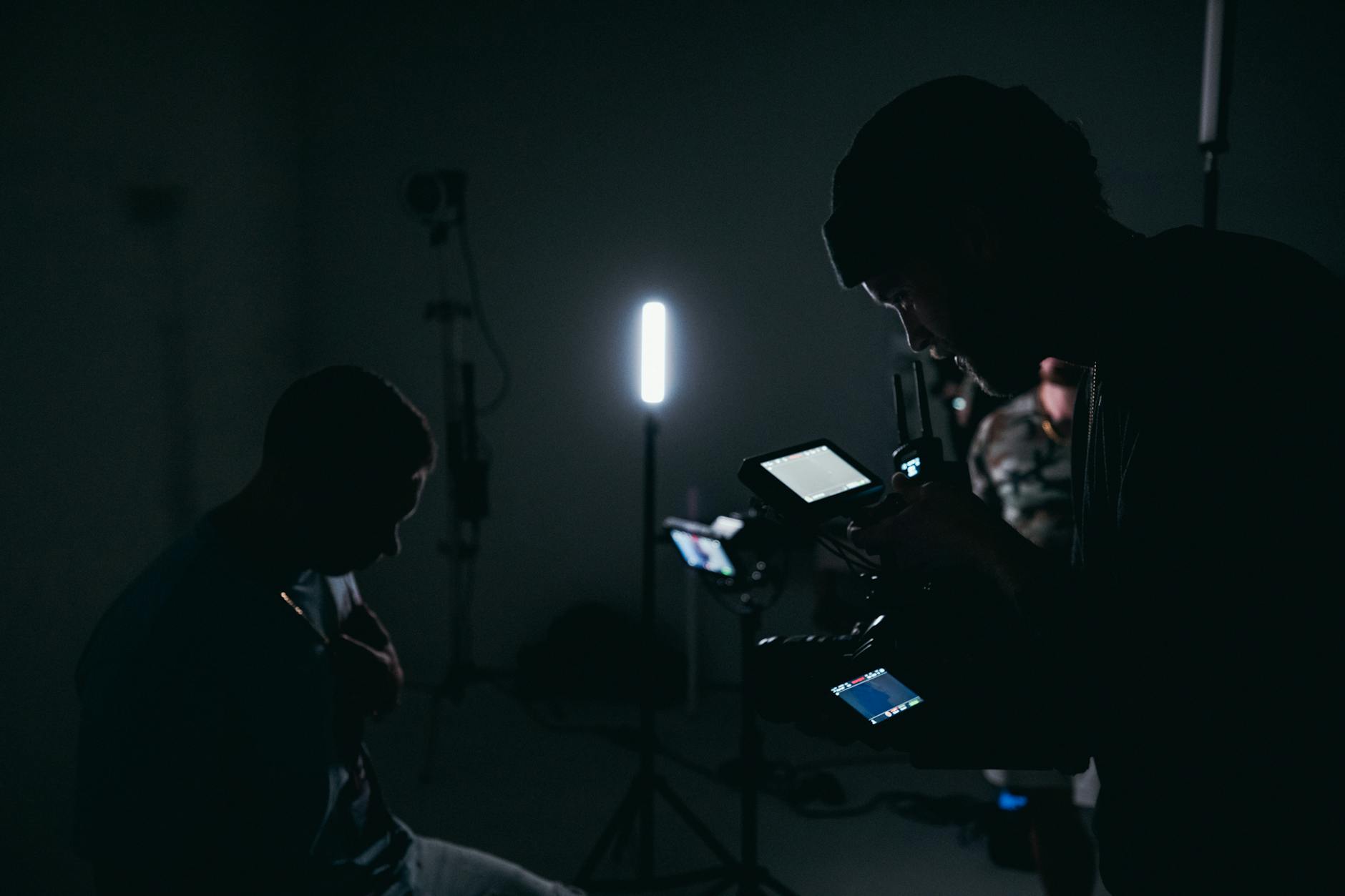
The impact of professional photography extends into the realm of personal and organizational memories. For individuals, it turns special occasions into treasured keepsakes. For businesses, it offers a suite of visual assets to showcase their expertise, culture, and commitment to quality. Precise lighting, thoughtful framing, and a trained eye for capturing emotions are characteristics that distinguish professional photographers from amateurs. Their ability to adapt to various lighting conditions, anticipate candid moments, and organize shoots efficiently ensures that the essence of every event is properly preserved.
In summary, professional event photography is a vital element that maximizes the value of any gathering. It transforms ephemeral moments into tangible assets that bolster branding, commemorate achievements, and foster connections. When selecting a photographer, attention to their portfolio, technical expertise, and understanding of the event's unique needs is indispensable to achieving optimal outcomes.
Types of Events Suitable for Professional Photography
Professional event photography enhances a wide range of occasions, ensuring the preservation of significant moments, enhancing audience engagement, and supporting branding efforts. Different types of events demand specialized skills and equipment, which trained photographers are equipped to handle effectively.
- Corporate Events: From product launches to annual meetings, professional photography captures the essence of corporate initiatives, fostering a strong visual record for future marketing and internal documentation.
- Weddings and Celebrations: Through attentive composition and timing, photographers immortalize emotional exchanges, candid laughter, and the overall atmosphere, creating treasured keepsakes for clients.
- Conferences and Trade Shows: These large-scale gatherings benefit from comprehensive coverage, including keynote speakers, exhibition booths, and networking moments, offering promotional content post-event.
- Social Gatherings and Galas: Community events, charity functions, and gala dinners gain a visual narrative that highlights participation and supports future outreach efforts.
Each event type has its unique requirements in terms of shot selection, lighting conditions, and flow, making the expertise of a professional photographer essential for capturing the true spirit of the occasion.
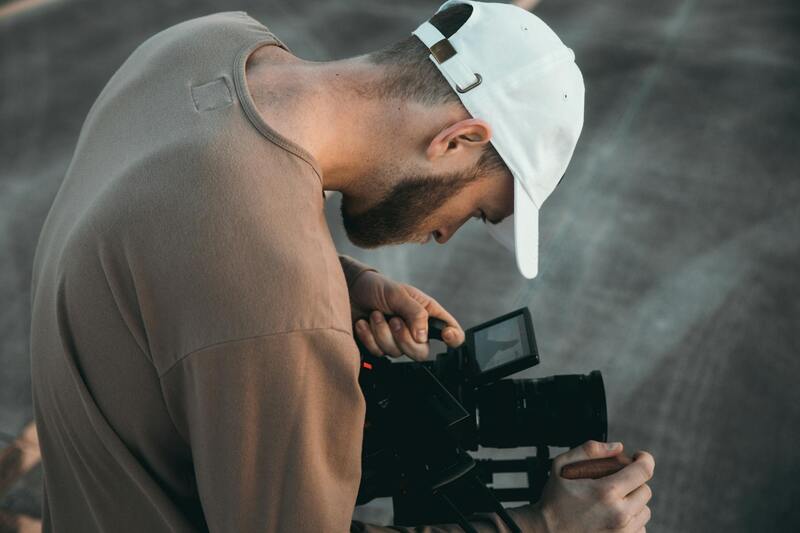
Proven photographers possess the technical prowess to handle different environments, whether it’s a dimly lit banquet hall or a brightly lit outdoor venue. Their ability to adjust camera settings swiftly and utilize auxiliary lighting as needed ensures high-quality images regardless of circumstances. Additionally, experienced photographers understand the importance of candid shots that convey genuine emotions, as well as structured shots that align with the event’s branding and messaging goals.
Key Methods for Ensuring Quality in Event Photography
Adhering to official and established practices, professional photographers follow a series of critical steps to guarantee superior results:
- Pre-Event Planning: Meeting with organizers to understand event objectives, key moments, and branding requirements helps tailor the photographic approach.
- Equipment Preparation: Utilizing high-end cameras, lenses, and lighting equipment to adapt to different settings ensures clarity and sharpness.
- Shot List Development: Creating a comprehensive shot list, including must-have images, to cover essential moments without missing details.
- On-Site Coordination: Collaborating with event staff allows for smooth transitions between different parts of the event and avoids disruptions.
- Post-Processing: Implementing meticulous editing techniques to enhance images while maintaining authenticity, ensuring a polished final product.
These structured methodologies, combined with ongoing commitment to quality, uphold the standards expected of professional event photography. Employing tried-and-true practices guarantees that each event is documented thoroughly, preserving memories and supporting branding goals with precision.
Understanding the Importance of Professional Event Photography
In the realm of event coverage, the role of professional event photography extends beyond simple documentation. It is a strategic investment that ensures every key moment, atmosphere, and brand message is captured with clarity and authenticity. Through meticulous planning, technical expertise, and a keen eye for detail, professional photographers produce images that resonate with audiences, enhance brand recognition, and create lasting memories.
High-quality event photography is essential for conveying the significance of the occasion. Whether it’s a corporate gathering, a wedding, or a community celebration, images serve as visual testimonials that engage viewers and communicate the event’s essence. Professionals employ a variety of advanced techniques, including optimal lighting setups, precise framing, and the use of specialized equipment, to adapt to diverse environments and lighting conditions. This technical mastery ensures that every shot meets the highest standards of crispness, color accuracy, and emotional impact.
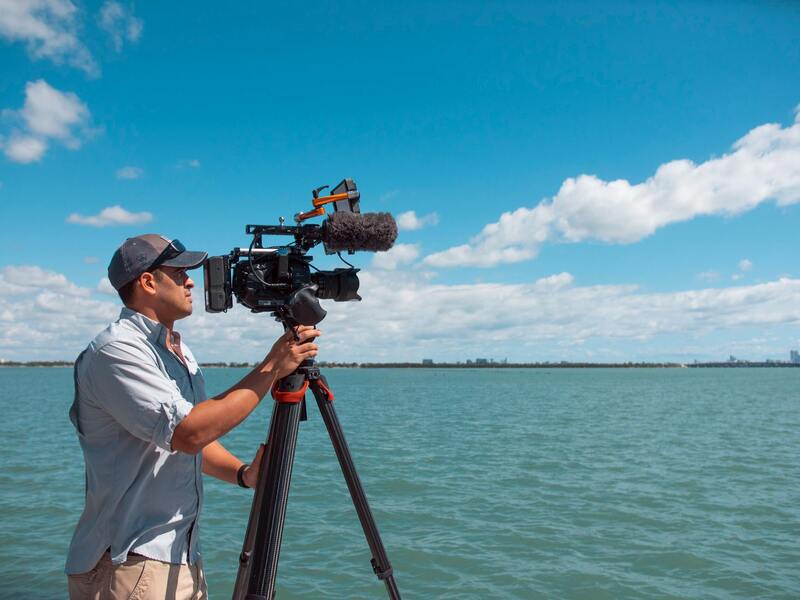
Furthermore, a notable aspect of professional event photography is the ability to balance candid shots with structured compositions. Authentic candid images reveal genuine emotions and spontaneous moments that resonate deeply with viewers, while posed shots help highlight important branding elements and key personalities. This dual approach guarantees a well-rounded portrayal of the event, catering to both emotional appeal and strategic communication goals.
Types of Events Suitable for Professional Photography
Professional event photography is adaptable to a broad range of occasions, each with unique requirements and desired outcomes. Recognizing the different types of events that benefit from expert coverage helps organizers make informed decisions about engaging a photographer.
- Corporate Events: Conferences, seminars, product launches, and award ceremonies require polished images that capture keynote moments, speaker interactions, and audience engagement. Such images are invaluable for marketing, social media, and future promotional materials.
- Weddings and Personal Celebrations: From intimate gatherings to grand ceremonies, a professional photographer ensures that emotional moments, beautifully staged setups, and candid interactions are preserved with authenticity and artistic flair.
- Community and Cultural Events: Festivals, parades, and local celebrations are vibrant occasions that benefit from high-quality imagery portraying the energy, diversity, and significance of the event.
- Charity and Fundraising Events: Documenting these occasions highlights community involvement and success, helping organizations build credibility and attract future support.
- Product and Brand Launches: Capturing the essence of new offerings with dynamic photos that convey innovation and excitement underpins effective marketing campaigns.
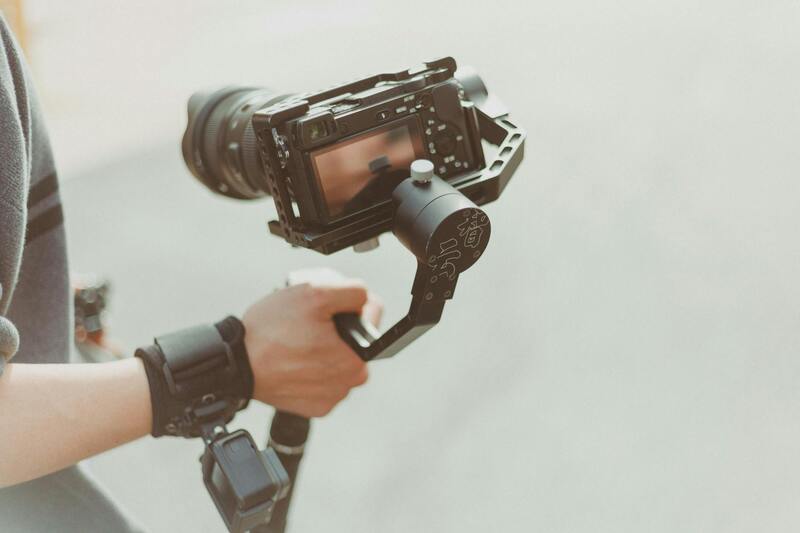
In all instances, the consistent application of industry best practices, from pre-event planning through post-processing, leaves organizers with a comprehensive and high-quality visual portfolio. Such content is not only useful for immediate promotional needs but also forms a valuable archive for future branding and storytelling efforts.
Ensuring Quality Through Effective Communication and Planning
To achieve optimal results with professional event photography, clear communication with your chosen photographer is essential. Discuss your specific requirements, such as key moments to capture, preferred styles, and any particular shots or setups you envision. Providing detailed information about the event schedule, venue layout, and expected attendance helps the photographer prepare accordingly, ensuring they arrive equipped with the right gear and an understanding of the event's flow.
Pre-event planning also involves defining the scope of work—how many hours of coverage are needed, the number of photographers required, and the deliverables expected post-event. Some events may benefit from a comprehensive coverage plan that includes candid shots, group photos, and staged moments. Establishing these details beforehand minimizes surprises and ensures alignment between the client’s vision and the photographer’s execution.
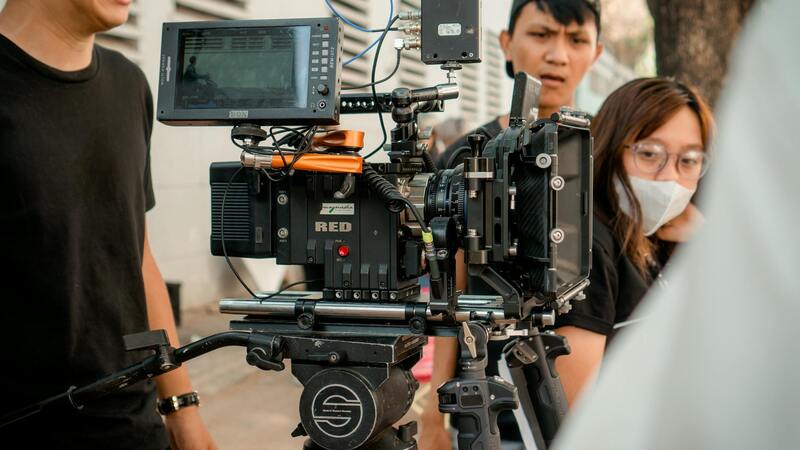
Additionally, providing a timeline of the event ensures the photographer can anticipate critical moments, such as keynote speeches, award presentations, or interactive activities. This proactive approach allows the photographer to position themselves effectively, use appropriate lighting, and select the best angles to produce high-quality images.
Understanding and Securing Necessary Permissions and Privacy Considerations
Prior to the event, it’s important to clarify permissions concerning photography at the venue. Confirm if there are any restrictions regarding flash use, drone photography, or capturing specific areas. Ensuring that all venue policies are adhered to prevents disruptions and potential conflicts during the shoot.
Another crucial aspect involves privacy considerations—obtaining consent from attendees or guests who may prefer not to be photographed. This not only respects individual preferences but also aligns with best practices for image rights management. Clearly communicating the use of photos post-event, such as for marketing or promotional purposes, helps build trust and transparency between organizers and participants.
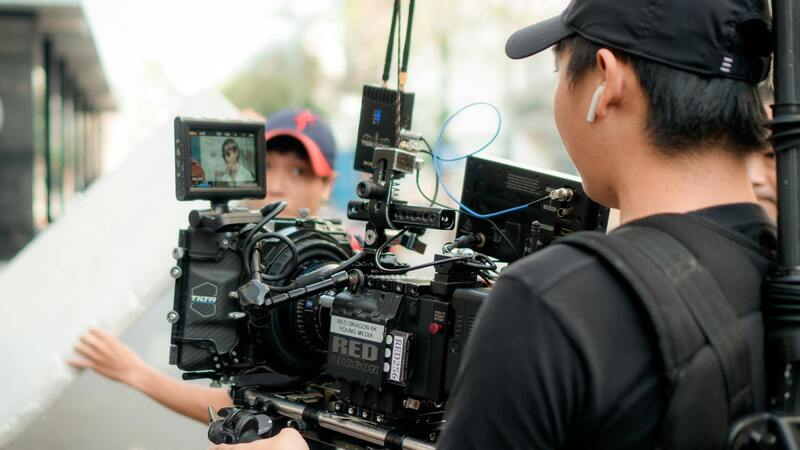
Arranging on-Site Logistics for Smooth Coverage
On the day of the event, coordination with venue staff and event coordinators streamlines the photography process. Clarify designated areas for shots, positions for the photographer, and access points to ensure unobstructed coverage. Familiarizing the photographer with the venue layout and key event locations improves efficiency and shot quality.
Lighting conditions can vary significantly between venues, so planning for additional lighting equipment or reflectors may be necessary. A seasoned event photographer in Miami will conduct a quick site inspection beforehand or arrive early to set up and adapt to the environment. This proactive measure is vital for capturing crisp, well-lit images regardless of ambient lighting challenges.
Post-Event follow-up and Feedback
After the event, maintaining open communication regarding editing preferences and image selection facilitates a smooth delivery process. High-quality professional photographers often provide multiple editing options, including color correction, retouching, and specialized effects, to match your event’s tone and branding.
Providing specific feedback ensures that the final gallery aligns with your expectations. Efficient delivery timelines—ranging from a few days to a couple of weeks—are standard, and many photographers utilize secure online galleries for easy access and download.
Moreover, offering feedback on the photos can help refine future collaborations, ensuring your expectations are consistently met or exceeded. Building a strong relationship with your Miami-based event photographer can lead to more tailored services and an improved overall experience for all your upcoming events.
Assessing Portfolio and Experience
One of the fundamental steps in selecting a professional event photographer is reviewing their portfolio and industry experience. A comprehensive portfolio showcases a range of event types, environments, and photography styles, providing insight into the photographer’s capabilities and versatility. When evaluating portfolios, look for consistency in image quality, attention to detail, and the ability to capture candid moments as well as formal shots. Experienced photographers will often demonstrate a deep understanding of various event settings, from corporate conferences to lively social gatherings, and adapt their techniques accordingly.
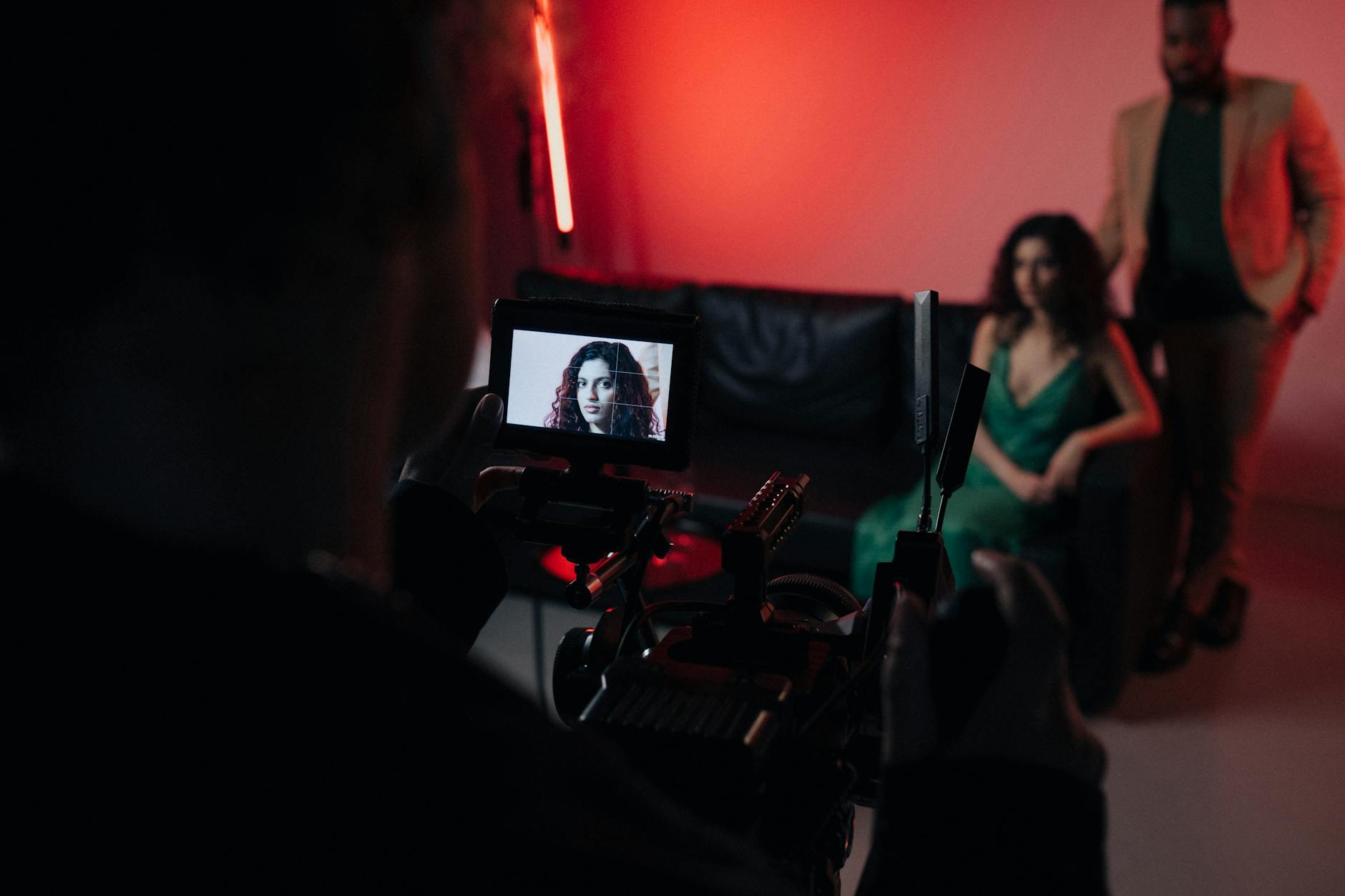
Checking for Relevant Industry Experience
It is equally important to consider the photographer’s experience within the specific industry or event type. For instance, a professional accustomed to working with corporate clients will likely excel at capturing moments during business seminars, product launches, or gala dinners. Conversely, photographers with a background in wedding photography will be adept at framing emotional, candid scenes and group portraits. Ensuring that the photographer has relevant experience helps in achieving natural, impactful images that align with your event’s objectives and branding.
Verifying Technical Skills and Equipment
Technical proficiency and access to high-quality gear significantly influence the final output. Professional event photographers should utilize advanced camera bodies, lenses suitable for various lighting conditions, and supplementary equipment like portable lighting and reflectors to adapt on-site. Their familiarity with different settings ensures they can quickly adjust to unforeseen challenges, such as fluctuating light or space constraints. Additionally, a portfolio that demonstrates well-composed, sharp images—even in challenging environments—is indicative of technical expertise.
Understanding Client Needs and Communication
Clear communication is vital in aligning the photographer’s approach with your expectations. During initial consultations, a proficient photographer listens carefully to your concerns, preferred shot list, and the key moments you want captured. They should also provide guidance on optimal timing, positioning, and shot priorities. Effective communication ensures that both parties are on the same page, minimizing misunderstandings and delivering images that truly reflect the essence of your event.
Evaluating Testimonials and References
Testimonials and references from previous clients offer valuable insights into the photographer’s professionalism, punctuality, and ability to deliver consistent results. Reach out for firsthand accounts regarding their responsiveness, editing process, and overall client satisfaction. Positive reviews often highlight a photographer’s adaptability, creativity, and dedication to capturing the unique spirit of each event. Leveraging this feedback can be instrumental in making an informed decision tailored to your specific requirements.
Requesting a Portfolio and Reviewing Past Work
Before finalizing your choice of a professional event photographer in Miami, it is crucial to thoroughly review their portfolio. A comprehensive portfolio provides clear insight into their range of skills, artistic style, and consistency in delivering high-quality images across various types of events. Pay attention to the diversity of shots, including candid moments, posed portraits, and details that highlight the atmosphere. A well-curated portfolio should also showcase images captured in different lighting conditions and environments, demonstrating the photographer’s ability to adapt and maintain technical excellence.
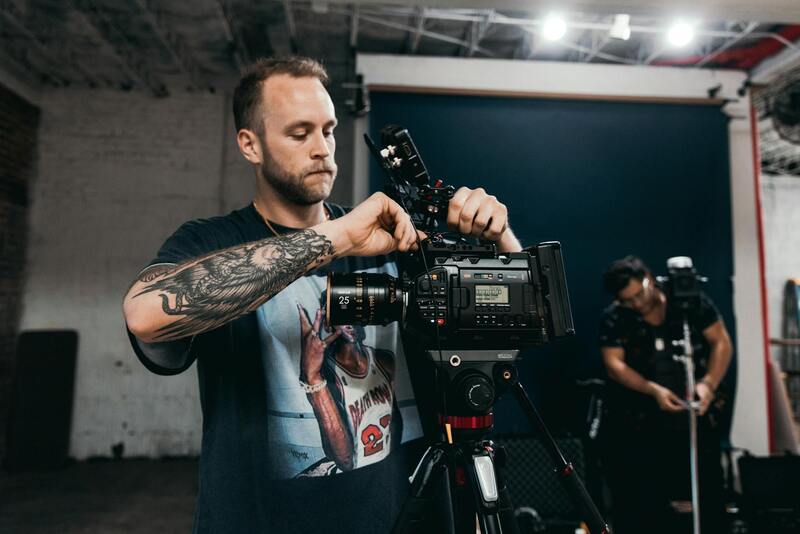
When reviewing the work, consider the photographer’s use of composition, color balance, and sharpness. Consistency in delivering vibrant, well-exposed images signifies a strong command of camera settings and post-production techniques. Additionally, observe their ability to capture the essence and emotional tone of events, which enhances the storytelling aspect of professional event photography.
In-Depth Consultation and Clarification of Expectations
After narrowing down potential photographers, engaging in detailed discussions is essential. This consultation should cover crucial aspects like the event schedule, key moments, specific shots you desire, and any restrictions or preferences. A skilled photographer will ask insightful questions to understand your vision and suggest ideas to enhance the visual narrative.
Effective communication during this phase helps establish mutual expectations and ensures their approach aligns with your event goals. Clarify the number of photographers needed, preferred angles, and any special requirements such as drone photography or capturing behind-the-scenes moments. This collaborative process fosters a shared understanding, resulting in images that genuinely reflect the spirit of your event.
Reviewing Contract Terms and Service Inclusions
Approaching the booking phase involves scrutinizing the service agreement thoroughly. Confirm the scope of coverage, including start and end times, number of photographers, and specific deliverables. Pay close attention to the details surrounding editing, retouching, and the timeline for image delivery.
Additional elements such as rights to images, usage restrictions, and options for physical prints or albums should also be clarified. A comprehensive contract provides protection and clarity for both parties, minimizing potential misunderstandings. Ensuring all terms are explicitly outlined helps secure a smooth, professional collaboration culminating in high-quality visual documentation of your event.
Implementing a Robust Verification Process for Event Photographers
Securing top-tier professional event photography begins with a meticulous verification process to ensure you select an experienced and trustworthy photographer or agency. This process involves multiple strategic steps designed to assess competence, reliability, and compatibility with your event needs.
One of the most effective methods is to request and review a comprehensive portfolio that showcases previous work across various event types. This visual evidence provides insight into their style, technical skills, and ability to capture key moments authentically. Pay close attention to the consistency of image quality, creativity, and the photographer’s capacity to adapt to different lighting conditions and environments.
Beyond visual samples, verifying credentials such as professional certifications, industry awards, or memberships in recognized photography organizations can add an extra layer of confidence. These indicators often reflect a commitment to ongoing education and adherence to high standards within the field.
Conduct detailed interviews with potential photographers, focusing on their approach to event coverage, equipment used, and availability on your date. Asking about their experience with similar events — whether corporate, social, or cultural — reveals their familiarity with specific requirements and expected challenges. Inquire about their contingency plans for unforeseen circumstances, showcasing their professionalism and preparedness.
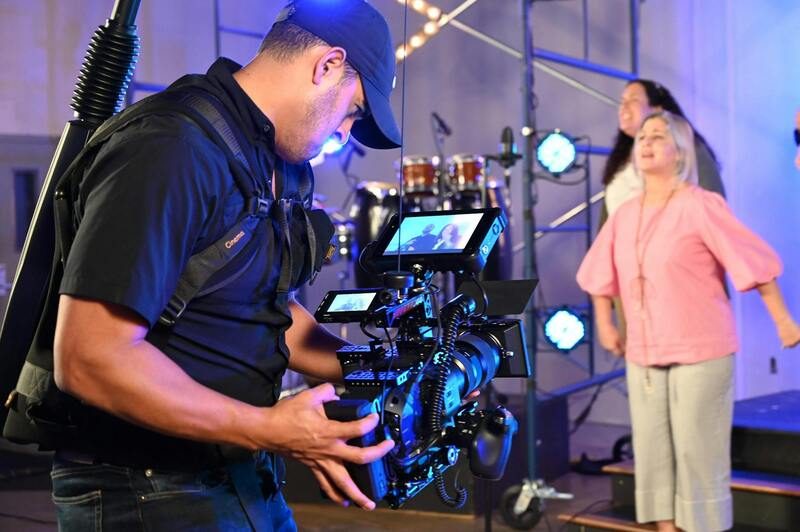
Reading client testimonials and scrutinizing online reviews offers additional insights into the photographer’s reputation and client satisfaction levels. Contact previous clients whenever possible to gather firsthand feedback regarding their professionalism, punctuality, and ability to deliver as promised.
Finally, obtaining detailed references underscores the importance of due diligence. Follow up with these references to verify the quality of work, adherence to deadlines, and overall experience working with the photographer. This comprehensive verification helps ensure your event will be documented by a professional who aligns perfectly with your expectations and standards, resulting in a seamless and high-quality photographic experience.
Final Considerations for Securing Exceptional Event Photography Services in Miami
When planning a successful event, securing the right professional event photography is crucial to capturing the essence and significance of the occasion. Miami, with its vibrant cultural scene and diverse event landscape, offers numerous opportunities to work with highly skilled photographers who understand the nuances of event coverage. To ensure you select a photographer who aligns with your vision, it’s essential to focus on a comprehensive approach that involves careful evaluation, clear communication, and strategic planning.
Establishing Clear Expectations and Requirements
To achieve optimal results, explicitly outline your expectations and the specific moments you want captured during the event. This involves discussing key aspects such as the style of photography—whether candid, formal, or a mix—and identifying particular moments or individuals that require close attention. Communicating these details beforehand helps photographers prepare accordingly, ensuring they arrive equipped with the necessary gear and understand the flow of your event.
Reviewing Portfolio and Past Work
A critical step toward securing professional event photography involves a detailed review of a photographer’s portfolio. This provides insights into their style, versatility, and consistency. Look for imagery that exhibits high technical quality—sharpness, composition, lighting—and that aligns with your aesthetic preferences. A portfolio showcasing diverse event types can demonstrate adaptability, which is especially valuable in Miami’s eclectic scene.
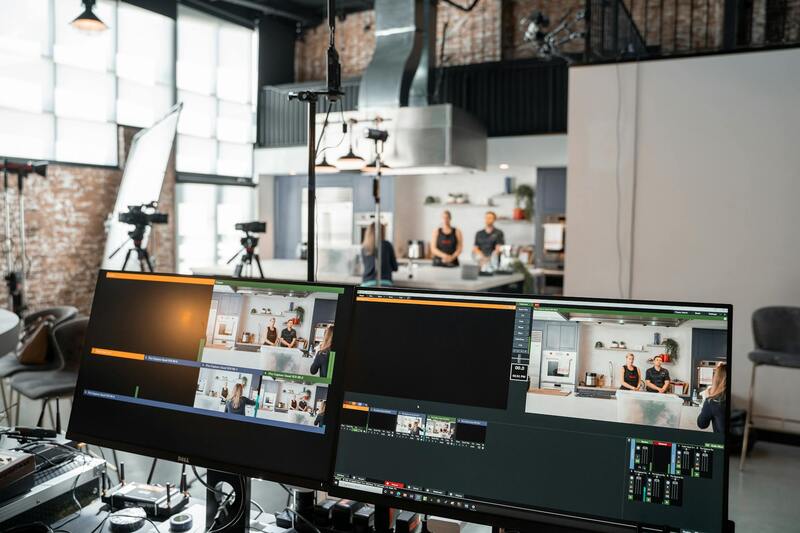
Conducting Informational Meetings
Before finalizing your choice, arrange face-to-face or virtual meetings with potential photographers. These conversations allow you to gauge their professionalism, communication skills, and enthusiasm for your event. During these interactions, discuss logistical details such as arrival times, equipment requirements, backup plans in case of inclement weather, and post-event photo turnaround times. Establishing a good rapport ensures a collaborative and stress-free experience on the day of the event.
Negotiating Terms and Ensuring Contract Clarity
Engage in thorough discussions about pricing, what is included in the package, and any additional costs that may arise. Ensure the contract clearly delineates the scope of work, deliverables, timeline, and rights to the images. It’s advisable to include clauses covering event coverage duration, number of edited photos, and any special requests. Transparency during this phase reduces misunderstandings and guarantees that both parties have aligned expectations.
Verifying Equipment and Backup Resources
A professional photographer’s equipment quality directly impacts the final images. Inquire about the types of cameras, lenses, lighting, and auxiliary gear used to ensure they are equipped to handle various lighting conditions and event settings. Additionally, confirm that the photographer has contingency plans, such as backup cameras and batteries, to prevent disruptions during the event. These measures safeguard your investment and ensure continuous coverage regardless of unforeseen issues.
Assessing Post-Event Support and Delivery
Effective post-production is critical for transforming raw images into polished photographs. Clarify the editing process, including retouching, color correction, and image selection. Discuss delivery formats—digital files, prints, or albums—and timelines for receiving the final images. A reliable photographer or agency provides regular updates and adheres to deadlines, ensuring you receive your photos promptly and in the desired quality.
Leveraging the Benefits of a Miami-Based Production Team
Partnering with a production agency based in Miami presents distinct advantages, including local knowledge of venues, lighting conditions, and logistical considerations. Local professionals are familiar with the city’s unique event spaces and can anticipate challenges specific to Miami, enabling them to adapt quickly and deliver consistently high-quality results. Additionally, working with a nearby team allows for more flexible scheduling and direct communication, translating into a seamless experience from planning to delivery.
Incorporating these strategic practices into your selection process ensures that your event’s photographic documentation is handled by seasoned professionals. Their expertise not only preserves the memories of your special occasion but also elevates the overall impression and lasting impact of your event.