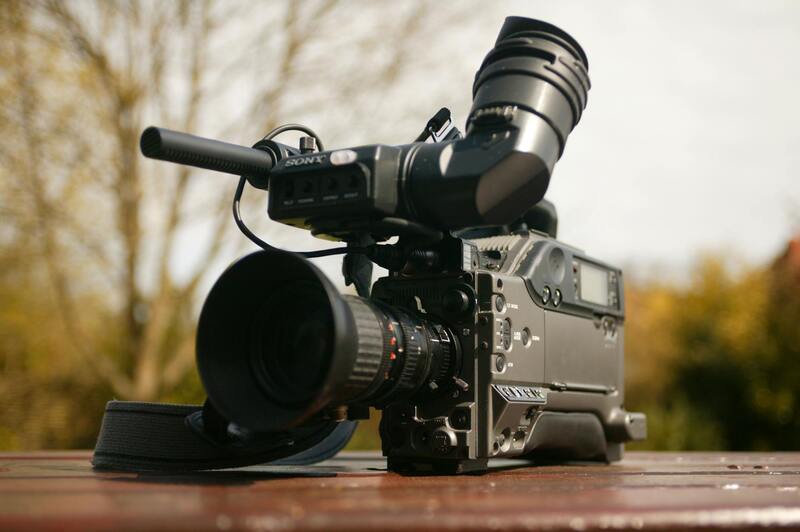
Understanding the Role of an Event Photographer
An event photographer plays a crucial role in immortalizing the memorable moments that unfold during various occasions. Their primary responsibility is to capture authentic emotions, candid interactions, and the overall atmosphere of events such as weddings, corporate gatherings, birthdays, and community celebrations. Unlike casual photography, professional event photography demands a high level of skill and adaptability to different lighting conditions, settings, and subject movements. A dedicated photographer understands the significance of timing and framing, ensuring that each shot reflects the true essence and energy of the event.
Event photographers are not merely hired to take pictures; they serve as visual narrators who tell a story through their images. Their work extends beyond just clicking the shutter snap. They must be attentive to details, discreet in their presence, and capable of capturing both posed moments and spontaneous expressions without disrupting the natural flow of the event. This requires a comprehensive understanding of camera techniques, proper equipment management, and an ability to anticipate key moments before they happen.
In the context of professional event photography, the significance of hiring a dedicated specialist cannot be overstated. They bring expertise in selecting appropriate angles, managing focal points, and adjusting settings to produce high-quality images. Their goal is to deliver a collection of photographs that not only document the event but also evoke emotions and memories long after the occasion has passed. Reliable event photographers also ensure timely delivery of edited images, often providing highlights and full sets that cater to clients’ needs.
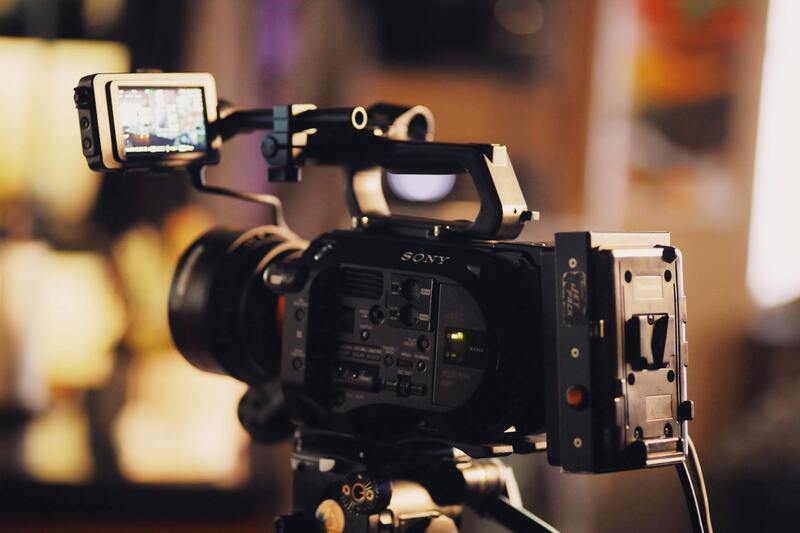
As a result, a professional event photographer becomes an essential component of event planning, offering peace of mind that every pivotal moment is documented with excellence. Their role extends into post-event activities as well, including photo editing, retouching, and archiving images in formats suitable for printing and digital sharing. In essence, selecting a qualified event photographer ensures that the memories of your special occasion are preserved with precision, artistry, and integrity.
Legal Considerations and Contracts with Event Photographers
When engaging a photographer for events, establishing clear legal agreements is crucial to safeguard both parties' interests and set mutual expectations. A comprehensive contract typically outlines the scope of services, including the number of hours, deliverables, and specific photo styles desired. It specifies ownership rights, granting the client access to the images while clarifying how the photographer may use the photographs in portfolios or promotional materials.
Moreover, a well-drafted agreement details payment schedules and cancellation policies, providing clarity in case plans change unexpectedly. This document also addresses confidentiality and model releases, ensuring that both parties agree on how images can be utilized and consent is obtained from individuals featured in the photographs. For events involving minors, additional consent forms from guardians are advisable.
Professional photographers often provide sample contracts or service agreements that adhere to industry standards. These documents help prevent misunderstandings and ensure compliance with relevant regulations governing commercial photography. Verifying that agreements specify timelines for delivering edited images and the process for addressing revisions further promotes transparency.

Engaging in a contractual agreement not only formalizes the working relationship but also enhances trust and communication. It encourages a smooth collaboration that results in high-quality images capturing the essence of your event with professional integrity. When choosing a photographer for your special occasion, reviewing and understanding these legal agreements is a fundamental step towards ensuring a successful photography experience.
Understanding the Role of an Event Photographer
Event photographers serve as visual storytellers, capturing the essence and key moments of various gatherings. Their primary job extends beyond simply taking pictures; they categorize and preserve memories, ensuring that every important detail—from candid interactions to formal portraits—is well documented. Skilled event photographers possess the ability to adapt their shooting style to match the tone of different occasions, whether it's a corporate conference, wedding celebration, or community festival. They utilize their technical expertise to produce high-quality images that reflect the atmosphere, emotions, and significance of the event.
In their role, event photographers are responsible for planning the shoot logistics, understanding event schedules, and coordinating with clients to identify critical moments worth documenting. They bring a comprehensive understanding of lighting conditions, framing, and composition, which enables them to deliver consistently excellent results regardless of venue or lighting scenarios. Furthermore, a proficient event photographer is adept at working discreetly to avoid disrupting the event flow while still capturing spontaneous and authentic moments that truly embody the event's spirit.
Another vital aspect of their role involves post-event editing and delivery. The photographer’s expertise in retouching and color correction ensures that images are polished and visually appealing while maintaining authenticity. They often provide a range of deliverables such as digital galleries, prints, and albums that can be customized to fit the client’s preferences. Across all these responsibilities, professionalism, reliability, and attention to detail are essential qualities that underscore a photographer’s ability to meet expectations and produce memories that last a lifetime.
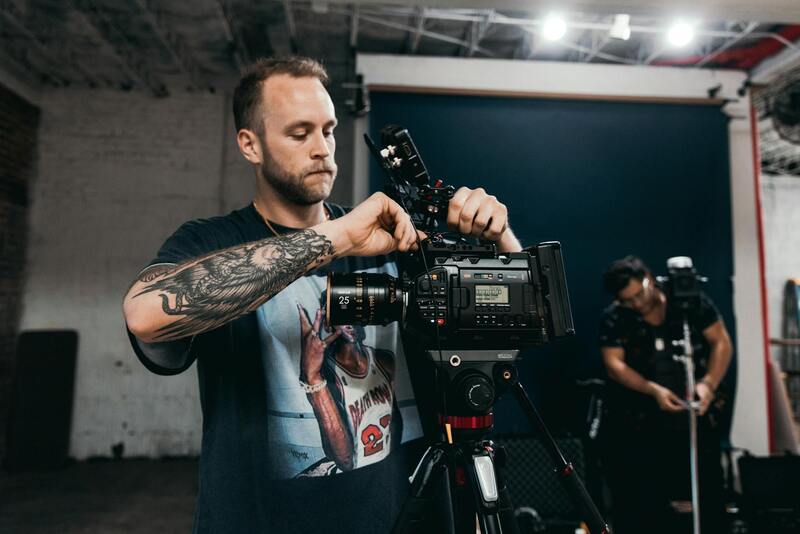
Choosing the right photographer involves understanding their skill set, experience, and the range of services offered. Ensuring clear communication about expectations and deliverables, along with reviewing their portfolio, helps clients assess whether a particular photographer’s style aligns with their vision. Legal and contractual clarity is also paramount to establishing a trustworthy working relationship, which will be discussed further in the relevant sections.
Factors to Consider When Choosing an Event Photographer in Miami
Selecting the ideal photographer for your event in Miami requires careful evaluation of several key factors to ensure your expectations are met with high-quality results. A photographer's understanding of local environments, event types, and logistical arrangements can significantly influence the outcome of your photoshoot. Deep knowledge of Miami's distinctive venues, lighting conditions, and cultural nuances allows professional photographers to adapt their techniques accordingly, providing authentic and vibrant images that capture the true essence of your event.
Reviewing a photographer's portfolio is paramount in gauging their style, creativity, and technical proficiency. Seek examples of similar events they have covered, whether weddings, corporate gatherings, or birthday celebrations, to determine if their visual storytelling aligns with your vision. Additionally, experience plays a critical role; seasoned photographers possess the ability to manage unpredictable scenarios, react swiftly to spontaneous moments, and maintain composure under pressure. Their familiarity with various event formats ensures seamless coverage without missed opportunities.
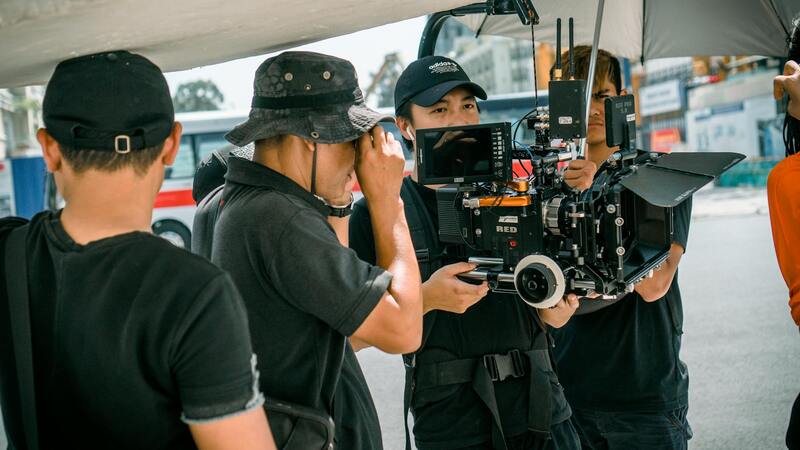
Availability is another crucial consideration—confirming that the photographer can accommodate your event date well in advance helps prevent last-minute consolidations or compromises in quality. Client reviews and testimonials serve as useful indicators of professionalism and reliability; feedback from previous clients provides insights into their working style, punctuality, and ability to deliver on time. Word-of-mouth recommendations and online ratings can supplement your decision-making process, ensuring you choose a photographer who is reputable and trustworthy.
Flexible pricing options and comprehensive packages also warrant thorough consideration. A transparent pricing structure that clearly outlines the services included—such as hours of coverage, number of edited images, and delivery timelines—helps set correct expectations. Some photographers offer customizable packages tailored to specific event needs, enabling clients to select services that best fit their budget and requirements. Comparing these packages across providers ensures you receive value for your investment without sacrificing quality or coverage.
Ultimately, effective communication with prospective photographers is essential. Discussing your event details, vision, and specific requirements early on creates a foundation for a successful collaboration. Clarify deliverables, post-processing expectations, and the scope of the shoot during initial consultations to align your goals. By considering these factors comprehensively, you can make an informed decision that guarantees your Miami event will be documented by a skilled professional dedicated to capturing your most cherished moments.
Legal Considerations and Contracts with Event Photographers
Securing a comprehensive agreement with your chosen event photographer is crucial to ensure clarity and mutual understanding of the services provided. A well-drafted contract acts as a roadmap for the entire photography process, detailing expectations, deliverables, and responsibilities. Clear contractual terms help prevent misunderstandings and establish a professional foundation for the relationship.
Key elements that should be included in the contract encompass the scope of work, hours of coverage, specific deliverables such as the number of edited images, and the formats in which they will be provided. Additionally, the contract should specify the timing for deliverables, the process for reviewing and approving images, and policies for additional edits or retouching. Clarifying these points upfront ensures alignment on project expectations and minimizes potential conflicts.
Payment terms and schedules are another vital aspect to address. It is standard practice to include a deposit requirement to secure the booking, with the remaining balance due upon delivery of the final images. This arrangement protects both parties and promotes timely receipt of services and compensation.
Incorporating clauses related to copyright and usage rights is also essential. Typically, the photographer holds the copyright to the images, but clients often acquire licenses to use and reproduce the photos for personal or promotional purposes. Explicitly stating these rights within the contract prevents disputes and provides clarity on image dissemination.
It’s advisable to review the contract carefully before signing and seek clarification on any ambiguous terms. Some clients opt to have legal counsel review the agreement, especially for high-stakes or large-scale events. This proactive approach ensures all terms are understood and agreed upon, affording peace of mind during your event.
Establishing a thorough, detailed contract with your Miami-based event photographer consolidates a reliable partnership and enhances the overall event experience. It guarantees that your expectations are professionally documented, and all procedural aspects are agreed upon, allowing you to focus on enjoying your special day. Continually maintaining open communication and reviewing contractual obligations helps foster a productive relationship that results in authentic, beautifully captured memories of your event.
Legal Considerations and Contracts with Event Photographers
When engaging an event photographer, establishing clear contractual agreements is essential to ensure mutual understanding and protect both parties' interests. A comprehensive contract typically outlines the scope of services, including the number of hours of coverage, the number of edited images provided, and any additional services such as photo albums or prints. Clarifying these details upfront helps prevent misunderstandings and sets realistic expectations for the final deliverables.
Details about delivery timelines, payment schedules, and cancellation policies are also integral to the contract. It is common to specify a deposit amount that confirms the booking, with the remaining balance due upon receipt of the images. This approach ensures commitment from both sides and promotes transparency throughout the process.
Moreover, contractual clauses related to copyright and usage rights are vital. While photographers typically retain copyright ownership of the images, clients usually acquire licenses to use the photos for personal, promotional, or commercial purposes. Explicitly stating these rights in the contract prevents future disputes over image dissemination and ensures both parties are aligned on how photos may be utilized.
It’s advisable to review the contract thoroughly before signing and involve legal counsel if needed, especially for high-profile or elaborate events. This review process guarantees that all terms are fully understood and agreed upon, fostering a smoother collaboration on the day of the event.
Open communication throughout the planning process is also fundamental. Regular discussions regarding specific shots, preferred styles, and any necessary preparations help ensure the photographer’s approach aligns with the client’s vision. Detailed planning and a well-structured contractual framework create a solid foundation for capturing authentic, memorable moments that reflect the event's significance.
Legal Considerations and Contracts with Event Photographers
Establishing clear contractual agreements is essential when engaging a photographer for events in Miami. A comprehensive contract outlines the scope of work, payment terms, and project timelines, ensuring mutual understanding from the outset.
One of the critical components includes defining rights to the images. Typically, photographers retain copyright ownership, granting clients a license to use the photographs within specified boundaries. This license can encompass personal use, promotional efforts, or commercial endeavors, depending on the event and agreement specifics. Clarifying these rights prevents misunderstandings and sets expectations for image dissemination and usage.
Deposit policies are standard practice in event photography contracts. A common approach involves requesting a deposit to lock in the date and confirm the booking, with the remaining balance payable upon delivery of the final images. This arrangement protects the photographer’s time and ensures commitment from both parties. It is advisable for clients to review cancellation and rescheduling policies within the contract to understand potential penalties or refunds.
Usage rights are equally significant. Explicitly stating where and how photographs can be utilized provides legal clarity, especially for high-profile events or commercial projects. Photographers often specify limitations on editing, sharing, or printing to safeguard their creative work and intellectual property.
Ensuring transparency through detailed contracts fosters a professional relationship that benefits both clients and photographers. It creates a framework for handling unforeseen circumstances, such as delays or additional photography needs, with agreed-upon procedures. Clients should carefully review all contractual terms prior to signing and consider involving legal counsel for high-value or complex events to clarify rights and responsibilities comprehensively.
Legal Considerations and Contracts with Event Photographers
Establishing clear contractual agreements with your chosen event photographer is essential to ensure that both parties have aligned expectations and a mutual understanding of the scope of work. A comprehensive contract typically outlines the specific services provided, including the number of photographs, deliverables, and timeline for image delivery. It also details the payment structure, including deposits, installment schedules, and final payments, providing financial clarity for both parties.
Within the contract, the scope of usage rights for the images is specified, detailing who can use the photographs and in what contexts. This typically includes stipulations regarding commercial use, editing rights, and distribution channels. Having these terms explicitly documented helps in avoiding misunderstandings, particularly in high-profile or high-stakes events where images might be used for promotional purposes.
Cancellation policies and procedures for rescheduling are also integral to the contractual agreement. Conditions under which either party can terminate the agreement, along with any associated penalties or fees, should be clearly articulated. This ensures that both the client and photographer are protected from unforeseen circumstances and can navigate changes efficiently.

Furthermore, clauses related to image delays, unforeseen technical issues, or other disruptions are often included to safeguard interest and facilitate fair resolution mechanisms. These provisions provide a clear pathway for addressing potential conflicts or disagreements, fostering a professional relationship built on mutual trust and transparency.
It is advisable for clients, especially for significant occasions such as weddings or corporate events, to review contractual terms with legal counsel or a professional advisor. Such diligence helps minimize risks and ensures that contractual obligations are comprehensive and aligned with personal or organizational requirements.