
Understanding Event Videography
Event videography is a specialized branch of professional filmmaking focused on capturing significant moments during various types of gatherings. Its primary goal is to document celebrations, corporate functions, personal milestones, and public events with high-quality visuals and sound. Unlike casual recording, event videography involves meticulous planning, technical expertise, and creative storytelling to produce a compelling video memento that resonates with the audience long after the event concludes.
This service typically includes comprehensive coverage of the event, from the initial setup to the final moments, ensuring that every important detail is preserved. Event videographers utilize a range of offerings such as multi-camera setups, live streaming, drone filming, and specialized audio recording. These tools allow for versatile filming angles, dynamic shots, and capturing audio clarity—crucial elements for recounting the event’s atmosphere and emotional significance.
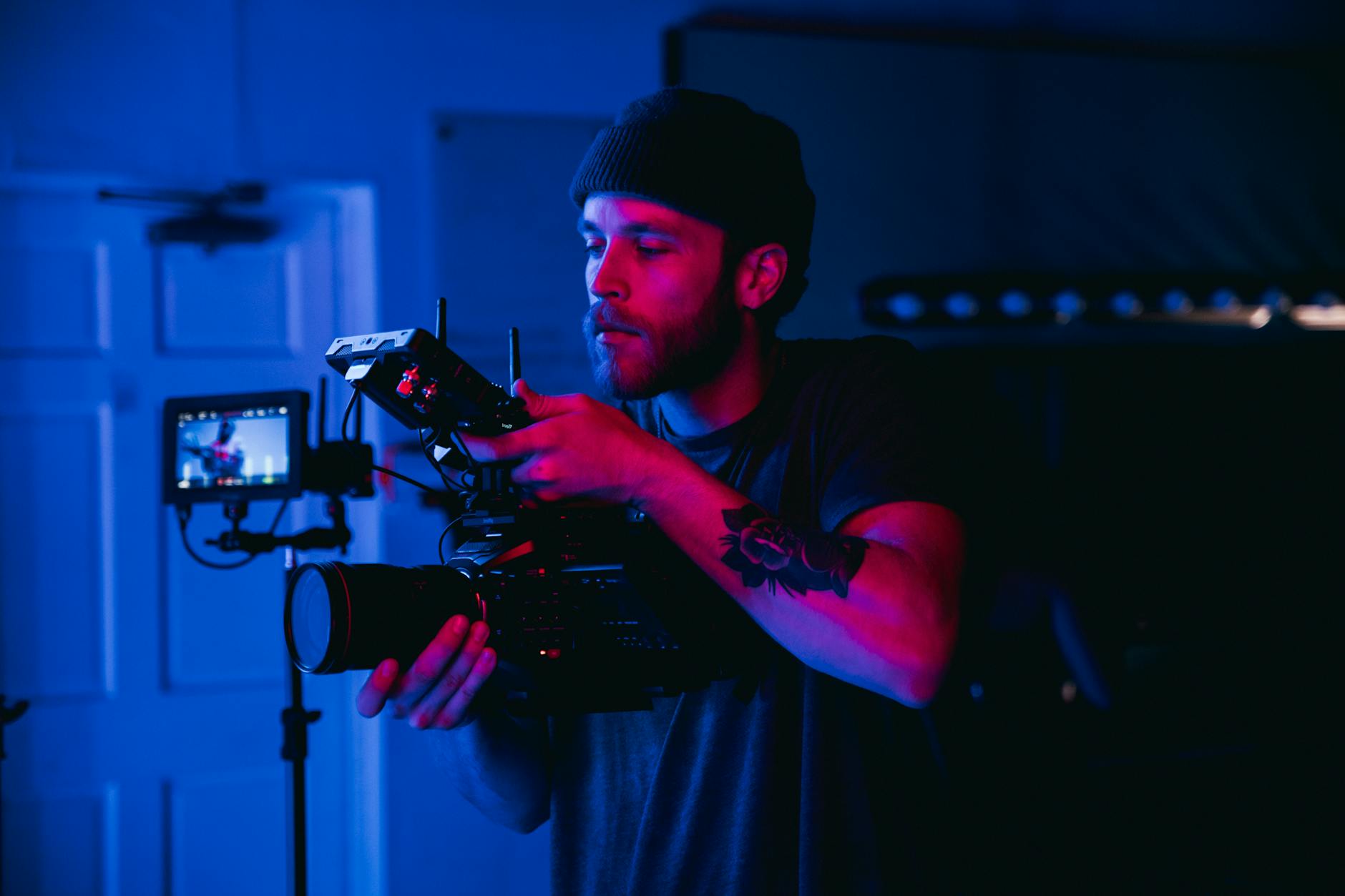
Choosing to record an event through professional videography not only secures lasting memories but also creates an impactful promotional or personal legacy. Whether it’s a wedding, a corporate gala, a concert, or a community gathering, high-quality footage can be shared across digital platforms, used for marketing, or cherished as a keepsake. The importance of event videography lies in its ability to transform fleeting moments into timeless visual stories that evoke emotions and preserve history with authenticity.
Effective event videography relies heavily on understanding the core objectives of each event, anticipating key moments, and employing technical skills to adapt to different environments. Skilled videographers balance documentary-style shooting with artistic framing, ensuring that every essential element of the occasion is captured in a visually appealing and coherent manner. This approach results in videos that not only serve as records but also as engaging narratives that highlight the unique spirit of each event.
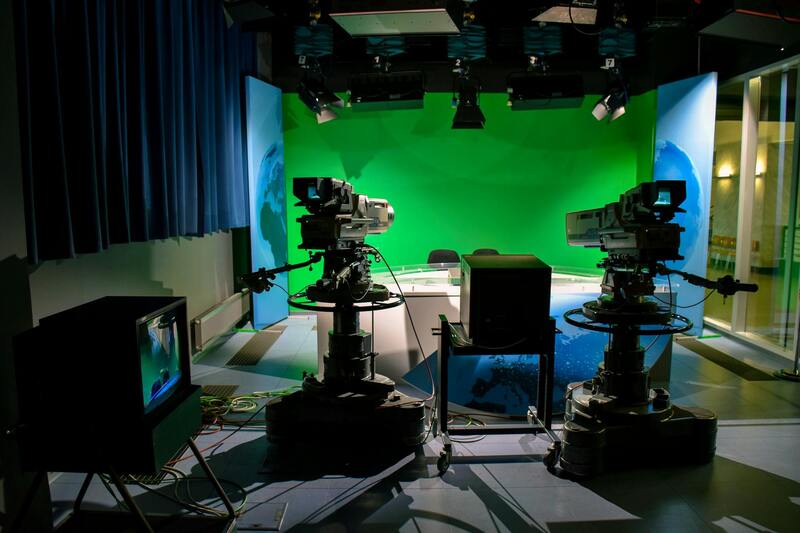
Understanding Event Videography
Event videography requires a combination of technical expertise and creative storytelling to produce compelling visual narratives. It involves meticulous planning, precise filming techniques, and advanced editing processes to ensure that the final footage accurately reflects the atmosphere, emotions, and significance of the occasion.
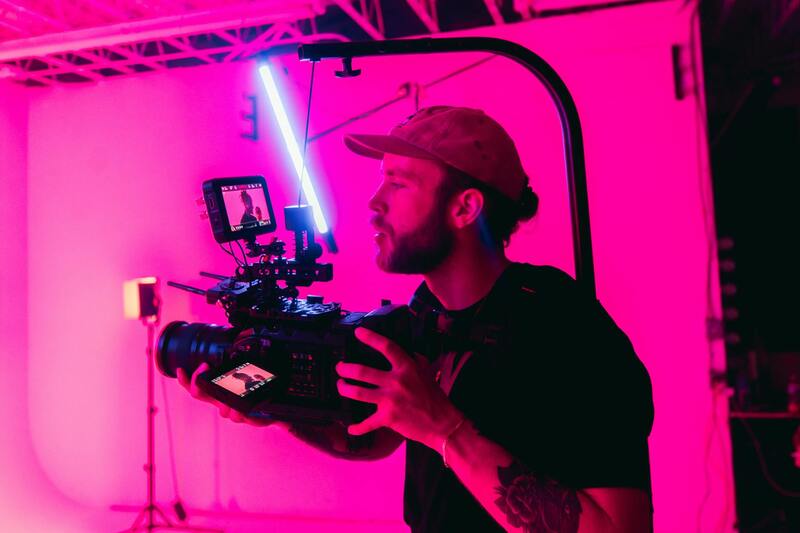
In professional event videography, capturing authentic moments demands an understanding of the event’s flow and identifying the pivotal moments that evoke the most emotion or convey the event’s purpose. Skilled videographers employ a variety of filming techniques, such as steady cams, gimbals, and multiple camera angles, to create a dynamic visual experience. These tools allow for continuous motion and seamless transitions, providing viewers with an immersive viewing experience that feels both comprehensive and engaging.
Beyond recording visuals, high-quality audio capture plays a vital role. Using lavalier microphones, shotgun mics, and ambient sound recording, videographers ensure that speeches, vows, or musical performances are heard clearly, complementing the imagery and preserving the full context of the event. Lighting considerations are also integral; appropriate lighting setups or natural light adjustments help maintain clarity and mood, especially in indoor or low-light environments.
Core Principles of Props and Technique Utilization
- Preparation and Planning: Developing shot lists, understanding key moments, and coordinating with event organizers.
- Coverage Strategy: Balancing wide shots that capture the environment with close-ups that highlight personal interactions or significant details.
- Real-Time Adaptability: Adjusting filming tactics as the event unfolds to capture spontaneous moments or unexpected highlights.
- Consistency and Quality Control: Ensuring continuous footage quality through equipment checks and operator skill mastery.
These core principles facilitate a comprehensive and authentic documentation of the event, capturing not just the visuals but the emotions and energies that make each occasion unique.
Challenges in Event Videography and Their Solutions
- Lighting Variability: Using portable lighting units and ISO adjustments to maintain consistent image quality regardless of lighting conditions.
- Crowd Management: Employing unobtrusive filming techniques and long lenses to avoid disruption while capturing crowded scenes.
- Time Constraints: Efficient setup and quick transitions between shots to maximize coverage within limited timeframes.
- Sound Interference: Utilizing directional microphones and sound barriers to minimize background noise and enhance audio clarity.
Addressing these challenges with expert strategies ensures that every critical aspect of the event is documented with professionalism and precision, resulting in a polished and impactful final product.
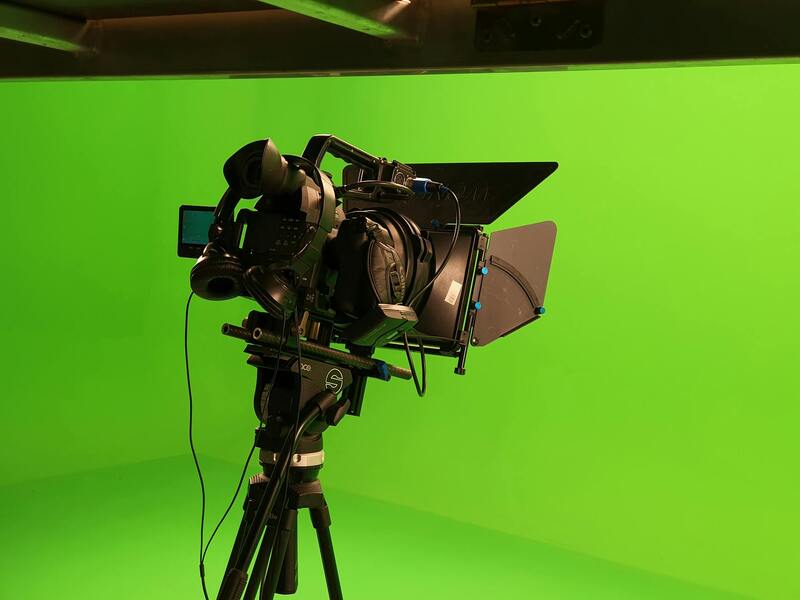
Understanding Event Videography
Effective event videography is anchored in a strategic combination of techniques, equipment, and planning to produce a compelling visual narrative. It involves more than just capturing footage; it requires a keen eye for storytelling, technical skill to adapt to changing conditions, and the ability to work seamlessly within the dynamics of any event setting. Every detail, from lighting and sound to camera angles and shot composition, plays a vital role in creating a polished record that resonates emotionally with viewers.
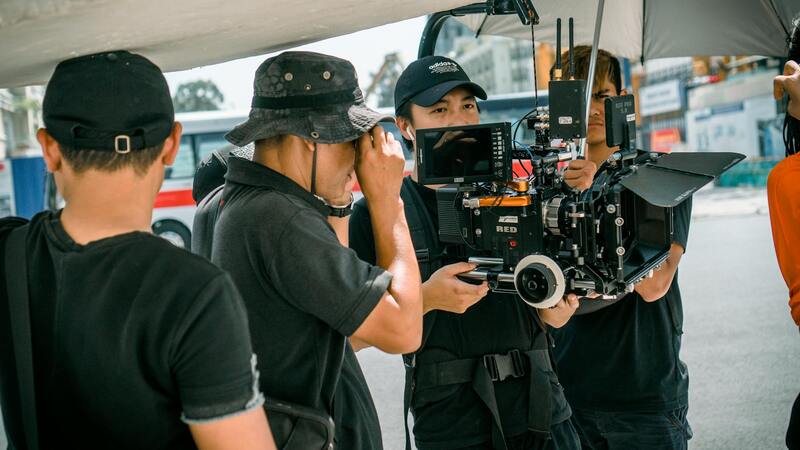
The core of successful event videography lies in meticulous preparation and expert execution. This includes understanding the unique characteristics of each event, identifying key moments worth highlighting, coordinating with event organizers to anticipate pivotal interactions, and designing a coverage strategy that balances the breadth of the scene with the intimacy of personal moments. Skilled videographers constantly monitor the flow of the event, adjusting camera positions and settings on the fly to capture significant, spontaneous moments that define the event's essence.
Types of Events Covered by Videography
Event videography encompasses a broad spectrum of occasions, each with distinct requirements and storytelling opportunities. These include corporate conferences, wedding ceremonies, concerts, charity galas, sporting events, educational seminars, and private celebrations such as anniversaries and birthdays. Understanding the specific nuances of each event type ensures that the videography approach is targeted and effective, ultimately delivering a product that captures the audience’s attention and preserves cherished memories.
For instance, corporate events demand a professional style that emphasizes branding and key speaker highlights, often requiring multi-camera setups to capture different angles of presentations and audience reactions. Wedding videography focuses on emotional storytelling, emphasizing moments like vows, speeches, and candid interactions among guests. Concerts and sporting events benefit from high-frame-rate shooting and advanced audio equipment to convey the energy and atmosphere of live performances. Recognizing these distinctions allows videographers to select appropriate equipment, shooting techniques, and editing styles tailored to each event type.
Technical Precision and Adaptability
In the realm of event videography, technical proficiency extends beyond merely operating equipment. It involves maintaining a high level of awareness about lighting conditions, audio quality, and movement constraints. Successful videographers employ a combination of portable lighting solutions, directional microphones, and stabilization tools such as gimbals and steadicams to ensure smooth footage and clear sound, regardless of environment challenges. They also demonstrate adaptability, quickly adjusting camera settings and angles to changing conditions and spontaneous moments. This ability to remain flexible without disrupting the natural flow of the event ensures that the final video accurately captures the authentic atmosphere and emotional depth of the occasion.
Addressing Common Challenges
Event videographers often contend with unpredictable variables such as fluctuating lighting, crowded scenes, limited timeframes, and background noise. Overcoming these challenges requires expertise and ingenuity. For example, using portable lighting and ISO adjustments helps maintain consistent image clarity in low-light settings. Employing long lenses and discreet filming techniques minimizes disruption during crowded moments. Efficient workflow management ensures quick transitions between shots, maximizing coverage within tight schedules. Directional microphones and sound barriers focus on capturing pristine audio amidst ambient noise, ensuring dialogue and important sound cues are clear. When approached with a strategic mindset, these challenges become opportunities to showcase technical mastery and deliver remarkable content.
Ensuring Legal Compliance in Event Videography
When capturing live events, adherence to official protocols and established best practices is essential for producing professional-grade content. This includes obtaining necessary authorizations, respecting privacy rights, and following industry standards that safeguard the interests of clients and subjects alike. Comprehensive planning prior to the event involves verifying permissions with venue management, securing any required permits, and ensuring that personnel are aware of and comply with local regulations.
Additionally, employing reputable and certified equipment is vital for maintaining high standards. This involves regularly inspecting and calibrating cameras, audio devices, and lighting to meet safety and performance benchmarks. Utilizing professional-grade gear not only improves the quality of footage but also demonstrates a commitment to adhering to industry guidelines.
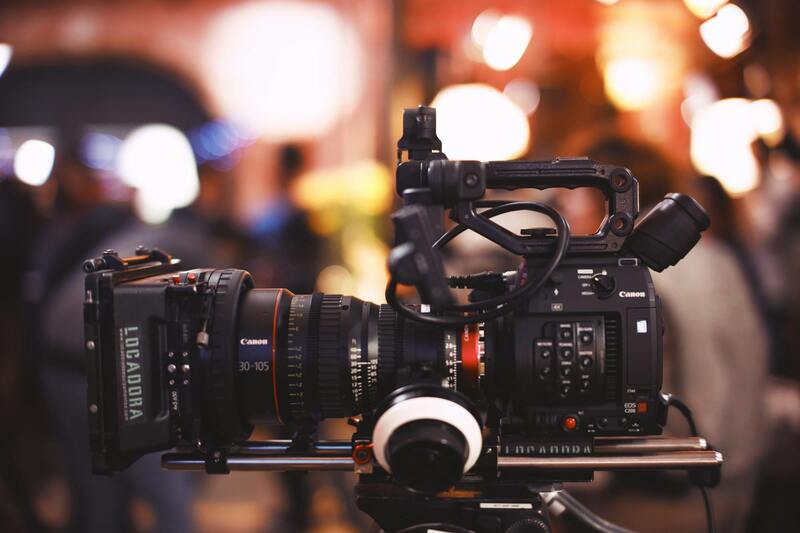
During the event, it is crucial to operate within the scope of the permits and permissions acquired beforehand. This includes respecting designated areas, avoiding interference with event activities, and maintaining a non-intrusive presence. The use of wireless transmission systems, for example, should be managed to prevent disruptions to the event's sound and visual elements.
Post-event, proper documentation of the footage and adherence to data security protocols uphold the integrity of the content. Secure storage solutions, confidential handling of sensitive material, and adherence to data retention policies ensure that the footage remains protected and readily accessible for editing and delivery.
The consistent application of these methodologies illustrates a professional approach grounded in official processes. Clear communication with clients about legal and operational standards, along with the diligent use of certified tools, guarantees that each event videography project is executed with precision, responsibility, and respect for all involved parties.
Understanding Event Videography
Event videography involves more than just capturing moments; it encompasses a comprehensive process of planning, filming, and post-production that ensures the final footage reflects the true essence of an occasion. Professional videographers employ a strategic approach that combines technical skill with artistic vision to produce content suitable for various purposes, such as promotional materials, memories, or archival records. Maintaining high standards begins with meticulous pre-production planning, where clear communication with clients is essential to understand the scope, key moments, and desired style of the final video. This stage includes detailed shot lists, scheduling, and logistics coordination, ensuring that every vital aspect of the event is captured seamlessly.
Types of Events Covered by Videography
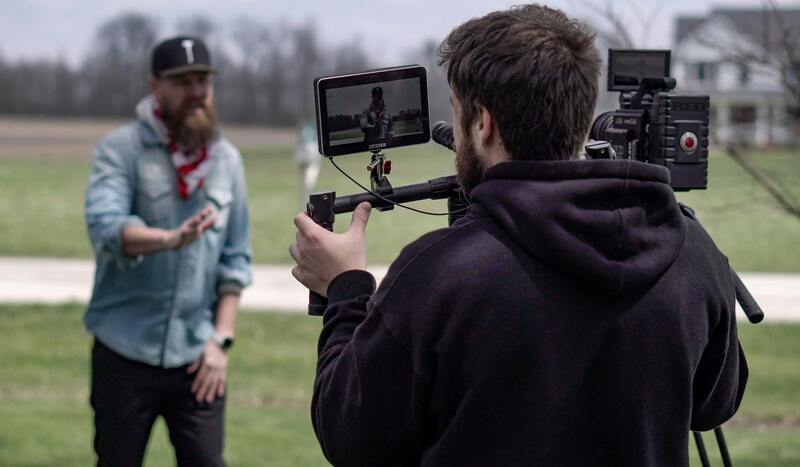
Event videography is versatile and tailored to suit a variety of occasions, each demanding specific techniques and equipment to capture the ambiance effectively. Commonly covered events include:
- Weddings: capturing emotional vows, candid moments, and detailed shots of the venue to preserve timeless memories.
- Corporate Events: documenting conferences, product launches, and company celebrations for internal review or marketing use.
- Live Performances and Concerts: recording performances with multiple camera angles to deliver a dynamic viewing experience.
- Festivals and Community Events: capturing the vibrancy and crowd interactions that define public gatherings.
- Educational Seminars and Workshops: providing comprehensive visual content for future reference and promotional purposes.
Key Equipment and Technology
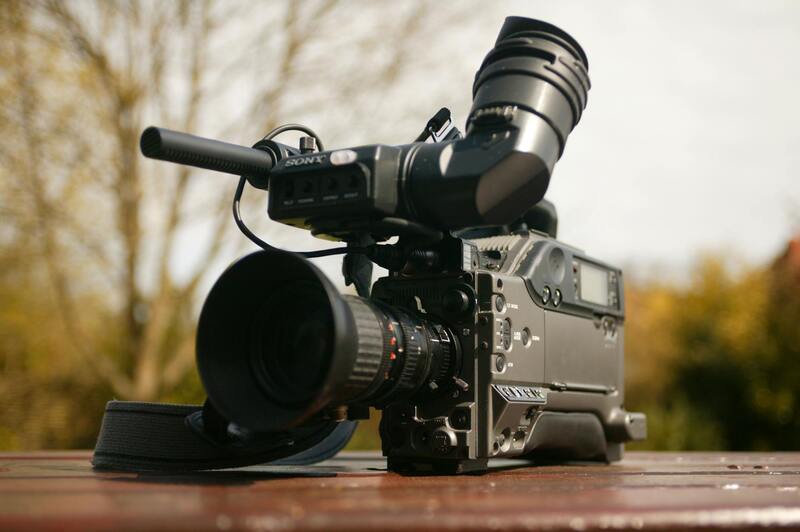
Achieving high-quality footage requires state-of-the-art equipment tailored to the demands of each event. The essential tools include professional-grade cameras capable of shooting in various lighting conditions, stabilized tripods and gimbals for smooth shots, and high-quality microphones to ensure clear audio capture. Modern videographers also utilize wireless transmission systems that allow for unobtrusive operation and multiple camera feeds to be managed simultaneously. Lighting gear is indispensable for indoor or low-light environments, enhancing image clarity while maintaining natural aesthetics. Furthermore, the use of drones for aerial shots has become increasingly popular, providing a unique perspective that enhances the production value of the final video. All equipment must be regularly inspected, calibrated, and operated by trained personnel to guarantee optimal performance and prevent technical issues during live recordings.
Pre-Production Planning for Event Videos
Pre-production is a critical phase that lays the groundwork for successful event coverage. It involves detailed discussions with clients to identify key moments, preferred styles, and any specific requirements. This planning includes creating shot lists, establishing a shooting timetable, and securing necessary permits or permissions. Site surveys are conducted beforehand to familiarize the crew with the environment, lighting conditions, and logistical challenges. This allows for strategic positioning of equipment and personnel to maximize coverage without interfering with event activities. Additionally, pre-production entails technical preparations such as testing equipment, ensuring backup solutions are in place, and coordinating with other vendors or staff involved in the event. Effective pre-production minimizes surprises and ensures a smooth on-site operation, resulting in high-quality footage that is true to the event's atmosphere and significance.
Understanding Event Videography
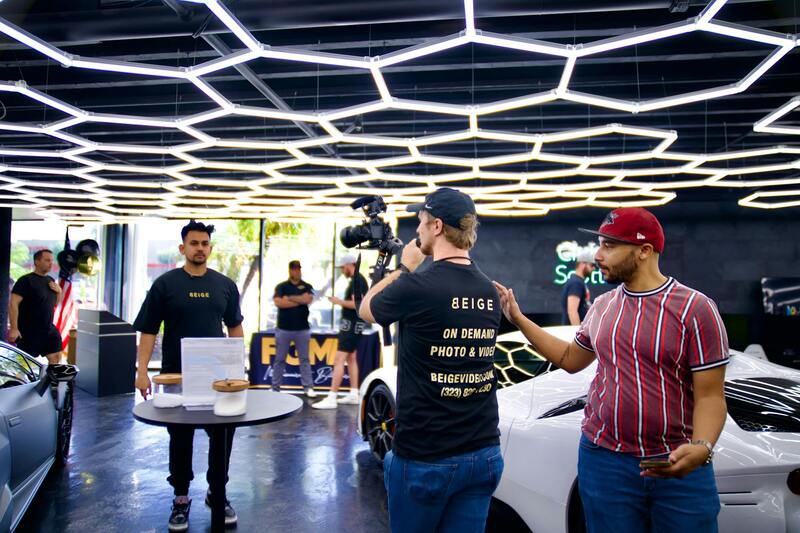
Event videography is a specialized field that captures the essence, emotions, and special moments of various gatherings through professional video recording. This discipline involves meticulous planning, technical expertise, and creative storytelling to produce footage that truly reflects the significance of the occasion. Event videographers utilize a combination of advanced equipment, strategic techniques, and an understanding of the event's context to deliver high-quality visual documentation. The ultimate goal is to craft a timeless record that clients can revisit, share, and cherish for years to come, whether it's a corporate seminar, wedding celebration, or large-scale festival.
Core Principles of Effective Event Videography
- Storytelling: Conveying the event's narrative through strategic shot selection and composition.
- Technical Excellence: Ensuring clarity, stability, and sound quality with top-tier equipment.
- Discretion and professionalism: Working seamlessly within the event environment without disrupting the proceedings.
- Flexibility: Adapting to dynamic situations to capture unforeseen moments.
Benefits of Hiring Professional Event Videographers
Engaging experienced videographers guarantees high-caliber footage that accurately encapsulates the atmosphere of the event. Professionals bring a comprehensive understanding of the nuances involved in different event types, ensuring all key moments are covered with precision. Their familiarity with industry-standard equipment and techniques minimizes the risk of technical mishaps, resulting in a polished final product. Moreover, working with experts allows clients to focus on their event, confident that their visual documentation is entrusted to capable hands. This assurance translates into a seamless experience from pre-production to final delivery, making the investment worthwhile for any event organizer or host.
Choosing the Right Video Style for Your Event
The visual approach taken in event videography should align with the event’s purpose and desired atmosphere. Options include documentary-style filming that captures candid moments and authentic emotions, cinematic techniques that incorporate artistic shots and storytelling elements, or live coverage for real-time broadcasting. Discussing these preferences with the videography team ensures the final footage reflects the event’s mood and your personal or organizational branding. Clear communication regarding style, pacing, and key highlights helps produce a compelling video that resonates with your audience and fulfills your objectives.
Understanding Event Videography
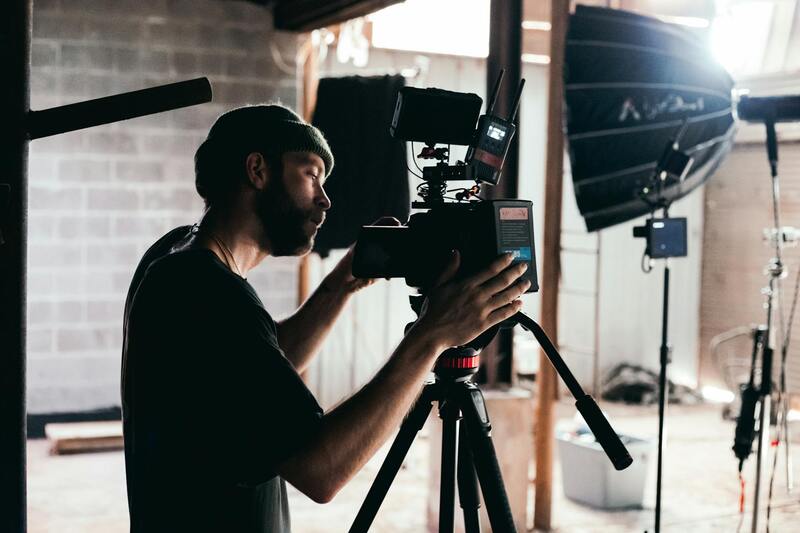
Event videography involves the professional recording of live events to preserve moments, stories, and experiences for future viewing. It requires a strategic approach to capturing key moments while maintaining the flow and atmosphere of the occasion. Skilled videographers combine technical expertise with an artistic eye to create compelling narratives that reflect the essence of the event, whether it’s a wedding, corporate conference, or cultural festival.
The Role of Videographers in Event Documentation
Experienced videographers are adept at adapting to dynamic environments, often working unobtrusively to record candid interactions as well as orchestrated speeches or performances. They utilize a range of techniques to ensure high-quality footage, including strategic framing, smooth camera movements, and precise focus control. Their role extends beyond mere recording; they interpret the event’s mood and significance, translating it into visual stories that resonate with viewers.
Professional Standards and Techniques
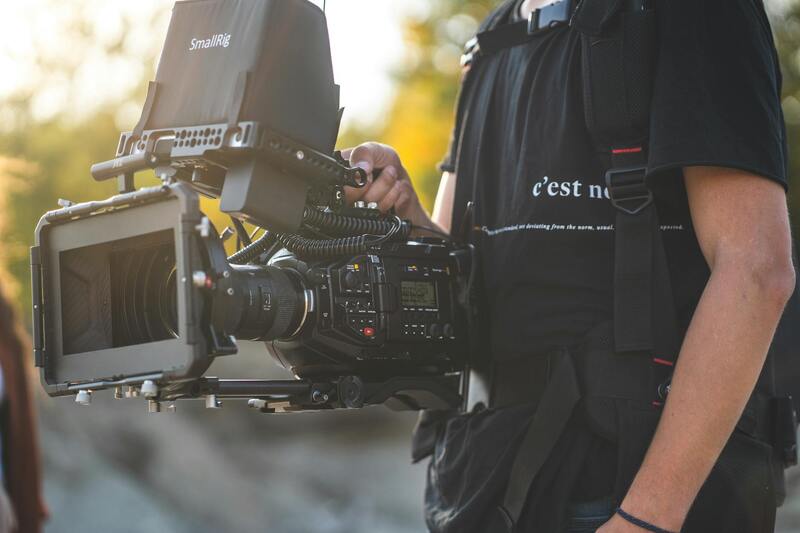
Proficient event videographers are familiar with the latest technological advancements, which helps in delivering sharp, clear, and engaging footage. They employ stabilization tools to prevent shaky visuals, utilize professional-grade microphones to capture crisp audio, and incorporate multiple camera angles for a comprehensive perspective. This mastery helps to produce cohesive videos that highlight all critical moments seamlessly.
Key Considerations for Effective Event Videography
- Understanding the event’s schedule and key moments to ensure comprehensive coverage.
- Coordination with event planners to align technical setups with the event timeline.
- Employing discreet filming techniques to avoid disrupting the natural flow of the event.
- Utilizing backup equipment to prevent data loss or technical failures during crucial moments.
Integration of Technology for Enhanced Visuals
The evolution of video equipment has led to impressive cinematic effects, even in live recording scenarios. 4K resolution cameras, wireless microphones, and live streaming solutions enable videographers to deliver not only high-quality recordings but also real-time broadcasting capabilities. This technology allows for broader audience engagement and instant event sharing, which can amplify the reach and impact of the event.
Importance of a Detailed Shooting Plan
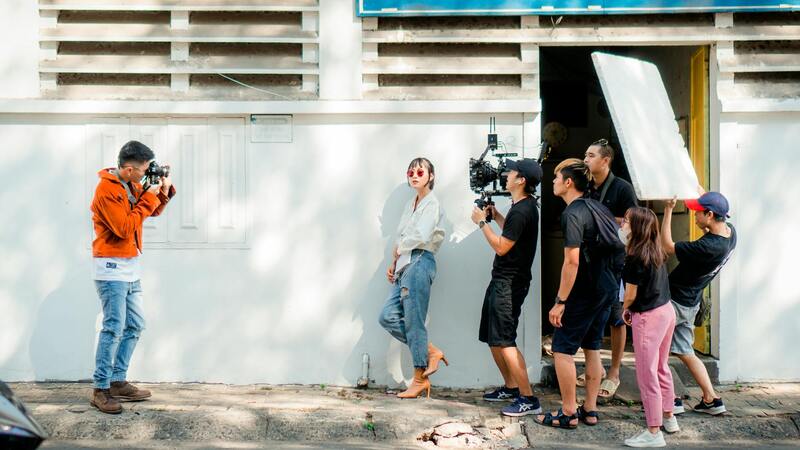
Before the event, videographers develop detailed shot lists and filming strategies tailored to the specific occasion. This includes identifying essential moments like ceremonies, speeches, or performances, as well as candid interactions among attendees. Such planning guarantees that no vital aspect of the event is overlooked and that the final product aligns with the client’s expectations.
Coordination with Other Event Vendors
Effective collaboration with event coordinators, photographers, and technical staff helps synchronize efforts and avoid interference or scheduling conflicts. Clear communication about the event flow allows videographers to position themselves optimally and capture every important detail discreetly yet effectively.
Ensuring Proper Licensing and Permits for Event Videography
Securing the appropriate licensing and permits is fundamental to conducting professional event videography within legal parameters. Local regulations often mandate specific permissions for filming at private or public venues, especially when commercial equipment is used or when live streaming is involved. Obtaining these permits involves detailed application processes that typically include providing proof of liability insurance, a description of the equipment, and a plan for minimizing disruption to the event and the venue.
It is essential to work closely with venue management and local authorities to determine the exact requirements for each location. Some venues might require a filming permit, which ensures that event videographers adhere to specific guidelines regarding equipment placement, lighting, and noise levels. Additionally, permits for drone photography, if used, are also critical to comply with aviation regulations and to avoid interference with other event activities.
Contractual Agreements and Client Consent
Clear contractual agreements serve as legal frameworks that outline the scope of services, rights to the footage, and usage permissions. These contracts should explicitly state that clients have authorized the videographer to record and reproduce images in designated formats and channels. Obtaining written consent from event attendees for capturing their likeness is crucial, especially if imagery will be shared publicly or online.
- Ensure the contract outlines specific rights granted to the videographer regarding footage distribution and editing.
- Discuss privacy considerations with clients, particularly for sensitive or private events.
- Include clauses that specify the use of copyrighted materials, music licensing, and third-party content.
Adhering to Data Protection and Privacy Protocols
Videographers should implement strict data protection measures to safeguard recorded content. This includes secure storage of high-resolution footage, controlled access, and proper handling during post-production. For live broadcasts, relevant protocols should be followed to ensure that sensitive information is not inadvertently exposed or mishandled.
Furthermore, understanding and respecting the privacy expectations of the event hosts and participants is vital. This involves informing attendees about the nature of the recording process and giving them options to opt out if necessary. Proper signage and announcements can help manage privacy considerations without disrupting the event flow.
Utilization of Certified and Accredited Equipment
Using equipment that meets recognized safety standards and certifications enhances the professional integrity of videography services. Certified equipment not only complies with safety guidelines but also ensures high-quality footage, reliable performance, and adherence to technological standards suitable for various event environments.
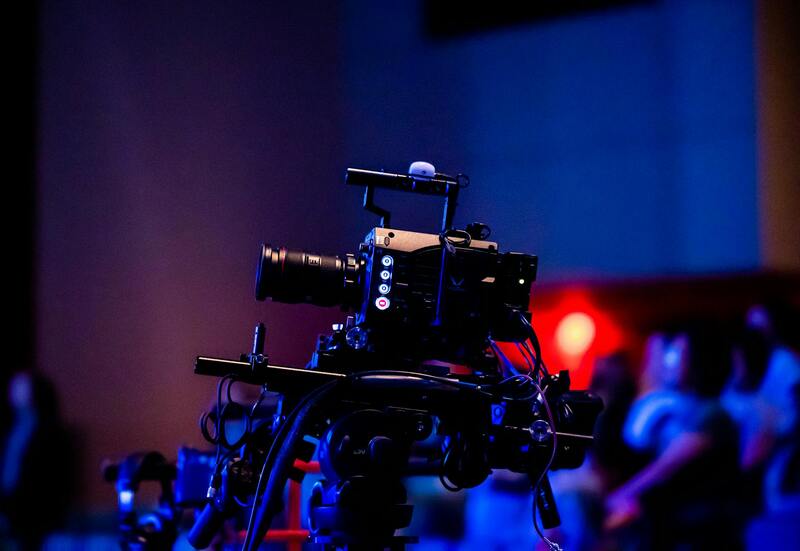
Investing in quality gear such as 4K cameras, stabilized rigs, and professional audio inputs is critical for producing visually compelling content. Regular maintenance, calibration, and compliance with industry standards guarantee that the equipment functions optimally throughout the event, reducing the risks of technical failures.
Summary
Compliance with licensing, permitting, and contractual obligations forms the backbone of reputable event videography practices. By rigorously adhering to these official procedures, videographers can deliver exceptional service while maintaining transparency, accountability, and respect for legal boundaries. Proper planning and strategic execution based on these principles set the foundation for capturing memorable moments seamlessly, ultimately elevating the quality and professionalism of the final product.