
Importance of High-Quality Event Photos
Capturing the vibrancy and energy of events in Miami hinges on the abilities of skilled photographers to produce high-quality event photos. Such images serve as visual stories that encapsulate the atmosphere, moments, and emotions experienced during the event. For event organizers, venues, and attendees, professionally taken photos extend beyond mere documentation; they are essential assets for marketing, promotional activities, and personal remembrance. In a city renowned for its dynamic event scene, every detail—be it the joyful expressions of guests, the impactful decor, or candid interactions—becomes a vital element that can influence future event planning and brand recognition.
High-quality event photos also enhance credibility and prestige. They reflect the time, effort, and creativity invested in the event, which can attract subsequent clients or attendees. In competitive markets like Miami, where a multitude of events happen regularly, having professionally crafted images differentiates an event from the rest. The value lies not just in the images themselves but in the technical proficiency, artistic eye, and strategic approach used to capture each moment with clarity, sharpness, and emotional impact. These photos can be used across digital platforms, print advertisements, and social media to reach wider audiences, ensuring the event’s success endures long after the last guest leaves.
Ultimately, the importance of high-quality event photos in Miami extends beyond simple documentation. They serve as powerful tools for storytelling, branding, and building a legacy that showcases the city's vibrant, culturally rich events. Recognizing this significance underscores the need for professional photography that adheres to high standards—preserving memories with precision and artistic excellence that align with the expectations of discerning clients and audiences.
Types of Event Photos Needed
Events in Miami span a broad spectrum, each requiring specific types of photography to fully capture their essence. These can include candid shots of attendees, detailed images of décor and setup, official portraits, and action shots of performers or speakers. Understanding the variety of event photos needed is crucial for planning a comprehensive visual record that appeals to different marketing and personal needs.
- Candid Shots: Unobtrusive images of guests engaging, networking, or enjoying the event atmosphere. These photos highlight authentic reactions and interactions.
- Group and Individual Portraits: Formal or casual portraits of key participants, organizers, and VIPs, often used for promotional materials or archives.
- Decor and Setup: Images showcasing the thematic elements, table settings, floral arrangements, and stage design, emphasizing the event’s aesthetics.
- Action Shots: Photos capturing performances, speeches, or activities that drive the event’s energy.
- Venue Details: Wide-angle shots of the location, capturing the scale, ambiance, and unique features of Miami’s event spaces.
Choosing the Right Photography Style
Selecting an appropriate photography style is vital to match the event's tone and purpose. Whether formal, documentary, or artistic, the style should align with the client’s vision and the event’s character. For sophisticated corporate gatherings, a polished, posed approach may be ideal. Creative arts festivals may benefit from a more candid, dynamic style that captures spontaneous moments in vibrant detail. The photographer’s ability to adapt style based on the event type ensures authenticity and visual impact, creating images that resonate with the intended audience and serve their strategic goals.
Understanding the Variety of Event Photos to Capture
When planning an effective event photography strategy, it’s essential to identify and prepare for the diverse types of images that will collectively tell the story of the occasion. Each photo category serves a distinct purpose, ensuring a comprehensive visual record that can be utilized for promotional, archival, or personal documentation objectives. By focusing on capturing all relevant aspects, photographers can deliver a complete narrative of the event’s atmosphere, activities, and key moments.
Candid Photography: Authentic Moments and Interactions
Candid shots are unobtrusive images that reveal genuine reactions and spontaneous interactions among attendees. These photos are particularly effective in conveying the authentic energy of an event, whether it’s guests networking, engaging in activities, or enjoying entertainment. Properly capturing candid moments requires observers to blend into the background, allowing natural expressions and interactions to unfold without disruption. The flexibility to shoot in various lighting conditions and environments makes candid photography a versatile tool for creating lively, relatable images that resonate deeply with viewers.
Formal and Posed Portraits
While candid photography emphasizes spontaneity, planned portraits play a crucial role in highlighting key participants, organizers, and VIPs. These images are often designed to project professionalism, confidence, and prestige, making them suitable for promotional materials, press releases, or archival purposes. Proper lighting, background, and posing techniques are essential to produce flattering and impactful portraits. Incorporating group shots ensures that all important personalities are documented collectively, strengthening the event’s narrative and providing valuable content for post-event documentation.
Decor, Setup, and Venue Details
Images that showcase the event’s decor, thematic elements, and venue layout highlight the effort and aesthetic design behind the occasion. Shots of floral arrangements, table settings, stage design, and lighting help convey the event’s atmosphere and branding. Wide-angle views of the space reveal the venue’s scale and ambiance, offering a visual context that enhances storytelling. Capturing these details not only preserves the event’s visual identity but also serves as marketing material for future promotions or references for vendors involved in the setup.
Action and Key Moment Shots
Timing is critical when capturing moments such as speeches, performances, or award ceremonies. These images encapsulate the energy and significance of special parts of the event, often becoming focal points in promotional content or archives. Photographers should anticipate key moments and position themselves strategically to capture expressive reactions, dynamic movements, and emotionally charged interactions. These images evoke a sense of immediacy and excitement that complements other static photos, completing the story of the event’s progression.
Venue and Environmental Photography
Capturing the venue's atmosphere through wide-angle shots helps in illustrating the overall environment and setting. Highlighting Miami’s distinctive event spaces, scenic backdrops, or outdoor areas provides contextual richness that emphasizes location and ambiance. Such visual documentation can serve multiple purposes—from inspiring future events to showcasing the venue’s appeal to prospective clients. These shots should be meticulously composed to convey the venue’s unique features, lighting effects, and spatial design.
Developing a Content-Rich Photo Collection
To create a well-rounded photo collection, event photographers must plan their approach by identifying all key moments, details, and individuals involved. An efficient workflow involves scouting the location beforehand, understanding the schedule of activities, and coordinating with event organizers to anticipate critical moments. Combining candid and posed images with detailed shots yields a diverse portfolio that satisfies various marketing and personal needs, ensuring every significant aspect of the event is visually represented.
Importance of High-Quality Event Photos
Investing in high-quality event photos is essential for capturing the true essence and success of any occasion. Exceptional imagery not only preserves memorable moments but also enhances the event’s overall impact through visual storytelling. In Miami, a vibrant city renowned for its lively atmosphere and picturesque scenery, the quality of event photography can amplify the event's visibility and professional appeal. Well-crafted photos serve multiple functions: they act as enduring souvenirs, promotional assets, and testimonials of your event’s atmosphere and execution. Using top-tier imagery can significantly elevate branding efforts, making your event more appealing to future clients and attendees alike.
Moreover, high-quality event photos are vital for effective marketing campaigns. They help craft compelling content for social media, websites, and promotional materials that attract a broader audience. In the digital age, visual content dominates and plays a critical role in audience engagement. Professional photographs that showcase clarity, vibrant colors, and precise storytelling ensure your event stands out amidst the competition. Additionally, they provide material for press releases, event recaps, and future branding efforts, strengthening your organization’s reputation and visibility in the competitive Miami market.
Types of Event Photos Needed
Comprehensive coverage of an event involves capturing various types of photos that collectively represent the entire experience. These include candid moments, staged portraits, venue details, and environmental shots, each serving a specific purpose in creating a complete visual narrative.
Candid Shots
Candid photographs are spontaneous images capturing authentic emotions and reactions during the event. They document genuine interactions among guests, speakers, or performers, conveying the energy and atmosphere in a natural, unposed manner. These images often tell the most compelling stories and evoke emotional responses from viewers, making them invaluable for promotional materials and archives.
Portraits and Key Participants
Photographing key speakers, organizers, entertainers, and VIP guests in posed or semi-posed settings helps highlight significant moments and individuals. These portraits can be utilized for future marketing, press coverage, or as memorabilia for attendees. Focus on capturing their expressions and interactions to reflect their importance within the event context.
Venue and Environmental Photography
Showcasing the venue’s atmosphere through wide-angle and detail shots fosters a sense of place and highlights the event’s setting. In Miami, capturing scenic outdoor spaces, iconic architecture, or vibrant cityscapes can add exceptional value to the visual story. Precise composition, lighting, and angle choices are critical to emphasize the venue's unique features and ambiance.
Decorative Elements and Details
Focusing on decorative elements, branding signage, and intricate details provides depth and context to the event story. These visuals can highlight design efforts, thematic elements, and personalized touches that contribute to the overall experience.
Developing a Content-Rich Photo Collection
Creating an expansive collection of event photos requires strategic planning and organization. Pre-event scouting allows photographers to familiarize themselves with the venue and identify optimal shooting spots. Establishing a detailed shot list aligned with the event schedule ensures no significant moments are missed. Collaboration with organizers and coordinators helps anticipate key points of action, facilitating smooth coverage.
During the event, balancing candid, posed, and detail shots ensures a diverse and engaging portfolio. Post-event, a structured editing process helps maintain consistency in tone and quality across the collection. Delivering a comprehensive set of images that include highlights, lesser-known details, and behind-the-scenes moments maximizes the collection’s usage for promotional goals or personal keepsakes. A well-curated photo library across different styles and themes offers versatility for future marketing and storytelling endeavors.
Equipment and Technical Considerations
For capturing high-quality event photos, selecting appropriate equipment is fundamental. Professional photographers typically utilize high-resolution digital cameras with full-frame sensors to ensure sharpness, detail, and color accuracy. Lenses play a vital role as well, with versatile zoom lenses (such as 24-70mm) being effective for capturing a variety of compositions from wide venue shots to close-up details.
Lighting equipment, including portable flash units and reflectors, can dramatically influence photo quality in variable lighting conditions commonly found in event spaces. External flashes should be adjusted to balance ambient light, preventing overexposure or harsh shadows. When natural light is sufficient, the photographer must optimize aperture and shutter speed settings to maintain clarity and avoid motion blur.
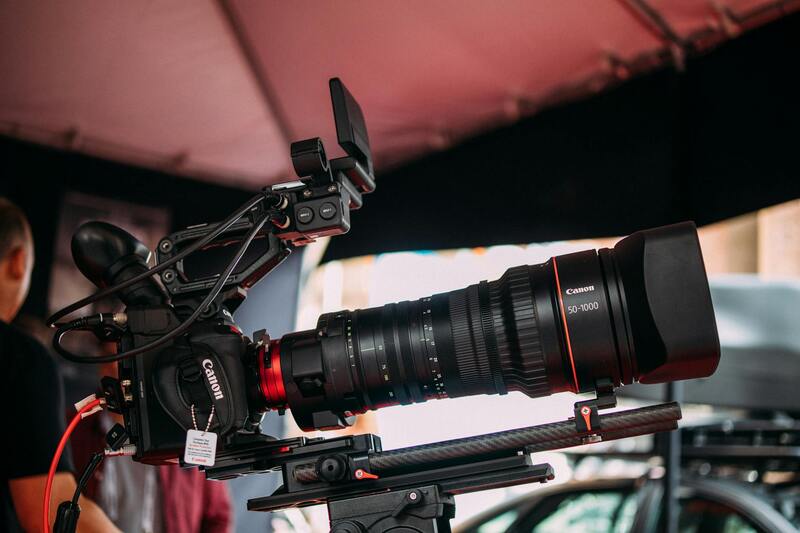
Stabilization tools like tripods or monopods may be necessary for capturing sharp images during low-light scenarios. Additionally, photographers often carry backup equipment, including extra batteries, memory cards, and lenses, to prevent technical disruptions during the shoot.
Post-Processing and Delivery
After the event, editing is crucial in refining the captured images. This process involves color correction, exposure adjustments, and sometimes retouching to ensure the photos align with the client's branding and aesthetic preferences. Advanced editing software such as Adobe Lightroom and Photoshop are industry standards for processing and enhancing images.
Consistency across the photo collection is maintained through a defined editing style, whether aiming for vibrant, natural, or polished artistic effects. Once editing is complete, the images are organized and categorized for easy access and selection.
Delivery methods have evolved to accommodate client needs and preferences. Digital galleries shared via secured online platforms allow quick access and downloading. For clients requiring physical copies, high-resolution files can be provided via USB drives or professional printing services, ensuring quality preservation.
Legal and Ethical Aspects of Event Photography
Ensuring that event photos are captured and shared responsibly is a key aspect of professional event photography. This involves adhering to established practices that respect the rights and privacy of individuals involved in the event. Photographers should obtain explicit permission from event organizers before taking photos, especially in private settings or during sensitive moments. Clear communication about how images will be used reinforces trust and professionalism.
It is also vital to inform subjects if photos will be published publicly or used for marketing purposes. This transparency helps prevent misunderstandings and promotes respectful engagement with clients and participants.
When it comes to sharing event photos, photographers should use secure methods and platforms that protect image integrity and client confidentiality. Digital galleries and password-protected downloads are effective ways to ensure that images are accessed only by authorized persons. Additionally, maintaining detailed records of photo consent and distribution can help in addressing any concerns about image rights or misuse.
Respecting intellectual property rights means that only images captured by authorized personnel should be published or distributed. Using licensed equipment and editing software ensures that the process complies with copyright standards and industry best practices.
For photographers working with clients, establishing a clear contract that outlines rights to images, usage permissions, and delivery timelines is essential. This agreement should explicitly state how photos will be used, whether for personal memories, promotional campaigns, or commercial purposes.
Upholding these ethical standards not only fosters professional integrity but also reinforces client confidence. When photographers demonstrate a commitment to respectful and transparent practices, it enhances their reputation within the event industry and encourages ongoing collaborations.
Legal and Ethical Aspects of Event Photography
Event photographers have a responsibility to adhere to established guidelines that respect the rights of individuals and organizations involved. This includes obtaining appropriate permissions for capturing and sharing images. Typically, photographers should secure consent from subjects before photographing them, especially in private settings or when images are intended for public display or commercial use.
It is essential to clearly communicate with clients about how photos will be used, ensuring transparency in the process. Maintaining detailed documentation of permissions and usage rights can prevent misunderstandings and serve as a reference in case of disputes or inquiries. Such practices demonstrate professionalism and reinforce trustworthiness in the industry.
The use of photos in promotional materials, websites, or social media platforms must be handled responsibly. Only images taken by authorized personnel should be published, and care should be taken to respect individual privacy and confidentiality agreements. When sharing event photos online, photographers should consider the sensitivity of the subjects and avoid posting images that could be misinterpreted or used inappropriately.
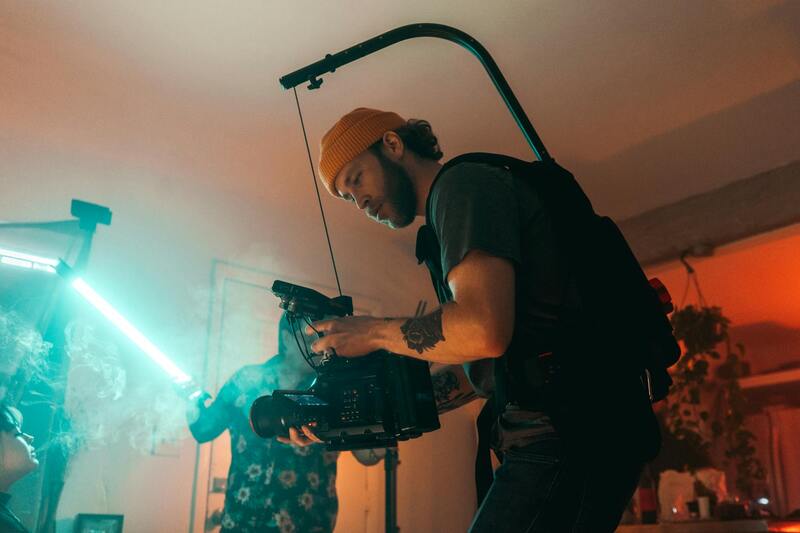
In addition to permissions, photographers should stay informed about copyright laws and image rights. Using licensed equipment and editing software not only ensures quality but also complies with industry standards. When distributing photos, whether digitally or physically, it is vital to adhere to agreed-upon usage rights to avoid potential conflicts.
Event professionals also benefit from establishing clear contractual agreements with photographers. These contracts should specify image rights, usage limitations, delivery timelines, and confidentiality clauses. Such clarity helps manage expectations and protects both parties' interests.
Ethical event photography extends beyond legal compliance; it encompasses a commitment to integrity, accuracy, and respect for all individuals involved. Photographers who prioritize these principles enhance their reputation and foster long-term relationships with clients and event attendees.
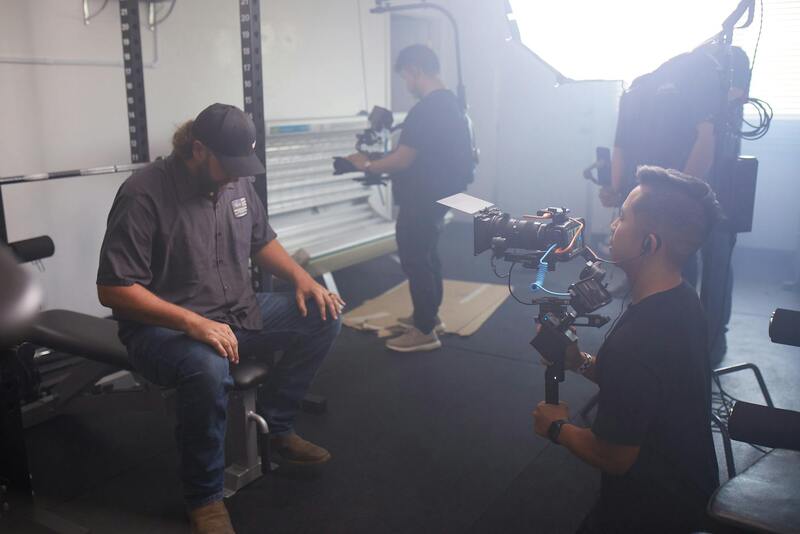
Post-Processing and Delivery of Event Photos
Once the event has concluded, the focus shifts to the post-processing phase, which plays a crucial role in ensuring the final images meet both artistic and professional standards. High-quality editing not only enhances the visual appeal of event photos but also ensures consistency across the portfolio, aligning with the client's branding and the event's tone. Skilled photographers utilize advanced editing software to correct exposure, adjust color balance, and enhance sharpness, bringing out the best features in each shot. These adjustments must be applied judiciously to preserve the authenticity of the moment while elevating the overall aesthetic.
Color grading is often used to impart a specific mood or style, whether it's the warm glow of a sunset at a corporate outdoor gathering or the vibrant hues of a festive celebration. Retouching might also be necessary to remove minor distractions or imperfections, especially in close-up portraits or candid shots. It's imperative that these edits remain tasteful and true to life, maintaining the integrity of the event's atmosphere.
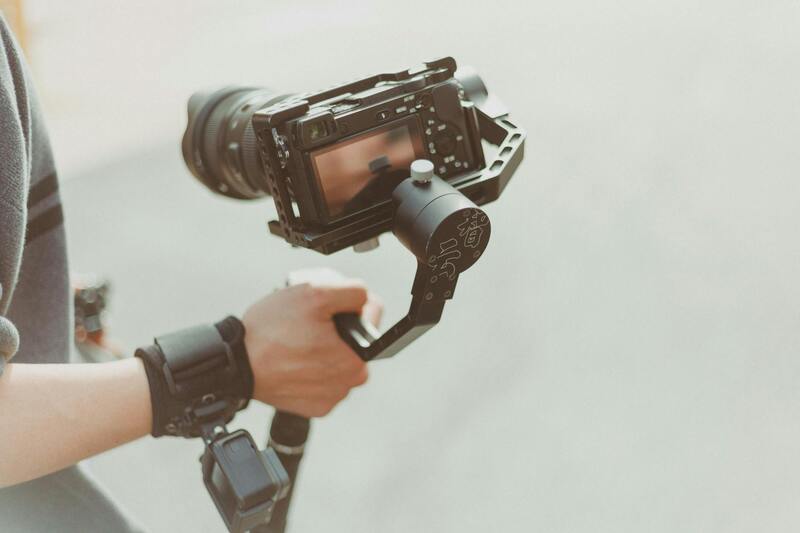
Once the editing process is complete, photographers prepare a selection for delivery, which involves choosing the most impactful images that tell the story of the event. This curated collection should be diverse, covering key moments, details, and candid interactions, providing clients with a comprehensive visual narrative. The delivery method can vary; digital galleries hosted on secure platforms are common, offering clients access to high-resolution downloads and online sharing capabilities. Physical media, such as USB drives or printed albums, remain valuable for tangible keepsakes and formal presentations.
Clear communication regarding delivery timelines is essential, ensuring clients receive their images promptly for use in marketing, media coverage, or personal keepsakes. Additionally, establishing guidelines on image rights and usage rights during the contract stage helps prevent misunderstandings, clarifying whether photos can be reproduced, shared, or used in promotional materials. Professional photographers also ensure that all delivered images are correctly formatted and optimized for their intended platforms, whether for print, web, or social media, thereby maintaining quality standards across all channels.
Legal and Ethical Aspects of Event Photography
Understanding the proper methods to capture and utilize event photos is essential for maintaining professionalism and respecting all parties involved. Obtaining appropriate permissions before photographing guests and event participants helps foster an environment of trust and cooperation. This includes securing consent from individuals who are prominently featured or whose images will be showcased in promotional materials.
It is important to inform clients and attendees about the intended use of event photos, whether for marketing, social media, or archival purposes. Clear communication regarding these intentions minimizes misunderstandings and ensures that everyone is comfortable with their image being used. When photographers use images for promotional or portfolio purposes, especially in public portfolios or online galleries, they should adhere to agreements made during the initial contract stage.
Respecting privacy preferences is equally vital. Some guests or organizers might request that certain images be withheld from public viewing or distribution. Establishing a process for handling such requests during or after the event helps maintain trust and professionalism.
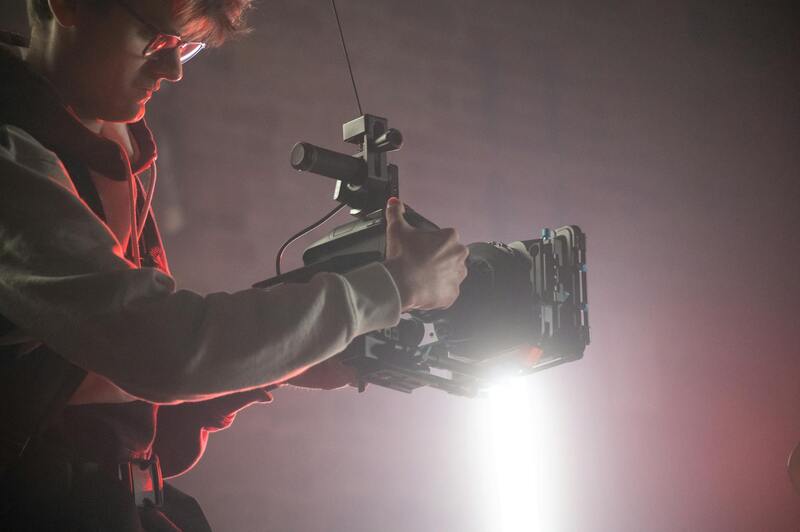
Additionally, photographers should be mindful of copyright laws related to their work and the images captured. Proper attribution and understanding of image licensing rights are necessary to avoid potential disputes. Incorporating licensing agreements into the contract clarifies whether images may be used for commercial purposes or shared on various platforms.
Ethical considerations extend to editing practices as well. Enhancing photos to correct technical issues or improve visual appeal should be done tastefully, respecting the authenticity of the moments captured. Over-manipulation or misleading editing can undermine the credibility of the photographer, the event, or the client.
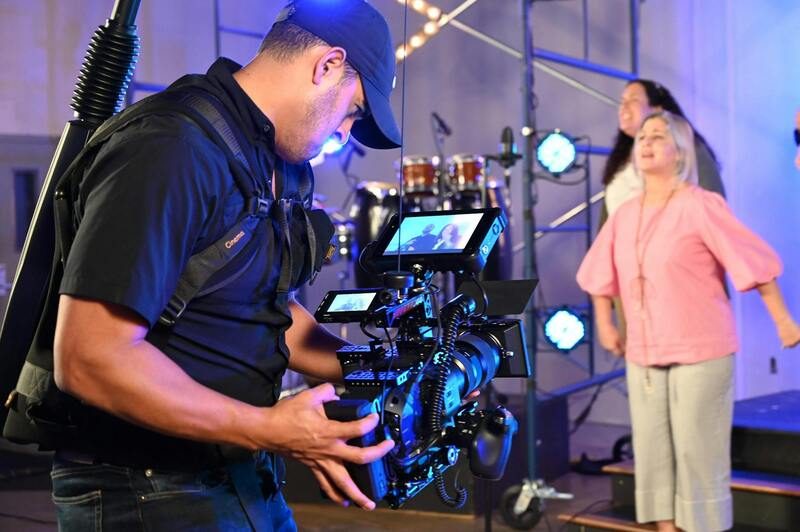
In conclusion, adhering to sound legal and ethical practices not only demonstrates professionalism but also safeguards the interests of clients, guests, and photographers alike. Respect, transparency, and clear communication form the foundation of successful event photography that respects all involved parties and preserves the integrity of the captured moments.