
Understanding Event Photography Pricing
Event photography pricing is a multifaceted aspect of professional services that combines artistic expertise, technical skill, and logistical planning. When clients seek to capture moments from weddings, corporate gatherings, or private celebrations, understanding how photographers establish their rates ensures transparency and helps make informed decisions. Several key factors influence how a photographer determines their prices, including the scope of coverage, experience level, and the complexity of the event.
In the industry, certain terminology regularly appears and helps clients comprehend pricing structures more clearly. Terms such as "hourly rate," "day rate," "package rates," and "a la carte services" are foundational concepts used to describe different billing methods. An hourly rate might be suitable for shorter events, while package rates often provide a comprehensive overview of all services included in a session. It is also essential to understand what is meant by rights to images, post-processing, and delivery timelines, all of which contribute to the overall cost.
Determining these factors involves evaluating the photographer’s skill set, the extent of post-production work, equipment costs, and the expected output quantity. Pricing must also account for travel and logistics, especially for destination or large-scale events. This complexity underscores the need for clients to grasp industry-specific terminology, as it fosters clearer communication and helps set realistic expectations for both parties.
Key Terminology in Event Photography Pricing
- Hourly Rate: The cost charged per hour for photography services, typically used for smaller or flexible events.
- Session or Day Rate: A flat fee for an entire event or a set period, offering simplicity for clients.
- Package Rate: Bundled services that include specific hours, number of images, albums, or prints.
- A la Carte Services: Individual services such as engagement shoots, album design, or prints, added separately to packages.
- Post-Processing: Editing and retouching images, which may be included or billed separately.
- Travel and Expenses: Additional fees for transportation, accommodations, or specialized equipment.
Recognizing these terms allows clients to compare options effectively and choose services that align with their event needs and budget. It also encourages transparency in negotiations, ensuring that both parties have a clear understanding of what is included in the pricing structure, avoiding unexpected costs or miscommunications.
Understanding Event Photography Pricing
Event photography costs are influenced by a variety of factors that extend beyond the basic session fee. A comprehensive understanding of these elements enables clients to make informed decisions that align with their budget and event requirements.
Key Elements Influencing Pricing
Several core components contribute to the final cost of event photography services. These include the photographer’s experience level, the scope of work, equipment used, post-production processes, and logistical expenses such as travel and accommodations. Recognizing how each element impacts the overall price helps clients evaluate different service packages appropriately.
Skill and Experience
Highly experienced photographers tend to charge more due to their refined skills, professional equipment, and proven track record of capturing high-quality images at various events. Their expertise ensures that the client’s moments are preserved accurately and artistically, often translating into a higher price point.
Scope and Duration of Coverage
The length of coverage required greatly influences pricing. A brief ceremony might attract a lower fee, whereas multi-day events or large-scale gatherings necessitate extended hours and more extensive editing, thus increasing costs.
Equipment and Technology
Advanced camera gear, lighting setups, and backup systems are essential for high-quality event photography. The investment in state-of-the-art equipment is factored into pricing, ensuring professionals can deliver consistent, stunning results under various conditions.
Post-Production Work
Editing, retouching, and album design are integral to delivering a professional finished product. Some photographers include these in their package rates, while others charge separately based on the amount of work involved. This process can significantly affect the total cost, especially for customized or heavily edited images.
Travel and Logistical Expenses
For destination events or those held outside the photographer’s local area, costs for transportation, lodging, and permits may be added. These expenses ensure that the photographer can reliably serve clients across various locations without compromising quality.
Image Placeholder
Establishing Transparent Pricing Structures
Most professional photographers adopt consistent pricing models to streamline client understanding and management. Clear communication regarding what each fee covers reduces misunderstandings and sets proper expectations.
Included in Pricing
- Coverage hours or days
- Number of edited images
- Basic post-production retouching
- Delivery format (digital or printed)
Additional or Optional Services
- Extra hours beyond initial coverage
- Engagement or bridal shoots
- Premium albums or prints
- Express editing or faster delivery
Understanding these distinctions helps clients craft a fair and comprehensive budget, ensuring all necessary services are accounted for without surprises at the final billing stage.
Understanding Event Photography Pricing
Event photography pricing varies significantly based on multiple factors that influence the overall cost structure. To ensure clients receive high-quality images that meet their expectations, it is crucial to comprehend what elements contribute to the final fee and how these can be managed or optimized. Professional event photographers in Miami typically develop detailed pricing strategies that balance affordability with quality delivery, allowing clients to select services that align with their event needs and budget constraints.
Common Pricing Components in Event Photography
When exploring event photography pricing, several core components are consistently factored into the total cost. These include:
- Coverage Hours or Days: The duration of the event heavily impacts the pricing. A shorter event like a corporate lunch may be priced differently from an all-day wedding or multi-day conference.
- Number of Photographers: Larger events or those requiring extensive coverage often require additional photographers to ensure comprehensive coverage, which increases costs.
- Edited Images: The quantity and complexity of post-processing work directly influence pricing. Standard packages often include a set number of retouched images, with extra charges for additional images or advanced editing.
- Delivery Format: Whether images are provided digitally, printed, or compiled into albums affects the final price. High-quality prints and custom albums entail extra costs.
Additional Service Options and Customizations
Many photographers offer optional add-ons to enhance the client’s experience, such as:
- Extended Coverage: Additional hours beyond initial agreements to cover pre- or post-event activities.
- Specialty Shoots: Engagement sessions or bridal portraits done before the main event.
- Premium Albums and Prints: Custom-designed photo books or large format prints perfect for keepsakes.
- Expedited Delivery: Faster editing and delivery options for last-minute needs.
Photography pricing systems are often designed to be transparent, providing clients with a clear breakdown of what is included in each package. This approach minimizes misunderstandings and helps clients allocate their budget more effectively while ensuring they receive the services that matter most to them.
Components That Influence Event Photography Pricing
Understanding the various components that influence event photography pricing is essential for planning a budget that aligns with your event's scope and your expectations. Several key factors contribute to the final cost, each playing a significant role in shaping the overall expense.
- Number of Photographers: The extent of coverage required directly impacts the number of photographers involved. Larger events, such as corporate galas or multi-day conferences, often necessitate multiple professionals to ensure every important moment is captured comprehensively. Additional photographers not only increase labor costs but also elevate studio expenses due to increased equipment needs and logistical planning.
- Event Duration: Longer events naturally demand more time on-site, which translates into higher fees. Whether it’s a half-day celebration or a full-day wedding, the number of hours booked influences the pricing structure. Photographers typically calculate costs based on hourly rates or package durations, with extended coverage incurring supplementary charges.
- Number of Edited Images and Post-Processing: The quantity of images to be retouched and delivered significantly affects the cost. Basic packages often specify a capped number of polished images, whereas additional images or advanced editing require extra fees. Some studios offer premium editing services, such as artistic retouching or compositing, which can further elevate costs.
- Delivery Format and Final Products: The manner in which the images are delivered—digital files, printed photographs, albums, or a combination—determines additional expenses. High-quality prints and custom-designed albums involve costs for materials, printing, and binding, contributing to the overall pricing. Digitally delivered images tend to be more economical, but physical keepsakes add a layer of personalization and value.
- Additional Services and Customizations: Many photographers offer optional enhancements aimed at elevating the client experience. These include extended coverage hours, engagement sessions, bridal portraits, and specialty shoots tailored for pre-wedding festivities. Custom photo albums, wall prints, or expedited editing processes could also be added for an extra fee. These options allow clients to tailor their packages to fit specific needs and preferences.
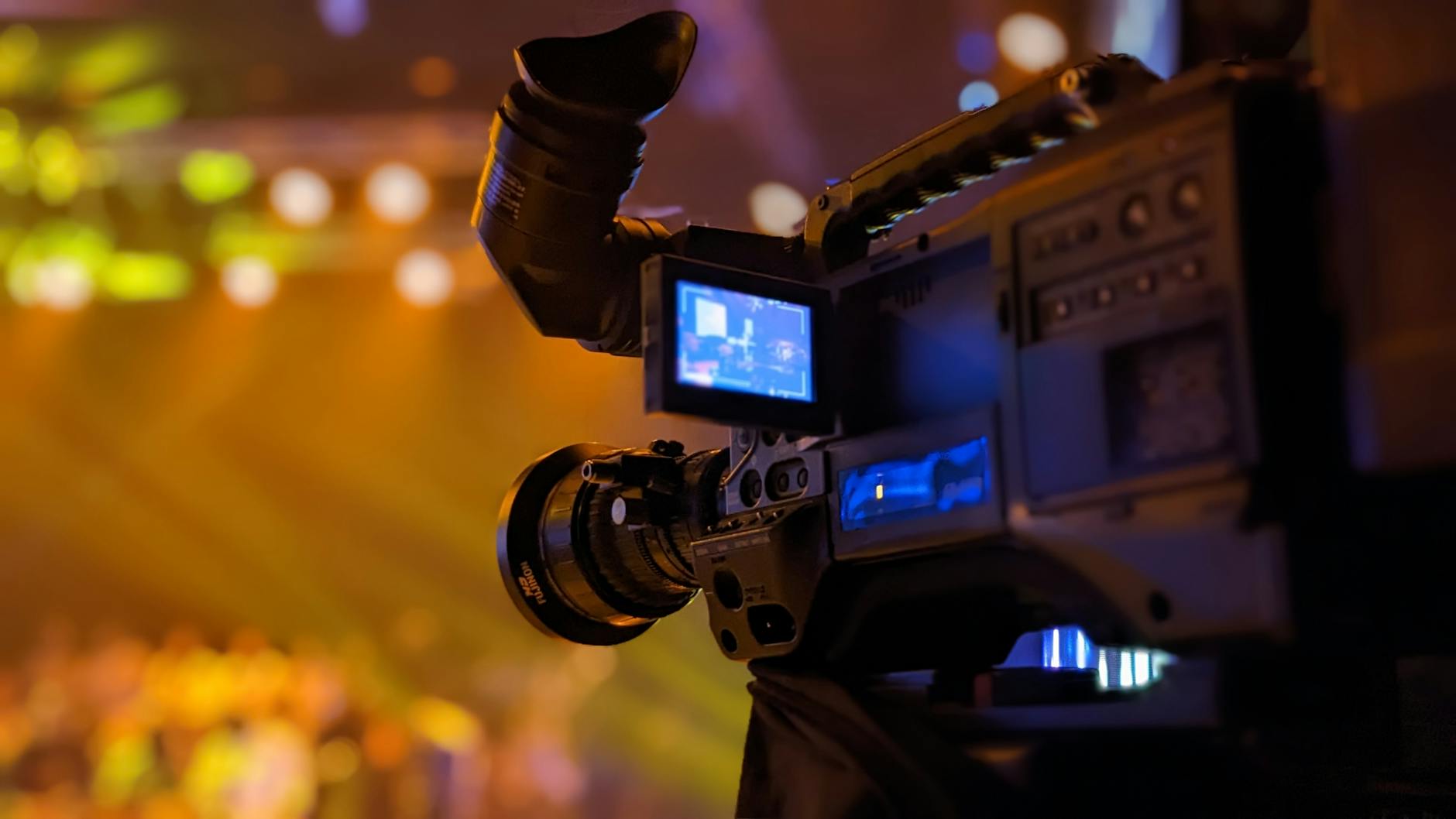
Photoshoots that incorporate these components typically follow a transparent pricing model that clearly outlines what is included in each package. This transparency assists clients in understanding the value of each service, facilitating informed decisions and effective budget management.
In addition to base packages, most reputable photographers offer a menu of optional add-ons. This structure not only provides flexibility but also ensures that clients can customize their experience without unforeseen expenses. When evaluating options, consider the scope of coverage, the level of image retouching, and the final presentation format to balance quality and budget effectively.
Understanding Event Photography Pricing
Pricing for event photography is a multifaceted aspect that encompasses various elements, including the scope of coverage, the experience of the photographer, and the desired output quality. Clients should recognize that pricing structures are typically designed to reflect the complexity and duration of the shoot, the level of expertise, and the additional services incorporated into the package. Transparent pricing models are essential in helping clients make informed decisions, ensuring they receive value that aligns with their expectations and budget constraints.
It's important to understand that event photography costs are not solely based on the hours spent shooting but also include pre-event planning, post-production work, and delivery formats. The photographer's experience often influences the rate; seasoned professionals with a strong portfolio and specialized skills tend to charge higher fees. This premium compensates for their expertise in capturing memorable moments effectively, adapting to unpredictable lighting conditions, and ensuring consistent quality throughout the event.
In addition to the base fee, other variables such as travel expenses, equipment usage, and onsite support can impact the overall cost. Clients should inquire about what is included in the quoted price to avoid surprises later. Some photographers offer tiered packages, which can range from basic coverage to full-day or multi-day services, allowing clients to select options that match their event scope and budget. This clarity helps in setting realistic expectations and facilitates smoother planning processes.
Visual Overview of Pricing Components
Understanding the components that contribute to event photography pricing enables clients to evaluate different packages objectively. A typical breakdown may include the following:
- Base session fee or hourly rate
- Additional hours or extended coverage
- Post-processing and editing services
- Images delivery format (digital, print, album)
- Travel and accommodation expenses
- Optional add-ons such as engagement shoots or custom albums
Generally, photographers aim to maintain transparency by providing detailed quotes that itemize these elements, helping clients understand the value associated with each component. This approach fosters trust and empowers clients to prioritize services that are most vital for capturing their event effectively.
Understanding Event Photography Pricing
Event photography pricing involves a comprehensive assessment of various elements that contribute to the overall cost. Clients should recognize that pricing structures are typically designed to reflect the level of expertise, equipment quality, coverage duration, and additional services offered. Transparent communication about these components ensures that expectations align with the final invoice, helping clients make informed decisions. It's important to distinguish between fixed costs, such as a base session fee, and variable expenses, like overtime or specialized editing, which can influence the total investment in professional event coverage.
Common Pricing Models for Event Photography
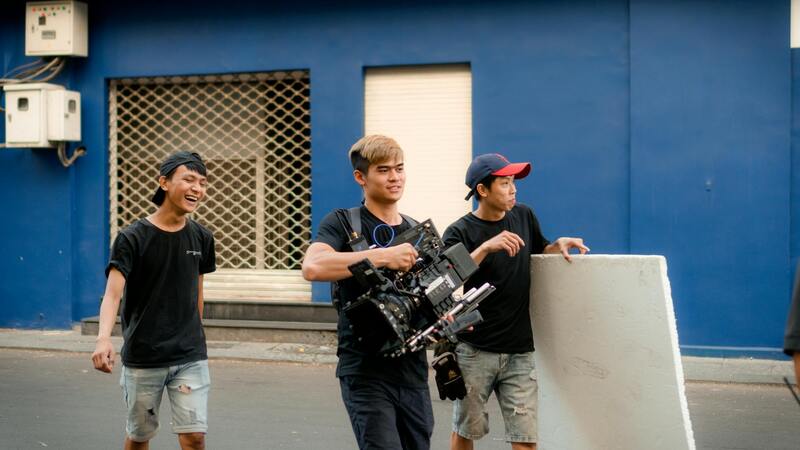
Several standardized pricing models exist within the event photography industry, each catering to different client needs and event scopes. The most prevalent include:
- Hourly Rate: A set fee based on the number of hours the photographer is engaged, offering flexibility for events with variable durations.
- Flat Fee Packages: A predetermined price covering a specific time frame or set of services, providing predictability for clients with clear event schedules.
- Per Photo Pricing: Charging based on the number of images delivered, often combined with post-processing and editing services.
- Day Rate: A comprehensive fee for full-day coverage, typically including a certain number of edited images and initial consultation.
Understanding these models can help clients align their expectations with their specific event requirements, ensuring they select a pricing approach that offers transparency and value.
Factors Affecting Event Photography Costs
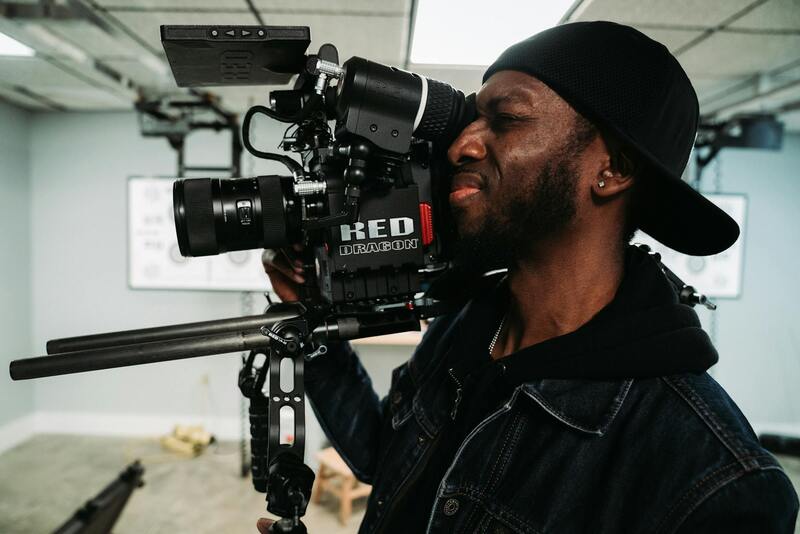
Multiple variables influence the final price of event photography services. These factors include:
- Event Duration: Longer events naturally require more hours, increasing the total cost.
- Event Complexity: Events with multiple locations, intricate setups, or high-profile participants may demand additional planning, equipment, and post-production resources.
- Technological Requirements: Usage of specialized equipment, such as drones, lighting, or multiple lenses, can add to expenses.
- Post-Processing: The level of editing, retouching, and album creation significantly influences the final price.
- Travel and Accommodation: For events outside the photographer’s local area, travel and lodging expenses are factored into the cost, often on a case-by-case basis.
- Daytime vs. Nighttime Coverage: Night events often require additional lighting setups, which may contribute to higher costs.
Clients aiming for accurate budgeting should discuss these variables upfront to avoid unexpected charges and to select a package that truly matches their event’s scope and complexity.
Average Pricing Range for Event Photography in Miami
In Miami, the cost of professional event photography varies based on experience, package inclusions, and event scale, but general ranges can be established. For simple, short-term coverage, clients may expect to pay as little as $500 to $1,000. Mid-tier packages, which offer several hours of coverage with basic editing, typically fall within the $1,000 to $2,500 range. For full-day coverage, extensive editing, or premium services, prices often extend from $2,500 up to $5,000 or higher. These figures reflect a competitive market with diverse service options capable of accommodating different budget levels while maintaining high-quality standards.
How to Budget for Event Photography
When planning your event budget, consider setting aside an appropriate amount for professional photography based on your specific needs and desired outcomes. Here are key steps to ensure effective budgeting:
- Determine Your Priorities: Decide what moments are most important to capture—whether it be candid shots, formal portraits, or a comprehensive coverage, to allocate funds accordingly.
- Research Local Providers: Review portfolios and pricing tiers of Miami-based photographers to identify options that fit your budget and style preferences.
- Request Detailed Quotes: Obtain itemized estimates that specify included services, extra fees, and delivery timelines, enabling accurate budget allocation.
- Account for Additional Costs: Include travel, accommodations, and optional add-ons such as albums or engagement shoots, in your overall budget to prevent surprises.
- Consider Package Flexibility: Opt for packages that can be customized, ensuring you pay for essential services without unnecessary extras.
By approaching your budget with clarity and thoroughness, you can secure professional event photography that captures your special moments while aligning with your financial plan.
Understanding Event Photography Pricing
Event photography pricing in Miami is influenced by multiple variables that reflect the scope and complexity of each event. Prices are typically structured to account for the duration of coverage, the experience level of the photographer, the equipment needed, and the specific services requested. Clients should be aware that transparency in pricing helps facilitate better planning and ensures a clear understanding of what is included in each package.
Common Pricing Models for Event Photography
Several standard models are prevalent among photographers in Miami, each suited to different event types and client preferences:
-
Hourly Rate
This model charges a set fee for each hour of coverage, making it flexible for events with uncertain time frames. It is particularly popular for smaller gatherings or when only specific moments need to be documented.
-
Flat-Rate Packages
Fixed-price packages typically include a predetermined number of hours, an assistant or second shooter, and a set number of edited images. These packages are ideal for larger events like weddings or corporate galas, providing comprehensive coverage with predictable costs.
-
A la Carte Services
Clients can select individual services such as engagement shoots, extended coverage, or album creation, allowing for customized pricing based on specific needs.
Factors Affecting Event Photography Costs
Several elements can influence the overall pricing, including:
-
Event Duration and Timing
The longer the coverage, the higher the cost. Evening events or multi-day functions typically require additional fees.
-
Number of Photographers
Some events demand multiple shooters to capture different angles or ensure comprehensive documentation, which increases expenses.
-
Event Location and Accessibility
Locations that are remote or require special access considerations may incur extra travel or setup fees.
-
Post-Processing and Delivery
Time-intensive editing, image retouching, and expedited delivery services can influence pricing structures.
-
Reputation and Experience of Photographer
Highly experienced or renowned professionals may command premium rates reflecting their expertise and quality assurance.
Image Placeholder
Average Pricing Range for Event Photography in Miami
In Miami, the typical cost for professional event photography ranges from $1,000 to $4,000, depending heavily on the event's size and specific requirements. Basic coverage for a small gathering or intimate event may fall at the lower end of this spectrum, while large-scale events necessitate higher budgets for extensive coverage, multiple photographers, and post-production work. For example, wedding photography packages often start around $2,000 and can exceed $3,500 for comprehensive services that include engagement shoots, printed albums, and extended hours of coverage.
How to Budget for Event Photography
Effective budgeting involves a systematic approach to evaluating your specific needs and understanding what professional services entail. When setting aside funds for event photography, consider the following steps:
- Define Your Priorities: Clarify which moments are essential to capture—be it candid expressions, key ceremonies, or detailed portraits—to determine the level of coverage needed.
- Research Local Providers: Review portfolios and pricing options of Miami-based photographers to identify those whose style and rates match your expectations.
- Request Detailed Quotes: Obtain comprehensive estimates that detail included services, potential surcharges, and delivery timelines to facilitate accurate financial planning.
- Account for Additional Expenses: Include costs for travel, accommodations (if applicable), prints, albums, and optional extras to prevent budget overruns.
- Evaluate Package Flexibility: Seek customizable packages that can be tailored to your needs, avoiding unnecessary expenses.
Additional Costs and Optional Services
It’s important to consider supplementary charges that might not be included in base packages. These extras can enhance your overall experience but should be factored into your initial budget:
- Travel fees for out-of-area or remote locations
- Expedited editing or image processing
- Printed albums, photo prints, or framed images
- Extra shooters for larger events
- Engagement or pre-event photo sessions
Choosing the Right Photographer Based on Pricing
Matching your event needs with the appropriate photographer involves balancing quality and budget. Prioritize providers who demonstrate transparency in their pricing, showcase a portfolio aligned with your style, and offer clear communication about service inclusions. Comparing detailed quotes helps ensure you select an option that meets both your aesthetic and financial expectations while securing professional standard coverage for your Miami event.
Understanding Event Photography Pricing
Pricing for event photography encompasses more than just the basic session fee. It involves a thorough assessment of the services required, the experience level of the photographer, and the scope of coverage needed. When considering event photography costs, it is essential to recognize how different elements contribute to the overall price, including the duration of coverage, the number of photographers involved, and the of delivered images or albums. Transparent communication regarding what is included and what might incur additional charges ensures clarity in budgeting.
Common Pricing Models for Event Photography
There are several prevalent pricing structures that photographers use to determine their rates. Understanding these models can assist clients in making informed choices:
- Hourly Rate: This model charges a set fee per hour of coverage, offering flexibility for events of varying lengths. It is suitable for clients who need limited coverage or want to extend services as the event progresses.
- Package Deals: All-inclusive packages typically combine a set number of hours, edits, and images, often with add-ons like albums or prints. These are designed for clients seeking comprehensive coverage without hidden extra costs.
- Flat Rate: Some photographers offer a single flat fee for the entire event, regardless of duration, which can be advantageous for events with a predictable schedule.
Factors Affecting Event Photography Costs
The final price for event photography can be influenced by multiple variables, which include:
- Event Duration: Longer events naturally demand more time and resources, increasing costs.
- Number of Photographers: Larger or more complex events may require additional shooters to ensure comprehensive coverage, thereby raising expenses.
- Event Location: Remote or out-of-town venues can incur travel, accommodation, and logistical fees.
- Editing and Delivery: The time spent on editing, retouching, and delivering images can significantly influence pricing, especially with expedited services.
- Experience and Reputation: Established photographers with extensive portfolios often command higher rates due to their expertise and quality assurance.

Average Pricing Range for Event Photography in Miami
The Miami event photography market exhibits a broad spectrum of pricing, reflecting the diversity of providers and event types. Typically, clients can expect to pay between $1,000 and $4,000 for full-day coverage of weddings or major corporate events. Shorter or less complex events might fall within the $500 to $1,500 range, especially if only a few hours of coverage are required. Premium services from highly experienced photographers or those offering luxury albums and additional features can surpass $5,000.
How to Budget for Event Photography
Constructing an accurate budget involves evaluating your event's scale, desired coverage, and preferred deliverables. Start by researching local photographers to understand standard rates, then compare packages that include your essential needs. Allocate funds not only for the photographer's service but also for related expenses such as travel, accommodations, prints, and albums. Maintaining a contingency buffer of approximately 10-15% can accommodate unforeseen costs, ensuring your photography plans remain on track.
Tips for Negotiating Photography Pricing
Effective negotiation can help optimize your photography budget without compromising quality. Here are strategies to consider:
- Clarify Your Priorities: Know what aspects of coverage are most important—whether it's the number of hours, the number of images, or specific services like albums—and communicate this clearly to the photographer.
- Request Detailed Quotes: Obtain comprehensive estimates that specify each included service and any potential surcharges. This transparency allows for more meaningful negotiations.
- Be Flexible with Dates and Times: Photographers may offer discounts for weekday or off-season bookings when demand is lower.
- Consider Alternative Packages: Opt for customized solutions that meet your needs precisely, potentially reducing unnecessary expenses.
- Discuss Future Referrals or Reviews: If you are satisfied with the service, offering to provide referrals or reviews can sometimes lead to discounted rates or added value.
Additional Costs and Optional Services
While standard packages cover core services, several supplementary options could enhance your event photography experience. These additional costs should be accounted for upfront to avoid surprises:
- Travel fees for remote locations outside Miami
- Expedited editing or photo processing services
- Printed albums, framed images, or photo prints
- Extra photographers for larger or multi-location events
- Pre-event sessions, such as engagement or rehearsal dinner shoots
Choosing the Right Photographer Based on Pricing
Finding a photographer that aligns with your budget while delivering quality results involves comprehensive evaluation. Focus on reviewing portfolios to ensure their style resonates with your vision. Reading client testimonials and reviews provides insight into their professionalism, reliability, and customer satisfaction. Emphasize transparency in pricing and service details to avoid unexpected costs. Comparing tailored quotes and understanding what each package includes helps in making an informed decision, ensuring both your aesthetic and financial expectations are met. When selecting your Miami-based photographer, prioritize those who demonstrate clear communication, professionalism, and a track record of delivering consistent results across diverse event types.