
Understanding the Importance of a Strong Event Photographer Portfolio
An exceptional event photographer portfolio serves as the cornerstone of a successful photography career, especially within competitive markets like Miami. It functions as a visual resume, effectively communicating your skills, versatility, and style to prospective clients. In the fast-paced event industry, where first impressions are crucial, a well-curated portfolio demonstrates professionalism and builds trust with clients seeking reliable photographers for weddings, corporate events, festivals, or social gatherings.
For photographers aiming to establish authority and credibility in Miami’s vibrant scene, a comprehensive portfolio is an investment in long-term success. It not only showcases mastery over capturing fleeting moments but also reflects your understanding of various event types, lighting conditions, and client preferences. When clients browse your work, they should immediately recognize your ability to deliver high-quality imagery that aligns with their event objectives.
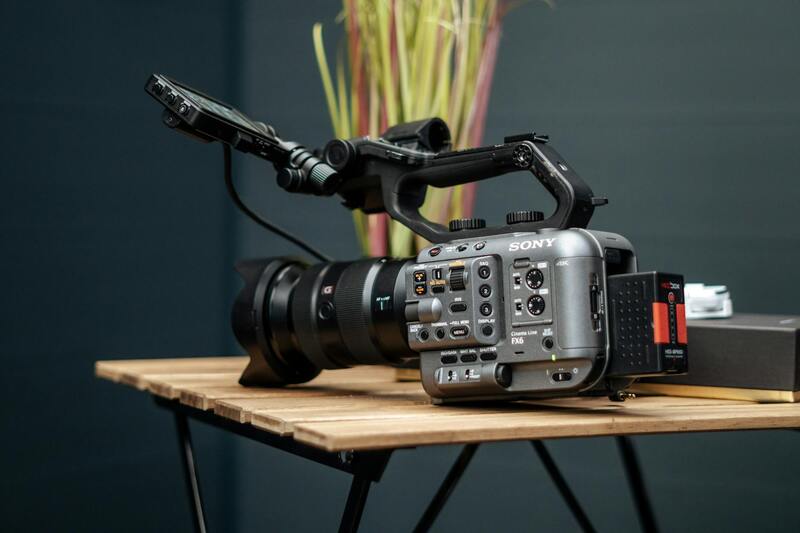
The critical role of a curated portfolio extends beyond aesthetics; it is a strategic tool in differentiating yourself from competitors. As Miami continues to grow as a hub for diverse celebrations, having a portfolio that emphasizes your experience with local traditions, multicultural events, and high-profile gatherings can significantly influence your market presence. Your portfolio serves as a dynamic showcase of your capability to adapt to and excel in diverse event environments, reinforcing your reputation among potential clients and event organizers alike.
Overall, a compelling event photographer portfolio is a strategic asset that, when crafted thoughtfully, can attract a broader client base, command premium rates, and elevate your standing within Miami’s competitive event photography landscape.
Selecting and Curating Photos for Your Portfolio
Choosing the right images for your event photographer portfolio is a critical step in establishing credibility and attracting discerning clients. Each photograph should serve a purpose: demonstrating your technical skills, capturing the emotional essence of events, and illustrating your adaptability across various settings. Prioritize images that showcase a range of lighting conditions, compositions, and moments — from candid reactions to staged group shots. A well-curated collection not only highlights your versatility but also ensures potential clients recognize your proficiency in different scenarios.
When selecting photos, consider the narrative each image tells. Your portfolio should create a cohesive story of your expertise, emphasizing how you can handle large crowds, intimate moments, or dynamic action shots. Balance your selection by including both wide-angle shots that capture the overall event atmosphere and close-up details that reflect your attention to detail. Exhibiting consistent quality across images reassures viewers of your professionalism and commitment to excellence.
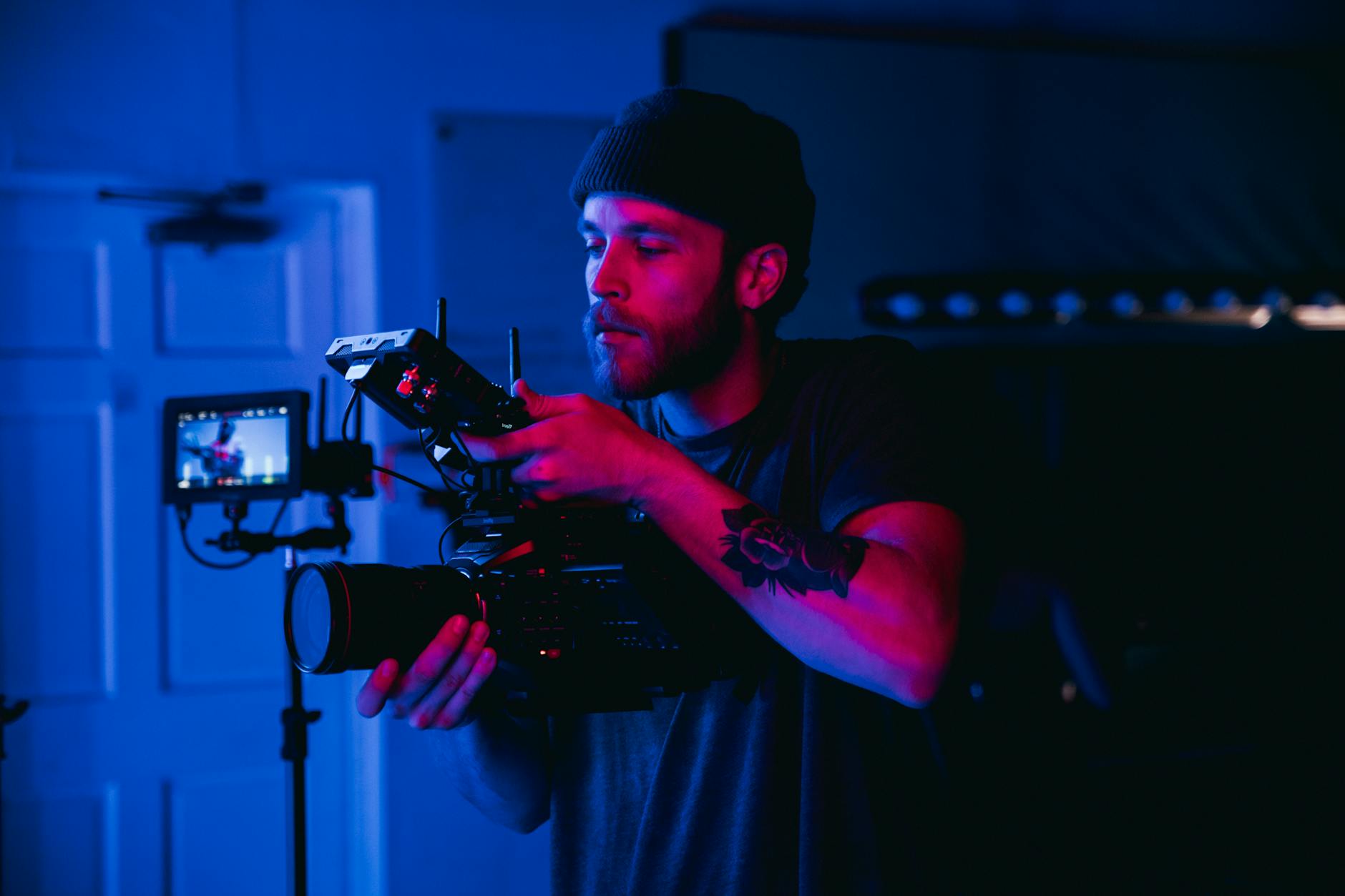
Furthermore, consider the flow of images within your portfolio. Grouping similar event types or themes can help viewers easily navigate your work and recognize your specialty areas. For instance, dedicate sections to corporate functions, weddings, festivals, or social gatherings. This strategic organization underscores your capacity to handle different event styles effectively and inspires confidence among prospective clients seeking tailored services.
Tips for Effective Curation:
- Highlight your best work—quality over quantity is essential.
- Expose your technical proficiency, such as sharp focus, proper exposure, and creative composition.
- Include images that convey emotion and storytelling, which resonate with viewers.
- Ensure consistency in editing style to maintain a cohesive look throughout the portfolio.
- Showcase a variety of event sizes and settings to reflect adaptability.
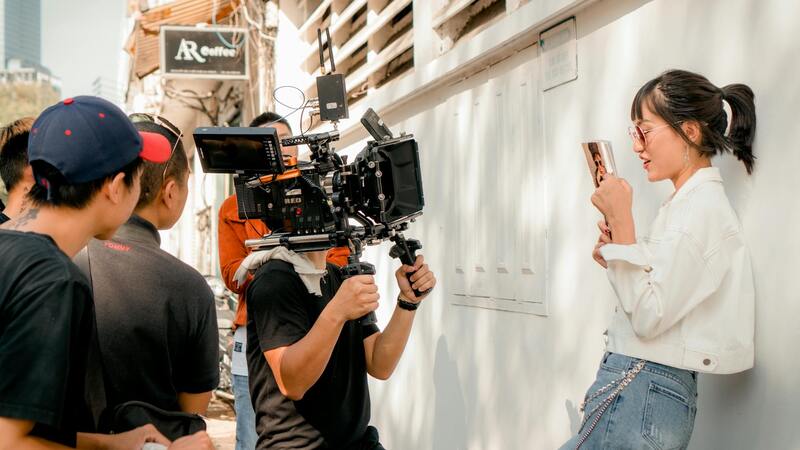
Ultimately, a meticulously curated event photographer portfolio functions as a visual resume, illustrating your capability to meet diverse client needs while reinforcing your brand identity. Careful selection and presentation of images guarantee that your talent leaves a lasting impression, positioning you as a top choice within Miami’s competitive event photography scene.
Expert Techniques in Selecting and Curating Photos for Your Event Photographer Portfolio
Creating a compelling event photographer portfolio requires a meticulous approach to selecting images that truly reflect your skills, creativity, and versatility. Each photograph should serve as a testament to your ability to capture fleeting moments, convey emotion, and adapt to various event environments. To achieve this, start by evaluating each image based on technical proficiency—sharp focus, proper exposure, and well-balanced composition are non-negotiable essentials that highlight your mastery behind the camera.
Beyond technical excellence, assess the storytelling potential of each shot. An effective photograph should evoke a response from viewers, illustrating not just the event's details but its atmosphere and emotional core. This could be a candid laugh among friends, a tender exchange during a wedding vow, or the vibrant energy of a festival crowd. These images demonstrate your capacity to encapsulate the essence of an occasion.
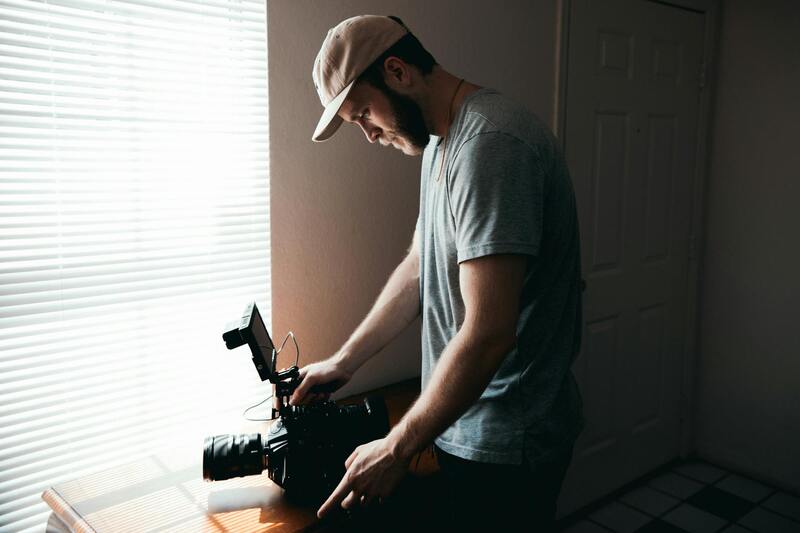
Variety is equally critical. Showcase a broad spectrum of event settings—corporate conferences, weddings, social galas, community festivals—and different client needs. This demonstrates your adaptability and readiness to handle diverse scenarios. When selecting photos, aim for a balance between intimacy and grandeur, detail and action, posed shots, and candid moments. Including images with varying lighting conditions and compositions further exhibits your technical range.
Consistency in editing style is vital for creating a cohesive visual narrative within your portfolio. Uniform color grading, contrast levels, and tonal adjustments help establish your unique artistic voice, making your work instantly recognizable. Carefully curate your selections to highlight your strongest work—quality should always trump quantity—crafting a portfolio that impresses after each viewing and encourages potential clients to envision you as their event photographer.
Additionally, pay close attention to the storytelling flow of your portfolio. Organize images in a logical sequence or thematic groupings that guide viewers seamlessly through your work. This strategic arrangement not only showcases your diverse skill set but also enhances the overall user experience—an essential factor when your portfolio is hosted online or presented in a physical format.
Regular review and update of your portfolio ensure it remains current and continues to reflect your evolving skills and style. Incorporate new projects, experiment with different event types, and refine your presentation based on feedback and self-assessment. Maintaining an up-to-date portfolio highlights your ongoing commitment to excellence and readiness to meet contemporary client expectations in Miami’s dynamic event scene.
Design and Layout Tips for a Professional Portfolio
Crafting a compelling event photographer portfolio requires more than just selecting impressive images; the presentation itself plays a crucial role in leaving a lasting impression. A clean, well-organized layout ensures that viewers focus on your work without unnecessary distractions. Utilizing a grid-based design allows for uniformity and visual cohesion, making it easier for potential clients to browse through your collection seamlessly.
White space is vital in preventing clutter and enhancing visual clarity. Adequate margins and spacing help each image breathe, allowing viewers to appreciate the details without feeling overwhelmed. It’s essential to balance image size and spacing to create a harmonious flow that guides the eye naturally across your portfolio.
Navigation must be intuitive. Incorporate clearly labeled sections or categories based on event types, styles, or seasons to facilitate quick access to specific galleries. Responsive design ensures your portfolio maintains its professional appearance across all devices, whether viewed on desktops, tablets, or smartphones. Consistent typography and a cohesive color palette contribute to a polished aesthetic, reinforcing your brand identity as an event photographer.
Furthermore, integrating simple interactive elements such as hover effects or lightboxes allows viewers to engage more dynamically with your images, encouraging longer site visits. Ensure your contact information and call-to-action buttons are easily accessible, preferably positioned at the top or bottom of each page, to streamline inquiries and bookings.
Consistent updates with new projects and refreshed layouts reflect your commitment to evolving your craft and understanding of modern design principles. A thoughtfully designed portfolio sends a professional message, emphasizing your attention to detail and dedication to quality—core qualities that clients seek in an event photographer.
Understanding the Importance of a Strong Event Photographer Portfolio
An expertly crafted portfolio serves as the visual resume of an event photographer, showcasing versatility, technical skill, and an eye for capturing fleeting moments. In a competitive market like Miami, where clients seek talented professionals to immortalize their special occasions, the portfolio is often the first impression potential clients encounter. A comprehensive and well-organized event photographer portfolio not only demonstrates a photographer’s proficiency but also builds trust and credibility, essential for converting inquiries into bookings.
These portfolios function as tangible evidence of a photographer's capacity to adapt to various event settings, lighting conditions, and client preferences. They allow prospective clients to assess the photographer’s style and evaluate whether it aligns with their vision. Additionally, strategic presentation of a diverse array of images helps communicate professionalism and a commitment to quality, which can distinguish one photographer from another in a saturated market like Miami.
Investing in a compelling portfolio is an investment in a photographer’s reputation. It acts as a visual dialogue, revealing the photographer's story, technical mastery, and unique perspective. When well-curated, it enhances credibility, encourages word-of-mouth referrals, and ultimately increases the likelihood of securing premium clients who seek exceptional coverage for their events.
Key Elements of an Effective Event Photography Portfolio
- Diversity of Content: Incorporate images from various event types such as weddings, corporate functions, festivals, and private parties to illustrate adaptability to different environments and client needs.
- Consistency in Style and Quality: Ensure all images maintain a professional aesthetic and reflect your signature style, whether it's candid, documentary, or fine art photography.
- Visual Narrative: Arrange images to tell a story, showcasing the progression of an event from start to finish. This creates an immersive experience for potential clients reviewing your work.
- Technical Excellence: Highlight sharpness, proper exposure, and thoughtful composition, demonstrating your mastery of camera techniques and editing.
- Client Testimonials and Behind-the-Scenes Shots: Incorporate genuine client feedback and some behind-the-scenes images to add authenticity and personality to your portfolio.
Selecting and Curating Photos for Your Portfolio
Curating your event photography portfolio requires a discerning eye. Select only your best work, emphasizing images that clearly showcase your technical skill and storytelling ability. Prioritize photos with emotional impact, dynamic compositions, and effective use of lighting. Avoid overloading your portfolio with excessive images; instead, focus on quality over quantity to keep viewers engaged.
Organize your selections logically—perhaps by event type or chronological order—to guide viewers seamlessly through your capabilities. Consider creating categories or galleries that highlight specific skills such as portraiture, candid shots, or group arrangements. Regularly review and update your portfolio to reflect your evolving style and recent work, ensuring that your presentation remains fresh and relevant.
Design and Layout Tips for a Professional Portfolio
A clean, organized layout emphasizes your images and prevents visual clutter. Implement a grid or masonry style that allows images to breathe while maintaining a cohesive look. Use consistent spacing, margins, and aspect ratios to create a balanced flow across the portfolio. Incorporate adequate white space around images to enhance focus and visual clarity.
Navigation should be intuitive; categorize your work clearly based on event types or themes, enabling visitors to find relevant galleries effortlessly. Ensure your website design is responsive, maintaining aesthetic integrity across desktops, tablets, and smartphones. Consistent typography and a refined color palette reinforce your brand identity and project professionalism.
Integration of subtle interactive elements, like hover effects or lightbox displays, enhances user engagement without distracting from the images. Position contact information and call-to-action buttons in prominent locations, facilitating easy communication and queries from potential clients.
Maintaining a portfolio that is visually engaging yet straightforward demonstrates your dedication to quality and client service. Regular updates with fresh content not only showcase your latest projects but also signal active engagement in your craft and responsiveness to industry trends.
Showcasing Experience with Different Event Types
To demonstrate versatility and attract a broader client base, an event photographer's portfolio must include a diverse range of event types. This not only highlights your adaptability but also provides potential clients with tangible examples of your skills across various settings.
Some of the primary event categories to feature include corporate events, weddings, birthdays, galas, charity functions, festivals, and banquets. Each category requires a distinct approach to composition, lighting, and storytelling. For instance, corporate event photography emphasizes professionalism and capturing keynote moments, while wedding portfolios focus on emotion, intimacy, and dynamic candid shots.
In addition to traditional events, consider showcasing specialized shoots such as award ceremonies, trade shows, or community gatherings. These images provide evidence of your ability to adapt to different environments and client expectations. A well-organized portfolio should categorize images logically, allowing viewers to browse based on their interest areas with ease.
When selecting images for each event category, prioritize those that tell a story and evoke emotion. Authentic moments resonate more with viewers than overly staged shots. Ensure that each included image reflects your technical proficiency, such as proper exposure, focus, and composition. High-quality images taken under optimal conditions will strengthen your portfolio's impact.
Furthermore, include images that reflect your skill in handling varying lighting conditions, from dimly lit banquet halls to outdoor daytime events. Demonstrating your command over different lighting scenarios reassures prospective clients of your capacity to produce professional results in any setting.
Real-world event photography often involves rapid response times and adaptability, qualities that should be evident in your portfolio. Select images that showcase your ability to navigate complex scenes, manage multiple subjects, and capture decisive moments, all while maintaining composure and artistry.
Consistent presentation of diverse event types underscores a comprehensive skill set, which is crucial for standing out in a competitive market. By curating a portfolio that encapsulates your experience across various event landscapes, you effectively position yourself as a versatile and reliable event photographer capable of meeting unique client needs with professionalism and creativity.
Strategies for Legally Showcasing Your Event Photography Work
Building a compelling event photographer portfolio requires not only skill and creativity but also a clear understanding of how to present your work within established legal frameworks. Ensuring that your images are displayed appropriately involves sourcing content that is either self-created or has explicit permission for public sharing. This approach not only maintains ethical standards but also enhances your reputation as a professional photographer committed to integrity.
When curating images for your portfolio, always use photographs you have personally taken and hold the rights to. This prevents potential disputes and reinforces your authenticity as a photographer. If you incorporate images provided by clients or collaborators, ensure you have documented consent and a clear understanding regarding their use in promotional materials. Proper documentation can be invaluable in demonstrating your adherence to best practices and respecting privacy agreements.
Another critical aspect involves understanding the scope of licensing and copyright laws that govern photographic content. Opt for images that are unencumbered by usage restrictions or ensure you have acquired necessary permissions or licenses. This guarantees that your portfolio remains compliant across all platforms where it is showcased, whether on your website or third-party directories.
Additionally, when including work from past events, it’s beneficial to anonymize sensitive details if necessary. This may include obscuring identifiable signage, logos, or personal details unless you have explicit permission to display them. Such practices demonstrate respect for clients’ privacy and adherence to ethical content sharing standards.
Utilizing watermarking techniques is another method to protect your work when showcasing images online—not only does it diminish unauthorized use, but it also subtly promotes your brand. Watermarks should be discreet enough not to detract from the visual impact but sufficiently visible to discourage misuse or theft. Ensure that your watermarking strategy aligns with the presentation of your portfolio without compromising the image quality or viewer experience.
To further solidify your professional standing, consider documenting your process for obtaining images and permissions. Keeping a detailed record of all consents and licensing agreements can serve as evidence of your transparency and adherence to recognized practices. This due diligence fosters trust with potential clients and partners, positioning you as a responsible and reliable event photographer.
safeguarding the integrity of your event photographer portfolio through proper documentation and permissions
In maintaining a professional and credible portfolio, it is essential to keep meticulous records of all permissions, licenses, and consents obtained for each image showcased. This process involves documenting when client approvals are secured, especially if images contain identifiable information or proprietary elements. Such documentation acts as a testament to your adherence to best practices and demonstrates transparency, which is highly valued in the industry.
Storing these records securely, whether digitally or in physical form, ensures that you can readily provide proof of authorized use when necessary. This is particularly important when your work is featured on multiple platforms or in licensing agreements. Maintaining clear and organized records not only protects your reputation but also supports your credibility during client inquiries or disputes, reinforcing your status as a responsible and professional event photographer.
Moreover, implementing consistent watermarking strategies helps protect your visual content from unauthorized use. Watermarks should be discreet yet visible enough to deter misuse, subtly branding your images and discouraging theft while allowing viewers to appreciate the photograph’s quality. Combining watermarking with documented permissions and licensing provides a comprehensive approach to safeguarding your creative output and upholding ethical standards within the industry.

Regularly reviewing and updating your portfolio to include recent work reflects your ongoing growth as a photographer and ensures your presentation remains current. This process involves removing outdated or less impactful images and adding new, high-quality shots that demonstrate your versatility and skill across various event types. Staying up-to-date with your best work not only showcases your evolving talent but also aligns with client expectations and industry standards.
When managing your portfolio, consider creating a systematic approach for updates. Schedule periodic reviews to assess image quality, relevance, and diversity. Integrate feedback from clients and peers to refine your selection. Additionally, keep records of permissions and licensing for new images so that your portfolio remains a trustworthy showcase of your capabilities. Consistent updates signal dedication to excellence and help you stay competitive in the dynamic Miami event scene.