Definition of Even Photo and Its Significance
An even photo refers to an image that exhibits visual symmetry and balance, creating a harmonious and aesthetically pleasing effect. This quality can be achieved through careful composition, lighting, and posture, ensuring no part of the image overwhelms or distracts from the overall scene. The importance of an even photo extends beyond mere visual appeal; it enhances clarity, directs viewer focus, and conveys professionalism in various photographic settings.
In practical terms, an evenly balanced photo often features well-aligned subject placement, consistent lighting across the frame, and uniform color tones. The overall impression is one of stability and coherence, which is vital in commercial, portrait, and landscape photography alike. Achieving this balance helps viewers process the image quickly and interpret its message more effectively, making it a crucial component of high-quality visual communication.
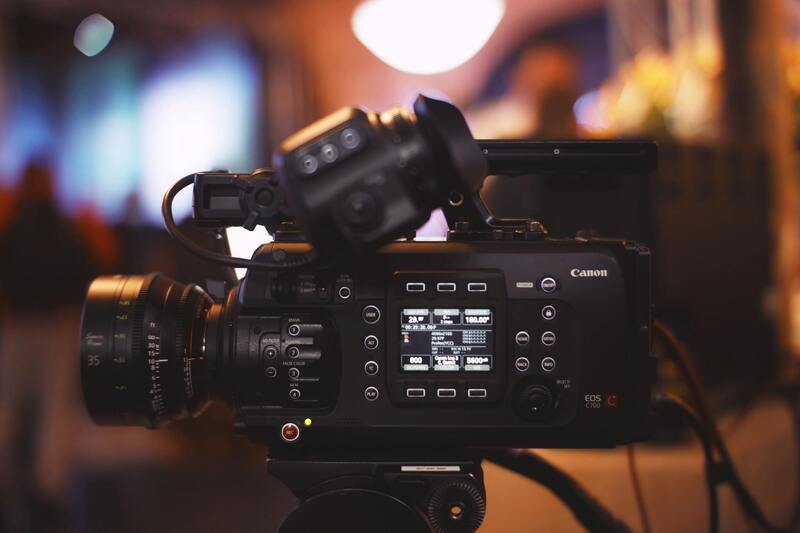
In addition to aesthetic benefits, the significance of an even photo is recognized in fields such as branding, marketing, and documentation. Consistent visual presentation supports brand recognition and helps establish credibility. Whether used for professional portfolios, advertising campaigns, or informational content, the significance of an even photo lies in its ability to communicate effectively while maintaining visual harmony.
Common Techniques for Capturing Even Photos
To produce an even photo, photographers typically employ several core techniques that ensure balance and symmetry. These include precise framing, meticulous lighting setups, and posture alignment, among others.
- Symmetric Composition: Arranging the subject and elements within the frame so that they mirror each other or are centered, enhancing visual stability.
- Use of Grids and Guides: Leveraging camera grids or built-in compositional tools to align elements precisely.
- Consistent Lighting: Ensuring uniform light distribution to avoid uneven shadows or highlights that can disrupt balance.
- Subject Positioning: Placing subjects at the focal points or centers to maintain symmetry and emphasis.
- Perspective Management: Shooting from angles that naturally produce balanced compositions, such as eye level or straight-on viewpoints.
Mastering these techniques requires skill and attention to detail, ensuring that each element within the frame contributes to the overall harmony of the image.
Tools and Equipment for Ensuring Even Photos
Utilizing appropriate tools significantly enhances the ability to capture even photos with consistency and precision.
- Tripods and Stabilizers: Reduce camera shake and maintain consistent framing across multiple shots.
- Camera with Grid Overlay: Built-in grid options assist in aligning subjects and elements more accurately.
- Lighting Equipment: Softboxes, reflectors, and diffusers help achieve uniform lighting and minimize shadows.
- Remote Shutters or Timers: Reduce vibrations and ensure sharp, balanced images.
- Post-Processing Software: Applications like Photoshop or Lightroom can refine balance, correct minor misalignments, and enhance uniformity after capture.
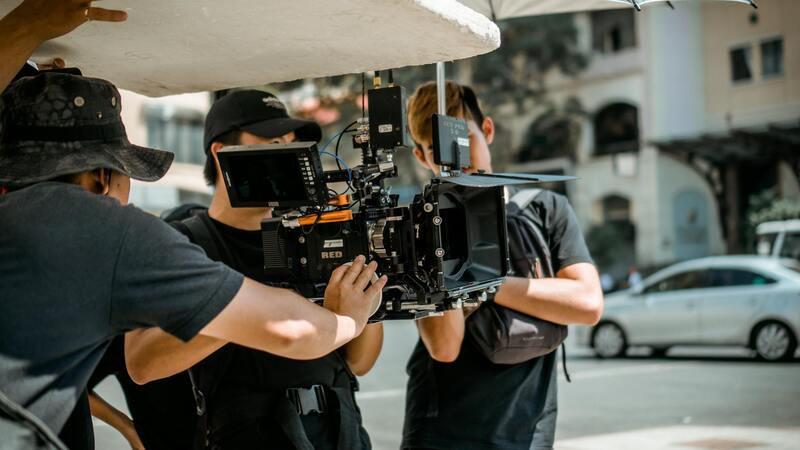
Editing Practices to Enhance Evenness in Photos
Post-production plays a pivotal role in refining the evenness of photographs. Editing techniques focus on correction and adjustment to achieve optimal visual balance.
- Cropping: Reframing the image to remove distractions and center core elements properly.
- Leveling and Straightening: Correcting tilted horizons or skewed perspectives for symmetry.
- Brightness and Contrast Adjustment: Maintaining even lighting tones across the image to prevent uneven highlights or shadows.
- Color Correction: Ensuring consistent color balance and saturation, which contributes to visual harmony.
- Cloning and Retouching: Minor fixes to correct uneven textures or blemishes that disrupt balance.
These practices are integral to professional workflows, enabling creators to deliver polished, balanced visuals that meet high standards of quality.
Applications of Even Photos in Different Industries
Many industries rely heavily on the strategic use of even photos to communicate messages clearly and effectively. From commercial advertising to education, balanced images serve specific functions:
- Advertising: Ensuring product images appear appealing and professional, which influences consumer perception.
- Portrait Photography: Achieving flattering and harmonious representations of individuals.
- Real Estate: Showcasing properties with balanced perspectives to attract potential buyers.
- Fashion: Highlighting garments and accessories through well-composed, even photos.
- Scientific Documentation: Accurate, balanced images support clarity in research and data presentation.
Benefits of Using Even Photos in Visual Content
The strategic application of even photos enhances visual content’s effectiveness. Benefits include:
- Increased Engagement: Well-balanced images attract viewers and encourage interaction.
- Enhanced Professionalism: Consistently high-quality visuals reflect credibility and authority.
- Improved Recognition: Symmetrical and balanced images reinforce brand identity and messaging.
- Clarity and Focus: Clear, evenly composed photos draw attention to key features and messages.
- Versatility: Even photos are adaptable across various media formats and platforms, offering uniformity and coherence.
Tools and Equipment for Ensuring Even Photos
Achieving perfectly balanced photos is largely dependent on the quality and proper utilization of various tools and equipment. Professional photographers rely heavily on a combination of hardware and accessories designed to facilitate consistency and precision in image capture. The right equipment not only improves the chances of producing even photographs but also minimizes the need for extensive post-processing.
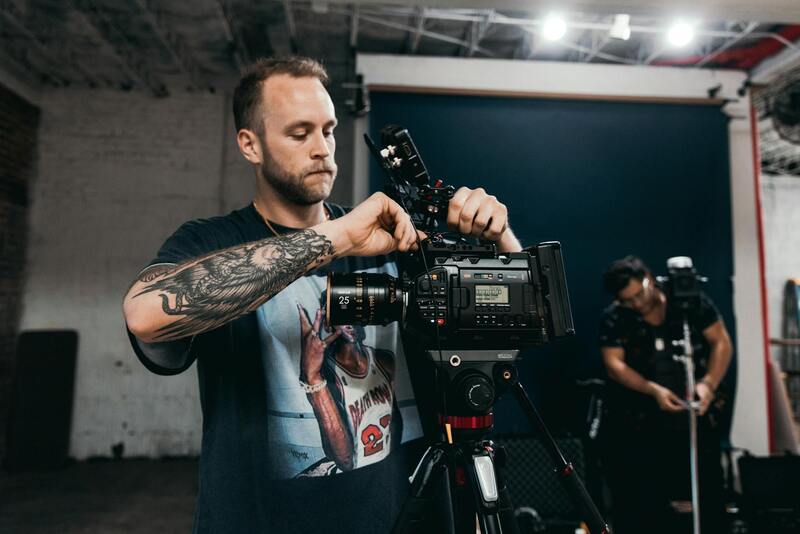
- High-Quality Camera: Utilizing a camera with adjustable settings ensures optimal control over exposure, focus, and white balance, which are critical for balanced images.
- Tripods and Stabilizers: Steady framing prevents motion blur and ensures consistent composition across shots, a necessity for symmetry and evenness.
- Lighting Equipment: Softboxes, diffusers, and LED panels help create uniform illumination, reducing harsh shadows and uneven light distribution.
- Reflectors and Bounce Boards: These tools help manipulate natural and artificial light sources, directing light precisely where needed for even lighting on the subject.
- Remote Shutter Releases: Minimize camera shake during shot initiation, ensuring crisp, balanced images.
- Color Calibration Tools: Devices like color checkers help maintain consistent white balance, preventing color casting that can disrupt evenness.
Investing in these tools allows for controlled, repeatable captures, which is essential for producing even, professional-quality photos. Proper setup and understanding of each piece of equipment can significantly streamline the photographic process, especially in studio settings or where light conditions are controlled.
Edit Practices to Enhance Evenness in Photos
Post-processing plays a vital role in aligning the visual balance of photographs. Effective editing practices focus on refining details, correcting inconsistencies, and enhancing the overall quality to achieve a uniform appearance. Key techniques include:
- Adjusting Exposure and Brightness: Fine-tune these settings to ensure even lighting across every part of the image.
- White Balance Correction: Standardize color tones to eliminate unnatural hues that can disturb visual harmony.
- Contrast and Curves Adjustment: Balance tonal ranges, making the image appear more cohesive and visually appealing.
- Cloning and Healing: Remove blemishes or distracting elements that could disrupt symmetry or balance.
- Sharpness and Detail Enhancements: Emphasize key features uniformly to avoid areas of over- or under-emphasis.
- Alignment and Cropping: Use grid overlays to straighten horizons and align components, ensuring the overall composition stays consistent and even.
Advanced editing software offers robust tools that assist in mastering these adjustments, turning good captures into professional, evenly balanced images.
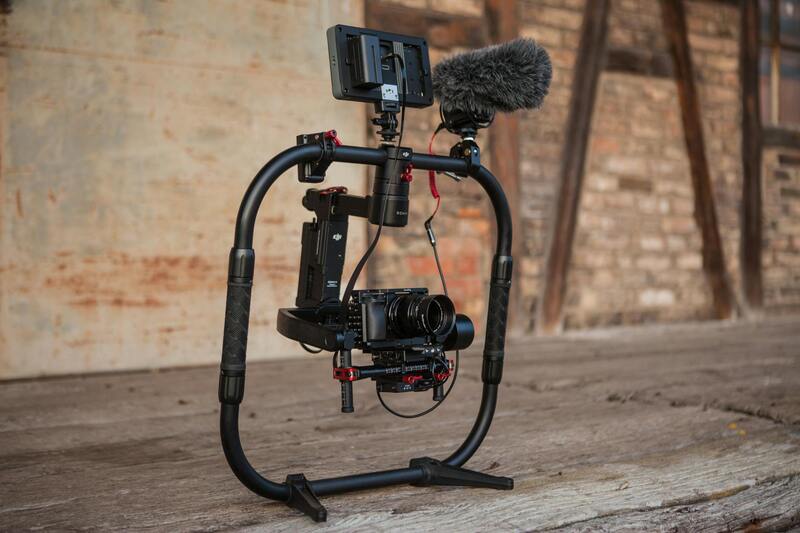
Tools and Equipment for Ensuring Even Photos
Achieving perfectly balanced and even photographs requires specialized tools and equipment that help control and optimize image capture conditions. Tripods are fundamental for stabilizing the camera, preventing shaking and ensuring consistent framing, especially during prolonged exposures or in low-light scenarios. A sturdy tripod ensures that the camera remains fixed in position, allowing for precise adjustments and repeatability in shots.
Lighting kits are equally essential. Consistent lighting reduces unwanted shadows and highlights, contributing to an even distribution of light across the subject. Softboxes, diffusers, and reflectors are commonly employed to soften light sources and eliminate harsh contrasts, which can disrupt visual uniformity. In professional settings, adjustable LED panels with dimming features enable the operator to fine-tune illumination levels, ensuring that every part of the scene receives adequate and uniform brightness.
In addition to physical equipment, high-quality filters and lens accessories can aid in controlling reflections and glare that may affect the appearance of a photo. For example, polarizing filters can be adjusted to reduce reflections and enhance color saturation, contributing to a more evenly toned image. Optical stabilization features within the camera body or lens also play a vital role in capturing sharp, evenly exposed images even in challenging shooting conditions.
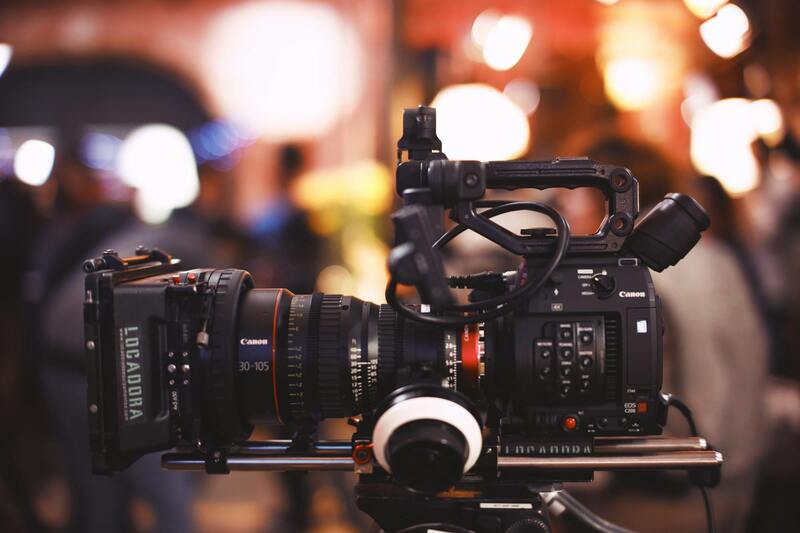
On the post-processing side, editing software offers a suite of tools designed to refine evenness. Software like Adobe Photoshop and Lightroom allows users to adjust exposure, white balance, contrast, and sharpness with precision. Layer masks and adjustment brushes enable targeted corrections, helping to eliminate inconsistencies and enhance the overall uniformity of the image. Using these tools effectively can transform a well-composed but slightly uneven shot into a polished, balanced photograph suitable for professional presentation.
In the realm of digital workflows, calibration tools for monitors and cameras assure that the equipment used for editing maintains color accuracy and tonal consistency. This consistency in device calibration ensures that the adjustments made during editing translate effectively across different viewing platforms, preserving the evenness and quality of the photographs.
Tools and Equipment for Ensuring Even Photos
Successful capture of evenly exposed and balanced photographs relies heavily on the quality and appropriateness of the tools and equipment used. Professional photographers and image technicians often invest in high-grade gear to guarantee consistency and precision in their shots.
Tripods are essential for maintaining stability during shooting, minimizing camera shake, and ensuring uniform exposure across multiple images. This is particularly vital when photographing scenes that require multiple exposures or compositing, where alignment and even light distribution are critical.
Lighting kits equipped with adjustable LEDs or studio strobes help achieve consistent illumination. Use of diffusers and softboxes ensures even light spread, reducing harsh shadows and hotspots that can lead to unevenness in photos. When natural light is insufficient or inconsistent, controlled artificial lighting becomes indispensable in establishing a uniform light environment.
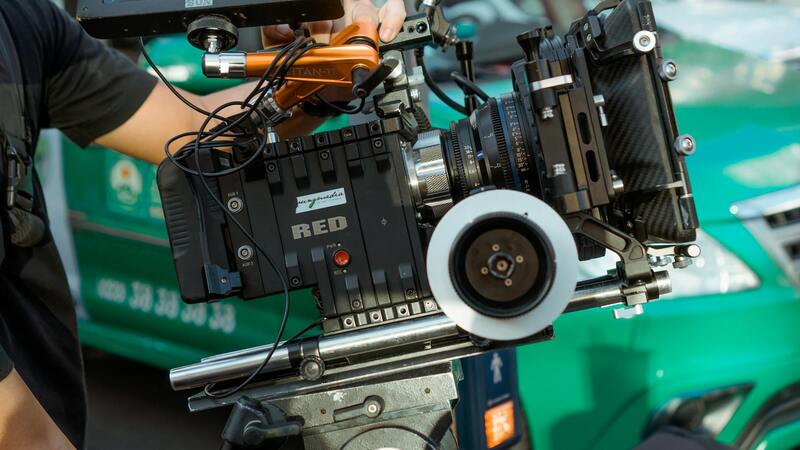
Filters, such as polarizers and neutral density filters, are also critical. Polarizing filters reduce unwanted reflections, glare, and surface sheen—factors that often cause uneven brightness—while neutral density filters help in balancing exposures in high-contrast scenes by controlling light intake.
Lens accessories, like hood filters and lens caps, alongside precise focusing mechanisms, further assist in maintaining clarity and uniform sharpness throughout the photograph. For capturing wide scenes or multiple subject shots, panoramic heads and articulating mounts help maintain perspective and prevent distortions that can compromise evenness.
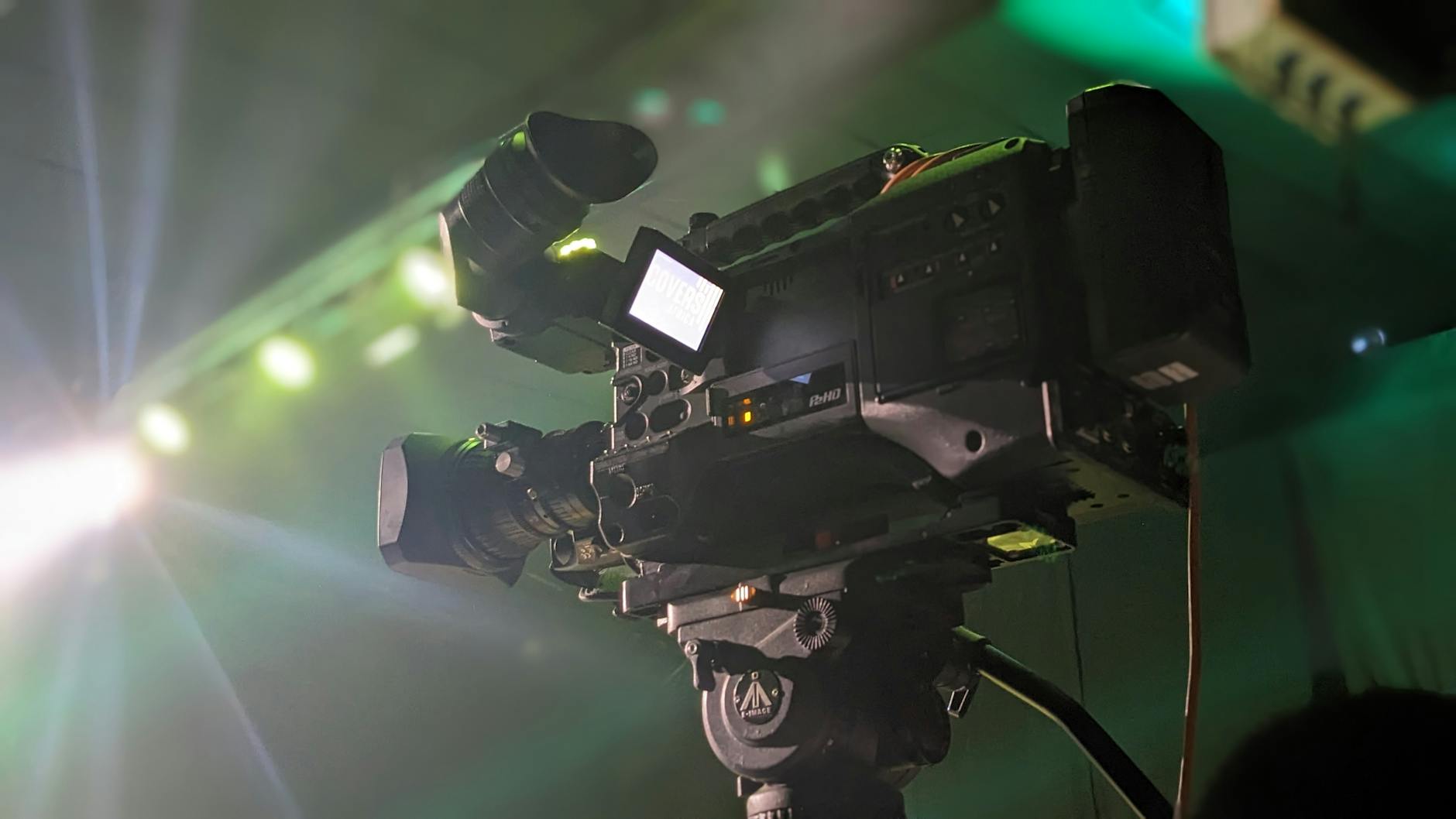
In addition to physical tools, calibration devices such as color and light meters are vital for aligning camera settings precisely with the environment. These tools allow for repeated, accurate exposures across multiple shots, ensuring that each image maintains the same tonal qualities, making them particularly useful in product, fashion, and commercial photography.
Finally, advanced editing and post-processing hardware, including calibrated monitors and graphic tablets, provide the accuracy needed for fine-tuning images. Such tools support precise adjustments, enabling the correction of any inconsistencies to achieve a perfectly balanced final photograph.
Definition of even photo and its significance
An even photo refers to an image that exhibits uniform exposure, brightness, and tonal balance across its entire frame. This consistency ensures that no areas are overly bright or excessively dark, and that details remain visible throughout. Achieving such balance is crucial for professional photography, where the fidelity of tonal representation can significantly impact the viewer’s perception of quality. An evenly exposed photo maintains visual harmony, reducing distractions caused by uneven lighting or exposure issues. In commercial settings, this level of consistency communicates professionalism and enhances the overall aesthetic appeal, making products, scenes, or subjects more attractive and accessible to audiences.
Importance of even photos in visual storytelling
Even photos play a pivotal role in storytelling by directing viewer attention seamlessly across the frame. They allow actual details to stand out without being overshadowed by lighting discrepancies. Whether used in product catalogs, fashion shoots, or landscape imagery, an even photo ensures that the viewer’s focus remains on the intended subject rather than undesirable lighting effects. For businesses and content creators aiming to establish credibility and trust, producing images with consistent tonal qualities reinforces their brand’s integrity and quality standards, making even photos an essential element in their visual communication strategy.
Common techniques for capturing even photos
Achieving an even photo requires a combination of technical mastery and strategic planning. Photographers often employ specific methods to prevent uneven exposure and maintain uniformity throughout their images:
- Manual camera settings: Adjusting aperture, shutter speed, ISO, and aperture manually offers precise control over exposure, preventing overexposed or underexposed sections.
- Utilization of graduated ND filters: These filters help balance exposure between the sky and ground in landscape photography, ensuring neither is overly dominant.
- Spot metering and exposure bracketing: These techniques enable photographers to capture multiple exposures for different areas of the scene, which can be combined later for uniform tone distribution.
- Consistent lighting conditions: Shooting in controlled environments or during specific times of the day minimizes unpredictable natural light fluctuations.
- Use of light modifiers: Softboxes, diffusers, and reflectors help evenly distribute light, reducing harsh shadows and bright spots.
Choosing the right technique depends on the scene, subject, and desired outcome. Combining several approaches often yields the best results for achieving balanced exposure across diverse photographic scenarios.
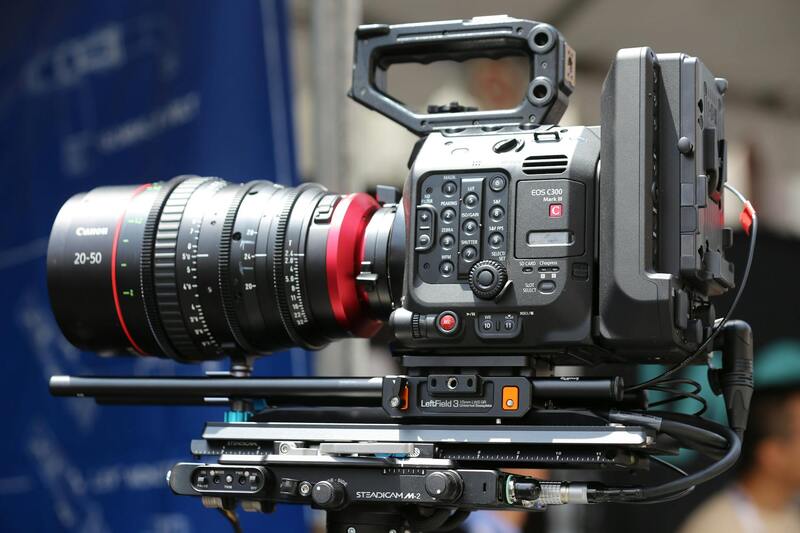
Tools and equipment for ensuring even photos
The path to consistently capturing even photos is supported significantly by specialized tools and equipment designed to optimize exposure and tonal accuracy:
- Light meters: Handheld devices that measure light intensity across the scene, enabling precise adjustments to camera settings for uniform exposure.
- Tripods and stability gear: Ensures sharpness and prevents unintended camera movement which can cause uneven focus and exposure inconsistencies.
- Camera with manual controls: Essential for adjusting exposure settings accurately to suit specific lighting conditions.
- Color calibration tools: Devices like color charts and calibration targets help achieve consistent color reproduction, which correlates with tonal balance in photos.
- Photo editing software: Applications such as Adobe Lightroom or Photoshop are invaluable for fine-tuning exposure, contrast, and brightness to perfect the evenness of the final image.
Effective use of these tools can dramatically enhance the likelihood of capturing images with balanced exposure, especially in challenging lighting environments.
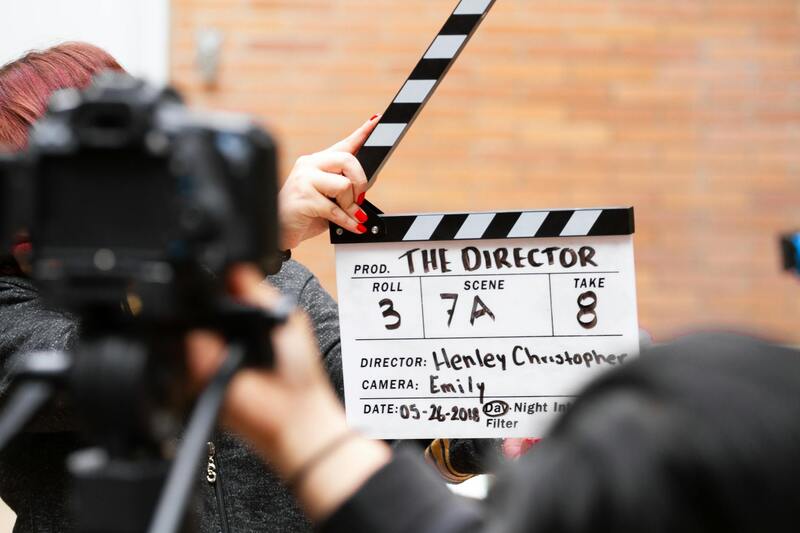
Definition of even photo and its significance
An even photo refers to an image that exhibits a consistent balance of light, shadow, and color across its entire frame. This balanced exposure ensures that no particular area of the photograph is overly bright or dark, allowing viewers to perceive the scene naturally and clearly. Achieving an even photo is crucial in various professional photography contexts, such as product, architectural, and commercial photography, where clarity and detail are paramount. The significance of such images lies in their ability to communicate information effectively, create a professional appearance, and serve as reliable visual content for branding, marketing, and documentation purposes.
Key aspects of an even photo include:
- Uniform exposure across different regions of the image
- Balanced tonal range without harsh contrasts
- Consistent color reproduction that maintains scene integrity
- Sharpness and focus maintained throughout the frame
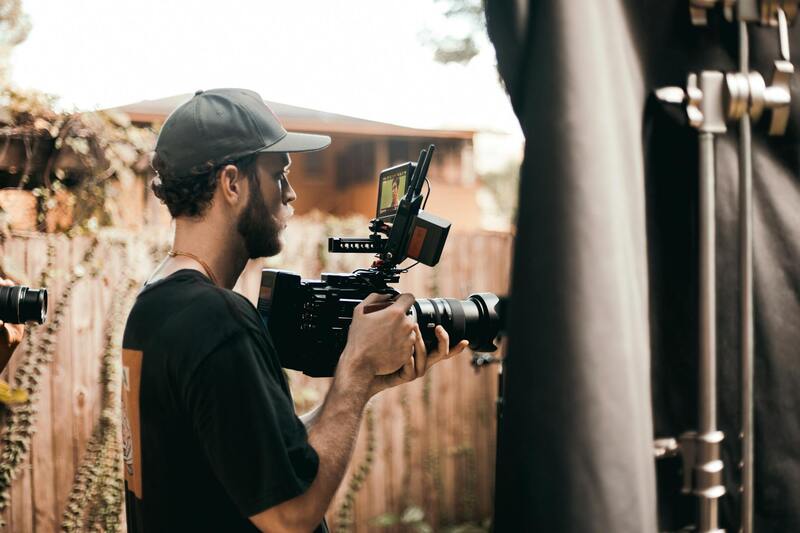
Common techniques for capturing even photos
Capturing an even photo requires deliberate technique and an understanding of lighting dynamics. Photographers utilize various methods to ensure the scene is evenly illuminated and exposed, especially in environments with complex or challenging lighting conditions.
Techniques include:
- Utilizing natural light strategically: Positioning subjects to leverage soft, diffuse natural light reduces harsh shadows and highlights. Shooting during golden hours or on overcast days often provides a naturally even light source.
- Controlling artificial lighting: Employing diffusers, reflectors, or softboxes spreads artificial light evenly across the subject, minimizing unwanted glare or shadow pockets.
- Manual camera settings: Adjusting ISO, aperture, and shutter speed manually ensures consistent exposure based on scene conditions. Bracketing exposures can also help in blending images for a balanced result.
- Proper metering techniques: Using spot, center-weighted, or evaluative metering modes helps in assessing the exposure distribution of the scene to make informed adjustments.
- Post-processing adjustments: Fine-tuning brightness and contrast during editing can correct minor exposure inconsistencies, rendering the image more even and professional.
Tools and equipment for ensuring even photos
To systematically achieve even lighting and exposure, photographers turn to specific equipment designed to refine their capture process. The right tools not only improve precision but also streamline workflow, especially in complex scenes or challenging illumination conditions.
Essential tools include:
- Light meters: Handheld devices that measure light intensity at various points in a scene, guiding optimal camera settings to achieve uniform exposure.
- Tripods and stabilizers: They ensure camera stability, preventing blurriness and allowing for precise framing and exposure control.
- Manual control cameras: Cameras with extensive manual settings facilitate exact adjustments tailored to specific lighting situations.
- Color calibration tools: Color charts and calibration targets help maintain consistent color and tonal accuracy during editing.
- Post-processing software: Applications like Adobe Lightroom and Photoshop provide tools for fine-tuning exposure, contrast, and color to enhance evenness in the final image.
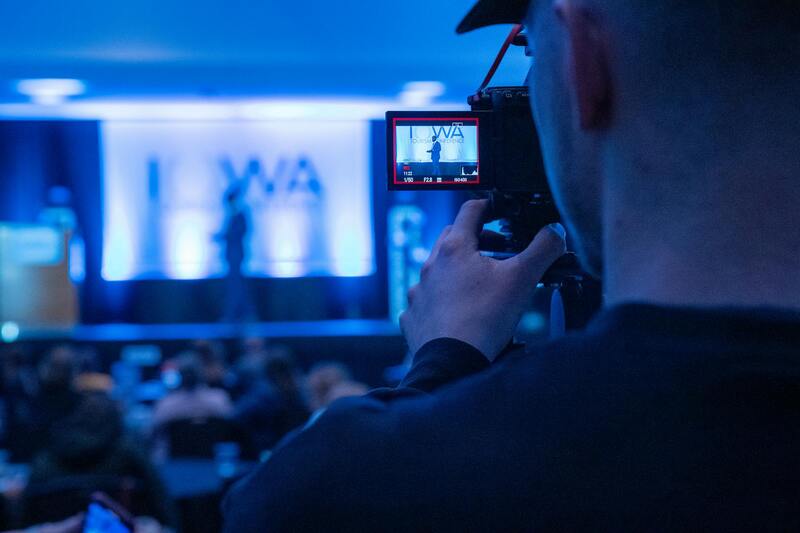
Editing practices to enhance evenness in photos
While capturing an even photo depends significantly on technique and equipment, post-processing plays a vital role in perfecting the overall exposure and tonal consistency. Through careful editing, photographers can correct minor inconsistencies, ensuring the final image is evenly exposed and visually appealing.
Effective editing practices include:
- Adjusting exposure and brightness: Fine-tune these parameters to correct areas that are too dark or too bright, achieving a balanced look throughout the image.
- Using graduated filters: These help in controlling exposure in specific parts of the photo, such as bright skies or shaded backgrounds.
- Applying tonal curve adjustments: Modify the tonal curve to improve contrast and ensure smooth transitions between light and shadow.
- Color balancing: Ensuring consistent white balance reduces color casts and enhances overall tonal harmony.
- Localized editing: Masking specific areas allows for targeted adjustments, improving uniformity across the entire composition.
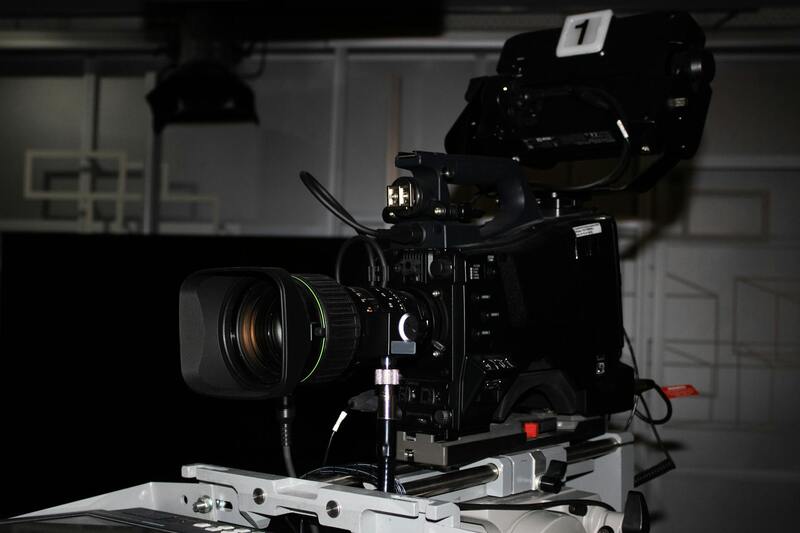
Definition of even photo and its significance
An even photo is characterized by balanced exposure, consistent tonal distribution, and minimal disparities in brightness and color across the entire image. This quality ensures that no part of the photograph appears overly dark or washed out, maintaining visual harmony and clarity. The significance of capturing an even photo lies in its capacity to communicate scenes with realistic tonal accuracy, making the visual content more appealing and easier to interpret by viewers.
Common techniques for capturing even photos
Achieving an evenly exposed photograph often involves the application of specific photography techniques that help manage lighting conditions and exposure settings effectively. Techniques such as bracketing—where multiple images are taken at different exposures and then combined—allow photographers to produce a result with balanced brightness levels throughout. Additionally, utilizing the HDR (High Dynamic Range) imaging technique enables capturing a greater range of tonal details in scenes with high contrast, thereby facilitating an evenly exposed final image.
Proper metering is also essential; using spot, center-weighted, or evaluative metering modes helps in determining the optimal exposure for the scene. For instance, evaluative metering considers the entire frame, averaging the light to set a balanced exposure, which is particularly helpful in complex lighting scenarios. Combining these techniques with an understanding of light direction and intensity can significantly enhance the likelihood of capturing an even photo.
Tools and equipment for ensuring even photos
Several tools and types of equipment are designed to assist photographers in achieving balanced exposure and tonality. Tripods provide stability during shoot, minimizing the risk of motion blur, especially in low-light conditions or during long exposures. Light meters can be used to precisely measure incident and reflected light levels, guiding accurate exposure settings in challenging lighting environments.
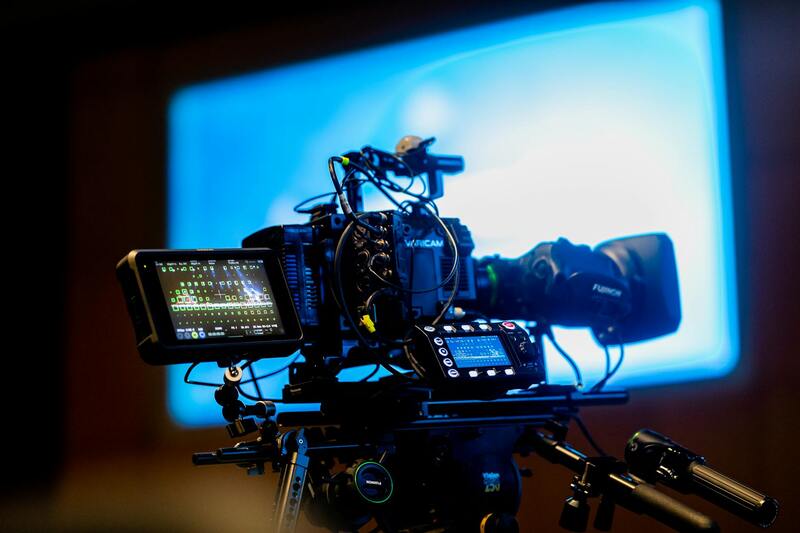
Filters such as neutral density (ND) and graduated filters are instrumental in managing light intensity, especially in high-contrast scenes. ND filters reduce the overall light reaching the camera sensor, allowing for better control over exposure, while graduated filters help balance exposure in scenes with bright skies and darker foregrounds. Modern digital cameras come equipped with advanced sensors and ISO capabilities that further facilitate capturing even photos by automatically adjusting to varying light conditions.
Editing practices to enhance evenness in photos
Post-processing plays a vital role in refining images to achieve perfect exposure and tonal uniformity. Skilled editing involves adjusting parameters such as exposure, contrast, and white balance to correct minor inconsistencies or scene limitations. Using software like Adobe Lightroom or Photoshop allows for precise control over tonal ranges through tools such as the tonal curve and local adjustment brushes.
Techniques like graduated filters and masking in editing software enable targeted adjustments, effectively balancing light levels across different areas of the image. Additionally, applying noise reduction and sharpening selectively enhances details without introducing unwanted tonal variation, contributing to a cohesive and even appearance in the final photograph.
Applications of even photos in different industries
Even photos are invaluable across various sectors, including commercial advertising, real estate, landscape, and fashion photography. In advertising, they ensure product details are uniformly visible, encouraging consumer engagement. Real estate photographers rely on evenly exposed images to accurately showcase property interiors and exteriors, aiding potential buyers in their evaluation.
In landscape photography, even lighting accentuates natural features without overexposure or shadowy areas, drawing viewers’ attention to the scene's details. Similarly, in fashion photography, consistent exposure helps highlight clothing textures, colors, and accessories, resulting in visually compelling promotional content.
Benefits of using even photos in visual content
The strategic use of even photos enhances the overall quality and professionalism of visual content. Balanced images improve viewer experience by facilitating clarity and avoiding visual fatigue caused by overly bright or dark patches. They also streamline storytelling, making it easier for audiences to focus on key elements without distraction from exposure inconsistencies.
Furthermore, consistent exposure in imagery helps in establishing a brand’s credibility by presenting a polished and cohesive aesthetic. For industries that depend heavily on visual impact, high-quality, evenly exposed images serve as a foundation for effective marketing, product presentation, and communication.
Understanding the Role of Uniform Exposure in Photography
Achieving an evenly exposed photograph is crucial for creating images that are both visually appealing and functional across various professional applications. A well-balanced photo ensures that no area appears overly bright or overly dark, allowing viewers to see all the details with clarity. This consistency in exposure not only enhances the aesthetic value of an image but also reinforces the communicator’s intent by presenting a truthful and accessible visual narrative.
Effective Techniques for Capturing Even Photos
Quantity of light, camera settings, and environmental conditions all influence the evenness of a photograph. Photographers often employ several techniques to maintain uniform exposure, including:
- Using a graduated neutral density (ND) filter: This filter reduces the light intensity in specific parts of the frame, balancing exposure between the sky and the foreground in landscape photography.
- Adopting the exposure bracketing method: Multiple images are captured at varying exposures and then combined during post-processing to produce a single, evenly exposed image, especially useful in high-contrast scenes.
- Manual camera settings adjustment: Fine-tuning ISO, shutter speed, and aperture allows precise control over exposure levels, helping achieve uniform lighting across different areas of the photograph.
- Utilizing cloud cover or diffusers: Soft lighting conditions mitigate harsh shadows and highlights, aiding in capturing images with a balanced light distribution.
Essential Tools and Equipment for Achieving Even Photos
Proper equipment can significantly simplify the process of capturing evenly exposed images:
- Digital single-lens reflex (DSLR) or mirrorless cameras: These provide extensive manual control over camera settings, allowing photographers to fine-tune exposure parameters precisely.
- Advanced light meters: Devices that measure the light in a scene, assisting in setting accurate exposure levels before capturing an image.
- Tripods: Stabilize the camera during specific techniques like bracketing or long exposures, reducing the risk of unintended motion blur and ensuring consistency.
- Post-processing software: Applications such as Adobe Lightroom or Photoshop enable adjustments to exposure, contrast, and brightness to perfect the image after shooting.
Optimizing Photos through Editing for Evenness
Post-processing is a vital step in refining and ensuring the evenness of photos. Techniques include:
- Exposure adjustment: Brightening or darkening specific areas to balance light distribution across the image.
- Shadow and highlight controls: Fine-tuning these elements helps reveal details in darker or brighter zones, respectively.
- Gradient filters: Applying digital gradients to selectively modify exposure across a scene, aligning different lighting zones seamlessly.
- HDR merging: Combining multiple exposures to create a single image with balanced light, perfect for scenes with high contrast.
Application Spectrum for Even Photos
The importance of even illumination extends beyond artistic photography, proving essential in various industry sectors:
- Commercial and advertising: Clear, evenly lit images showcase products and services effectively, increasing consumer confidence and engagement.
- Real estate: Even photos help in accurately representing property conditions, making spaces appear inviting and well-maintained.
- Landscape: Balanced exposures reveal the natural beauty of outdoor scenes without shadows obscuring details.
- Fashion: Consistent lighting emphasizes textures, colors, and designs, contributing to impactful promotional campaigns.
Advantages of Consistent Exposure in Visual Content
Using evenly exposed images elevates the professional quality and reliability of visual materials. It improves viewer engagement by making images easier to interpret without confusion caused by uneven lighting. The uniformity supports storytelling by directing attention to key elements without distraction and reinforces brand credibility with a cohesive, polished appearance. These qualities are especially significant in industries where visual impression strongly influences perception and decision-making.
Persistent Challenges and Strategies for Accurate Exposure
Capturing uniformly lit photos can be challenging in dynamic or high-contrast environments. Common hurdles include rapidly changing light conditions, reflections, and shadows. To overcome these obstacles, photographers should:
- Plan shoots during optimal lighting periods such as early mornings or late afternoons to benefit from softer, more even natural light.
- Use fill flash or reflectors to manage shadows created by direct sunlight or harsh artificial lighting.
- Employ exposure bracketing and HDR techniques for complex scenes where uniform exposure is difficult to attain in a single shot.
- Continuously calibrate and maintain equipment, including monitor brightness and camera settings, to ensure consistency during editing.