
Understanding the Importance of Corporate Videos
In today’s dynamic business environment, corporate videos have become an essential component of effective branding, marketing, and corporate communication strategies. Miami, known for its vibrant business community and diverse market, offers numerous opportunities for companies to leverage professional video content to enhance their outreach and engagement. Well-crafted corporate videos serve as a powerful tool to convey a company’s mission, showcase products or services, and build trust with target audiences.
The significance of corporate videos extends beyond mere visual presentation; they are instrumental in shaping brand identity and fostering emotional connections with viewers. High-quality videos can demonstrate a company's values, culture, and expertise in a compelling manner. This is especially crucial in Miami's competitive landscape, where differentiation and authentic storytelling can set a business apart.
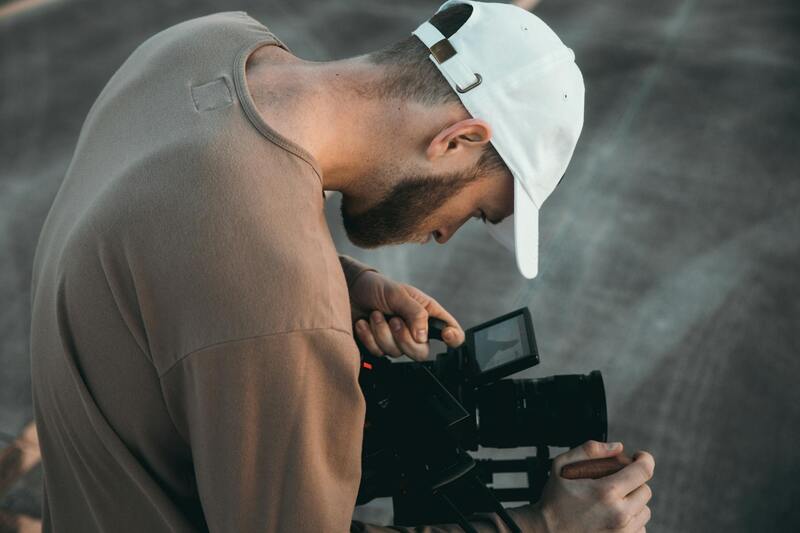
Moreover, corporate videos are versatile assets that can be repurposed across multiple platforms, including social media, websites, trade shows, and internal communications. Their ability to increase visibility and facilitate message retention makes them invaluable tools for marketing campaigns. As digital consumption continues to rise, companies investing in professional video content are better positioned to reach wider audiences and generate meaningful impact.
Precisely produced corporate videos also contribute to establishing credibility and authority within an industry. They allow brands to highlight their expertise, share success stories, and present a consistent narrative that resonates with their audience. In Miami’s bustling business environment, where competition is fierce, having a visually engaging and strategically crafted corporate video can be the distinguishing factor that attracts investors, partners, and clients.
Finally, a professionally executed corporate video conveys a sense of seriousness and professionalism, reinforcing the company’s commitment to quality and excellence. This perception can influence purchasing decisions and foster long-term relationships, ultimately driving business growth. As the market continues to evolve, the value of compelling corporate videos remains undeniable—serving as a vital investment in a company’s branding and communication efforts.
Choosing the Right Location and Permits in Miami
Successfully filming corporate videos in Miami begins with selecting optimal locations that align with the brand’s message and aesthetic vision. Consider iconic landmarks, vibrant cityscapes, or specific business environments that reflect the company’s industry and values. It is essential to evaluate the logistical aspects of each site, including accessibility, lighting conditions, background activity, and privacy considerations.
Securing proper permits is a crucial part of the planning process. Miami has specific regulations for commercial filming that typically require obtaining filming permits from local authorities. This process ensures your production complies with city ordinances, mitigates potential disruptions, and maintains respectful use of public spaces. Permit applications generally involve submitting detailed film schedules, location plans, and proof of insurance. Working closely with Miami’s film commission can streamline this process, providing guidance and ensuring all necessary documentation is in order.
Additionally, coordination with property owners or leasing agents is essential when filming on private property. Establishing clear agreements can prevent legal complications and facilitate smooth access during shooting days. This proactive approach helps avoid delays and preserves the professional integrity of your project.
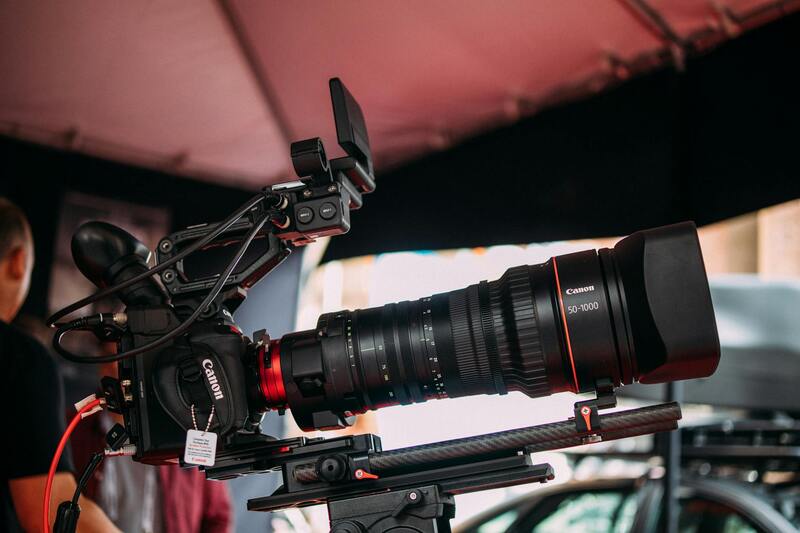
To navigate Miami’s permit landscape effectively, consider consulting with local production specialists familiar with the city’s licensing requirements. They can assist in identifying specific permits needed for various locations, such as downtown Miami, beaches, or parks, ensuring your project remains compliant and on schedule. Remember that permit costs and application processing times vary by location and scope of filming, so plan accordingly to avoid unforeseen delays or expenses.
Understanding the Legal Requirements for Filming in Miami
Securing official permissions is essential for any corporate video project in Miami to proceed smoothly and avoid potential disruptions. This process involves securing appropriate filming permits from local authorities, which ensures adherence to city ordinances and protects both the production team and the public.
To obtain these permits, comprehensive documentation must be submitted, including detailed schedules, location maps, and proof of insurance coverage. Engaging with Miami’s film commission or local licensing agencies early in the planning phase can significantly streamline the application process. They provide guidance on the specific requirements for different types of locations and filming activities, helping production teams navigate bureaucratic procedures efficiently.
When filming on private property, engaging property owners or leasing agents beforehand is crucial. Establishing clear agreements prevents misunderstandings and helps secure convenient access during filming days. These arrangements can include stipulations about production hours, use of facilities, and liabilities—ensuring the project remains compliant and all parties are protected.
Legal adherence extends beyond permits and location agreements. It also involves compliance with local regulations for equipment use, noise levels, and public safety. Some locations may require additional approvals or have restrictions on certain activities, such as drone footage or specialized lighting setups. Consulting with local authorities or experienced production managers ensures these components are properly addressed, preventing costly project delays or legal complications.
Moreover, documenting all interactions, approvals, and correspondence related to permits and agreements fosters transparency and accountability. This record-keeping is valuable for referencing permissions granted and demonstrating compliance during any subsequent inspections or audits.
In essence, thorough preparation of official documentation and permissions forms the backbone of a professional, lawful, and successful corporate video production. It aligns with industry standards and reinforces the credibility of the final product, ensuring that the campaign achieves its marketing objectives while operating within the rights of Miami’s regulatory framework.
Understanding the Legitimacy of Filming Corporate Videos in Miami
When planning to produce a corporate video in Miami, securing the necessary official documentation and permits is fundamental to ensuring a smooth and compliant production process. Film permits are issued by local authorities to control and monitor filming activities within public spaces, thereby safeguarding public interest and minimizing disruptions. These permits typically specify the scope of filming, duration, location, and any restrictions or special conditions. Producing a corporate video without obtaining the appropriate permits can lead to delays, fines, or even halting of the production altogether.
Adherence to local regulations encompasses not only permits but also compliance with specific environmental and safety standards. For instance, certain locations may have restrictions on the use of drones, loud equipment, or special effects that could impact nearby residents or businesses. Additionally, Miami's vibrant urban areas and scenic parks may require additional permissions, especially if drone footage is involved or if the production involves large crews or complex staging.
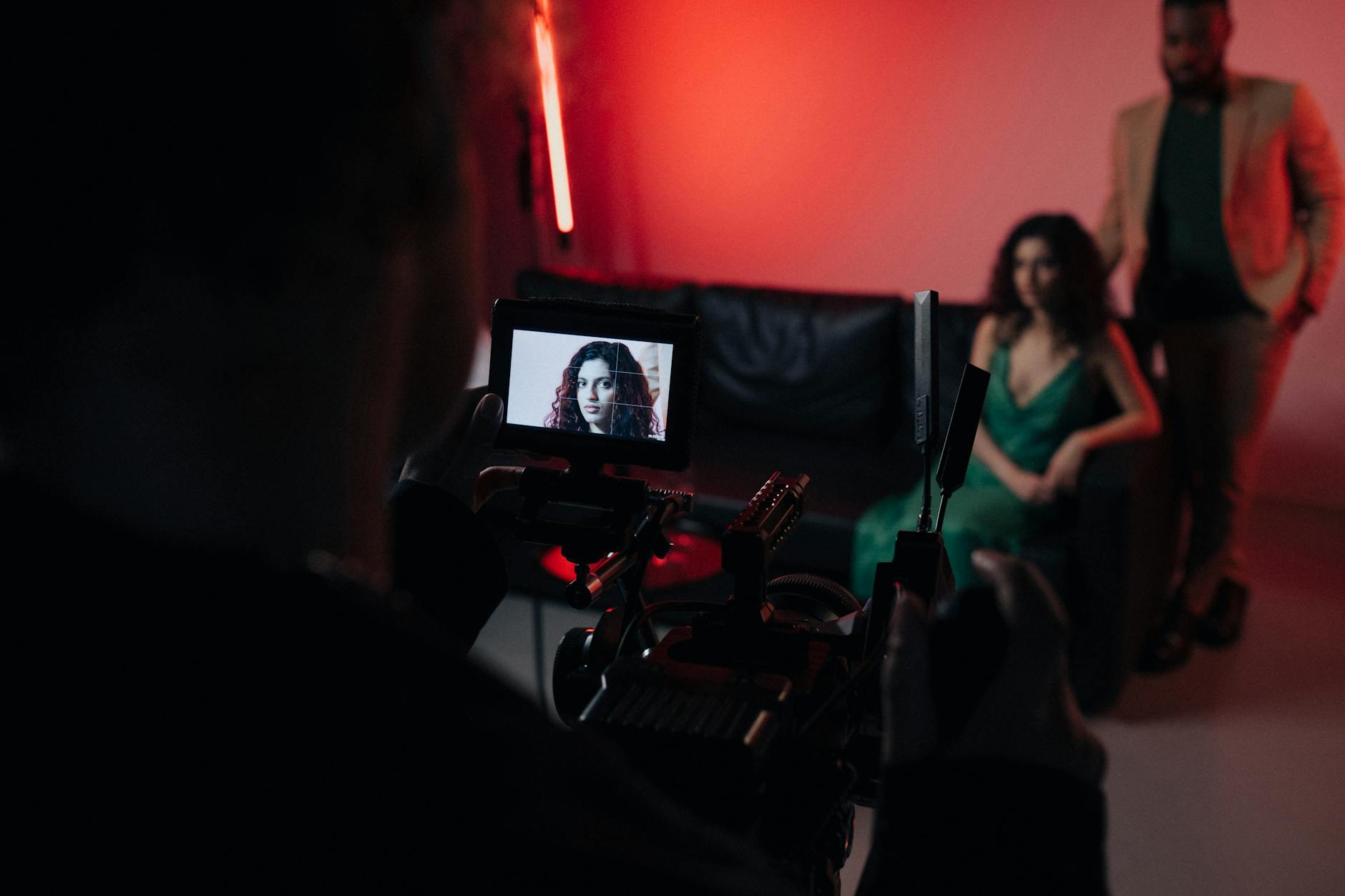
Engaging with local authorities or experienced production managers early in the planning process helps clarify which permissions are necessary and the procedure to acquire them. This proactive approach minimizes the risk of violating local rules and ensures the project aligns with municipal standards. Documentation, including permits, location agreements, and correspondence, should be meticulously managed. Keeping thorough records not only facilitates smooth operations but also demonstrates accountability and compliance during audits or inspections.
In addition to permits, some locations might require Memorandums of Understanding (MOUs) or official permissions from property owners. This formal approval is especially crucial when filming in privately owned spaces or restricted areas. Without such documentation, filming activities could face legal challenges or interruptions. Ensuring all paperwork is correctly completed and stored helps maintain transparency and supports the professional integrity of the project.
Employing these official methods creates a foundation of trust and reliability, reinforcing the reputation of the production team. It demonstrates a commitment to operating within Miami's regulatory framework, which enhances industry credibility and promotes future collaborations. Always remember that addressing these official procedures early on not only prevents costly delays but also contributes to producing a high-quality, compliant corporate video that resonates with viewers and stakeholders.
Establishing Clear Agreements with Locations and Permitting Authorities
Securing the necessary permissions for filming in Miami environments involves adhering strictly to established official procedures, which include thorough coordination with local authorities and property owners. Formal agreements, such as location contracts or permits, serve as essential documentation that specify the scope of filming, duration, and any restrictions or guidelines to be followed. These agreements not only ensure compliance but also foster transparent communication with stakeholders, minimizing misunderstandings or conflicts during production.
Engaging with municipal agencies early in the planning process is advisable to understand the specific requirements applicable to different types of locations. Miami’s regulatory landscape might involve multiple entities, including city departments, zoning boards, or private property authorities, each with their own procedural nuances. Presenting detailed project plans and documentation helps expedite permit approvals and demonstrates respect for local procedures.

Proper documentation of permits, location agreements, and correspondence should be centralized and stored systematically. Maintaining a comprehensive record-keeping system ensures quick access to necessary paperwork in case of audits, inspections, or unexpected inquiries. This approach reinforces professionalism and demonstrates accountability, which are crucial for fostering positive relationships with permit authorities and property owners.
Utilizing Official Protocols to Prevent Disruptions
Adhering to these established protocols minimizes the risk of filming interruptions or disputes. This includes adhering strictly to permitted schedules, respecting private property rights, and following all safety and environmental guidelines. When needed, official signage indicating active filming zones, along with designated personnel to manage access and address concerns, can significantly enhance the smooth execution of the project.
Incorporating these transparent and official methods into your corporate video production not only secures legal compliance but also improves the reputation of your team as responsible and professional operators within Miami's vibrant business environment.
Implementing Authentic and Recognized Measurement and Certification Methods
Establishing credibility and professionalism in corporate videos hinges on utilizing official measurement and certification methods that are widely recognized within the industry. These methods ensure that the content is conveyed accurately, ethically, and in compliance with established standards, making the final product trustworthy and impactful.
One of the fundamental practices involves adopting standardized assessment tools to evaluate the quality and effectiveness of the video content. These tools include industry-specific metrics that measure viewer engagement, retention, and message penetration. By employing reputable analytics platforms, production teams can gather precise data that demonstrates the video's performance, providing tangible proof of its reach and influence.
Furthermore, certifications issued by recognized industry organizations can reinforce the authority of the production. For example, obtaining accreditation or certification from nationally or locally acknowledged entities in video production or advertising can serve as validation of the team's expertise and adherence to high-quality standards. These certifications often require rigorous evaluations, including technical competence, ethical practices, and content standards.
Another key approach involves implementing verified compliance protocols suited to Miami’s vibrant commercial landscape. These include adhering to local broadcasting standards, copyright regulations, and intellectual property rights. Employing verified licensing procedures for all music, images, and third-party content ensures that the final product adheres strictly to legal requirements and industry best practices.
Engaging with certified post-production facilities and technicians also adds a layer of trustworthiness to the project. Certified editing studios often follow strict quality assurance processes that guarantee consistency and excellence, which aligns with corporate expectations and standards.
Documentation and Record-Keeping of Official Methods
Meticulous documentation of all procedures—from measurement reports to certification records—is essential for maintaining transparency and accountability. Storing these documents in a systematic manner facilitates easy retrieval for audits, client reviews, or compliance checks. Utilizing secure digital systems ensures data integrity and accessibility, reinforcing the professional reputation of the production team.
Incorporating these legitimate and recognized methods within your film production process not only elevates the quality and credibility of your corporate videos but also sharpens your team's competitive edge within Miami's bustling business environment. Clear validation processes and official benchmarks foster trust among clients, stakeholders, and regulatory bodies, positioning your projects for long-term success and recognition.
Understanding the Legal Protocols for Filming Corporate Videos in Miami
When undertaking the production of corporate videos in Miami, adherence to official procedures is paramount. This process begins with a comprehensive understanding of the documented steps required for lawful filming, which involves securing official permits and licenses through established channels. These channels include city and county agencies responsible for regulation enforcement, cultural preservation, and public safety. By obtaining explicit permissions to film in specific locations, production teams create an irrefutable record of compliance with Miami’s regulatory landscape.
Creating detailed records of all official correspondence, permit applications, and approvals is a vital practice. These documents serve as tangible evidence of due diligence and commitment to lawful conduct throughout the project's lifecycle. Secure digital storage systems bolster data integrity and facilitate swift retrieval during audits or reviews, ensuring transparency and accountability are maintained.
Official Permitting Procedures
- Submitting comprehensive applications through city or county offices, detailing the scope of filming, locations, dates, and safety measures.
- Paying applicable fees in accordance with municipal guidelines, which vary depending on location and scope.
- Providing proof of insurance coverage, which is often a mandatory requirement for filming permits, to mitigate potential liabilities.
- Coordinating with local authorities and law enforcement if public street closures or special access are necessary.

Respecting environmental policies and cultural site preservation guidelines is another critical aspect of official filming methods. Consulting with Miami’s cultural commissions or environmental agencies ensures that filming activities do not disrupt protected zones or otherwise violate municipal policies.
Contractual and Insurance Agreements
Engaging with certified contract professionals ensures all legal declarations and responsibilities are clearly outlined. Contracts should specify permitted activities, usage rights, and image rights, providing factual clarity for all involved parties. Additionally, securing insurance policies that cover equipment, personnel, and third-party liabilities affirms the project’s official compliance with safety standards.
Adhering to these legitimate procedures not only maximizes operational efficiency but also upholds a professional credibility that resonates with clients and stakeholders. Demonstrating a meticulous approach to official documentation and adherence to established protocols elevates the corporate video production process, ensuring it aligns with Miami’s regulatory expectations.
Additional Compliance and Best Practices
- Consulting with legal professionals specializing in media and film production regulations helps interpret local policies accurately.
- Regular training and updates for crew members on permitted activities and local compliance standards foster a culture of lawful conduct.
- Implementing checklists for every stage of the process ensures no official step is overlooked.
- Maintaining partnerships with local administrative bodies can streamline permit acquisition and renewal procedures.
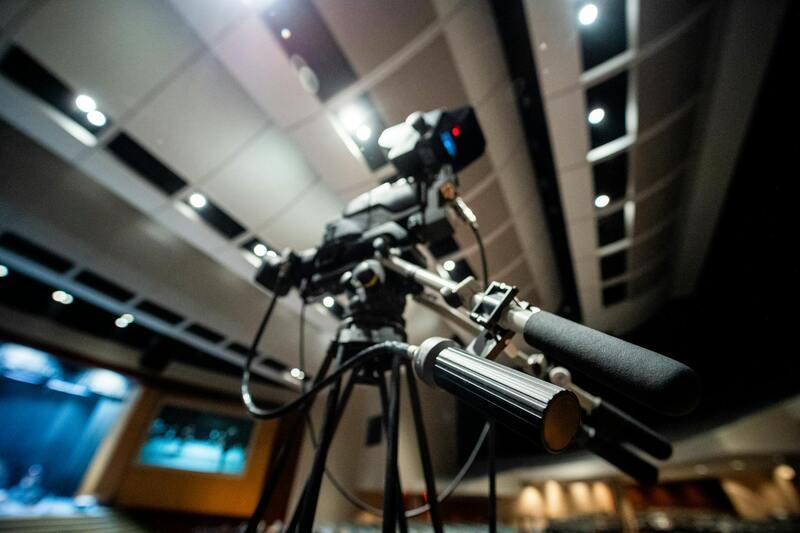
By integrating these official methodologies into your corporate video production workflow in Miami, your project gains a foundation of integrity and reliability. Such thoroughness not only minimizes risks related to regulatory compliance but also builds confidence among clients, investors, and the community. Ensuring rigorous adherence to documented and verified procedures fosters a productive environment where creative vision and legal standards coexist seamlessly, ultimately delivering a polished, compliant, and impactful corporate video.
The Technical and Legal Aspects of Filming Corporate Videos in Miami
Securing the appropriate official procedures for filming corporate videos in Miami involves meticulous planning that extends beyond creative vision into the realm of strict adherence to operational protocols. When undertaking production in this vibrant city, filming teams must familiarize themselves with the comprehensive landscape of official channels and documented procedures designed to facilitate lawful and smooth filming experiences. This includes obtaining the necessary permits from local authorities, understanding Miami’s specific regulations related to filming on public and private property, and ensuring that all production activities align with the city’s guidelines.
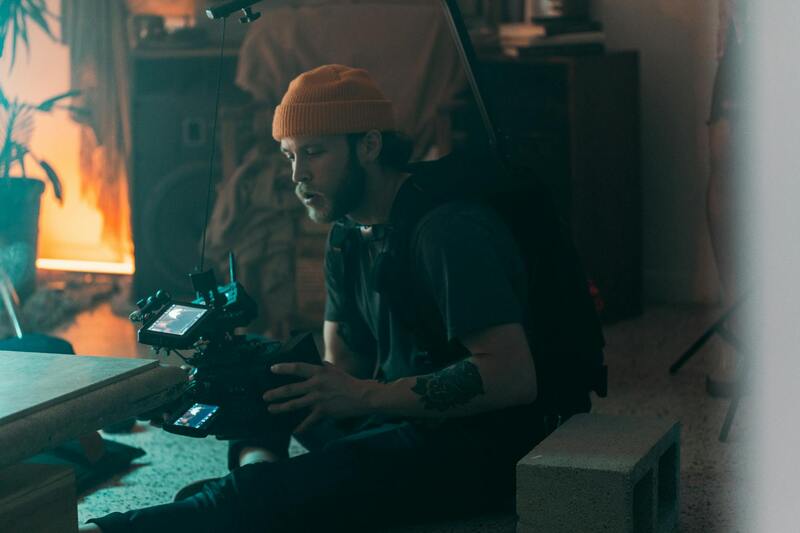
Official Permitting Process in Miami
The first step in this process involves identifying the correct permits needed based on the nature and location of the shoot. Miami’s permitting system varies depending on whether filming occurs on public roads, parks, or other municipal spaces. For public areas, applications must be submitted to the Miami-Dade Film Office or relevant city agencies well in advance. These applications typically require comprehensive details about the production, including location maps, shoot schedules, equipment used, and safety measures.
In addition to permits, production teams are advised to secure official authorization from property owners or management if filming occurs on private sites. This might involve formal agreements or permissions documented in writing. Maintaining detailed records of all correspondences and approvals not only helps streamline the process but also serves as crucial evidence should any disputes or questions arise during or after production.
Compliance with Local Policies and Regulations
Aside from permits, adherence to local policies governing noise levels, environmental impact, and public safety remains paramount. Clear communication with local authorities helps to clarify restrictions such as maximum shooting hours, vehicle restrictions, or limitations on the use of drones or other specialized equipment. Implementing site-specific plans that reflect these stipulations minimizes the risk of compliance issues and enhances the overall professionalism of the production team.
In some cases, official notices or approvals may be necessary for the use of certain city-sponsored locations or when involving special effects, stunts, or larger crews. Performing due diligence by verifying these official requirements ensures that production activities remain within the scope of authorized operations, preventing potential legal complications or production delays.
Risk Management and Official Documentation
Executing filming operations under the umbrella of official procedures also involves proactive risk management. Official documentation such as liability waivers, safety protocols, and insurance certificates should be reviewed and maintained meticulously. Having these documents ready before the shoot guarantees that all involved parties are protected and that the production complies with Miami’s operational standards.
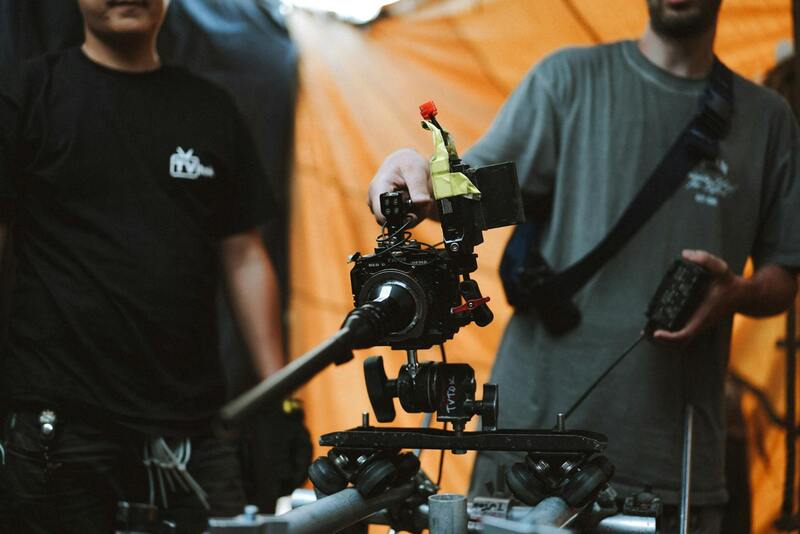
Best Practices for Seamless Official Filming
- Pre-Consultation with Authorities: Engage with Miami’s permitting bodies early in the planning process to clarify requirements and timelines.
- Consistent Record-Keeping: Maintain detailed logs of permits, approvals, and communications with municipal agencies.
- Site Assessments: Conduct thorough site evaluations to identify potential compliance issues beforehand.
- On-Site Compliance Officers: Assign team members responsible for monitoring adherence to permitted activities and safety protocols during the shoot.
- Regular Updates: Keep all stakeholders informed of any changes or adjustments to the plan that might impact compliance or operations.
Working with Official Channels Ensures Production Integrity
Adopting official and structured approaches to corporate video filming in Miami not only solidifies the integrity of the project but also reinforces the reputation of the production company as a responsible entity. This methodology minimizes disruptions, enhances safety, and ensures a transparent workflow that respects local regulations and community standards. Understanding and executing these procedures is vital for producing high-quality, compliant corporate videos that meet both creative and operational expectations.