
Understanding Creative Corporate Video Production
In today’s interconnected and visually-driven business environment, creative corporate video production has emerged as a vital tool for organizations aiming to enhance their brand presence and communicate effectively with their audiences. Unlike traditional corporate videos that may serve solely informational purposes, creative productions incorporate innovative storytelling, engaging visuals, and compelling narratives that resonate with viewers on an emotional level. This approach fosters a stronger connection between the brand and its target market, ultimately strengthening brand loyalty and recognition.
Creative corporate video production encompasses a range of techniques and styles, from animated explainer videos to cinematic brand stories. Its core aim is to deliver messages in ways that are not only informative but also memorable and inspiring. This form of production leverages creative scripting, dynamic visuals, specialized cinematography, and innovative editing to craft content that stands out in competitive markets.
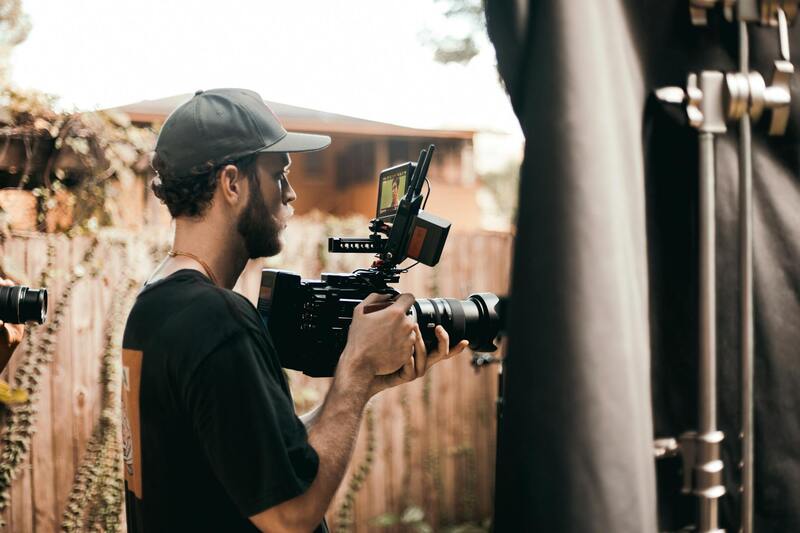
The importance of creative corporate video production extends beyond mere aesthetics. In a landscape where consumers are inundated with information, capturing attention swiftly and maintaining viewer engagement are crucial. Videos with creative elements can evoke emotions, clarify complex ideas, and emphasize brand values more effectively than static content. Additionally, such videos often have a broader reach across digital platforms, social media, and internal communications, maximizing their impact.
Adopting this approach allows businesses to differentiate themselves in crowded marketplaces by showcasing their unique personality, values, and vision. Whether used to launch new products, demonstrate company culture, or explain intricate processes, creative corporate videos serve as versatile tools that enhance an organization’s storytelling capabilities.
Furthermore, investing in high-quality, creatively produced videos supports consistent branding efforts. They establish a professional image, foster emotional connections, and facilitate clear messaging—elements that are integral to building trust and credibility with stakeholders.
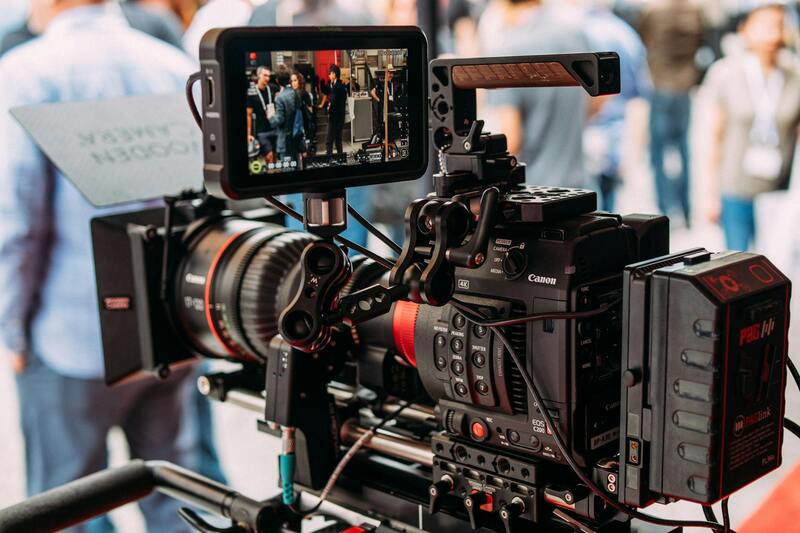
As the landscape of digital marketing continues to evolve, companies that prioritize creative corporate video content gain a competitive advantage. By effectively blending storytelling artistry with technical expertise, organizations can articulate their mission and values compellingly, ensuring their message leaves a lasting impression across diverse audiences and platforms.
Planning and Concept Development
Effective planning and concept development form the foundation of creative corporate video production. This stage involves a detailed understanding of the company’s core message, target audience, and the intended platform for dissemination. Developing a clear, engaging concept begins with brainstorming sessions that align the visual and narrative elements to the company's brand identity and communication goals. Creative storytelling techniques are employed to craft compelling narratives that resonate emotionally and intellectually with viewers.
During this phase, scriptwriting becomes pivotal. Scripts should be concise, impactful, and infused with storytelling elements that evoke interest and foster connection. Visual storyboards are also created to map out scenes, framing, and shot sequences, ensuring a cohesive visual flow. This planning stage facilitates the identification of necessary resources, such as locations, talent, props, and technical equipment, streamlining the production process.
Furthermore, establishing a detailed production schedule, budget allocation, and roles for team members ensures smooth coordination. Collaborating with creative professionals—such as scriptwriters, directors, and graphic designers—enables the integration of innovative ideas and technical expertise. This alignment guarantees that every aspect of the concept aligns with overall business objectives and branding standards.
Pre-Production Processes
Pre-production is a critical phase in transforming a creative concept into a tangible product. This process includes finalizing scripts, securing locations, casting suitable talent, and assembling the necessary technical team. When managing pre-production, meticulous attention must be paid to logistical details, such as obtaining permits, scheduling shoot dates, and coordinating equipment rentals.
Casting talent—whether company employees, actors, or voice-over artists—should align with the video's tone and message. Auditions and rehearsals help ensure natural performances that will resonate authentic and engaging.
A comprehensive production plan is developed in this stage, encompassing shot lists, equipment requirements, and contingency plans. Equipment readiness is monitored carefully; this includes cameras, lighting setups, sound equipment, and alternative tools to mitigate unforeseen technical issues.
Pre-production also involves creating mood boards and visual references that guide the director and cinematographer in capturing the desired aesthetic. Effective communication with all stakeholders, including client representatives and creative teams, helps align expectations and clarifies the creative vision.
Production Techniques for Creative Corporate Videos
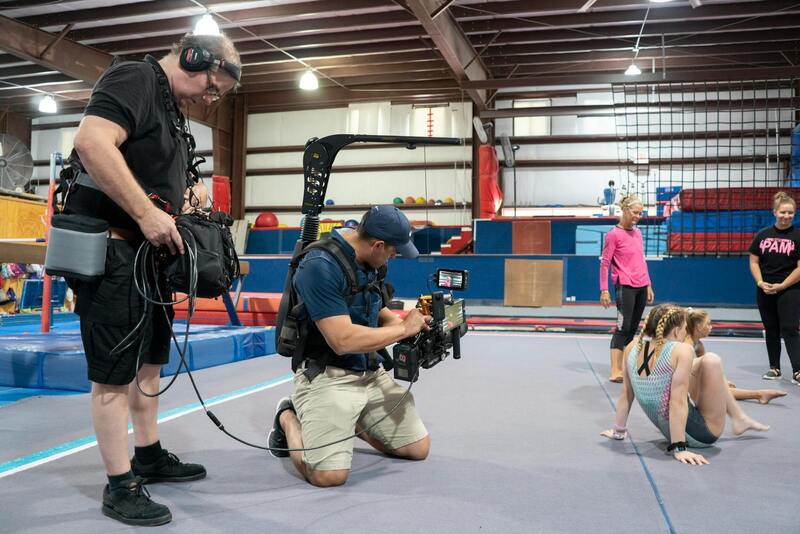
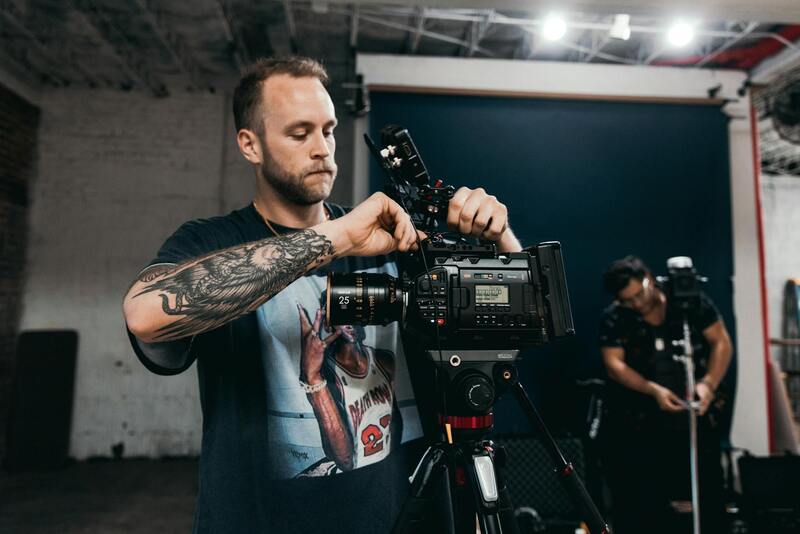
Executing a compelling corporate video requires employing a variety of production techniques that elevate the narrative and engage the audience effectively. The choice of camera angles, lighting, and shot composition plays a vital role in emphasizing key messages and evoking desired emotions. Dynamic camera movements such as tracking shots, drone footage, or Steadicam work can add visual interest and convey energy or professionalism, depending on the video's purpose.
Lighting setups are carefully designed to enhance subjects and scenes, ensuring clarity, mood, and consistency. Natural lighting may be utilized for authenticity, while professional lighting rigs can shape the scene’s tone to align with branding guidelines. Smooth sound design, including clear dialogue, background music, and ambient noise, enhances the overall quality and storytelling impact.
During production, utilizing multiple focal lengths and shot sizes—from close-ups capturing emotional expressions to wide shots establishing context—ensures a visual narrative that is both diverse and cohesive. Integrating techniques like rapid cuts, slow motion, or timelapse sequences can create dynamic pacing or highlight specific details, making the content more captivating.
Employing green screen technology allows for creative backgrounds and visual effects that align with branding elements or conceptual themes. High-quality production equipment paired with skilled crew members ensures technical precision, reducing the need for costly re-shoots and maintaining a professional aesthetic.
Moreover, sustainability and safety protocols are integrally woven into production processes. Using energy-efficient lighting, eco-friendly materials, and adhering to best practices in site management not only support environmentally responsible production but also demonstrate corporate social responsibility, which can resonate positively with audiences and stakeholders.
Effective use of editing during post-production further refines the footage. Color grading, visual effects, and audio synchronization are meticulously applied to produce a polished final product. Attention to detail in these stages ensures the video's visual coherence and impact, ultimately serving the strategic objectives set during earlier planning phases.
Incorporating these advanced production techniques transforms a simple message into a compelling visual experience, creating a professional and memorable corporate video that reinforces brand values and engages targeted audiences.
Production Techniques for Creative Corporate Videos
Utilizing advanced production techniques is essential to create engaging and impactful corporate videos. High-quality camera equipment, such as cinema-grade cameras, allows for superior image clarity and depth, enabling shooting in various lighting conditions and capturing intricate details that enhance storytelling. Incorporating dynamic camera movements, such as dolly shots, crane shots, or steady cam sequences, introduces a cinematic feel that captivates viewers and emphasizes key messages.
Lighting setups are equally crucial in establishing the mood, highlighting subjects, and ensuring visual consistency. Using a combination of key lights, fill lights, and backlights makes subjects stand out against backgrounds, while creative lighting effects can convey specific atmospheres aligned with brand identity. For outdoor shoots, natural lighting is often complemented with reflectors and diffusers to control shadows and color temperature, resulting in a professional grade finish.
Innovative techniques such as drone videography offer stunning aerial perspectives, providing a broad overview of corporate campuses, infrastructure, or community engagement activities. Time-lapse sequences can illustrate progress over time or highlight transformative projects efficiently within a brief visual window. Slow-motion captures can dramatize moments of significance, adding emotional depth to the narrative.
Green screen technology remains a versatile tool in corporate video production. It enables the integration of digital backgrounds or visual effects that would be impossible to film in real settings. This technology allows for seamless incorporation of branding elements, infographics, or scenario simulations that reinforce key messages. When combined with high-resolution compositing and careful lighting, green screens produce convincing and visually appealing results.
The selection of production accessories, including cranes, sliders, or jib arms, facilitates smooth and precise shot execution, adding a professional polish that elevates the overall quality. Coupled with skilled crew members who understand the intricacies of lighting, framing, and movement, these techniques ensure technical excellence that minimizes post-production rework and enhances storytelling impact.
During filming, controlling sound quality is just as important as visual elements. Using high-quality microphones, wireless lapels, and wind protection guarantees clear audio, which is instrumental for voiceovers, interviews, or on-screen narration. Synchronizing high-definition visuals with crisp audio results in a cohesive and compelling final product.
Furthermore, leveraging creative editing tools during post-production consolidates these efforts. Advanced software provides nuanced control over color grading, allowing the mood and tone to be finely tuned. Visual effects, overlays, and transitions are meticulously applied to ensure smooth flow and emphasis where needed. Sound design, including background music and sound effects, is carefully balanced to enhance engagement and reinforce messaging.
Implementing these production techniques with a strategic vision results in corporate videos that are not only visually appealing but also aligned with the company’s branding and communication goals. Every technical detail, from camera angles to post-production editing, contributes to a polished and professional final product that effectively engages audiences and communicates corporate values with clarity and creativity.
Production Techniques for Creative Corporate Videos
Leveraging Advanced Filming Methods
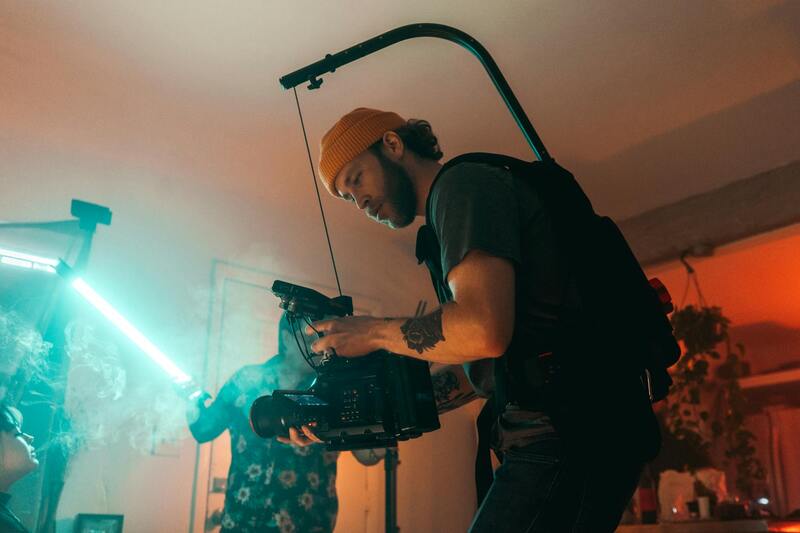
To capture the essence of a narrative, it is crucial to employ a variety of filming techniques that enhance visual storytelling. Techniques such as dynamic camera movements—including crane shots, drone footage, and Steadicam operations—add cinematic quality and provide diverse perspectives that keep viewers engaged. These methods facilitate seamless transitions between scenes and help emphasize key messages with visual flair.
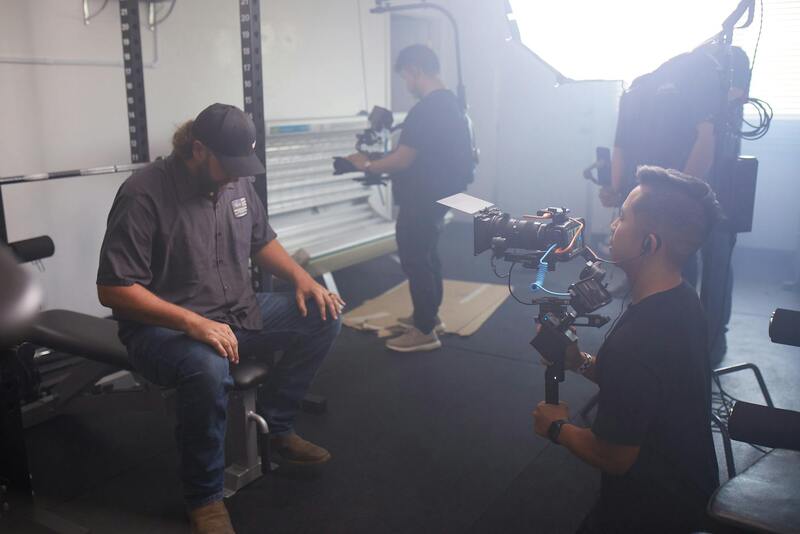
Utilizing high-quality, multi-camera setups enables comprehensive coverage of interviews, product demonstrations, or events, ensuring every detail is captured from multiple angles. This approach allows for greater flexibility during editing, providing options to craft a cohesive storyline that resonates with the audience. When paired with stabilized shots and smooth motion techniques, the final video appears polished and professional, strengthening brand credibility.
Choosing the Appropriate Equipment
Investing in top-tier equipment aligns with the goal of delivering visually compelling content. High-resolution cameras—such as 4K or higher—are essential for capturing crisp details that elevate production value. Lens choices, including wide-angle, telephoto, and macro lenses, enable filmmakers to adapt to various shooting scenarios, optimizing the visual narrative.
Lighting equipment plays a vital role in setting the mood and highlighting subjects effectively. Portable LED panels, diffusers, and reflectors allow for versatile setups that enhance natural features and minimize shadows. Sound equipment, including directional microphones and wireless transmitters, ensures crystal-clear audio, which is fundamental for maintaining viewer engagement and conveying messages clearly.
Infusing Creativity through Visuals and Storytelling Techniques
The visual style of a corporate video significantly influences viewer perception. Techniques such as color grading, incorporating branded palettes, and mood enhancement through lighting contribute to brand consistency and emotional impact. Motion graphics and kinetic typography are powerful tools for emphasizing key points or data, making complex information more accessible and engaging.
Creative storytelling techniques, such as the use of a narrative arc, character-driven stories, or thematic motifs, establish a connection with viewers and reinforce messaging. By weaving these elements together, corporate videos transcend mere information delivery, transforming into memorable visual experiences that foster brand loyalty and trust.
Optimizing Workflow for Efficient Production
Streamlined workflow processes are vital for maintaining quality and meeting deadlines. Pre-visualization tools like storyboards and shot lists guide the production team through each scene, ensuring clarity of vision and minimizing reshoots. Utilizing project management software helps coordinate crew schedules, tracking progress from planning through post-production, thereby reducing delays.
Implementing a comprehensive production schedule with designated milestones guarantees that each phase—filming, editing, review—progresses smoothly. Moreover, adhering to established industry standards for file formats and naming conventions simplifies post-production, enabling seamless integration of footage, graphics, and audio elements.
Ensuring Quality Control and Consistency
Quality assurance is critical throughout the production process. Regular reviews of raw footage allow for early detection of issues related to lighting, sound, or framing, providing opportunities for corrections before completing the shoot. Maintaining consistency in visual style, tone, and messaging aligns the final product with brand standards and project objectives.
Collaborating with experienced professionals in camera operation, lighting, sound design, and editing further elevates the quality of the final output. They bring technical expertise and creative insight, ensuring that each aspect of the video complements the overarching narrative and visual aesthetic.
Production Techniques for Creative Corporate Videos
Executing a creative corporate video involves a combination of innovative filming techniques and adept use of technology that elevates the visual storytelling. Directors often employ dynamic camera movements such as dolly shots, crane shots, or steady cam sequences to add fluidity and engagement, ensuring the audience remains captivated throughout. Drone footage may be used to provide sweeping aerial perspectives, especially when showcasing sprawling facilities, urban landscapes, or expansive environments, adding a cinematic dimension to the project.
Lighting plays a pivotal role in creating mood, highlighting key messages, and establishing a professional look. Techniques like three-point lighting, diffused lighting, or backlighting are carefully tailored to match the tone of the content, whether it’s a corporate motivational piece, product showcase, or internal communication. Creative use of lighting can dramatize scenes, direct viewer attention, and reinforce brand personality.
Furthermore, employing diverse shooting formats and resolutions ensures the final product meets specific distribution needs. While high-definition formats like 4K or higher offer clarity and flexibility for editing and future use, shooting in multiple formats allows for adaptability across various platforms, from social media snippets to large-scale presentations.

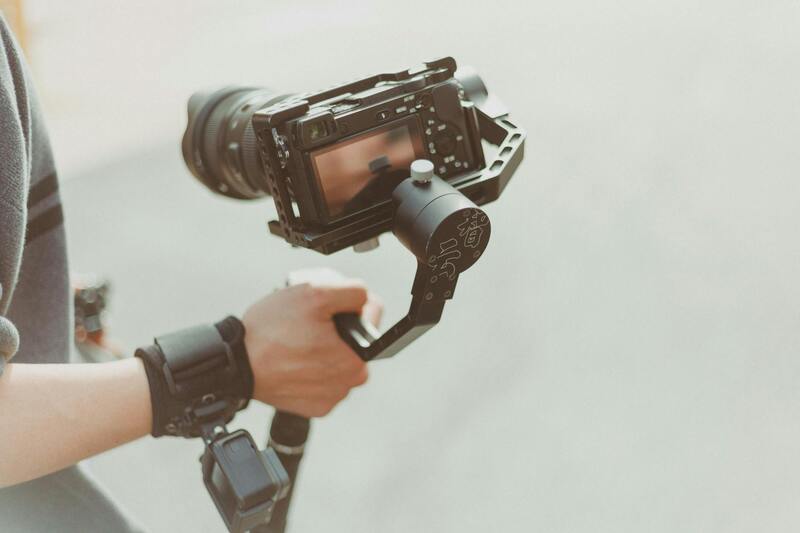
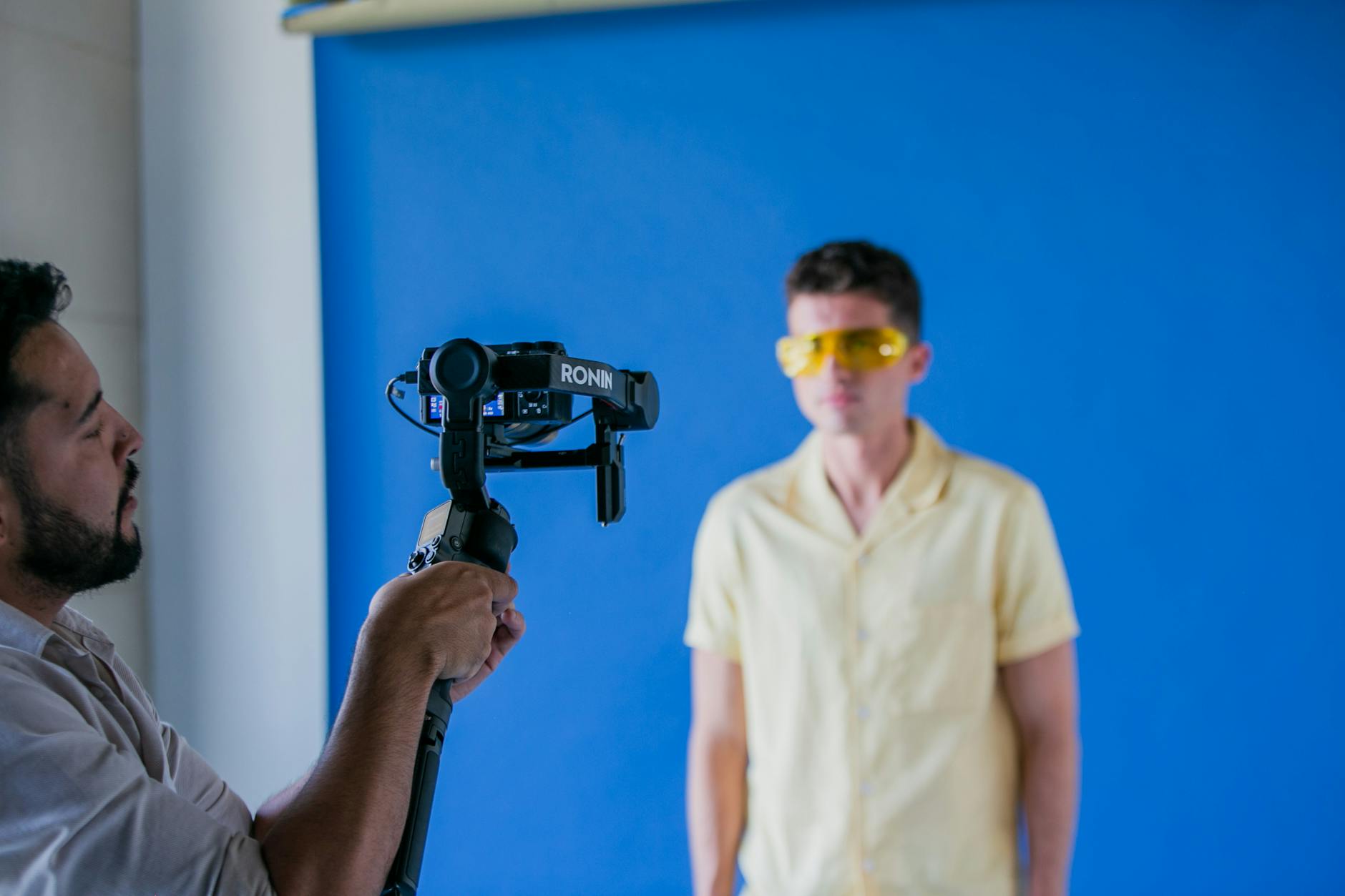
Incorporating advanced camera rigs, such as gimbals for smooth stabilization or robotic camera systems for complex shots, facilitates precision and creativity. Additionally, utilizing slow-motion or time-lapse photography can accentuate key moments, adding a visually compelling layer that underscores the message dynamically.
Sound quality, often overlooked, significantly contributes to the overall impact. Professional audio recording, the use of lapel or shotgun microphones, and real-time sound monitoring ensure clarity and fidelity. Creative sound design, including background music, voiceovers, and sound effects, enhances emotional engagement and reinforces branding themes.
Utilizing post-production tools like virtual sets or augmented reality can further amplify creative storytelling, providing immersive experiences that captivate viewers. These techniques allow for the integration of visual effects that can illustrate abstract concepts, visualize data, or display virtual elements interacting within real-world environments. This combination bridges the gap between storytelling and technical innovation, enabling brands to communicate complex ideas in an accessible manner.
Careful planning and execution of production techniques are critical to ensure that the final corporate video is not only visually stunning but also resonates authentically with the target audience, effectively conveying the intended message and reinforcing brand identity.
Advanced Techniques for Enhancing Visual and Auditory Impact in Corporate Videos
In the realm of creative corporate video production, harnessing state-of-the-art techniques can significantly elevate the final product's quality and effectiveness. By employing cutting-edge methods during the post-production phase, brands can craft engaging and visually compelling narratives that resonate with their target audience.
Utilization of Virtual Sets and Augmented Reality
Virtual sets and augmented reality (AR) are transformative tools that expand the creative possibilities for corporate videos. Virtual sets enable the integration of digital backgrounds and environments, allowing for seamless transitions and immersive settings without the logistical challenges of physical set construction. This technique is particularly useful for showcasing futuristic concepts, product demonstrations, or themed narratives.
Augmented reality, on the other hand, overlays digital elements within real-world footage, adding layers of interactivity and depth. AR can be used to visualize complex data, demonstrate product features in a simulated environment, or create engaging storytelling scenarios that capture viewers' attention.
Incorporation of Visual Effects (VFX)
Visual effects play a pivotal role in transforming raw footage into captivating stories. Techniques such as compositing, color grading, and motion graphics can elevate the aesthetic appeal and clarity of the message. For example, animated infographics can make data-driven content more digestible and engaging, while dynamic transitions maintain viewer interest throughout the video.
Sound Design and Musical Scoring
Sound design is an often underestimated component of corporate video production. Professional audio contributes significantly to emotional engagement, helping to evoke feelings aligned with the brand’s message. High-quality sound recordings, including lapel or shotgun microphones, ensure voice clarity, while real-time sound monitoring prevents audio discrepancies during filming.
Creative sound design involves layering background music, voiceovers, and sound effects strategically to complement visual elements. Carefully selected music can intensify emotional responses and reinforce branding themes, ensuring the message leaves a lasting impression.
Color Grading and Correction
Color grading transforms the look and feel of the video, aligning it with brand identity and emotional tone. Warm tones can evoke comfort and trust, while cooler shades may suggest professionalism or innovation. The process involves adjusting luminance, contrast, and color balance to create a cohesive visual style that captures the intended mood and enhances storytelling authenticity.
Integrating Interactive Elements
Interactive components, such as clickable annotations, embedded calls to action, or virtual tours, can be embedded within the video to foster deeper engagement. These elements allow viewers to explore related content, access detailed information, or participate in brand experiences directly, increasing the overall impact of the corporate video.
Optimizing for Multiple Platforms
Post-production also involves tailoring videos for various distribution channels. Different platforms have specific format requirements, aspect ratios, and length preferences. Ensuring that the video is optimized for social media, company websites, presentations, and email campaigns enhances visibility and engagement across all touchpoints. Adaptive editing, subtitles, and mobile-friendly formats are essential to maximize reach and accessibility.
Quality Assurance and Review Processes
Before final delivery, rigorous quality checks are essential. Reviewing the video against project objectives, brand guidelines, and technical standards ensures a polished result. This process includes checking visual consistency, audio fidelity, and overall coherence, along with soliciting feedback from stakeholders to refine the content further.
Implementing and Enhancing Corporate Video Outcomes
To maximize the impact of a creative corporate video, deployment should be strategic, leveraging official channels and proven methods. Distributing the content across multiple platforms increases visibility and engagement, but it is equally important to maintain consistency in branding and messaging to reinforce corporate identity.
Organizations should focus on deploying videos through carefully selected channels where target audiences are most active. Social media platforms, including LinkedIn, YouTube, and industry-specific forums, are prime venues for professional outreach. Embedding videos within company websites, pressing releases, and email marketing campaigns can also enhance exposure. Employing a unified distribution strategy ensures the message is cohesive and resonates effectively with viewers.
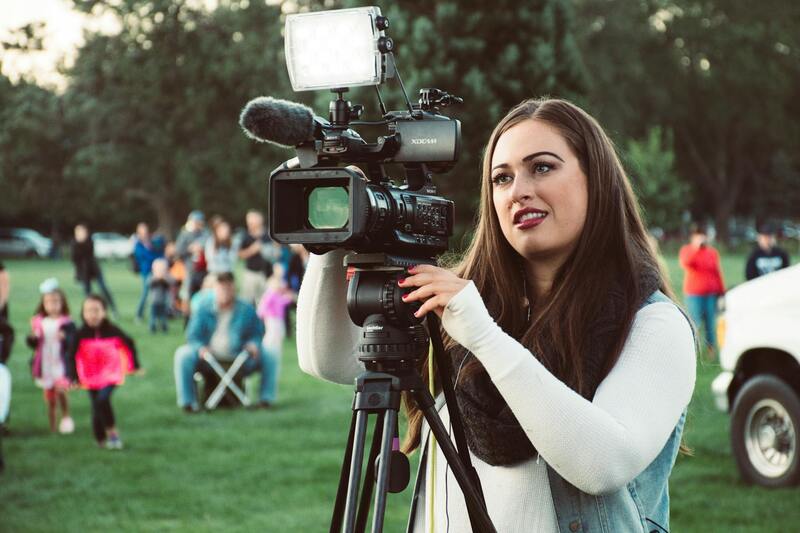
In addition to initial distribution, ongoing content promotion techniques such as paid advertising campaigns and strategic partnerships can significantly boost visibility. Paid social media ads targeted at specific demographics allow precise audience reach, while collaborations with industry influencers or thought leaders can extend content lifespan and credibility.
Monitoring and evaluating distribution efforts are essential in refining future video marketing strategies. Tracking engagement metrics such as views, shares, clicks, and conversion rates provide insight into audience behavior and preferences. Using these data points, companies can adjust distribution tactics, optimize timing, and enhance content relevance for subsequent campaigns.
Gathering and Analyzing Feedback
Engaging with viewers through comments, surveys, and direct feedback mechanisms offers qualitative insights into how the video resonates with viewers. Analyzing viewer feedback allows organizations to identify which elements are most effective and where improvements are needed. This feedback loop informs the development of future video content, ensuring continuous refinement aligned with audience interests.
Measuring Performance Through Analytics
- Tracking viewership data across platforms helps assess reach and frequency.
- Engagement metrics such as likes, shares, and comment activity indicate audience involvement.
- Click-through rates and conversions reveal the effectiveness of calls to action embedded within the video.
- A/B testing different distribution tactics can identify the most impactful approaches.
Combining quantitative analytics with qualitative feedback creates a comprehensive picture of a video’s performance. This integrated approach ensures that each distribution effort contributes to broader communication goals and delivers measurable return on investment, affording organizations the opportunity to optimize their marketing strategies effectively.