Understanding Corporate Video Filming
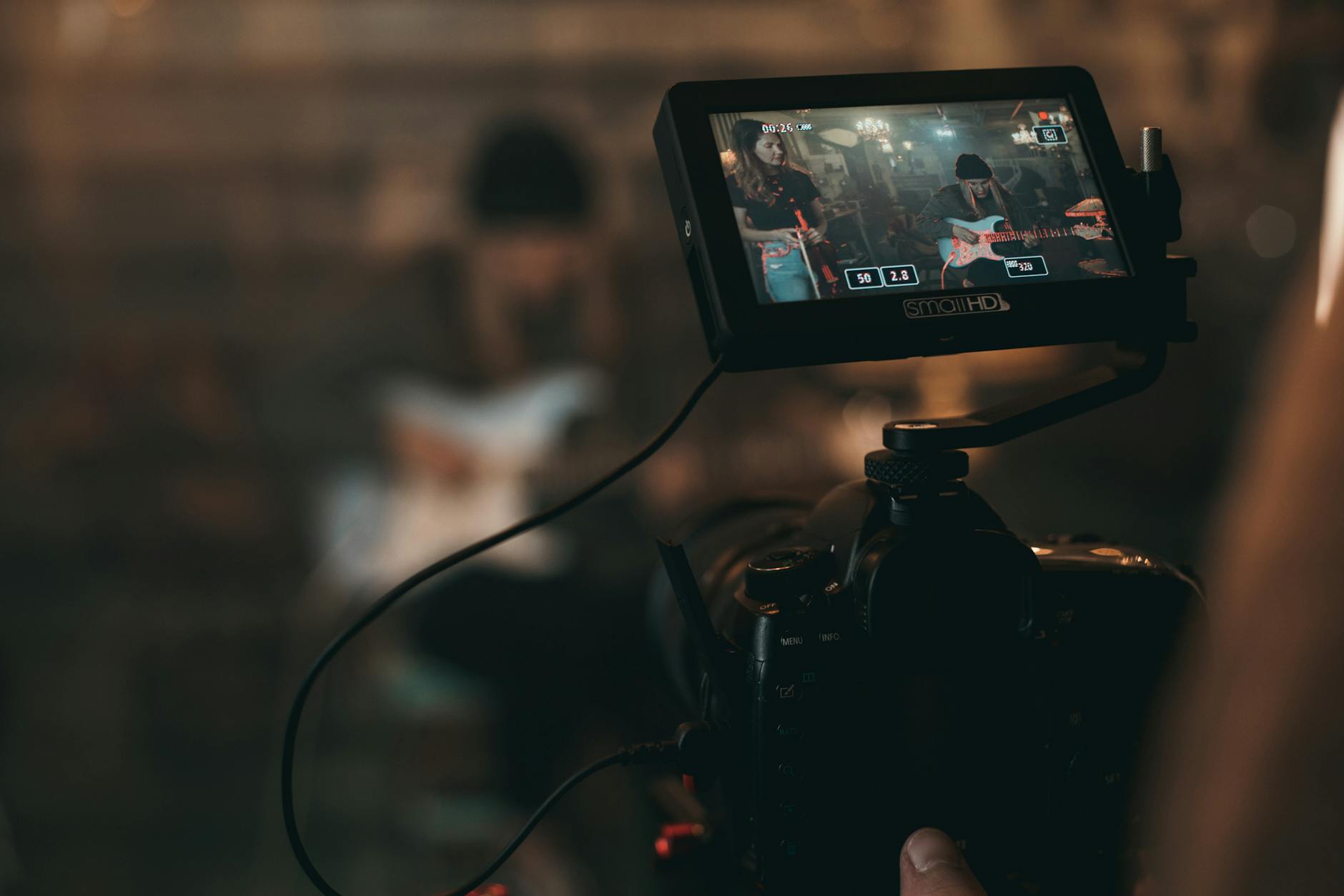
Corporate video filming has become an essential tool for businesses aiming to communicate their message effectively and enhance their brand presence. In the dynamic Miami market, where competition is fierce and audiences are increasingly visual, well-crafted corporate videos serve as powerful assets to foster trust and engagement. These videos can articulate a company's mission, showcase products or services, introduce team members, and highlight successful projects, all in a compelling visual format.
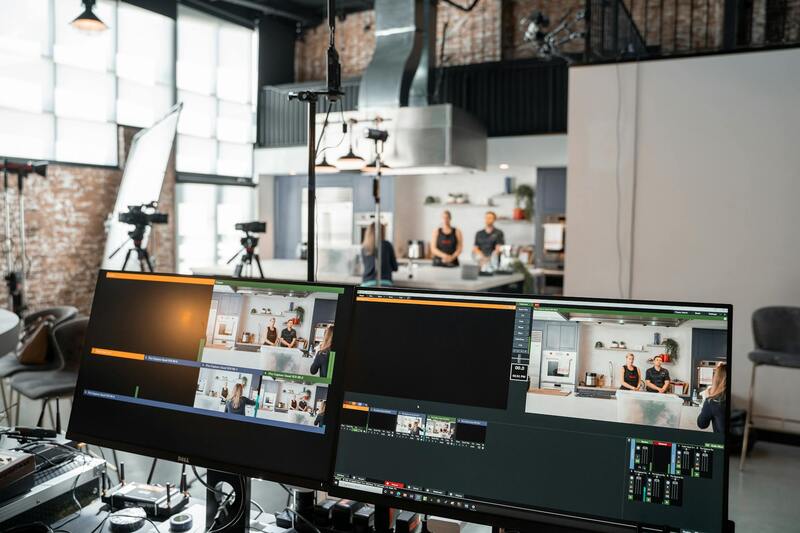
One of the primary benefits of corporate video production is its ability to elevate brand awareness. Videos are highly shareable, making them ideal for social media campaigns, websites, and presentations. When tailored to the target audience and aligned with brand messaging, videos help establish credibility and foster emotional connections. They also improve communication efficiency by conveying complex ideas swiftly and clearly.
Moreover, corporate videos serve as effective tools for employee training and internal communications, ensuring consistent messaging across teams. For businesses based in Miami, producing professional videos can significantly increase customer inquiry, generate leads, and contribute to long-term business growth. Viewed as more authentic and relatable than static text or images, videos create a memorable experience that resonates with viewers, making them more likely to remember the brand and take action.
Investing in quality corporate video content reflects professionalism and a strategic approach to marketing. It demonstrates a company's commitment to innovation and excellence, which can differentiate it from competitors. From startups to established enterprises, integrating video content into marketing strategies has proven to drive engagement and enhance overall brand perception in vibrant markets like Miami.
In today’s digital age, where audiences demand immediate and engaging content, corporate videos are no longer optional but a vital component of an effective communication strategy. Whether used for online advertising, investor relations, or customer testimonials, well-produced videos are a cornerstone for building a robust, visually compelling corporate identity.
Choosing the Right Filming Style and Format
Deciding on an appropriate filming style and format is crucial for effectively conveying your corporate message while resonating with your target audience. Different styles evoke various emotional responses and serve unique objectives, so selecting the best approach ensures your video will accomplish its purpose. For Miami-based businesses, opportunities range from a cinematic style that highlights storytelling and high production values to more straightforward formats emphasizing clarity and professionalism.
Documentary and Interview-Driven Videos
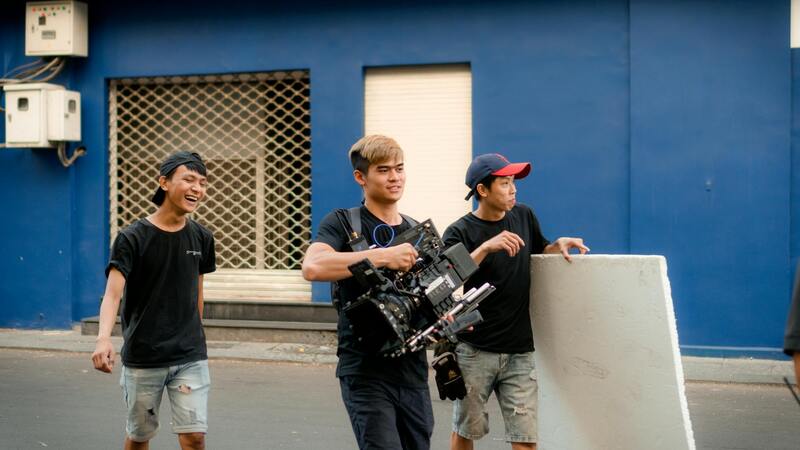
Documentary-style videos and interviews create authentic storytelling avenues that showcase company culture, client success stories, or expert insights. Such formats foster trust and relatability, making them suitable for brand awareness campaigns or thought leadership initiatives. Utilizing Miami’s vibrant local scenery can also add regional authenticity to these videos.
Cinematic and High-Production Formats
Employing cinematic techniques in corporate videos can elevate brand perception, emphasizing quality, innovation, and sophistication. This approach is ideal for product launches, investor presentations, or brand positioning, particularly when targeting a high-end market in Miami. Advanced lighting, camera movements, and post-production effects contribute to creating visually captivating narratives.
Explainer and How-To Videos
Explainer videos focus on simplifying complex ideas or product functionalities using animated or live-action formats. They are highly effective for educating clients or onboarding new employees, ensuring the message is clear and memorable. Combining engaging visuals with concise scripting helps these videos stand out in competitive Miami markets.
Live-Action vs. Animation
While live-action filming offers a tangible and relatable experience, animation provides creative freedom to visualize concepts that are difficult to capture physically. Select the format based on your message, audience preferences, and the desired tone. Both approaches can be seamlessly integrated to produce comprehensive marketing content tailored for Miami’s diverse business landscape.
Consideration of Format Length and Platform
Choosing the right format also involves considering the length and distribution channel. Shorter videos are more suitable for social media platforms like Instagram or LinkedIn, while longer formats work well for corporate websites or presentations. Adapting the style and length to meet platform specifications ensures maximum engagement and reach among Miami consumers and stakeholders.
Importance of Consistency with Brand Identity
Whatever filming style or format is selected, it should align with your overall brand identity. Consistent visual themes, tone, and messaging reinforce your corporate image and make your content instantly recognizable. Integrating Miami’s vibrant culture and local aesthetics can enhance authenticity and foster stronger regional connections, setting your brand apart in this dynamic market.
Casting, Locations, and Logistics
Effective corporate video filming in Miami begins with meticulous planning of casting, location selection, and logistical arrangements. Selecting the right talent, whether employees, actors, or voice-over artists, is crucial for conveying authenticity and professionalism. It is important to ensure all cast members are well-prepared and comfortable on camera, which can be facilitated through rehearsals and clear briefings.
Location scouting plays a vital role in establishing the visual identity of the video. Miami offers a diverse array of settings—from urban cityscapes and beachfronts to lush parks and sleek modern offices—that can complement the brand’s message and aesthetic. Securing permits, managing access, and planning for on-site needs are integral to maintaining workflow efficiency and minimizing disruptions.
Logistics encompasses transportation, equipment setup, and scheduling, requiring detailed coordination to ensure each element aligns seamlessly. Effective communication with all parties involved guarantees that shoot days proceed smoothly, with contingency plans in place for unforeseen challenges such as weather fluctuations or technical issues. Emphasizing the logistical precision supports a polished final product that reflects professionalism and attention to detail.
Filming Techniques and Equipment
Deploying advanced filming techniques and top-tier equipment is essential for capturing high-quality corporate videos. This includes utilizing professional-grade cameras capable of shooting in 4K or higher resolutions, ensuring clarity and detail that meet industry standards.
Lighting setups are fundamental in establishing the right mood and highlighting key elements, especially in Miami's varied lighting conditions. Employing diffuse lighting or reflectors can enhance visual appeal, while drones offer breathtaking aerial shots of Miami's skyline and scenic backgrounds, adding a dynamic dimension to corporate content.
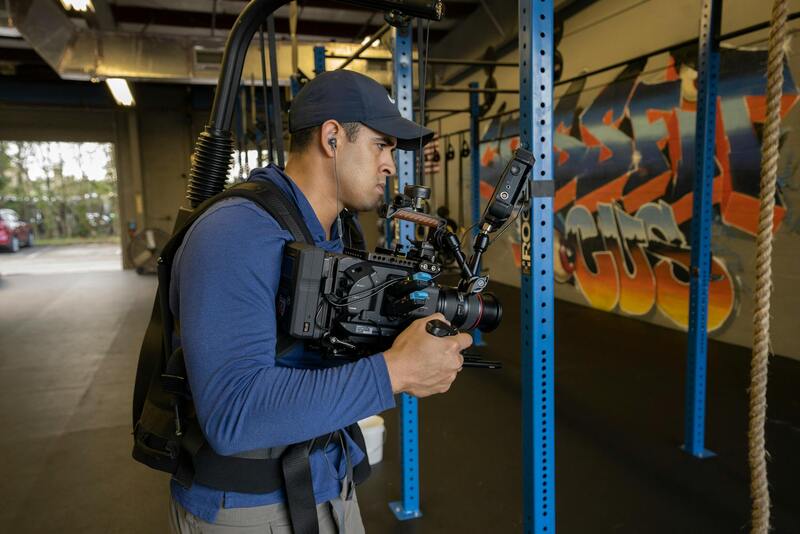
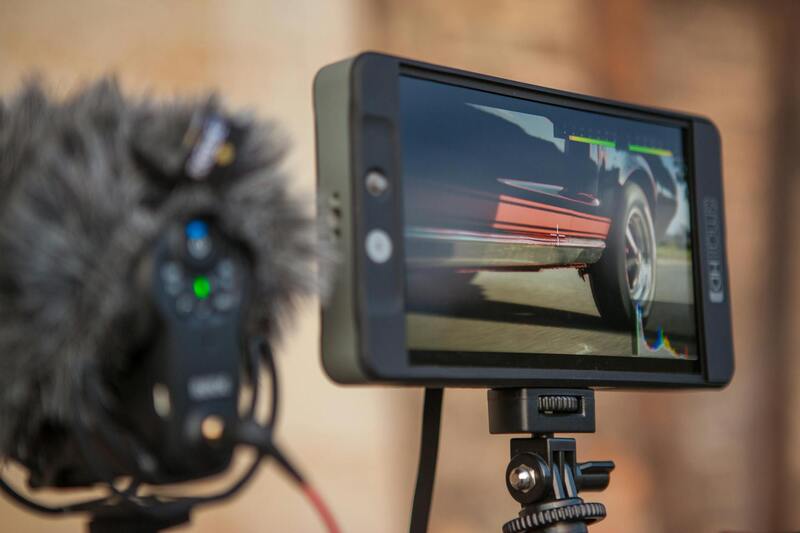
Camera stabilization tools such as gimbals and steadicams deliver smooth footage, crucial for maintaining a professional look. Additionally, high-quality microphones and audio recording equipment ensure pristine sound quality, which is vital for interviews, testimonials, and narration. Combining these technical approaches enables the creation of engaging, visually compelling videos that resonate with the target audience.
Post-Production and Editing
Post-production transforms raw footage into a cohesive, impactful narrative. Skilled editors employ a range of editing software to fine-tune visuals, correct color grading, and enhance audio quality, ensuring every frame aligns with the intended message.
Adding appropriate graphics, animations, and visual effects emphasizes key information and maintains viewer engagement. Incorporating subtitles and captions enhances accessibility and reach, especially on social media platforms where silent auto-play is common.
Sound design also plays a critical role, with background music and sound effects selected to complement the branding tone. Consistent branding elements, including logos, color schemes, and messaging cues, are seamlessly integrated during editing to reinforce brand identity.
Filming Techniques and Equipment
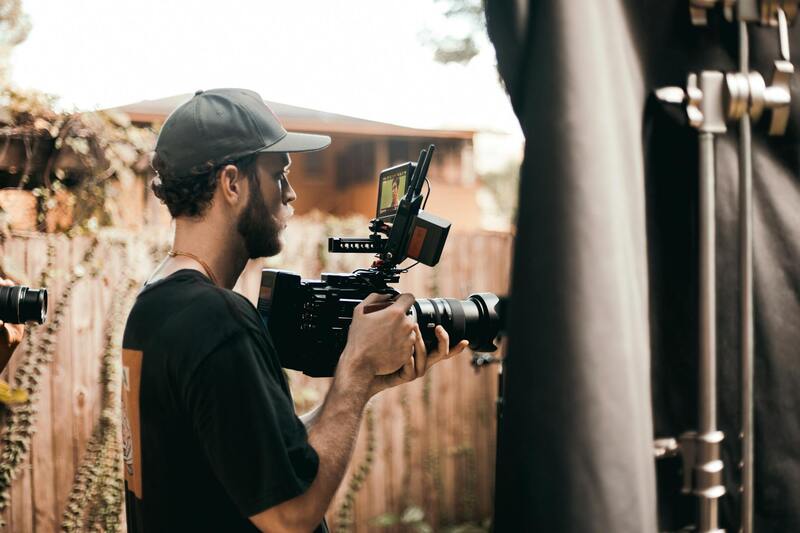
Leveraging the right filming techniques and equipment is fundamental to producing high-quality corporate videos that effectively communicate a company’s message. When selecting camera gear, professional-grade cameras such as cinema cameras or high-resolution DSLRs are preferred for their superior image quality, dynamic range, and adaptability in various lighting conditions. The choice of lenses also plays a pivotal role; wide-angle lenses can capture expansive office environments, while macro or telephoto lenses bring focus to detailed product shots or close-up testimonials.
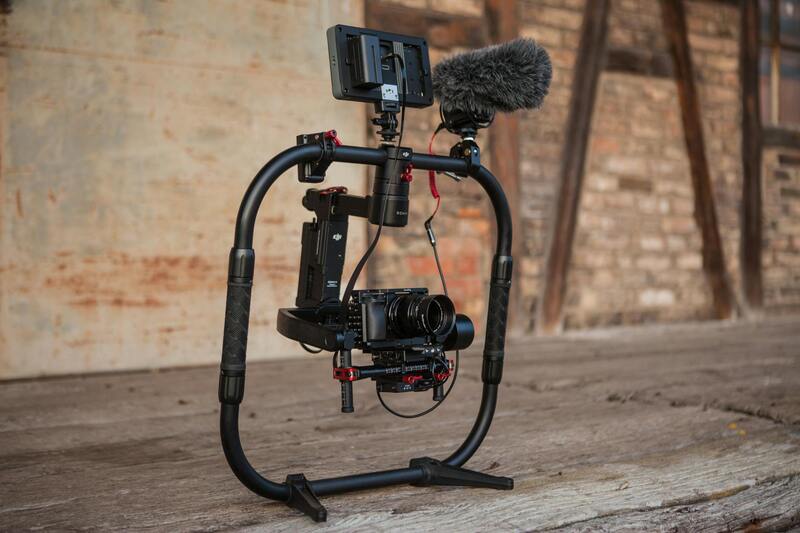
Stabilization is critical for delivering smooth, professional footage. Equipment like gimbals, steadycams, and shoulder rigs help achieve steady shots even during dynamic movement, which is often necessary in on-location filming or when capturing candid employee interactions. These tools reduce camera shake, resulting in a polished, cinematic look that enhances viewer engagement.
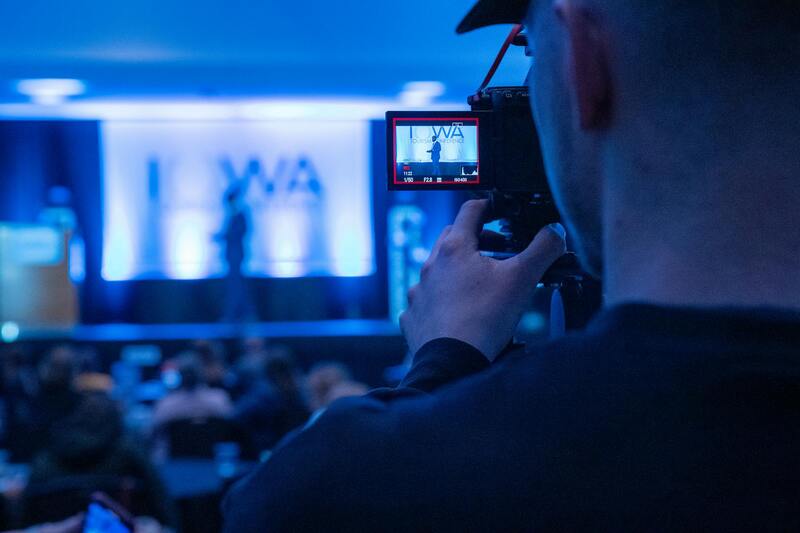
Lighting setups significantly influence the visual tone of the video. In controlled environments like conference rooms or studios, high-quality LED panels, softboxes, and reflectors help craft flattering, even lighting that accentuates subjects and brand visuals. On location, portable lighting solutions must be versatile and robust enough to adapt to changing conditions. Proper lighting not only enhances the clarity of the footage but also conveys professionalism and authenticity.
Audio quality is equally crucial. Directional microphones such as shotgun mics are ideal for capturing clear dialogue in noisy settings. Wireless lapel microphones are often employed for interviews or testimonials, offering mobility without sacrificing sound fidelity. Complementing these are portable audio recorders and windshields that protect against environmental noise and wind interference.
To create a cohesive visual narrative, background elements, props, and set design should be carefully curated. This ensures consistency and aligns with the company's branding standards, from color schemes to logo placements. The integration of visual elements like on-screen graphics, lower-thirds, and branded overlays during filming adds a layer of professionalism and aids in information delivery.
Advanced Techniques for Corporate Video Filming
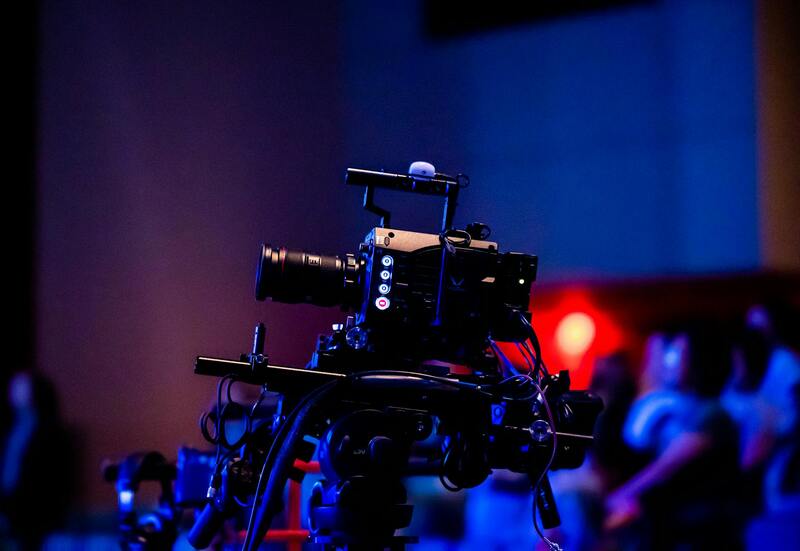
Implementing sophisticated filming methods is essential for delivering content that resonates with professional audiences and effectively communicates a company's core message. High-end equipment, such as cinema-grade cameras and extensive lighting rigs, enables a level of clarity and depth that standard consumer gear cannot match. These tools facilitate creative control over image quality, depth of field, and color grading, making the final product visually compelling and aligned with the brand’s aesthetic.
Effective framing and camera movements contribute significantly to storytelling. Techniques such as dynamic dolly shots, steady crane movements, and well-planned panning sequences help create a cinematic feel, maintaining viewer engagement throughout the video. Using multiple camera angles allows for seamless editing options, adding variety and depth to the visual narrative. This approach ensures the audience remains focused and retains key messages delivered during the shoot.
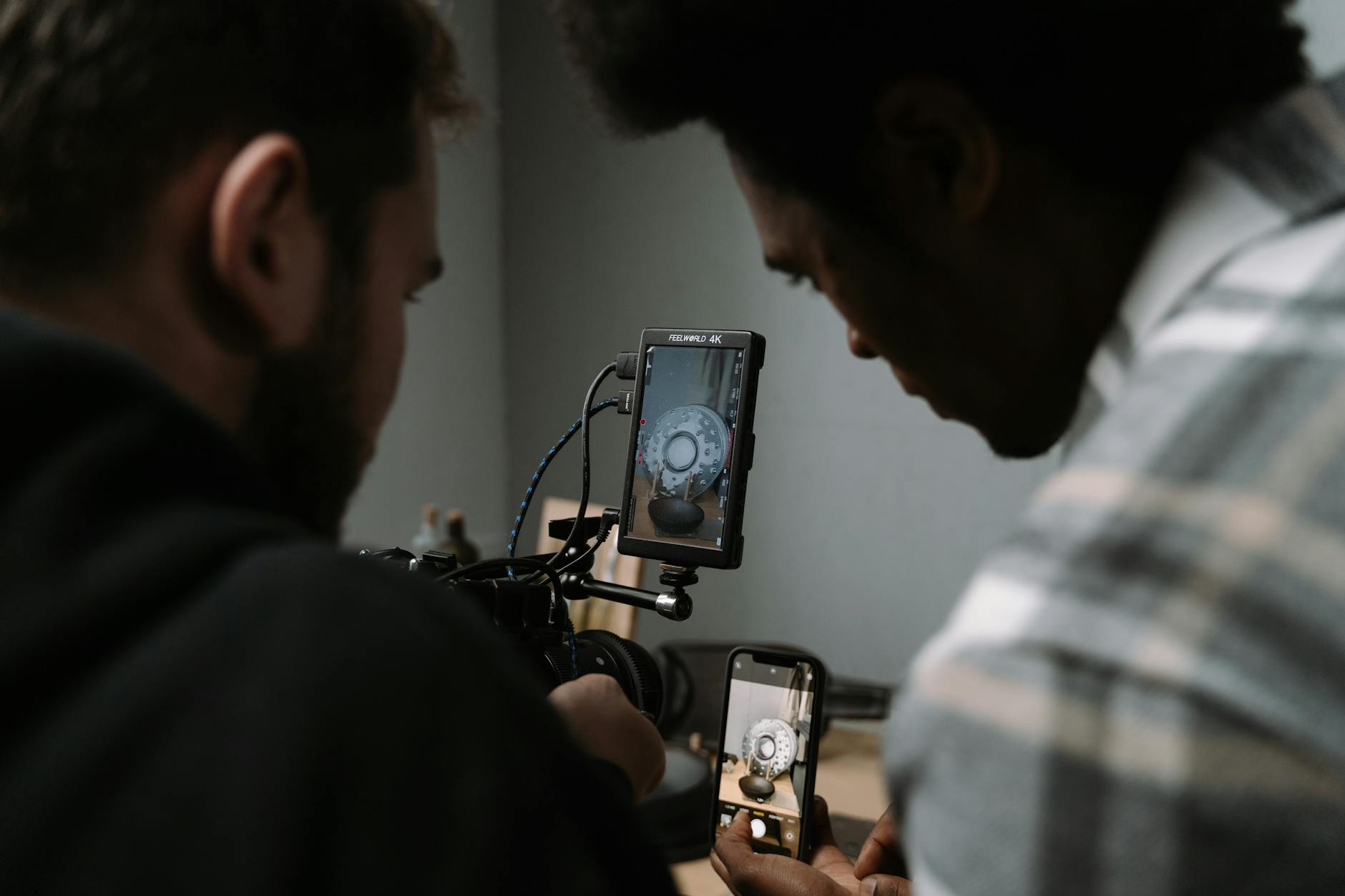
Lighting setups are carefully designed to suit both indoor and outdoor environments, using a combination of natural light and professional fixtures. In controlled settings, softboxes and LED panels are positioned to soften shadows and illuminate subjects uniformly, highlighting facial expressions and brand logos. On-location shoots require adaptable lighting kits with portable lights, reflectors, and diffusers to manage variable ambient conditions effectively. This ensures consistent visual tone, regardless of environmental challenges.
Sound recording remains a cornerstone of professional corporate filming. Employing multiple microphones, such as boom mics and lavalier devices, provides options for capturing clear dialogue in diverse settings. Sound mixers and portable audio recorders are used to synchronize and refine audio, minimizing background noise and ensuring clarity. Properly integrated sound enhances storytelling by adding emotional resonance and credibility, thereby elevating the overall production quality.
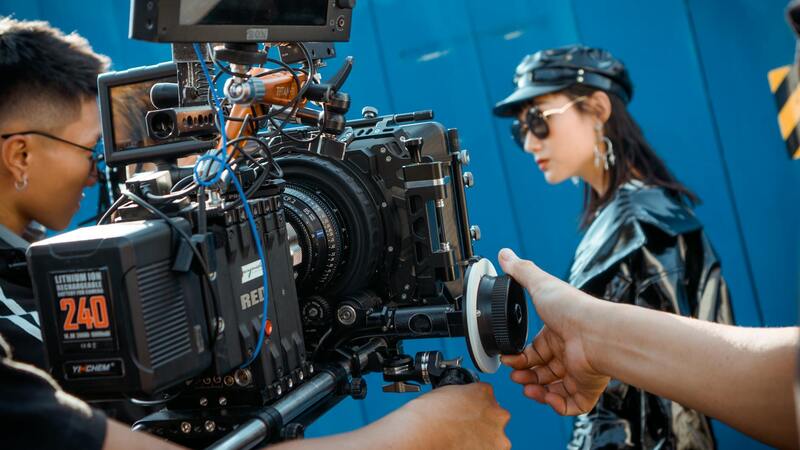
Overall, meticulous attention to camera operation, lighting, and audio setup, combined with creative visualization techniques, results in corporate videos that are not only visually stunning but also strategically effective. The use of professional-grade tools and thoughtful technical application guarantees a product that stands out in a competitive marketplace, effectively conveying the company's vision and values to its target audience.
Implementing Official and Proven Filming Methods
To achieve a high-quality corporate video that resonates with your target audience, it is essential to rely on established filming methods that are recognized within the professional industry. This involves adhering to precise techniques in both the technical and aesthetic aspects of video production, ensuring consistency, clarity, and brand alignment throughout the project. Utilization of official filming practices guarantees that every shot, sound capture, and editing process adheres to industry standards that have proven effective for corporate storytelling.
One fundamental approach involves comprehensive pre-visualization and storyboarding. This systematic planning stage allows the production team to map out each scene with detailed shot lists, camera angles, and lighting setups, ensuring all elements contribute cohesively to the narrative. During filming, adherence to standardized camera operation guidelines—such as correct focal lengths, stable framing, and proper exposure—ensures that footage is sharp, well-lit, and visually consistent. Professionals employ industry-certified equipment, including high-definition cameras, stabilized rigs, and professional-grade lenses, to maximize image quality and facilitate seamless post-production editing.
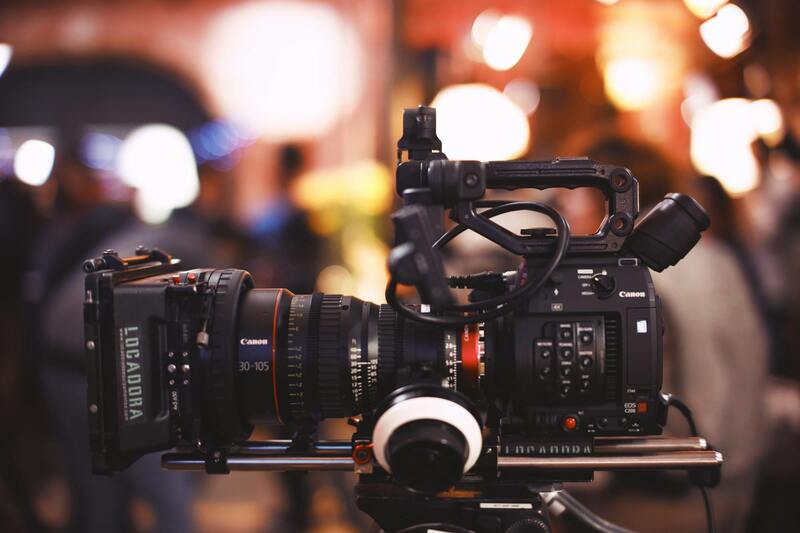
Sound recording is another pillar of official filming methodology. The use of multiple, industry-standard microphones—such as shotgun mics, lapel (lavalier) microphones, and boom mics—ensures crisp audio capture in diverse environments. Proper placement and calibration of audio equipment help prevent inconsistencies and background noise interference. Employing professional mixers and portable audio recorders enables sound engineers to synchronize and optimize audio tracks, ensuring dialogue clarity and minimizing post-production fixes required for sound issues.
Ensuring Lighting and Composition Align with Best Practices
Lighting techniques are pivotal for producing visually compelling videos that convey professionalism and brand integrity. Standardized lighting setups involve the use of softboxes, LED panels, and reflectors configured to create even illumination without harsh shadows. When filming indoor scenes, consistent lighting schemes are established to match across shots, maintaining visual continuity. Outdoor scenes demand adaptable lighting arrangements, often supplemented with portable fixtures and diffusers to control ambient light and eliminate glare or unwanted shadows.
Composition guidelines, such as the rule of thirds, proper headroom, and framing consistency, are strictly followed to enhance visual appeal. These methods ensure that viewers' focus remains on the intended message while reinforcing the company's branding elements, like logos and color schemes. Using professional tripod rigs and gimbals also stabilizes footage, preventing jitter and ensuring smooth motion sequences, which are key indicators of credibility and quality in corporate videos.
Strategic Post-Production Editing Based on Industry Standards
Post-production is a crucial phase where raw footage is transformed into a polished narrative. Employing advanced editing software, editors follow best practices to cut out unnecessary segments, arrange footage cohesively, and synchronize visuals with sound. Color correction and grading are performed using calibrated monitors and adhering to color science principles to maintain consistency and evoke the desired emotional tone. This step ensures that the company's branding and messaging are visually aligned and impactful.
Sound design, including background music, voiceovers, and sound effects, is carefully integrated following established audio mixing guidelines. The balance between dialogue, music, and ambient sounds must be meticulously managed to preserve clarity and emotional resonance. Adding on-screen graphics, lower thirds, and branding elements employs professional techniques to enhance brand recognition without cluttering the visual field. These procedures, grounded in credible industry standards, ensure the final product effectively communicates the intended corporate message with professionalism and authenticity.
Understanding Corporate Video Filming
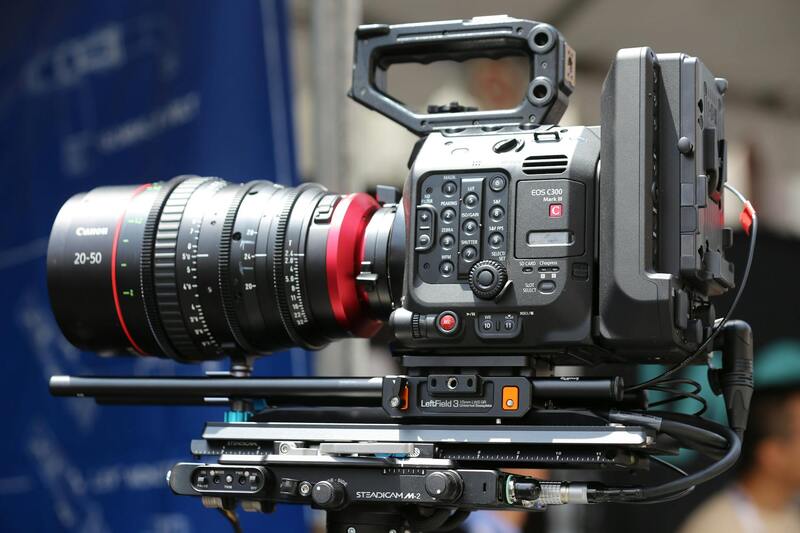
Corporate video filming encompasses a comprehensive process that requires meticulous planning, expertise, and adherence to established standards. It involves capturing high-quality visuals and audio that authentically represent a company's brand, values, and mission. To guarantee that the video effectively communicates its intended message, organizations should employ authorized filming methods aligned with industry best practices. These methods include the use of professional-grade equipment, proper lighting, and audio recording devices, as well as ensuring compliance with safety standards on set. Employing official techniques not only enhances the visual appeal but also fortifies the credibility of the video, making it a valuable asset for corporate communication and marketing efforts.
Rigorous Planning and Pre-Production Strategies
Effective corporate video production begins with detailed pre-production planning. This stage involves defining clear objectives, identifying target audiences, and establishing key messages. Scriptwriting, storyboarding, and scheduling are integral components that ensure a seamless filming process. During this phase, sourcing locations that align with the brand narrative is crucial. Official methods include securing permits, conducting risk assessments, and coordinating logistics with authorized personnel to ensure compliance with local regulations and safety protocols. Proper planning minimizes unforeseen challenges during shooting and guarantees that all elements—from talent to equipment—are authorized and meet industry standards.
Strategic Budget Allocation
- Allocating funds for professional talent, equipment, and post-production services.
- Ensuring all expenses adhere to contractual agreements with licensed vendors.
- Contingency planning for unforeseen costs that may arise during filming.
Choosing the Appropriate Filming Style and Format
Selecting the right filming style depends on the message, audience, and purpose of the video. Options include documentary style, interview-led narratives, animated explainer videos, or cinematic storytelling. Each format requires specific techniques and equipment but should always align with authorized industry standards. Employing high-definition cameras, stabilization rigs, and drones where applicable ensures quality footage captured within the bounds of regulatory compliance. These choices contribute to a professional, cohesive final product that resonates authenticity and authority in its messaging.
Casting, Locations, and Logistics Implementation
Choosing appropriate talent and securing suitable locations are essential steps that need careful verification. Talent should be selected based on their expertise and professionalism, with contracts signed to confirm their authorized participation. Location scouting involves obtaining necessary permissions and ensuring the environment complies with safety measures. Logistical arrangements, including transportation, scheduling, and equipment transportation, must adhere to authorized processes to prevent disruptions and ensure a smooth filming experience. These measures establish a foundation of responsibility and compliance, critical for maintaining production integrity.
Filming Techniques and Equipment
Utilizing industry-standard filming techniques enhances the quality and credibility of the corporate video. Employing professional-grade cameras, lenses, lighting setups, and stabilization equipment, such as tripods, gimbals, and dollies, ensures stable, sharp visuals. Proper sound recording devices and techniques—like boom microphones and lavalier mics—capture clear audio essential for conveying the message. Conducting multiple takes using authorized methods guarantees capturing the best possible footage, providing editors with a versatile selection for post-production. These dedicated filming practices underpin the authenticity and professionalism portrayed in the final product.
Post-Production and Editing
Post-production transforms raw footage into a compelling narrative that aligns with brand standards and regulatory compliance. Utilizing industry-approved editing software, editors meticulously cut and sequence scenes to ensure clarity and flow. Color grading is performed using calibrated monitors to accurately reflect brand colors and evoke desired emotional responses. Sound editing involves balancing dialogue, background music, and effects to produce a coherent audio track. Incorporating graphics, lower thirds, and branding elements is carried out following professional guidelines to reinforce brand identity without creating visual clutter. Adhering to these approved methods guarantees the final video communicates professionalism, authenticity, and is suitable for diverse distribution channels.
Implementing Official Distribution and Marketing Strategies for Corporate Videos
Once the corporate video has been meticulously produced and refined through professional editing, the next crucial phase involves strategic distribution and marketing to maximize reach and impact. Leveraging legitimate and established channels not only enhances the video's visibility but also safeguards brand reputation by ensuring proper handling and compliance with industry standards.
Utilizing Certified Video Hosting Platforms
The foundation of effective distribution begins with selecting reputable, secure video hosting platforms. These platforms offer features such as high-quality streaming, analytics, and content management tools that aid in tracking viewer engagement and optimizing future marketing efforts. Hosting videos on certified platforms also ensures accessibility across various devices and operating systems, facilitating seamless user experiences.
Implementing Search Engine Optimization (SEO) for Video Content
Optimizing videos for search engines involves using accurate metadata, descriptive titles, and relevant keywords aligned with target audiences and industry standards. Proper tagging, detailed descriptions, and transcripts enhance discoverability, allowing potential clients and stakeholders to find the content organically. Additionally, embedding videos on official websites and blogs improves page engagement and reinforces the company's digital presence.
Leveraging Social Media and Professional Networks
Strategic sharing on authorized social media platforms broadens the reach of corporate videos. Tailoring content formats to each platform's specifications and audience preferences ensures higher engagement. Using verified accounts and maintaining consistent branding across channels enhances credibility and brand recognition.
Engaging with Industry Influencers and Partners
Partnering with trusted industry influencers and collaborating with established partners increases the video's exposure. These partnerships should be cultivated through transparent and authorized channels, respecting copyright and distribution rights, to foster authentic relationships that benefit brand credibility.
Monitoring Performance with Data Analytics
Employing professional analytics tools provides insights into viewer demographics, engagement rates, and sharing patterns. These insights inform ongoing marketing strategies, enabling adjustments to improve outreach effectiveness and ensure compliance with content distribution standards.