
Understanding the Importance of Corporate Marketing Videos
In today’s dynamic marketplace, corporate marketing videos have become an essential component of a comprehensive brand strategy. These visual tools serve as powerful mediums to convey a company's message, showcase products or services, and establish a memorable brand presence. For businesses operating within the vibrant and competitive Miami market, the significance of professionally crafted marketing videos cannot be overstated. They are instrumental in capturing attention swiftly, engaging diverse audiences, and fostering emotional connections that drive consumer action.

Corporate marketing videos support multiple strategic objectives, including increasing brand awareness, educating potential clients, and differentiating a company from its competitors. They provide a versatile platform for storytelling, allowing brands to communicate their values, personality, and unique value propositions with clarity and impact. In fast-paced environments like Miami, where consumers are constantly inundated with information, a well-produced video cuts through the noise and leaves a lasting impression.
The use of corporate videos extends across various marketing channels, from websites and social media platforms to trade shows and internal communications. Their ability to foster trust and credibility is crucial in building a loyal customer base. Besides, videos tend to generate higher engagement rates than static content, leading to increased lead generation and conversion rates. As Miami continues to grow as a hub for diverse industries such as tourism, finance, and real estate, the demand for high-quality corporate videos reflects the need for brands to differentiate themselves and connect authentically with their audiences.
The Business Impact of Corporate Marketing Videos
- Enhanced Brand Recognition: Videos make a memorable visual impression that stays with viewers.
- Improved Customer Engagement: Dynamic content encourages sharing and interaction.
- Increased Conversion Opportunities: Videos facilitate clearer communication of value propositions, driving sales.
- Educational and Training Benefits: Well-crafted videos streamline onboarding and internal communication processes.
- Global Reach and Accessibility: Videos transcend language barriers and geographic boundaries, broadening market access.
Given Miami’s position as a bustling economic center, leveraging corporate marketing videos effectively can significantly influence a company’s growth trajectory and competitive edge. High-quality video content acts as a bridge connecting brands with their audiences through compelling storytelling, professional visuals, and strategic messaging, making it an indispensable asset in modern business practices.
Defining Goals and Target Audience
Establishing precise objectives for corporate marketing videos is fundamental to creating impactful content. Clear goals might include raising brand awareness, demonstrating product features, attracting new clients, fostering employee engagement, or communicating corporate values. By pinpointing these objectives early, businesses can determine the most effective messaging strategies and visual styles, ensuring that each video aligns with overarching marketing and branding efforts.
Understanding the target audience is equally crucial. This involves researching demographic data, viewing habits, preferences, and pain points of prospective viewers. Segmenting audiences based on factors such as age, industry sector, geographic location, or buyer persona allows for tailored messaging that resonates more deeply. For example, a corporate video aimed at potential investors will differ significantly from one designed for internal staff or existing clients.
Comprehensive audience analysis ensures that the content is relevant and engaging, fostering stronger connections with viewers. When a company's messaging addresses specific audience needs, it enhances credibility and encourages viewer action. Additionally, defining the tone—whether formal, innovative, friendly, or authoritative—helps align the branding voice throughout the video production process.

Planning and Concept Development
The planning phase involves detailed storyboarding and scripting, which translate the strategic goals into visual and narrative components. This stage requires collaboration among marketing teams, content creators, and stakeholders to craft a cohesive storyline that highlights key messages.
During concept development, creative ideas are brainstormed to determine the style, tone, and overall aesthetic of the video. Whether opting for animated visuals, live-action footage, or a combination, the goal is to produce content that aligns with brand identity and appeals to the target audience. Effective planning also includes establishing a production timeline, budget, and identifying necessary resources to ensure smooth execution.

Choosing the Right Production Approach
Selecting the most appropriate production method depends on budget, desired quality, and message complexity. Live-action shoots offer authenticity and realism, making them ideal for testimonials, corporate culture showcases, and product demonstrations. Conversely, animated videos provide flexibility for complex concepts and are often more cost-effective for stylized storytelling.
Hybrid approaches combining live footage with animation can deliver dynamic content that captures attention. It’s essential to consider the resources available, including equipment, talent, and editing capabilities, to choose an approach that balances quality with efficiency.
Production Best Practices
- Invest in professional lighting and sound equipment to ensure high production quality.
- Utilize a well-thought-out shot list to maintain focus during filming.
- Ensure visuals reflect brand standards and are consistent throughout the video.
- Capture multiple takes to allow flexibility during editing.
- Maintain clear communication among crew members to streamline the production process.
Attention to detail during filming ensures the final product effectively communicates the intended message and maintains viewer engagement.
Editing and Post-Production
Post-production involves assembling footage, refining visuals, and adding elements like graphics, subtitles, and background music. Skilled editing enhances storytelling by pacing the content appropriately, emphasizing key messages, and maintaining visual consistency.
Color grading, sound design, and visual effects are critical to producing a polished final product. Incorporating brand elements—such as logos, color schemes, and taglines—further reinforces brand recognition.
Distribution and Optimization
To maximize reach, corporate videos should be tailored for various platforms, including websites, social media, email campaigns, and presentations. Optimizing content for each platform involves adjusting aspect ratios, file sizes, and metadata to improve visibility and performance.
Tracking engagement metrics like views, shares, and conversions provides insights into content effectiveness. Integrating calls-to-action directs viewers towards desired outcomes, whether it's visiting a website, signing up for a service, or sharing the video with others.

Partnering with a Miami Production Agency
Collaborating with a local Miami-based production agency offers numerous advantages, including a deep understanding of regional markets, access to talented professionals, and familiarity with local venues and resources. An experienced agency can translate your strategic goals into visually compelling narratives through tailored services, from concept development to distribution.
Choosing the right partner involves evaluating their portfolio, client testimonials, and ability to deliver within budget and timeline constraints. Ensuring clear communication and shared vision throughout the project leads to a final product that effectively elevates your brand presence.
Creating a Professional Script and Storyboard
Developing a well-structured script is fundamental to the success of corporate marketing videos. A clear script ensures that all key messages are conveyed succinctly and effectively, making it easier for the production team to translate ideas into visual content. It should highlight the core value propositions, call-to-actions, and brand voice, maintaining a consistent tone throughout.
Alongside scripting, storyboarding serves as a visual blueprint of the video. It helps visualize each scene's composition, timing, and transitions, ensuring that the narrative flows logically and engagingly. Storyboards also facilitate communication between stakeholders and the production team, aligning expectations early in the process.

Choosing Appropriate Visual and Audio Elements
Successful corporate marketing videos leverage high-quality visuals and compelling audio to captivate audiences. This involves selecting suitable footage, animations, and graphics that reinforce brand identity and support the message. High-resolution images and professional animations can make complex information more digestible, improving viewer engagement.
Audio components—such as voice-overs, background music, and sound effects—significantly influence emotional resonance and message retention. Voice-overs should be clear and authoritative, resonating with the target audience and aligning with brand personality. Background music must complement the visuals without overpowering the message, enhancing the overall viewing experience.

Implementing Consistent Branding Throughout Production
Consistency in branding across corporate videos solidifies brand recognition and reinforces trust. This involves applying brand elements such as logos, color palettes, typography, and language style throughout the video. Maintaining uniformity ensures that audiences associate the content with your brand instantly, elevating brand recall.
Incorporating brand storytelling techniques can enhance emotional connection and deepen audience engagement. Whether through testimonials, case studies, or narrative arcs, storytelling should align with your brand’s core values and voice, creating a cohesive and compelling message.

Ensuring Technical Quality and Compliance
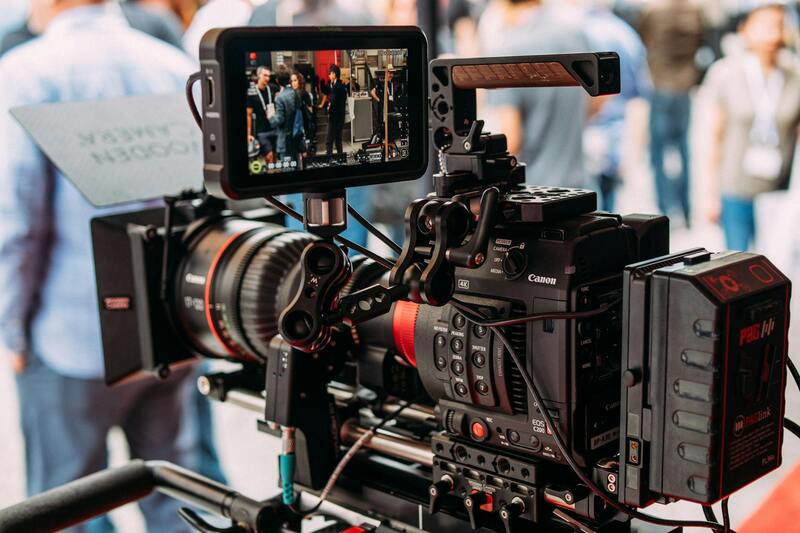
High technical standards are crucial for producing professional corporate marketing videos. This involves utilizing appropriate filming equipment, proper lighting, and stable camera techniques. Ensuring high audio clarity and adjusting for factors like background noise enhances overall quality.
Additionally, adherence to relevant industry standards and guidelines ensures that the final product is suitable for various distribution channels. Proper encoding, formatting, and compression optimize videos for different platforms while maintaining visual and audio fidelity. By paying close attention to technical details, companies can present a polished, authoritative image to their audience.
Production Best Practices
Executing a successful corporate marketing video hinges on adhering to industry best practices during production. Proper planning to prepare shot lists, storyboards, and schedules ensures that the filming process remains efficient and organized. Clear communication among team members, including videographers, directors, and talent, minimizes misunderstandings and promotes a cohesive vision. Lighting plays a pivotal role in capturing high-quality visuals. Utilizing natural or professional lighting setups to highlight key elements ensures the message is conveyed visually with clarity. Stable camera techniques—such as the use of tripods, gimbals, or dollies—avoid shaky footage, maintaining a professional aesthetic. Audio quality must be prioritized to reinforce the professionalism of the video. Employing directional microphones, soundproof environments, and post-production noise reduction techniques enhance clarity and engagement. Incorporating multiple takes and monitoring audio levels during filming prevents issues that could detract from the viewer's experience. Filming locations should align with the message and avoid distractions or clutter that detract from the content. Securing appropriate permits and ensuring safety measures are in place contribute to a smooth production process. Consistent use of brand elements during filming, such as branded backgrounds or uniforms, helps reinforce brand identity. Additionally, capturing diverse shots—such as close-ups, wide angles, and cutaways—provides flexibility during editing and keeps the final product visually engaging.

Post-production is equally critical in refining raw footage into a polished final product. Attention to color correction, graphic integration, and sound editing ensures visual consistency and clarity. Incorporating subtitles or captions can make content more accessible, expanding reach to wider audiences. A structured review and approval process involving key stakeholders guarantees the content aligns with brand standards and objectives. Utilizing advanced editing software allows for seamless transitions, visual effects, and branding elements that enhance storytelling. Incorporating feedback iteratively enables continuous improvement of the video's quality and message clarity. Managing project timelines effectively ensures timely delivery without compromising production quality.
Editing and Post-Production
The editing phase transforms raw footage into a compelling narrative, aligning visuals and audio with the strategic goals established during planning. Cutting unnecessary scenes, adding relevant graphics, and incorporating motion elements help maintain viewer interest. Sound design, including background music and sound effects, establishes mood and tone, reinforcing the message. Synchronizing audio with visual cues ensures a cohesive delivery, while mastering ensures the final output adheres to quality standards for different distribution channels. Comprehensive review mechanisms are essential to identify areas for refinement. A consistent color grading and visual style throughout the video reinforce professionalism and brand identity. Effective post-production practices also include optimizing file formats and resolutions tailored for specific platforms—social media, presentations, or corporate websites—ensuring optimal playback quality and accessibility across devices.
Distribution and Optimization of Corporate Marketing Videos
Once the production phase is complete, the focus shifts to effectively distributing and optimizing corporate marketing videos to maximize their reach and impact. Strategic distribution ensures that the content reaches the targeted audience through appropriate channels, while optimization enhances visibility and engagement across various platforms. Both components are critical for leveraging the full potential of professionally produced videos within a comprehensive marketing strategy.
Strategic Distribution Channels
To ensure optimal exposure, corporate marketing videos should be disseminated through a carefully curated mix of distribution channels tailored to the target audience’s preferences and behaviors. This includes:
- Corporate Website: Hosting videos on the official website integrates them into the company’s digital presence, facilitating direct engagement with visitors and prospects.
- Social Media Platforms: Platforms such as LinkedIn, Facebook, Twitter, and Instagram offer diverse audiences and high engagement rates. Customizing videos for each platform’s specifications maximizes reach and effectiveness.
- Email Campaigns: Embedding videos into newsletters or targeted email outreach enhances message retention and encourages action from recipients.
- Online Advertising: Incorporating videos into paid advertising campaigns, such as paid social media ads or programmatic video placements, increases visibility among specific demographic segments.
- Industry Events and Presentations: Using videos as part of live presentations or trade show displays reinforces brand messaging and captures audience attention.
Optimizing for Search and Viewing Experience
Beyond channel selection, optimizing your videos for search engines and user experience is essential. Consider the following strategies:
- Metadata Optimization: Craft descriptive titles, compelling descriptions, and relevant tags to improve discoverability through search engines and platform algorithms.
- Thumbnail Selection: Use engaging thumbnails that accurately reflect the content to encourage clicks.
- Captioning and Subtitles: Incorporate captions to enhance accessibility, increase viewer retention, and improve SEO with text-based content.
- Responsive Encoding: Export videos in multiple formats and resolutions suitable for different devices and connection speeds, ensuring smooth playback on desktops, tablets, and smartphones.
- Call-to-Action Integration: Embed clear, compelling calls to action to guide viewers toward desired outcomes, such as website visits, inquiries, or social sharing.
Monitoring and Analytics
Effective distribution is complemented by ongoing monitoring of performance metrics. Utilizing analytics tools helps track engagement rates, viewer demographics, and conversion pathways. Insights gained from data analysis inform future content and distribution strategies, ensuring continuous improvement and alignment with marketing objectives.
Leveraging Professional Expertise in Distribution
Partnering with a specialized media agency experienced in corporate video distribution can significantly enhance outcomes. These experts bring extensive knowledge of platform algorithms, audience targeting techniques, and content promotion strategies. Their partnership ensures that distribution efforts are cohesive, data-driven, and aligned with broader branding and marketing goals.

Utilizing Verified Distribution Channels
Effective dissemination of corporate marketing videos hinges on choosing the most appropriate and verified platforms. Reputable online channels such as industry-specific websites, professional networking platforms, and well-established social media sites serve as primary venues for reaching targeted audiences. By leveraging these platforms, companies can maximize their exposure to decision-makers, stakeholders, and potential clients. It is crucial to understand the audience demographics of each platform to ensure content alignment and optimal engagement.
In addition to digital channels, corporate videos can be showcased through email marketing campaigns within a segmented contact list. Embedding videos into newsletters or dedicated email blasts enhances the message delivery, encourages sharing, and improves conversion rates. These email campaigns should be carefully crafted to include compelling subject lines and concise descriptions that entice recipients to view the content.
Embedding Videos into Company Websites and Landing Pages
Embedding corporate marketing videos directly on company websites or dedicated landing pages offers immediate access to visitors and contributes to improved user engagement. Ensuring that videos are prominently placed and optimized for fast loading enhances the user experience and encourages longer site visits. Incorporating Call-to-Action (CTA) buttons adjacent to videos directs viewers toward desired actions, such as requesting a quote or signing up for a newsletter.
Using schema markup and video SEO techniques, such as descriptive keywords and transcripts, helps improve the visibility of embedded videos within search engine results. Proper placement and optimization ensure that the videos contribute effectively to the overall digital marketing strategy, increasing traffic and lead generation.
Employing Content Distribution Networks (CDNs)
Utilizing Content Delivery Networks (CDNs) guarantees smooth, high-quality playback across diverse geographical locations. CDNs distribute video content through multiple servers worldwide, reducing load times and buffering issues. This ensures that viewers experience consistent video quality regardless of their device or internet speed, fostering a more professional and reliable brand image.
Monitoring Performance and Adjusting Strategy
Tracking metrics such as view counts, engagement duration, and click-through rates provides insight into the effectiveness of distribution efforts. Analytics platforms enable marketers to identify which channels yield the highest engagement and conversions. Armed with this data, marketing teams can refine their distribution tactics, focusing on platforms and strategies that drive the best results.
Periodic review and adjustment of the distribution plan ensure continuous alignment with evolving target audience preferences and market trends. Regularly updating content for relevance and freshness keeps the brand relevant and maintains audience interest. This ongoing process forms a cornerstone of successful corporate marketing video campaigns.
Implementing Distribution Strategies for Maximum Reach and Engagement
Effective distribution of corporate marketing videos involves a multi-channel approach that ensures your content reaches the right audience at the right time. First, leveraging your organization's official website is crucial. Embedding videos within relevant landing pages and blog posts not only enhances user experience but also boosts SEO performance. Properly optimized titles, descriptions, and metadata help search engines understand the content, increasing visibility in search results.
Beyond your site, sharing videos across social media platforms such as LinkedIn, Twitter, Facebook, and Instagram extends your reach to broader audiences. Tailoring the video presentation to each platform's best practices—like using square or vertical formats for mobile-centric apps—can significantly improve user engagement. Regularly publishing teaser clips or shorter versions of your videos on these channels encourages viewers to visit your website for the full content.
Email marketing campaigns also play a vital role. Incorporating videos into newsletters or direct outreach messages can increase click-through rates and drive traffic to your main site. Embedding videos directly within email content ensures easy access and seamless viewing experiences for recipients.
For wider distribution, consider leveraging video hosting platforms such as YouTube or Vimeo. These platforms not only provide a robust infrastructure for high-quality playback but also offer valuable features like analytics and SEO tools. Optimizing your video titles, tags, and descriptions on these platforms enhances their discoverability within search results and related video suggestions.

Measuring the success of these efforts involves tracking engagement metrics such as view counts, average watch durations, and click-through rates. Analytical insights help identify which channels and content formats resonate best with your target audience. This data-driven approach allows marketers to refine distribution tactics, prioritize high-performing channels, and schedule content releases strategically to maintain momentum.
Additionally, integrating videos into paid advertising campaigns—such as social media ads or pay-per-click (PPC) campaigns—can boost visibility among highly targeted audiences. Setting clear campaign objectives and continuously monitoring performance metrics ensure that your investment yields measurable outcomes, including lead generation and brand awareness.

Finally, establishing partnerships with industry influencers or brand ambassadors can amplify your message organically. Collaborating with trusted voices within your niche not only extends your reach but also enhances credibility. These collaborations should be carefully managed to align with your brand’s messaging and values, ensuring authentic engagement and long-term relationship building.
Overall, integrating these official and strategic methods for distribution maximizes the impact of your corporate marketing videos, reinforces your brand presence, and drives meaningful audience interactions across multiple digital touchpoints.
Finalizing Your Corporate Marketing Video Strategy
Once your corporate marketing video has been produced and distributed, the next critical phase involves ensuring its compliance with the best practices for quality, legality, and branding standards. This step plays a vital role in safeguarding your company’s reputation, prompting engagement, and maximizing the overall return on investment.
Implementing Proper Rights Management
Secure all necessary rights for the content used within your videos. This includes copyrighted music, stock footage, images, and third-party branding elements. Utilizing licensed assets not only prevents potential disputes but also guarantees your video maintains a professional appearance. Be diligent in documenting permissions and licenses, as this comprehensive record underscores your adherence to official content usage protocols.
Establishing Clear Branding Guidelines
Ensure your videos align with your corporate branding standards. This encompasses consistent use of logos, colors, fonts, and messaging styles. Developing a detailed brand guideline document can facilitate this process, providing your team and third-party collaborators with concrete reference points. Adhering to these standards maintains your brand's integrity and presents a cohesive viewer experience across all marketing channels.
Monitoring Performance and Compliance Metrics
Regularly review the performance data of your corporate marketing videos. This data includes engagement metrics, viewership patterns, and conversion rates, which shed light on the content’s resonance with your target audience. Additionally, track compliance with content standards and messaging accuracy through internal audits and stakeholder reviews. Analyzing these insights informs future content strategy, emphasizing what works and highlighting areas for improvement.
Leveraging Official Feedback and Legal Documentation
Collect feedback from internal stakeholders and external audiences to validate your video’s relevance and professionalism. Simultaneously, maintain comprehensive documentation of your production process, licensing agreements, and distribution records. These documents serve as official proof of compliance and support your ongoing content management efforts. Proper documentation also eases future updates or audits, ensuring your corporate videos remain compliant and impactful over time.
Continuous Improvement and Updates
Keep your corporate marketing videos current and relevant by periodically reviewing and updating content. This may involve refreshing visuals, updating statistics, or refining messaging to reflect recent developments. Making such improvements ensures your videos continue to serve their strategic purpose while adhering to evolving standards and compliance requirements.
By diligently managing these official aspects of your corporate marketing videos, your organization can sustain high standards, safeguard its reputation, and realize tangible benefits from your multimedia marketing efforts. This comprehensive approach reinforces your brand’s professionalism and bolsters the effectiveness of your overall marketing strategy.