
Understanding Corporate Film Production
Corporate film production services are comprehensive solutions designed to craft visual content that conveys a company’s brand narrative, mission, and values. These productions serve as powerful tools in both internal and external communication strategies, fostering brand recognition, enhancing stakeholder engagement, and elevating corporate reputation. Unlike general video content, corporate films are highly strategic, often tailored to meet specific objectives such as product launches, training programs, investor relations, or corporate social responsibility initiatives.
The process involves multiple phases: conceptualization, scripting, storyboarding, filming, editing, and distribution. Each phase requires meticulous planning and expertise to ensure the final product aligns precisely with the company's branding guidelines while resonating effectively with the target audience. This attention to detail elevates corporate films from simple recordings to compelling narratives that can influence perception, build trust, and support business growth.
Investing in professional corporate film production is increasingly seen as an essential element within a robust branding strategy. High-quality visual storytelling enhances credibility, captures attention across diverse media platforms, and can communicate complex messages succinctly and memorably. As digital channels continue to evolve, the role of expertly produced corporate films becomes even more vital in maintaining a competitive edge and establishing a consistent brand voice across multiple touchpoints.

Effective corporate film production involves understanding the nuances of visual storytelling and deploying the latest technology to deliver polished, engaging content. This includes using professional cinematography, sound design, visual effects, and post-production editing to ensure the final product meets the highest standards. Partnering with experienced production agencies ensures that each element aligns with strategic objectives, from script development through final delivery.
In the digital age, corporate films extend beyond traditional marketing. These productions serve as pivotal touchpoints in employee onboarding, training modules, investor presentations, and social media campaigns. Each of these applications demands a tailored approach to content creation, emphasizing clarity, branding consistency, and engagement. For companies seeking growth and enhanced corporate reputation, investing in professional corporate film production services is a strategic move toward achieving these goals effectively.
Understanding Corporate Film Production
Corporate film production encompasses the creation of visual content tailored to showcase a company's brand, products, services, or internal culture. This process involves carefully planned stages to ensure that the final product resonates with target audiences while aligning with strategic business objectives. From initial concept development to shooting, editing, and final distribution, each phase demands meticulous attention to detail and a professional approach.

Core Elements of Corporate Film Production
- Pre-Production Planning: Effective scripting, storyboarding, location scouting, and casting lay the groundwork for a smooth shooting process. Detailed planning helps clarify objectives and ensures all stakeholders are aligned.
- Production: This stage involves the actual filming, where technical expertise is crucial. Proper lighting, camera work, sound recording, and set design contribute to a polished output.
- Post-Production: Editing, sound design, visual effects, and color grading refine the footage, transforming raw clips into compelling stories. Attention to detail during this phase maximizes the impact of the final content.
Utilizing Advanced Technologies
Modern corporate film production relies heavily on state-of-the-art equipment and techniques. High-definition cameras, drone footage, 3D animation, and green screen technology enable producers to craft visually engaging narratives that stand out in a crowded digital landscape.
Color grading and sound mixing further enhance the viewer experience by creating immersive and emotionally resonant content. Employing these advanced tools requires technical proficiency and creative vision, underscoring the importance of collaborating with experienced production agencies that stay abreast of emerging industry innovations.
The Importance of Customization
Each corporate film should be tailored to meet specific communication goals and audience expectations. Whether it's an internal training video or a brand awareness campaign, customization ensures relevance and effectiveness.
- Messaging Clarity: Clear and concise messaging helps convey complex ideas efficiently, fostering understanding and engagement.
- Brand Consistency: Visual elements, tone, and style should consistently reflect the company's brand identity, reinforcing recognition and trust.
- Audience Engagement: Crafting content that resonates emotionally and intellectually keeps viewers interested and encourages action.
Partnering with a Local Agency
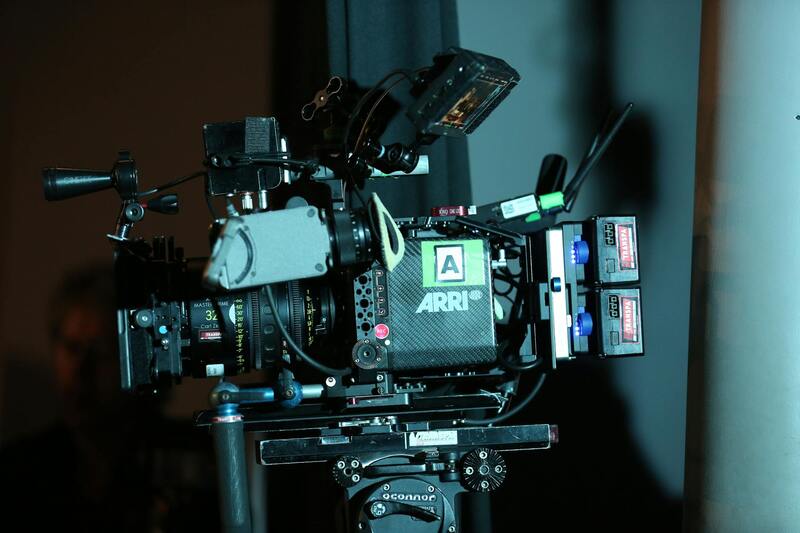
Selecting a corporate film production partner with local expertise, such as a Miami-based agency, offers distinct advantages. Familiarity with regional preferences, vendors, and regulatory environment ensures a smoother workflow and culturally relevant content creation. An experienced agency will also provide insights into emerging trends and innovative storytelling techniques, helping your brand stay ahead of the competition.
In assessing potential agencies, consider their portfolio, client testimonials, and understanding of your industry. Transparent communication, clear timelines, and a collaborative approach are critical to a successful partnership that results in a high-quality production aligned with your corporate goals.
Legal and Distribution Considerations in Corporate Film Production
Ensuring that your corporate film complies with relevant guidelines involves meticulous attention to legal parameters related to copyright, trademark rights, and permissions. Securing appropriate licenses for music, images, and other multimedia elements is a vital step that safeguards the production process from potential disputes. It is equally important to confirm that all talent releases, location permissions, and intellectual property rights are properly documented and obtained beforehand.
Distribution strategies are another critical element that influences the overall impact of your corporate film. Deciding on the most suitable channels for dissemination—whether through internal platforms, social media, email campaigns, or industry events—requires a tactical approach to maximize reach and engagement. Tailoring content formats and resolutions to align with specific platforms enhances viewer experience and ensures your message is delivered effectively across multiple channels.

In addition, considering the timing and frequency of releases can significantly impact audience perception and retention. A well-planned distribution schedule ensures continuous visibility and reinforces your brand messaging. Implementing tracking mechanisms and analytics will provide insights into viewer engagement, allowing for further optimization of media assets and promotional efforts.
Maintaining consistency in messaging, visuals, and tone throughout all distribution channels reinforces your brand identity and helps build a cohesive narrative that resonates with your target audience. Paying close attention to these aspects from the initial planning stages through post-release analysis ensures your corporate films achieve their intended objectives and sustain long-term value.
Legal and Distribution Considerations
When managing corporate film production, it’s crucial to adhere to established procedures for securing rights and permissions related to all content included in the final product. This encompasses obtaining clearances for music tracks, stock footage, copyrighted images, trademarks, and any proprietary information used during production. Ensuring these rights are meticulously documented and stored helps prevent potential disputes and facilitates smooth distribution channels.
Distribution planning plays a pivotal role in maximizing the impact of corporate films. Organizations should develop a comprehensive strategy that specifies the most suitable platforms, formats, and timings for release. Internal channels such as company intranets or employee newsletters are ideal for fostering engagement within the organization, whereas external platforms—social media, industry publications, or email campaigns—reach broader audiences. Each distribution channel may require specific adjustments to format and resolution to optimize viewer experience.
Effective distribution also involves scheduling content releases to maintain steady visibility. Timing releases around product launches, corporate events, or industry conferences can bolster engagement and reinforce messaging. Leveraging analytics tools to track viewer interactions and engagement rates enables continuous improvement of future media assets and dissemination strategies.

From script approval to final distribution, each step must be handled with a focus on accuracy, clarity, and brand consistency. Clear documentation of distribution rights and a well-structured dissemination plan help mitigate potential issues and streamline the process. Proper coordination among production teams, legal advisors, and distribution partners ensures the corporate message is delivered accurately and professionally, strengthening the company’s reputation and fostering stakeholder trust.
Legal and Distribution Considerations
Successfully navigating the legal and distribution aspects of corporate film production is essential for safeguarding the project's integrity and ensuring it reaches the intended audience efficiently. Precise management of intellectual property rights, clear agreements concerning usage rights, and confidentiality clauses are fundamental components that secure the company's assets and proprietary information throughout the production lifecycle.
Establishing comprehensive licensing agreements prior to production helps to delineate how the final content can be used across various channels and formats. This includes agreements on global distribution rights, duration of usage, and any revisions or adaptations that might be necessary for different markets or platforms.
Distribution planning involves selecting the most appropriate channels and formats to maximize engagement and impact. For internal audiences, secure and accessible formats such as company intranet portals or private viewing platforms are typically employed. External distribution, on the other hand, optimizes for platforms like social media, professional networks, and industry-specific channels, which may require custom formats and resolutions for optimal display.
Timing and schedule synchronization are critical factors, especially when aligning releases with corporate events, product launches, or industry conferences. Proper timing enhances visibility and reinforces key messaging. Additionally, tracking viewer data through analytics provides valuable insights into engagement levels, allowing for adjustments and improvements in ongoing and future campaigns.
Implementing a well-structured distribution plan involves meticulous documentation, including rights management, distribution schedules, and feedback collection. Close collaboration among production teams, legal experts, and distribution partners guarantees that content dissemination adheres to all guidelines and maximizes reach without compromising brand integrity.
Incorporating these methods ensures that the corporate film effectively supports organizational objectives, reinforces brand messaging, and builds stakeholder confidence. Proper management of legal considerations and distribution channels not only enhances the professional presentation of the film but also safeguards the investment made into production and dissemination efforts.
Legal and Distribution Considerations
When producing a corporate film, understanding the essential considerations for distribution and rights management is crucial for safeguarding your content and ensuring it reaches your intended audience seamlessly. Establishing clear agreements regarding the usage rights of footage, music, and images is fundamental. These agreements specify how the content can be used, modified, and distributed, preventing potential conflicts or misuse. It’s also important to delineate the geographic scope of distribution—determining whether the content is intended for local, national, or international audiences. This clarity guides the distribution channels chosen and ensures compliance with regional regulations. Content formatting and technical specifications play a significant role in effective distribution. Different platforms have unique requirements, such as aspect ratios, resolution standards, and file formats. Preparing multiple versions of the corporate film tailored to various channels maximizes reach while maintaining visual quality. Metadata and description tagging are vital for enhancing discoverability. Including relevant keywords, concise descriptions, and accurate categorization helps internal databases and external platforms index the film appropriately, ensuring it surfaces in the right searches. Another critical aspect involves secure handling of digital assets. Utilizing digital rights management (DRM) tools protects your content from unauthorized access or piracy, preserving both brand integrity and intellectual property. Finally, collaboration with distribution partners—whether internal marketing teams or external agencies—requires comprehensive planning. Setting schedules, KPI benchmarks, and feedback loops ensures the distribution efforts align with overall business objectives and reach the target demographic effectively. Proper attention to these distribution and legal considerations facilitates a smooth dissemination process, safeguards your investment, and amplifies the impact of your corporate film across chosen channels.
Understanding Corporate Film Production
Corporate film production is a strategic process that involves crafting visual content to represent a company’s brand, showcase its products or services, or communicate its values and mission to a broader audience. These films are meticulously planned, scripted, shot, and edited to deliver clear, engaging messages that resonate with targeted viewers. The process begins with a comprehensive understanding of corporate objectives and target demographics, ensuring that every element of the film aligns with long-term branding and marketing strategies.
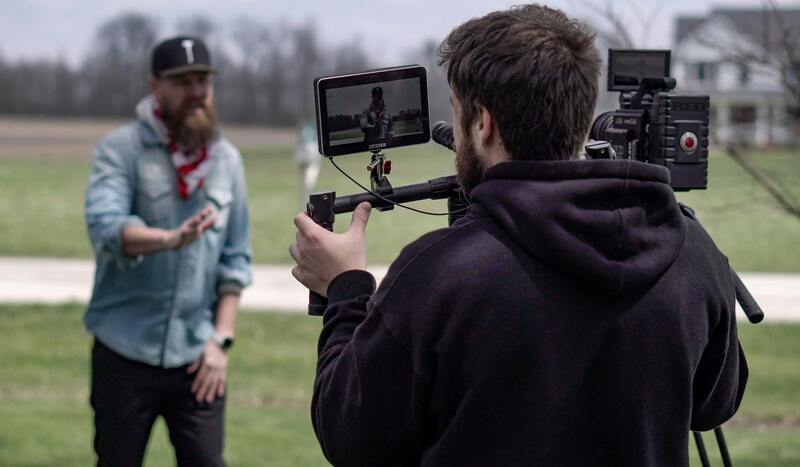
The production process typically involves a collaborative effort among various professionals, including scriptwriters, directors, cinematographers, sound engineers, and post-production specialists. Each plays a vital role in translating the client’s vision into a compelling visual story. Attention to detail, technical proficiency, and creative storytelling are essential to produce a corporate film that leaves a lasting impression, enhances brand reputation, and supports business growth.
Key Types of Corporate Films
- Brand Films: Focused on building brand identity and emotional connections with viewers by highlighting company values and mission.
- Product Demonstration Videos: Showcase features, benefits, and usage of specific products to educate and persuade potential clients.
- Training and Educational Films: Designed for internal use, these films facilitate employee onboarding, training, and development programs.
- Event Coverage: Capture corporate events, conferences, or product launches to share milestones and enhance brand visibility.
- Testimonials and Case Studies: Feature satisfied clients or successful projects to establish credibility and attract new business opportunities.
Benefits of Professional Corporate Films
Engaging high-caliber corporate films provide numerous strategic advantages. They improve communication clarity, allowing companies to deliver complex ideas effectively and memorable. Professionally produced videos foster increased engagement across digital channels, boosting website traffic, social media interaction, and email outreach. Moreover, these films help establish authority and trustworthiness in a competitive marketplace, demonstrating the organization’s commitment to quality and innovation.
Investing in quality productions enhances visual branding, making marketing materials more cohesive and aligned across multiple platforms. With a polished presentation, a corporate film can have a lasting impact, driving customer acquisition, retention, and overall brand loyalty. Additionally, well-crafted videos are easily repurposed for various campaigns, including trade shows, internal communications, and online advertising, maximizing the return on investment.
Steps in the Corporate Film Production Process
- Pre-Production: Involves concept development, scripting, storyboarding, budget planning, and scheduling. During this phase, objectives are clarified, and creative direction is established.
- Production: The filming stage, where all scheduled scenes are shot on location or in the studio, utilizing professional equipment, lighting setups, and audio recording techniques.
- Post-Production: Encompasses editing, sound design, color correction, and addition of visual effects or graphics. The goal is to refine the footage and craft a cohesive story.
- Distribution: Planning and executing the delivery of the final product across various channels, ensuring it reaches the intended target audience effectively.
Choosing a Miami Corporate Film Production Agency
When selecting a production partner in Miami, it’s crucial to evaluate their portfolio, experience, and understanding of the local business landscape. A reputable agency demonstrates a comprehensive approach, from creative concept to final delivery, prioritizing transparency and client collaboration throughout the process. They should also possess a solid reputation for producing content that aligns with brand messaging and adheres to industry standards.
Furthermore, an ideal agency offers tailored solutions suited to your specific corporate needs, whether for internal communication, marketing campaigns, or external stakeholder engagement. Their ability to integrate multimedia elements, handle complex logistics, and deliver within deadlines is vital to the success of your project.

Legal and Distribution Considerations
Maintaining high standards in the distribution of corporate films involves a series of formal procedures designed to ensure the content reaches the intended audience without issues. Secure handling of intellectual property rights is fundamental, ensuring that all visual and audio elements incorporated into the film are authorized for use, which often involves licensing agreements or rights clearances. This process involves verifying ownership of music, stock footage, and any third-party content integrated into the final product.
Moreover, compliance with industry standards for content presentation guarantees that the film adheres to best practices in quality and accessibility. This can include formatting specifications for different viewing platforms—such as broadcast, online streaming, or internal distribution—and ensuring compatibility across various devices and screens. Proper export settings and checksum verifications hold significance in maintaining video integrity during transfer and playback.
Distribution strategies should be tailored to the target audience's behaviors and preferences, selecting the appropriate channels—such as corporate intranets, email campaigns, social media platforms, or paid advertising—to maximize impact. It is also critical to plan the release schedule to optimize viewer engagement and brand visibility, especially when aligning releases with company milestones, product launches, or industry events.

Advertising and promotional tactics should complement the film’s distribution plan, using targeted messaging to reinforce the company's core values and strategic objectives. When executed carefully, these methods strengthen brand reputation and facilitate stakeholder engagement, ultimately contributing to the achievement of corporate goals.