
Understanding Commercial Video Production
Commercial video production services encompass the comprehensive process of creating high-quality video content designed specifically to promote products, services, or brands. These services include conceptualization, scripting, filming, editing, and post-production, all tailored to meet the unique marketing goals of a business. In Miami’s vibrant economic landscape, companies leverage these professional video services to enhance brand visibility, engage target audiences, and drive conversions. Commercial videos are crafted to communicate key messages effectively and leave a lasting impression on viewers, thereby increasing brand awareness and customer engagement. Miami’s diverse business ecosystem benefits significantly from professionally produced commercials, as they allow brands to stand out in a competitive market. Whether creating promotional videos for local events, product launches, or service advertisements, commercial video production services are pivotal assets for businesses aiming to solidify their market presence. These services not only facilitate storytelling that resonates with viewers but also incorporate strategic marketing principles to optimize impact. From small startups to large corporations, the value of high-quality commercial videos cannot be overstated. They serve as potent marketing tools that can be distributed across multiple platforms including television, social media, websites, and digital advertising campaigns. Engaging visuals combined with compelling narratives help forge emotional connections between brands and consumers, ultimately boosting brand loyalty and sales. Moreover, Miami’s vibrant cultural landscape inspires a variety of creative approaches in commercial video production. Local production teams utilize their deep understanding of regional trends, demographics, and preferences to craft content that speaks directly to the audience. This localized approach ensures that each commercial video resonates well with viewers, reinforcing brand messaging and fostering community engagement. The growth of digital media further emphasizes the importance of professional commercial videos. As consumers increasingly turn to online platforms for their information and entertainment, the need for visually appealing, professionally made videos has never been greater. Business owners realize the importance of investing in quality commercial video production to stay competitive, reach wider audiences, and create lasting impressions. In summary, commercial video production services are an integral component of modern marketing strategies for Miami-based businesses. They combine creativity, technical expertise, and strategic insights to develop content that elevates brand identity, enhances consumer engagement, and accelerates business growth in a bustling economic environment.
Key Elements of Effective Commercial Videos
Creating impactful commercial videos requires a strategic blend of creative storytelling, technical precision, and audience awareness. Fundamental elements include a clear and compelling message that aligns with the brand’s objectives. The narrative should resonate emotionally with viewers, fostering a connection that motivates action. Visual storytelling must be engaging, utilizing high-quality imagery, dynamic editing, and effective use of color palettes to underscore the message.
Furthermore, strong branding elements such as logos, taglines, and brand colors should be seamlessly integrated to reinforce brand recognition. The audio component plays a vital role; background music, voiceovers, and sound effects must complement the visuals without overpowering the message. A cohesive audio-visual synergy enhances retention and engagement.
Call-to-action (CTA) positioning is another critical aspect. Whether aiming for brand awareness, lead generation, or sales, the CTA should be clear and strategically placed to guide viewers towards the desired response. The pacing of the video must keep audiences engaged without feeling rushed, striking a balance that maintains interest throughout.
In addition to content quality, technical specifics such as resolution, aspect ratio, and overall production standards influence the effectiveness of the video. High-definition visuals and professional editing ensure the final product looks polished and credible, establishing trust with the audience.
Lastly, understanding the target audience’s preferences and viewing habits guides the stylistic choices and distribution strategies, ensuring the video reaches the right demographics through appropriate channels. This tailored approach maximizes engagement and enhances the overall return on investment.
Role of Scriptwriting and Planning
Effective commercial videos start with meticulous planning and compelling scriptwriting. Developing a well-structured script ensures that key messages resonate clearly and concisely within a limited timeframe. Scriptwriting involves crafting a narrative that captures attention immediately, maintains engagement throughout, and concludes with a strong call-to-action. It’s essential to align the script with the brand’s voice and target audience preferences, ensuring the tone and messaging remain consistent across all communications.
Pre-production planning extends beyond scripting. It encompasses location scouting, casting, storyboard development, and scheduling, all of which contribute to a smooth filming process. Storyboarding visualizes scenes in advance, allowing clients and production teams to identify potential issues early and make necessary adjustments. Detailed planning minimizes errors, controls costs, and guarantees that the final product aligns perfectly with the envisioned concept.

Importance of High-Quality Production Equipment
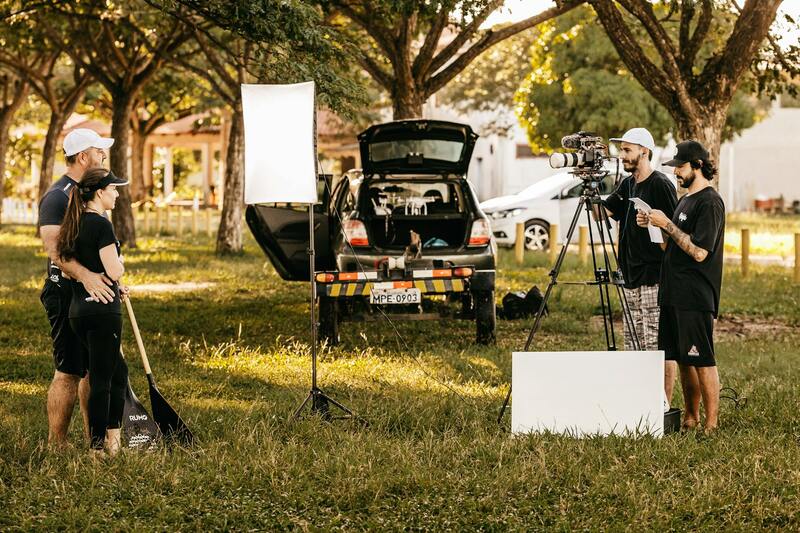
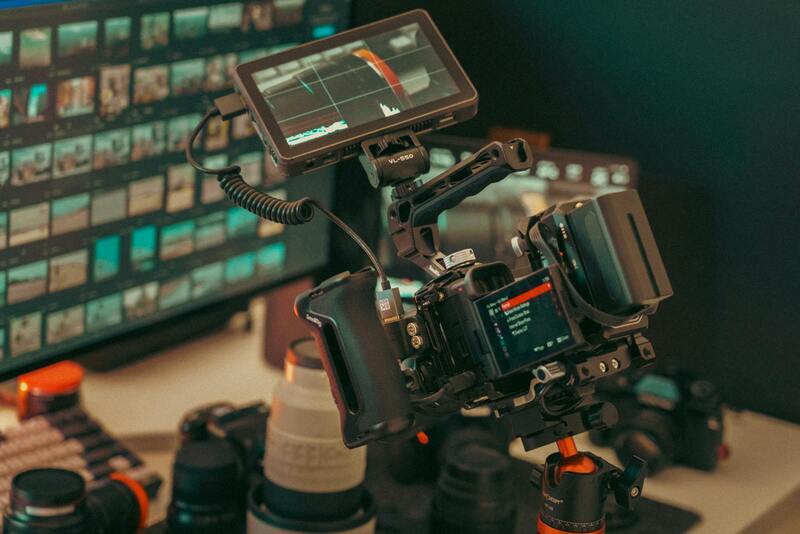
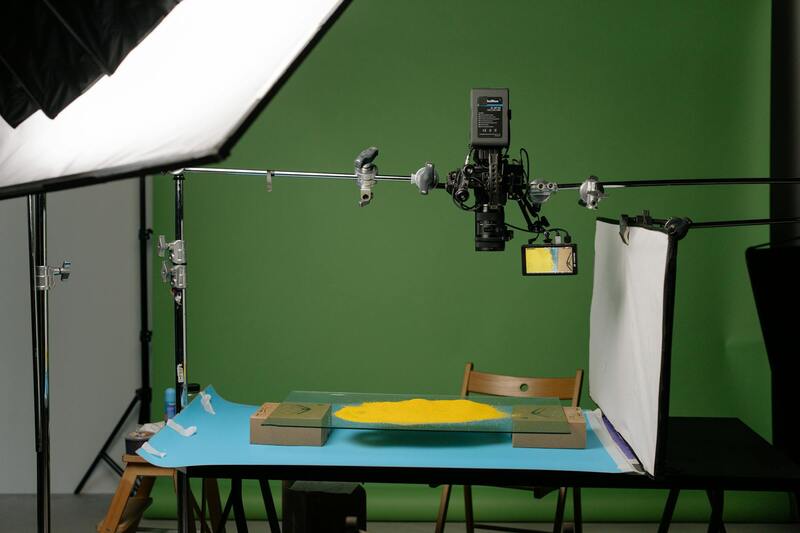
Utilizing advanced production equipment is critical to delivering visually stunning commercial videos. High-definition cameras, professional lighting setups, stable camera rigs, and quality sound recording devices contribute to a polished final product. These tools enable filmmakers to capture every detail with clarity, depth, and vivid color accuracy, which significantly impacts viewer perception. Moreover, stabilization equipment such as tripods and gimbals ensures smooth motion shots, while professional lighting enhances mood and visual appeal.
The choice of editing software and post-production techniques further refines the footage, adding visual effects, color grading, and seamless transitions that elevate the overall quality. Investing in superior equipment and skilled operatives results in a production that appears credible, trustworthy, and engaging, enticing viewers to connect with the brand and message conveyed.
Post-Production and Editing Approaches
Post-production is where raw footage transforms into a compelling commercial video. Skilled editors integrate visual effects, sound design, color correction, and graphics to produce a cohesive story. Effective editing enhances pacing, maintains viewer interest, and reinforces key messaging. Sound design, including background music and voiceovers, plays a vital role in setting the tone and emotional resonance of the video.
Consistent branding elements such as logos, taglines, and color schemes should be embedded seamlessly during editing. This reinforces brand identity and increases recognition. Additionally, optimizing the video for various distribution channels ensures compatibility with different platforms, from social media to broadcast networks, maximizing reach and impact.
Collaboration and Client Review Cycles
Collaborative engagement between clients and production teams is essential for achieving desired outcomes. Regular review cycles allow stakeholders to provide feedback and request adjustments throughout the process. Transparent communication ensures alignment on creative direction, messaging, and aesthetic preferences.
This iterative approach minimizes costly revisions after the final edit, ensuring the finished product meets both quality standards and strategic objectives. Establishing clear timelines for review and approval maintains workflow efficiency and keeps projects on schedule. Ultimately, active client involvement during post-production fosters a sense of ownership and satisfaction with the end result.
Legal and Creative Considerations
Ensuring compliance during commercial video production is fundamental to safeguarding a project’s success. This involves adhering to regulations surrounding intellectual property rights, licensing, and use of copyrighted material. Securing appropriate permissions for music, images, and footage guarantees that all elements incorporated into the video are authorized for commercial use. It is vital to work with licensed vendors and obtain necessary clearances to prevent potential disputes or retractions after publication.
Creative considerations encompass respecting cultural sensitivities, avoiding stereotypes, and aligning content with brand values. A comprehensive understanding of the target audience’s demographics, preferences, and perceptions helps craft messages that resonate authentically. Incorporating culturally appropriate themes and avoiding content that might be misinterpreted or cause offense ensures the message maintains a positive impact.
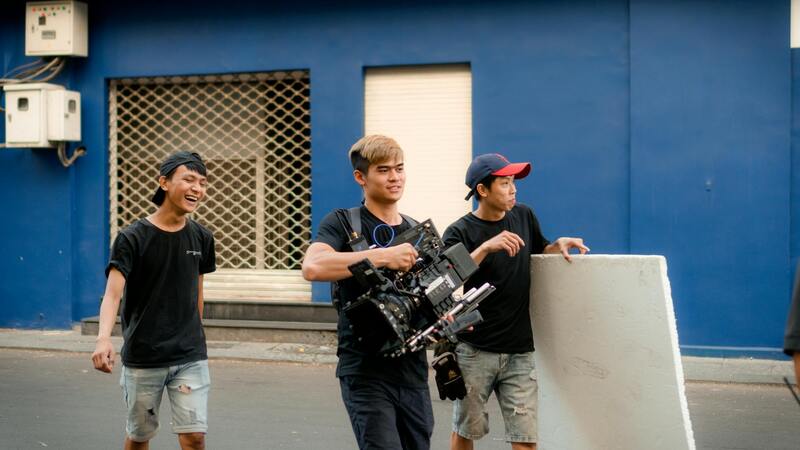
In addition, the selection of talent and locations should follow official procedures, including contracts for talent releases and location permits where necessary. These measures help establish clear agreements on usage rights and liabilities, reducing the risk of conflicts or misunderstandings.
Creative work also entails safeguarding against inaccurate representations or claims. Ensuring all statements and claims within the video are truthful and substantiated is a vital component of ethical advertising practices. This builds consumer trust and prevents potential backlash related to false advertising claims.
To effectively navigate these considerations, collaborating with professionals experienced in compliance and content rights management is essential. Such expertise ensures video assets meet all regulatory standards while remaining creatively compelling. This balanced approach ultimately produces a professional, ethically responsible commercial video that supports brand objectives and fosters positive viewer engagement.
Utilizing Industry-Standard Techniques and Practices
Implementing best practices in commercial video production is crucial to achieving high-quality results that meet industry expectations and production standards. This involves adhering to meticulous pre-production planning, efficient resource management, and precise execution among all stages of the project.
From the initial conceptualization to final delivery, every phase must follow established protocols that ensure consistency, accuracy, and professionalism. For example, scriptwriting should be grounded in strategic messaging, and storyboarding should clearly visualize the narrative flow, facilitating a seamless production process.
During production, the use of reliable, high-grade equipment such as professional cameras, lighting, and sound gear ensures visual and audio clarity, vital for a compelling commercial. Proper lighting techniques and sound recording practices also significantly influence the final output’s quality.
Post-production involves rigorous editing, color correction, sound design, and visual effects, all performed using industry-leading software. Employing professional editors and colorists guarantees the polished appearance and consistency of the visuals, enhancing the commercial’s effectiveness.
Implementing Ethical & Transparent Practices in Commercial Video Production
Adherence to transparent and ethical practices forms the foundation of a reputable commercial video production service. This entails clear communication with clients regarding the scope, timeline, and budget, avoiding any misleading claims or misrepresentations.
It is equally important to maintain integrity in all creative aspects, ensuring that content accurately reflects the brand and does not exaggerate claims or mislead viewers. This fosters consumer trust and bolsters reputation.
Vetting talent, securing proper licensing rights, and obtaining necessary permits for locations are integral to complying with official procedures. These steps include detailed contracts for talent releases, usage rights, and location agreements, which define clear terms for content rights and liabilities.
Employing industry-standard techniques combined with transparent protocols helps mitigate risks and streamlines the production process, resulting in a product that not only meets creative goals but also aligns with regulatory expectations.
Legal and Creative Considerations in Commercial Video Production
Producing a commercial video involves a delicate balance between safeguarding creative vision and ensuring adherence to established guidelines that uphold standards of authenticity and quality. It is essential for companies to be mindful of the intellectual property rights associated with all elements incorporated into the production. This includes music, images, footage, and branded content, which must be properly licensed or created original to avoid copyright infringements.
Additionally, proper attribution and licensing agreements should be meticulously documented, establishing clear terms of use and distribution rights. Working with licensed music, stock footage, and royalty-free assets can mitigate potential legal complications, while also maintaining a professional standard for the final product.
Another critical aspect is the representation and portrayal of brands and individuals. Commercial videos must accurately reflect the product or service offered, avoiding exaggerated claims that could lead to statutory issues or damage the brand’s credibility. Talent releases are essential to securing rights for appearances in the footage, ensuring that all participants have consented to their image and voice being used for commercial purposes.
Creative considerations extend to the narrative, visuals, and overall message conveyed. It is important to craft content that resonates with the target audience while aligning with the client’s brand identity. This involves a strategic approach to scripting, storyboarding, and visual design, balancing compelling storytelling with compliance to advertising standards.
Furthermore, ethical advertising practices should guide all creative decisions. Avoiding misleading or deceptive representations, ensuring transparency about product capabilities, and respecting cultural sensitivities foster trust with viewers and uphold the reputation of the brand. Incorporating authentic testimonials and genuine demonstrations enhances credibility and strengthens consumer engagement.
Ultimately, the intersection of legal prudence and creative innovation creates a robust foundation for commercial videos that are not only visually compelling but also compliant with industry and regulatory requirements. This meticulous approach ensures the production process proceeds smoothly, minimizing risks and maximizing the quality and effectiveness of the final product.
Legal and Creative Considerations in Commercial Video Production
Ensuring that a commercial video complies with all relevant legal standards and aligns seamlessly with the client's brand identity is paramount for a successful campaign. This involves meticulous attention to licensing agreements, permissions, and intellectual property rights. Clear documentation should be established at the outset to specify usage rights for images, music, and footage. It’s vital to secure appropriate releases from individuals appearing in the video, including consent for commercial use, to prevent disputes or misunderstandings post-production.
In addition, adherence to brand guidelines influences the creative approach to the video content. This includes maintaining consistent color schemes, messaging tone, and visual styles that reinforce brand recognition. Creative teams must craft narratives that resonate with their target audience while respecting cultural sensitivities and avoiding stereotypes or misleading portrayals.
Intellectual property rights are particularly critical in commercial video production. Use of copyrighted music, images, or video clips must be properly licensed or created specifically for the project to prevent infringement issues. Creative professionals might opt for original compositions or royalty-free media to circumvent potential legal complications. Moreover, the content should be carefully reviewed to comply with advertising regulations and standard practices to avoid any misleading claims or deceptive representations.
Collaborating with legal advisors or compliance specialists during the planning phase can help identify potential risks and ensure all necessary permissions are obtained. This proactive approach safeguards the integrity of the production and shields the brand from potential liabilities.
Ultimately, fostering a collaborative relationship between creative teams and legal professionals during the project’s development enhances both the creative quality and the regulatory adherence of the final product. This dual focus ensures that the commercial video resonates authentically with viewers while standing up to industry scrutiny and legal review, delivering a powerful message that reinforces brand reputation and trustworthiness.
Legal Clearance and Distribution Strategies for Commercial Videos
Securing appropriate permissions and clearance is an essential phase in the creation of commercial videos. This process involves obtaining clear rights for all visual, audio, and textual content included in the production. Licensing music, stock footage, or images ensures that the content used does not infringe upon any intellectual property rights. It is prudent to engage with rights holders, copyright owners, or licensing agencies to secure the necessary permissions before finalizing the video. This proactive approach minimizes the risk of disputes arising after the release and maintains the integrity of the brand.
Furthermore, distribution strategies must be carefully crafted to maximize reach while adhering to industry standards and platform policies. Whether deploying videos through traditional television channels, digital advertising platforms, or social media, understanding each medium’s content guidelines and technical specifications is vital. Proper formatting, aspect ratios, and length considerations enhance the viewing experience and engagement rates. For instance, vertical videos are preferred for mobile social media feeds, while high-definition assets suit cinematic or large-screen displays.
Developing a comprehensive distribution plan involves identifying target audiences, selecting appropriate channels, and timing the release to coincide with marketing campaigns or product launches. A multi-channel approach often yields the best results, allowing brands to amplify their message across diverse platforms such as YouTube, Instagram, Facebook, and professional networks. This integrated strategy enhances visibility and ensures the commercial video maximizes its return on investment.
In addition to rights management and strategic deployment, tracking the performance of commercial videos is imperative. Utilizing analytics tools provided by advertising platforms or third-party solutions enables marketers to gather insights into viewer engagement, conversion rates, and overall campaign effectiveness. Metrics such as view counts, watch time, click-through rates, and audience demographics inform future content adjustments and campaign optimization.
Maintaining a record of all permissions, licenses, and distribution agreements creates a transparent audit trail that can facilitate future projects and protect against any unforeseen disputes. Regular reviews of content performance data help in refining marketing strategies, ensuring that each commercial video continues to serve as a powerful component of the brand’s broader advertising framework.