
Making a Corporate Video: Step 1 - Defining Objectives and Target Audience
Understanding the Foundation of a Successful Corporate Video
Creating an impactful corporate video begins with establishing clear objectives that align with your company's strategic vision. These objectives serve as the guiding light throughout the production process, ensuring that every element—from messaging to visuals—contributes to achieving your desired outcomes. Whether your goal is to enhance brand awareness, showcase new products, or communicate corporate values, concrete goals define the scope and focus of the project.
Equally important is identifying the target audience. Understanding who you want to reach influences the tone, style, and content of the video. A video aimed at prospective clients should differ significantly from one intended for internal stakeholders or existing partners. Recognizing demographics such as age, profession, geographic location, and preferences enables the creation of content that resonates and compels action.
Establishing objectives and understanding the target audience also involves assessing the context in which the video will be consumed. Consider factors such as the platforms where the video will be shared, the viewer's familiarity with your brand, and their specific interests. These insights help shape messaging that is not only relevant but also engaging and persuasive.
When setting objectives, use specific and measurable criteria. For example, instead of vague aims like "increase brand awareness," opt for quantifiable goals such as "generate a 20% increase in website visits from viewers within the first three months." Such precision enables effective tracking of success metrics post-release.
- Aligning video goals with overall marketing and communication strategies.
- Identifying key messages that support your company's mission and values.
- Determining the desired call-to-action—to inform, engage, or persuade viewers.
Effective planning at this initial stage ensures subsequent steps—concepts, scripting, and production—are targeted and efficient. It avoids costly revisions and ensures the final product authentically represents your organization and resonates with your intended audiences.
Developing a Clear and Focused Concept and Script
After establishing the fundamental objectives and understanding the target audience, the next critical step involves crafting a compelling concept that captures the essence of your brand and communicates it effectively. The concept serves as the foundation for the entire video, providing a creative framework that guides visual and narrative elements to align with strategic goals.
Effective concept development begins with brainstorming sessions that explore innovative ideas while maintaining alignment with the core message. This process often involves unique storytelling angles, memorable visual themes, and emotional appeals that motivate the viewer to engage with your brand. It's essential to consider how the concept will resonate with the audience’s values and expectations, ensuring authenticity and relevance.
Once the conceptual framework is established, translating it into a detailed script is vital. The script functions as a blueprint that guides the production team and actors, providing precise instructions on dialogue, scene sequences, and visual cues. A well-written script not only communicates the intended message clearly but also engages viewers through compelling storytelling, persuasive language, and appropriate tone.
Key considerations during script development include maintaining a concise and focused message, incorporating brand language and values, and ensuring the tone matches the target audience’s preferences. It's advisable to include calls-to-action at strategic points to encourage viewer response, whether that involves visiting a website, contacting sales, or sharing the content.
Best Practices in Script Writing
- Utilize an engaging hook within the first few seconds to capture attention.
- Structure content logically, progressing from introduction to key messages to a memorable closing.
- Employ clear and conversational language for natural flow.
- Integrate visual and auditory cues for seamless production.
- Ensure messaging aligns with overall marketing and communication strategies.
Writing a script with flexibility is also essential, allowing room for creative input from the production team, actors, and stakeholders. This collaborative approach enhances the final product's authenticity and effectiveness.
Validating and Refining the Concept and Script
Prior to moving into pre-production, it's important to review the concept and script thoroughly. Gathering feedback from stakeholders can help identify areas for improvement, ensuring the content aligns with your organization's objectives and audience needs. Iterative revisions refine the narrative, pacing, and overall clarity, setting the stage for a smooth production process.

This stage's meticulous attention to detail helps prevent miscommunication and costly revisions during later phases, ultimately saving time and resources while delivering a high-quality, impactful corporate video.
Detailed Planning of Visual Content and Filming Techniques
Creating a compelling corporate video requires a meticulous approach to visual content and filming methodologies. Selecting the appropriate filming techniques is crucial to convey your message effectively and engage your target audience. Different styles, such as interviews, product demos, or animated sequences, necessitate specialized filming approaches tailored to each format.
When designing visual content, consider how lighting, camera angles, and shot composition can influence viewer perception. Proper lighting ensures clarity and highlights key subjects, while strategic camera angles can create a sense of dynamism and emphasis. For instance, low angles may convey authority, whereas close-ups can foster intimacy and connection with viewers.
Utilizing various camera movements, such as dolly shots or steadicam sequences, can add visual interest and maintain viewer engagement. Fast-paced editing and dynamic shots work well for energetic themes, whereas slow, steady sequences are suitable for conveying professionalism and trustworthiness. The right combination of these elements enhances storytelling and ensures that the video resonates with viewers.

Pre-visualization through storyboarding or shot lists is highly recommended to align the creative vision with logistical execution. This planning tool helps identify required equipment, locations, and talent beforehand, reducing the risk of unforeseen delays and ensuring that all creative elements are captured accurately during filming.
Utilizing Equipment and Technology for Superior Quality
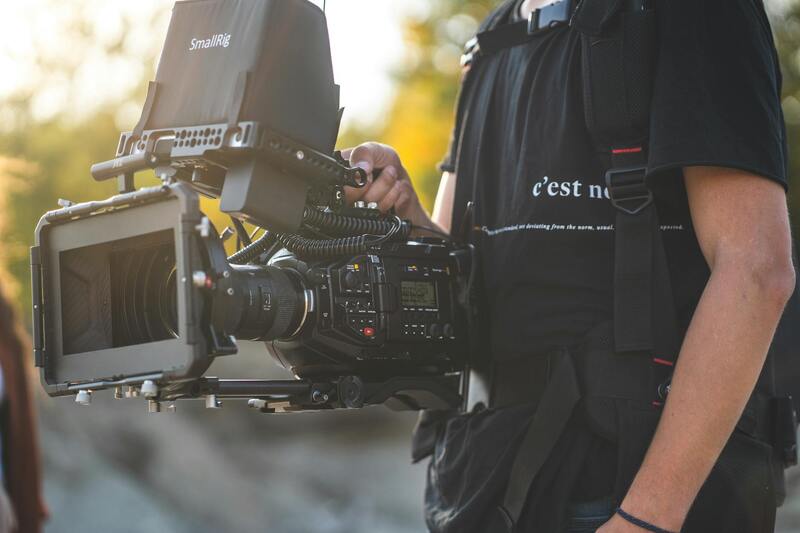
Investment in quality equipment translates directly into the professionalism of the finished product. High-definition cameras, stabilized rigs, and professional lighting setups contribute to sharp visuals and clear audio. Employing drone footage can add a unique perspective, especially when showcasing large-scale facilities or landscapes, elevating the production quality significantly.
Incorporating modern technology like 4K resolution, high-quality microphones, and advanced editing hardware ensures the final product meets industry standards. For projects with complex visual effects or motion graphics, partnering with specialists who utilize professional editing suites and software can significantly enhance the visual appeal and storytelling impact.
Securing the Right Talent and Locations
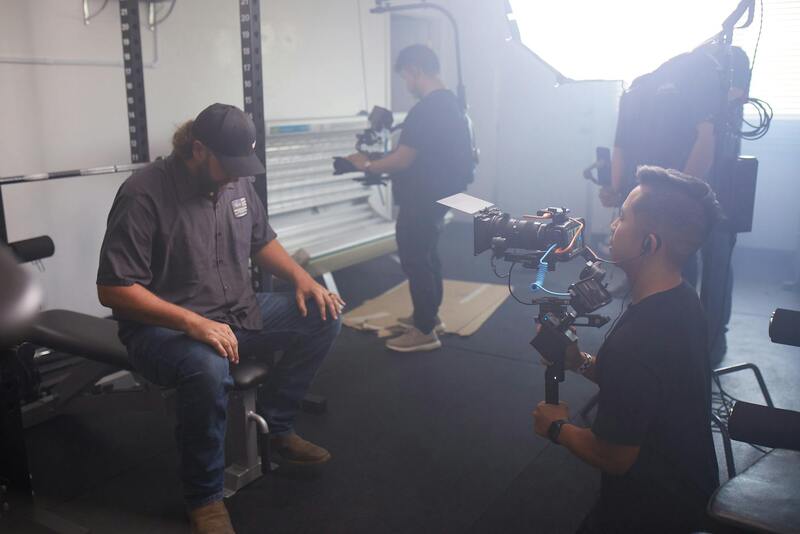
Choosing credible talent—whether professional actors, executives, or voice-over artists—underpins the authenticity of your message. Casting individuals who can embody the brand values and convey genuine emotions ensures the audience remains connected throughout the video.
Location scouting plays a pivotal role in establishing visual context and ambiance. Opting for offices, manufacturing floors, or outdoor environments that reflect the company's identity enhances the relatability and relevance of your content. Properly securing permissions and arranging logistics beforehand is essential to avoid disruptions during filming.
Adhering to Industry Standards and Ethical Practices
Throughout production, following established industry standards guarantees the safety of the crew and talent while maintaining quality and efficiency. This includes implementing proper safety protocols, securing necessary permits, and respecting intellectual property rights.
Transparency with stakeholders about the use of on-screen talent and locations fosters trust and ensures compliance with ethical practices. Such diligence not only elevates the professionalism of the project but also enhances your organization's reputation for integrity and responsibility.
Ensuring Compliance with Industry Standards and Ethical Practices
Adherence to rigorous industry standards during the production phase is paramount for producing a professional and respectable corporate video. This involves implementing comprehensive safety protocols to protect all personnel on set, from cast members to crew members. Proper safety measures include the use of personal protective equipment when necessary, securing locations to prevent unauthorized access, and ensuring that equipment setup follows best practices to prevent accidents.
Permitting plays a critical role in the legitimacy of your filming activities. Prior to shooting, obtaining the required permits and permissions from relevant authorities helps streamline the process and minimizes delays. It also ensures that the production respects local regulations concerning filming in public or private spaces. Coordinating with property owners and local agencies not only demonstrates respect for legal frameworks but also helps in establishing a cooperative relationship for future projects.
Respecting intellectual property rights throughout the project mitigates potential legal complications. This involves ensuring that all copyrighted material used—be it music, images, or scripts—has appropriate permissions or licenses. When sourcing content externally, manufacturers should keep detailed records of licensing agreements. This proactive approach sustains transparency and aligns with established ethical practices.
Open communication with project stakeholders, including clients, talent, and location authorities, fosters transparency and trust. Clearly outlining how talent and locations will be utilized, and obtaining explicit consent, underpins a professional approach. Such clear agreements prevent misunderstandings and uphold the ethical standards of the organization.
Upholding these standards not only guarantees a smooth production process but also bolsters your reputation as a responsible content creator. This diligence in following established practices enhances the perception of your brand's ethical stance, which resonates positively with target audiences and industry partners alike.
Post-production Editing and Optimization
Following the initial editing phase, the focus shifts to refining the corporate video to ensure it aligns with the strategic communication goals. High-quality post-production is critical to transforming raw footage into a cohesive, engaging narrative that resonates with the target audience. This process involves meticulous editing, color grading, sound mixing, and visual effects integration, all aiming to enhance the overall professionalism of the final product.
Incorporating graphics and motion animations plays a pivotal role in emphasizing key messages and data points. For corporate videos, these visual elements can underscore branding elements, such as company logos, taglines, or infographics, reinforcing brand identity and messaging consistency. Integrating background music and sound effects should be done thoughtfully, ensuring they complement the visuals without overpowering the core content.
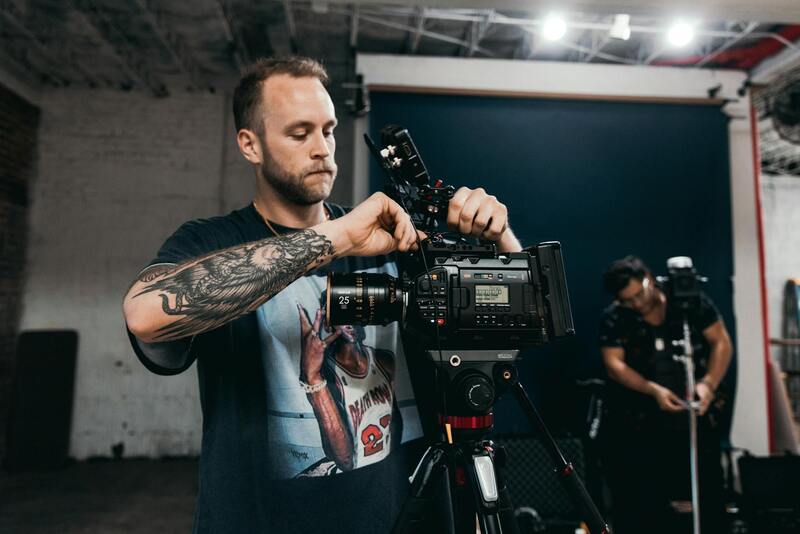
Advanced editing techniques, including transitions, overlays, and visual effects, should be employed to create a seamless viewing experience. It is also imperative to perform quality assurance checks to detect any technical issues such as synchronization errors, unwanted artifacts, or color inconsistencies. This ensures the final product maintains a high production standard that aligns with professional expectations.
Metadata management, such as encoding and tagging, can be vital for optimizing video playback across multiple platforms and devices. Proper encoding ensures compatibility, while strategic metadata enhances discoverability through search engines and video hosting services.
Review and Client Feedback Process
Once the initial edited version is completed, sharing it with stakeholders allows for input and revisions. The review process should be structured to facilitate clear communication regarding specific changes, whether related to content accuracy, branding elements, or stylistic preferences. Documenting feedback systematically helps in maintaining transparency and streamlining subsequent edits.
Implementing iterative revisions based on constructive feedback results in a polished final product that accurately reflects the company’s vision and messaging. Attention to detail throughout this phase solidifies the video's effectiveness, ensuring it serves its purpose in communication, branding, or marketing strategies.
Finalization and Export
After all revisions are incorporated, the final version of the corporate video undergoes a rigorous quality check to verify technical standards, branding consistency, and overall presentation. Export settings should be tailored to match intended distribution channels, whether for broadcasting, online streaming, or internal use.
Choosing the correct format and resolution is vital to preserve visual quality and optimize user experience across various devices. High-definition MP4 formats are commonly recommended for a balance of quality and compatibility, but specific platform requirements should guide export configurations.

It's also beneficial to maintain organized backups of project files and different versions. Proper documentation and storage facilitate easy future updates or repurposing of video content, contributing to long-term content strategy and resource efficiency.
Ensuring Proper Delivery and Distribution Channels
Once the final version of the corporate video has been polished and approved, selecting appropriate delivery and distribution channels is vital to maximize reach and impact. The choice of platforms depends on the target audience, campaign goals, and content format. Typically, companies leverage a combination of internal channels, social media platforms, and third-party websites to disseminate their message effectively.
Internal distribution might involve embedding the video within company intranets, internal memos, or presentations to ensure employees are aligned with the branding and key messages. External channels include corporate websites, professional networking sites, and industry-specific platforms that cater to the target demographic.

Utilizing Appropriate Formats and Resolutions
To maintain high quality and accessibility, the video's technical specifications must be optimized for each platform. High-definition formats such as MP4 are widely supported across all digital channels while preserving visual clarity. When preparing videos for online streaming, adopting recommended resolutions—such as 1080p or 4K—ensures sharp visuals on various devices. For social media, shorter clips or teasers may be customized in different aspect ratios to enhance viewing experience.
Engaging Audiences Through Strategic Promotion
Effective promotion intensifies the visibility of the corporate video, encouraging sharing and interaction. This involves crafting targeted ad campaigns, leveraging email marketing, and participating in online forums or industry events. Engaging captions, compelling thumbnails, and strategic scheduling further increase the chances of viewer engagement. Additionally, integrating the corporate video into presentations, trade shows, or client pitches amplifies its reach and influence.
Maintaining Content Longevity and Reusability
For sustainable content strategies, storing video files systematically is essential. Proper documentation includes keeping multiple copies in organized digital archives, along with detailed metadata for easy retrieval. This practice enables future updates, repurposing into different formats for various campaigns, or embedding into new marketing initiatives. Using adaptable content ensures ongoing relevance without the need to produce entirely new material each time, thereby optimizing resources and maximizing ROI.
Distribution and Promotion
Once the corporate video has gone through meticulous post-production and review phases, strategic distribution becomes the next crucial step. Leveraging the most appropriate channels ensures the content reaches its intended audience with maximum engagement. Utilizing a multi-channel approach not only broadens visibility but also reinforces the message across different touchpoints.
Primary platforms for distribution include corporate websites, social media networks, email campaigns, industry-specific online portals, and video hosting services like professional platforms or industry forums. Tailoring the format and aspect ratio of the video for each channel guarantees an optimal viewing experience. For example, vertical formats work well on mobile-centric social media apps, while horizontal formats suit embedded website videos or presentations.
Embedding videos directly into company blogs, news updates, or product pages enhances on-site engagement, increasing the time visitors spend with your brand. Sharing teaser clips or shorts on platforms like Instagram, LinkedIn, or Twitter generates buzz and drives traffic to the full-length video hosted on your primary site or dedicated landing pages. Incorporating clear call-to-actions (CTAs) within each distribution point guides viewers toward desired responses, whether it’s signing up for a newsletter, requesting more information, or making a purchase.
Another effective promotional method involves leveraging targeted advertising strategies. Social media advertising allows precise audience segmentation based on demographics, interests, or professional roles, ensuring your corporate message appears directly in the feeds of potential clients or stakeholders. Paid campaigns increase the reach beyond organic audiences, allowing for detailed analytics that measure engagement and conversion rates.
Internal promotion also plays a vital role. Including the video in internal communications, training sessions, and during client meetings maximizes its utility. For trade shows or industry events, high-quality screens showcasing the corporate story serve as dynamic tools for engagement. Integrating the content into email marketing sequences, especially personalized messages to key contacts, enhances its impact and fosters stronger connections.

Finally, tracking the performance of the video's distribution is essential. Utilizing analytics tools integrated with social media platforms and hosting services provides insights into views, shares, engagement rates, and viewer demographics. These metrics inform future content strategies and ensure marketing efforts are continually optimized for better results, providing tangible evidence of return on investment.
Implementing Official and Effective Distribution Channels
After completing the post-production editing phase, ensuring that your corporate video reaches the intended audience through official and strategic distribution channels is paramount. This process involves selecting platforms and methods that maximize visibility, engagement, and professional impact. A deliberate approach to distribution not only amplifies your message but also reinforces your brand’s credibility and authority within the industry.
Utilizing Company Websites and Owned Media
The first step in distribution involves leveraging your organization’s official website. Embedding or hosting the video on a dedicated page provides a central, easily accessible source for stakeholders, clients, and potential clients to engage with your content. Clear call-to-actions (CTAs) should accompany the video to guide viewers toward desired outcomes, such as contacting your team, downloading additional resources, or exploring services. Additionally, integrating the video within email newsletters and internal portals ensures comprehensive reach across your internal networks and existing contact lists.

Engaging with Social Media Platforms
Social media channels present an invaluable avenue for targeting specific professional demographics. Platforms such as LinkedIn are particularly effective for B2B outreach, allowing you to target decision-makers and industry professionals with precision. Sharing videos on your company’s official profiles encourages organic sharing and increases your post’s reach. Paid advertising options—such as sponsored posts or targeted video ads—further extend your visibility, allowing you to tailor messaging based on audience interests, geographic location, and professional roles.
When utilizing social media, it is important to optimize your content for each platform’s specifications. Shorter clips or teaser snippets can be used to generate interest, with direct links to the full version hosted on your website or a professional video hosting platform. Engaging with comments and fostering conversations around your video helps to build your industry authority and enhance brand recognition.
Partnering with Industry Influencers and Media Outlets
Collaborating with industry influencers, trade associations, and reputable media outlets ensures your video gains exposure within credible and targeted channels. Influencers with aligned audiences can share your content through their networks, providing authentic endorsements that resonate with viewers. Similarly, distributing your videos through industry-specific newsletters, online magazines, or specialized platforms increases the likelihood of reaching decision-makers who are actively seeking solutions related to your offerings.
Publishing on Video and Content Platforms
Hosting your videos on professional video platforms—such as Vimeo or YouTube—provides additional channels for dissemination. These platforms offer advanced analytics features, allowing you to monitor viewer engagement and demographic information meticulously. Videos can be embedded or shared across other digital assets seamlessly, supporting a cohesive content strategy. When uploading, including SEO-optimized titles, descriptions, and tags enhances discoverability through search engines and platform-specific algorithms.
Ensuring Consistent Messaging Across All Channels
Regardless of the distribution channel, maintaining consistency in messaging, visual branding, and tone is critical. A unified approach reinforces brand recognition and credibility. Before launching the distribution phase, verify that all content aligns with your company’s core message and complies with branding guidelines. Regularly updating your distribution strategy based on performance metrics and audience feedback ensures continuous improvement and maximizes ROI.