Understanding the Purpose of a Corporate Video Proposal
A corporate video proposal serves as a comprehensive blueprint that outlines the vision, scope, and strategic approach to a video production project. Its primary function is to communicate the intent, methodology, and value of a proposed video to potential clients or stakeholders. By doing so, it facilitates clear understanding, aligns expectations, and establishes a professional foundation for collaboration.
In the competitive landscape of corporate communications, a well-structured video proposal demonstrates authority and expertise. It provides clients with assurance that their objectives will be met through precise planning, creative execution, and efficient resource management. The proposal typically details how the final product will support the client’s branding, marketing, or internal communication goals.
Furthermore, a corporate video proposal acts as a formal document that secures buy-in from decision-makers. It clearly encapsulates the key deliverables, project milestones, and overall scope, which helps in avoiding misunderstandings. Addressing potential concerns upfront and showing a thorough understanding of client needs enhances credibility and trust.
The development of a professional proposal also encourages detailed planning, which is vital for smooth execution. It allows the production team to delineate tasks, allocate resources effectively, and establish realistic timelines. Moreover, it serves as a reference point throughout the project lifecycle, guiding decision-making and adjustments.
A compelling corporate video proposal can significantly increase the likelihood of project approval. It acts as a persuasive tool by articulating the value proposition, providing evidence of past successes, and illustrating the strategic benefit of the video content. When meticulously prepared, it reassures clients that their investment will be managed with expertise and diligence.
Ultimately, the purpose of this document is to win the project by clearly showcasing the production team’s capabilities and understanding of the client’s needs, while also setting the stage for a successful partnership grounded in professionalism and shared goals.

Research and Client Needs Assessment
Before drafting a corporate video proposal, conducting comprehensive research on the client’s industry, brand identity, and previous marketing efforts is crucial. This foundational step ensures that the proposal addresses specific organizational challenges and aligns with strategic objectives. Understanding the client’s target audience, market positioning, and key messaging allows the production team to craft a proposal that resonates effectively and demonstrates a tailored approach.
Engagement with key stakeholders through interviews, questionnaires, or insights gathering sessions can reveal nuanced expectations and highlight critical success factors. These interactions facilitate a clearer understanding of what the client envisions as outcomes, enabling the proposal to focus on delivering measurable value. Moreover, industry analysis and competitive benchmarking can uncover opportunities for differentiation and innovation within the proposed video content.
Aligning Objectives and Expectations
By clarifying project goals—whether for brand awareness, product launches, training programs, or corporate culture showcase—the proposal can specify targeted messaging strategies. Establishing clear expectations early on reduces potential misalignments and sets a foundation for seamless collaboration throughout the production process.
Documenting Insights for Strategic Precision
Incorporating insights from research into the proposal enhances its credibility. It demonstrates a deep understanding of the client’s business landscape and assures decision-makers that the project is grounded in informed planning. This approach can include data-driven insights, audience profiles, and relevant case studies that exemplify similar successful projects undertaken by the production team.
Creative Concept Development
Following the needs assessment, the development of creative concepts forms the core of the proposal. This phase involves brainstorming visual styles, narrative structures, and thematic elements that align with the client’s brand voice and strategic objectives. Presenting multiple creative options allows the client to visualize different approaches, fostering collaborative refinement.
High-quality mockups, storyboards, or sample scripts are often included to illustrate proposed ideas, making abstract concepts tangible. Emphasizing innovative storytelling techniques and visual identity helps differentiate the project from competitors and underscores the production team's expertise in crafting compelling narratives.
Integrating Brand Identity and Messaging
Creative concepts should reflect the core values and personality of the brand. Consistent use of color schemes, logo placements, and messaging ensure brand coherence. Clients appreciate when proposals offer clear direction on how visual and thematic elements will enhance brand recognition and engagement.
Aligning Creativity with Goals
Ensuring that creative ideas directly support overarching project objectives—such as increasing conversions or improving internal communication—maximizes impact. This alignment reassures clients that every creative choice is purpose-driven and strategic.
Understanding the Purpose of a Corporate Video Proposal
A corporate video proposal serves as a comprehensive blueprint that aligns the client’s vision with the production team's capabilities and strategies. It provides a detailed roadmap, outlining how the video will meet specific business objectives, whether it’s enhancing brand awareness, increasing sales, or improving internal communication. The document aims to bridge the gap between conceptual ideas and practical execution, ensuring that all stakeholders share a clear understanding of the project’s scope, approach, and anticipated outcomes.
At its core, a well-crafted proposal demonstrates expertise and professionalism, reinforcing confidence in the production team’s ability to deliver. It enables clients to visualize the final product's aesthetics and message, fostering an informed decision-making process. The proposal also serves as a foundation for establishing expectations, timelines, and responsibilities, streamlining communication throughout the project lifecycle.
The strategic purpose of a corporate video proposal is to articulate how the creative vision will support overarching business goals. Whether the goal involves engaging a target audience, conveying complex information, or strengthening corporate culture, the proposal should explicitly connect each creative decision to these objectives. This clarity ensures that efforts remain focused and measurable, facilitating effective evaluation of the project's success upon completion.
Moreover, a detailed proposal establishes a framework for resource allocation, highlighting necessary technical assets, personnel, and time commitments. When all elements are transparent upfront, it minimizes potential misunderstandings and fosters a collaborative environment based on trust and clarity. This kind of structured approach is especially vital for complex projects that require coordination among various departments or external partners.
Key Benefits of Crafting a Detailed Corporate Video Proposal
- Provides a clear vision and strategic direction for the project
- Facilitates effective communication between client and production team
- Helps set realistic expectations for deliverables and timelines
- Enables precise budgeting and resource management
- Serves as a legal and contractual baseline for project scope and responsibilities
- Supports disciplined project management and accountability
By adhering to these principles, the proposal becomes an essential tool that drives the project from conception through execution, ensuring all parties are aligned and committed to achieving the desired outcomes efficiently and effectively.
Research and Client Needs Assessment
Conducting thorough research and understanding the specific needs of the client are foundational steps in crafting an effective corporate video proposal. This process involves gathering detailed information about the client's industry, brand identity, target audience, and strategic objectives. By analyzing their current market positioning and competitive landscape, the production team can tailor creative ideas that resonate with the intended demographic and stand out in a crowded marketplace.
During this stage, engaging in direct discussions with the client provides valuable insights into their vision, key messages, and expectations. It is crucial to identify the core purpose of the video—whether it is to increase brand awareness, launch a new product, or communicate company values. Understanding these objectives allows for a targeted approach that maximizes the impact of the final product.
Additionally, reviewing any existing marketing materials, previous videos, or branding guidelines helps ensure consistency and alignment across all communication channels. This comprehensive understanding not only enhances the relevance of the proposed visuals and narrative but also demonstrates a dedicated effort to meet the client's specific requirements. The research phase ultimately informs all subsequent planning, ensuring that every creative decision is anchored in data and genuine insights rather than assumptions.

By investing time in understanding the client's business, audience preferences, and competitive environment, the production team can develop a proposal that not only addresses the technical and creative aspects but also aligns with broader strategic goals. This methodical approach helps foster credibility and positions the producer as a strategic partner committed to delivering measurable value through the corporate video project.
Moreover, compiling this information into a detailed needs assessment document allows for clear documentation of initial expectations. It acts as a reference throughout the project lifecycle, supporting transparency and helping to navigate any ambiguities that may arise during production or review stages. When the proposal clearly articulates how the video will meet identified needs, it reassures stakeholders of a focused, goal-oriented approach that emphasizes quality and effectiveness.
Crafting a Comprehensive Production Strategy
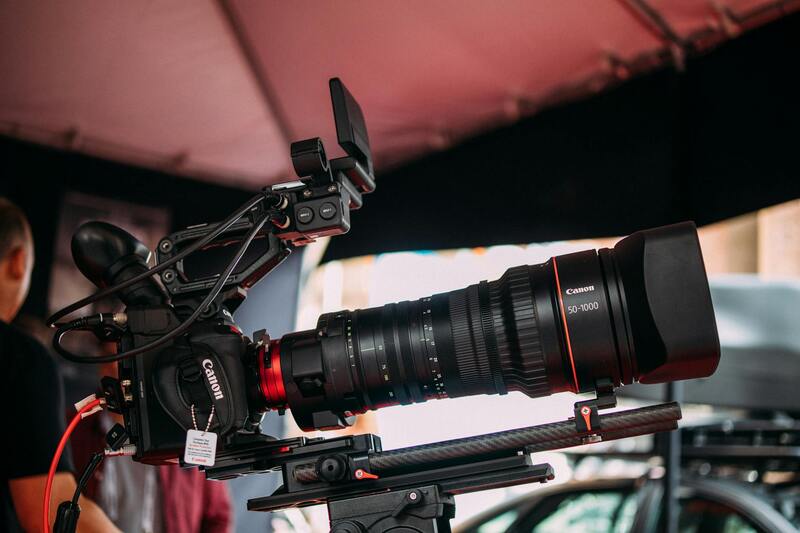
Developing a strategic approach to the production process is essential for translating a corporate video proposal into a successful project. This involves detailed planning that aligns all operational aspects, from pre-production through post-production, ensuring resource efficiency and timeline adherence. The strategy begins with a thorough outline of the project schedule, identifying key milestones and critical deadlines to keep every phase on track. This proactive planning helps prevent delays and facilitates smooth coordination among team members and stakeholders.
Scheduling and Timeline Management
Creating a detailed timeline that encompasses pre-production activities such as scripting and storyboarding, filming days, and post-production tasks like editing and review is vital. Setting achievable deadlines for each segment not only maintains momentum but also provides stakeholders with clear expectations. Employing project management tools tailored to video production allows for real-time updates and collaboration, reducing the risk of miscommunication.
Logistics and Resource Allocation
Resource planning is another key element, involving the scheduling of equipment, talent, locations, and personnel. Assigning appropriate resources to each task ensures production quality without unnecessary expenditure. Addressing potential logistical challenges early on—such as permitting, equipment availability, or scheduling conflicts—helps mitigate risks and keeps the project on schedule.
Efficient Use of Budget
Aligning the production strategy with the allocated budget requires precise cost estimation and resource management. Prioritizing essential elements of the project and considering scalable options can optimize quality within financial constraints. A detailed logistical plan, integrated into the proposal, demonstrates responsible planning and reassures clients of the project's feasibility.
Coordination and Communication
Maintaining open lines of communication among all involved parties—including clients, production crew, and vendors—is crucial for timely updates and swift problem resolution. Regular check-ins and progress reporting foster transparency and help align team efforts with project goals. This organized communication flow sustains project momentum and ensures everyone remains informed of any adjustments to the plan.
Visualizing Success
Including visual timelines, such as Gantt charts or other scheduling diagrams, within the proposal can effectively illustrate the project's workflow. Such visuals enable clients to understand the planning rigor and see how each phase interconnects, reinforcing confidence in the proposed strategy.
Comprehensive Approach to Crafting an Effective Corporate Video Proposal
Focusing on Transparent Pricing and Cost Breakdown
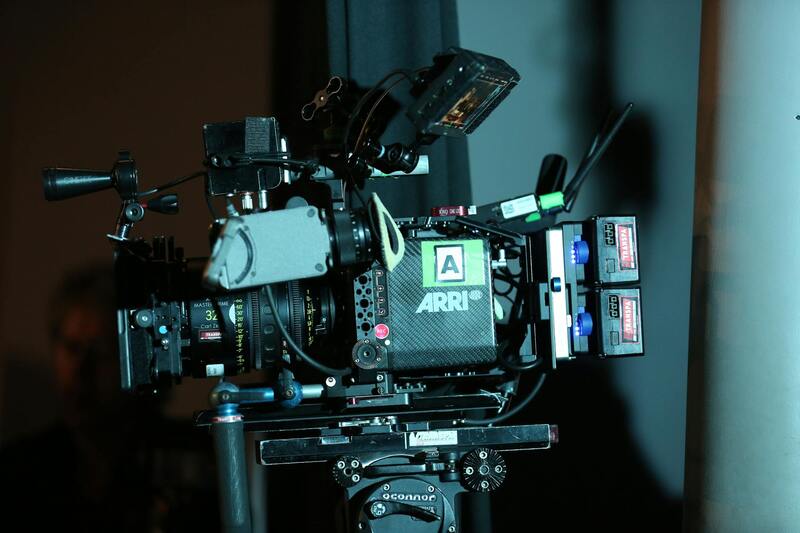
One of the foundational elements in a compelling corporate video proposal is the clarity of the financial outline presented to the client. A detailed budget and cost breakdown not only facilitate transparency but also foster trust, demonstrating that the production team is diligent and organized. When outlining costs, it's essential to itemize expenses—such as pre-production, filming, post-production, talent fees, location costs, and equipment rentals—ensuring the client understands what each dollar contributes to the final product. This granularity helps justify pricing by showcasing the value embedded within each segment of the project, reducing uncertainties and aligning expectations from the outset.
Additionally, offering flexible options within the proposal can cater to varying budget constraints. For instance, suggesting scalable production elements—such as different shooting locations, alternative editing techniques, or varying levels of post-production effects—provides clients with choices that suit their financial parameters while maintaining overall quality. Clear explanations regarding how adjustments might impact the timeline or deliverables are also vital, allowing clients to make informed decisions that align with their strategic marketing goals.
Delivering a Professional and Persuasive Presentation
The manner in which the proposal is presented significantly influences its acceptance. A professional, well-structured presentation—whether in person or virtual—should reflect the production company's expertise and dedication. Utilizing visual aids, sample storyboards, or previous project showcases can bring the proposal to life, helping clients visualize the final product. Consistent branding, polished slide decks, and articulate narration reinforce the company's competence and attention to detail.
The tone should remain confident yet approachable, emphasizing the company's understanding of the client's needs and how the proposed video aligns with their branding objectives. Tailoring the presentation to address specific client concerns reassures them that their investment is understood and carefully planned. During the delivery, maintaining eye contact, engaging the audience, and inviting questions demonstrate transparency and fosters a collaborative atmosphere.
Implementing a Strategic Follow-up Process
Following the initial proposal presentation, timely and thoughtful follow-up is essential to build momentum. Responding promptly to client feedback and demonstrating flexibility through revisions can turn tentative interests into firm commitments. A structured revision process—clear documentation of requested changes, realistic timelines for adjustments, and open communication channels—ensures that the proposal remains aligned with client expectations.
Employing a methodical approach to revisions, grounded in mutual understanding and ongoing dialogue, enhances the likelihood of project approval. This iterative process also showcases the company's professionalism and commitment to delivering a tailored solution that meets strategic objectives.

Research and Client Needs Assessment
Thorough research forms the foundation of a compelling corporate video proposal. It begins with a detailed analysis of the client's industry, target audience, and competitive landscape. Gathering insights into the client’s brand identity, core messaging, and strategic objectives ensures the proposal is aligned with their broader communication goals. Engaging in direct conversations with key stakeholders allows for a deeper understanding of the specific challenges and opportunities the client faces, enabling the creation of a tailored narrative. In addition to qualitative insights, collecting quantitative data such as audience demographics, existing brand perception, and market positioning helps refine the creative approach. This data-driven assessment assists in identifying unique value propositions and differentiators that should be highlighted in the video content. Furthermore, understanding technological preferences and distribution channels the client intends to utilize ensures the proposal addresses practical considerations. This might include preferred video formats, platforms for dissemination, and integration with other marketing campaigns. The comprehensive client needs assessment demonstrates a strategic approach, positioning the proposal as a solution designed to meet precise marketing and branding objectives.
Creative Concept Development
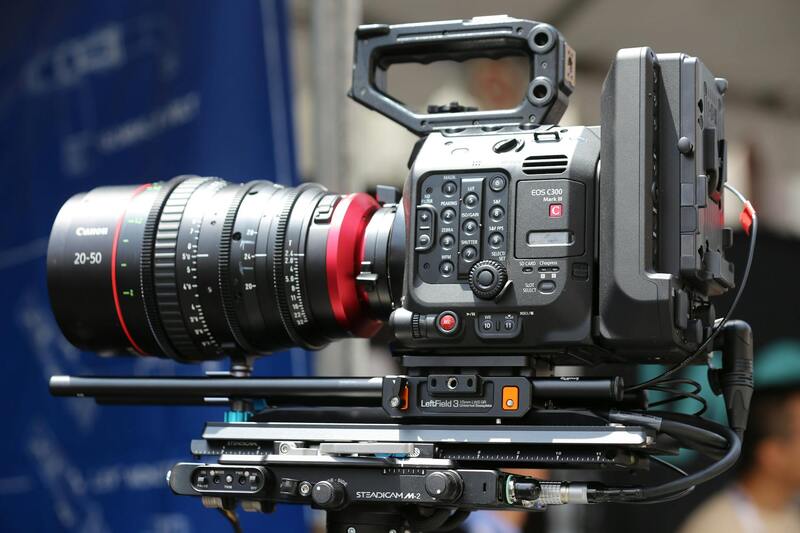
Once the needs assessment is complete, translating insights into innovative concepts is essential. This phase involves brainstorming and conceptualizing themes that resonate with the client’s brand identity while appealing to the target audience. Creative development should focus on storytelling techniques that evoke emotion, convey messages clearly, and stimulate engagement. Visual storytelling plays a pivotal role in this stage. Developing mood boards, storyboards, and sample scripts helps visualize the proposed narrative style, tone, and pacing. These preliminary materials serve as communication tools, aligning client expectations with the creative vision. Collaborative feedback during this phase fosters refinement of concepts, ensuring the final direction accurately reflects both the client’s brand values and the strategic communication objectives. Emphasizing originality and authenticity in concepts builds trust and demonstrates a deep understanding of the client’s industry dynamics.
Production Planning and Timeline
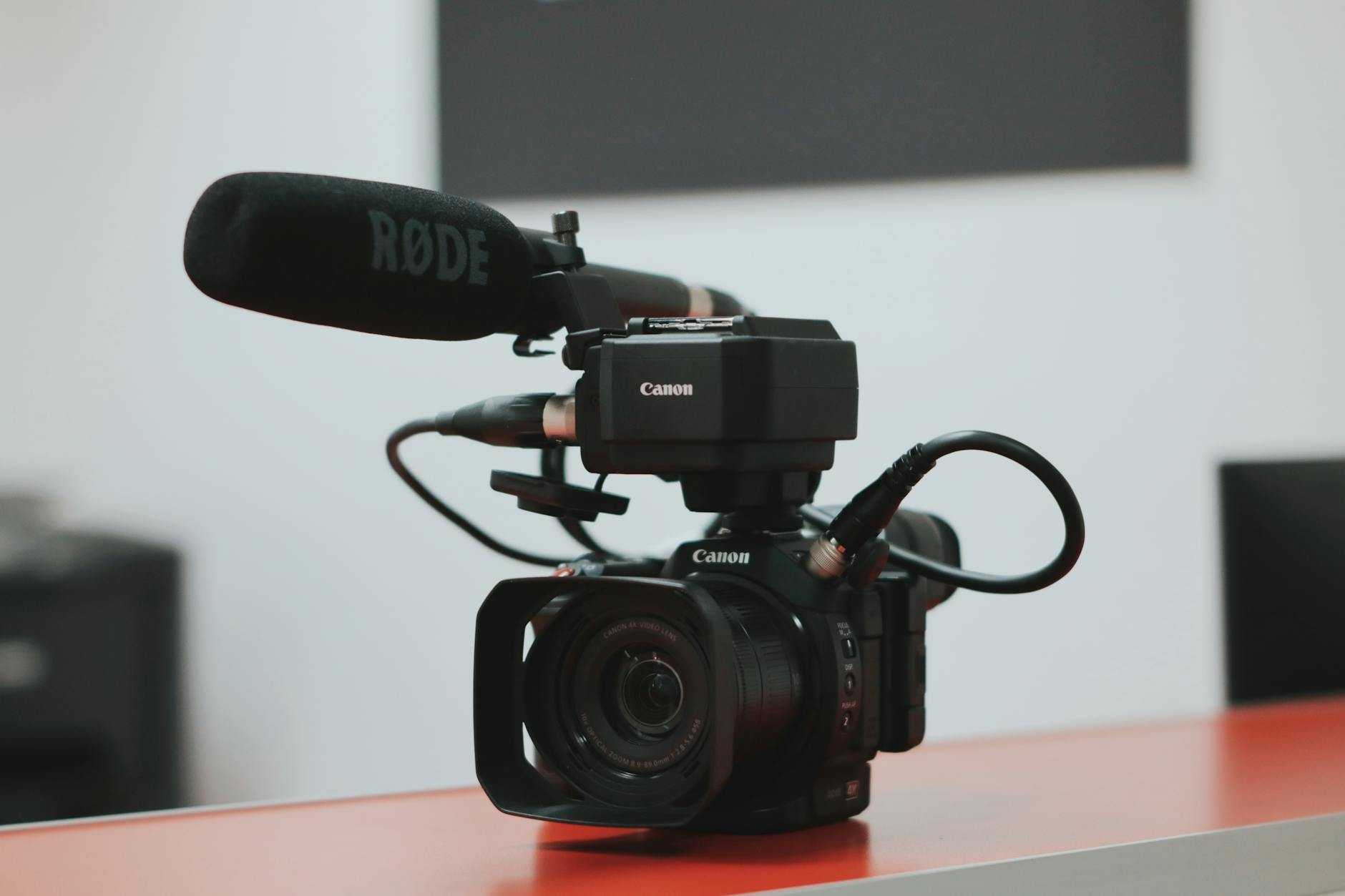
Effective production planning involves establishing a comprehensive timeline that maps all phases of the project—from pre-production through post-production. Developing a detailed schedule helps coordinate resources, set realistic milestones, and ensure timely delivery of the final product. Pre-production planning encompasses script development, casting, location scouting, and equipment logistics. During this phase, securing necessary permits, hiring talent, and finalizing technical specifications are crucial steps to prevent delays. The production phase involves shooting and capturing content, adhering strictly to both creative guidelines and technical standards. Post-production requires editing, color correction, audio mixing, and review cycles. Regular, clear communication with the client during each stage facilitates transparency. A well-structured timeline, supported by contingency plans for unforeseen delays, project tracking tools, and regular updates, helps maintain momentum and keeps all stakeholders aligned towards common deadlines.
Budgeting and Cost Breakdown
Developing a transparent and detailed budget is vital for ensuring the project’s financial viability and for managing client expectations. Itemized cost breakdowns should cover every aspect of production, including pre-production activities (concept development, planning), production costs (equipment, personnel, location fees), and post-production expenses (editing, visual effects, sound design). Additional costs that may impact the budget include licensing, special equipment, talent fees, and contingency allocations for unforeseen expenses. Presenting the budget alongside clear justifications fosters trust, as clients can see how funds are allocated to different phases and components. Moreover, flexible pricing options or phased payment plans can accommodate varying client needs, making the proposal more attractive. Accurate budgeting demonstrates professionalism and allows for precise resource allocation, reducing the risk of project overruns.
Ensuring Proper Documentation and Formal Agreement
Securing a corporate video project begins with a meticulously drafted formal agreement that clearly delineates the scope of work, deliverables, timelines, payment schedules, and confidentiality clauses. This legal document acts as a guiding blueprint, ensuring all parties are aligned in expectations and responsibilities. When both parties review and sign this agreement, it enhances accountability, reduces ambiguities, and provides a framework for resolving potential disputes effectively.
Implementing Clear Communication Protocols
Consistent, professional communication is crucial throughout the production cycle. Establishing defined channels—such as dedicated email addresses, project management tools, or scheduled conference calls—ensures that all stakeholders remain informed. Regular updates on progress, challenges, and upcoming milestones foster transparency, build trust, and enable prompt decision-making, minimizing misalignments that could delay or compromise the project.
Utilizing Formal Project Management Tools
Deploying reputable project management platforms assists in tracking tasks, deadlines, and revisions. These tools serve as centralized repositories for all project-related documentation, ensuring that everyone has access to the latest version of scripts, storyboards, budgets, and feedback. Proper documentation within these systems provides an audit trail that can be invaluable for accountability and future reference.
Quality Assurance and Final Review
Before delivering the completed corporate video, a thorough review process should be conducted. This involves cross-departmental quality checks to verify that the final product aligns with the agreed-upon objectives, branding standards, and technical specifications. Formal sign-off procedures assure that the client approves each phase, cementing mutual satisfaction and reducing the need for costly revisions post-delivery.
Data Security and Confidentiality Measures
Given the proprietary nature of corporate content, deploying secure data management practices is essential. Encrypted file sharing, restricted access controls, and confidentiality agreements protect sensitive information throughout the production process. These measures reassure clients that their brand assets, strategies, and internal communications are handled responsibly.
Case Documentation and Record Keeping
Maintaining comprehensive records of the entire project—from initial proposal and approvals through revisions and final delivery—creates a valuable resource for future initiatives. Detailed documentation supports ongoing professional relationships, helps in onboarding new team members, and provides insights into project management efficiency.