
Factors Influencing Video Production Costs
The cost of corporate video production varies significantly depending on multiple key factors. Understanding these elements enables businesses to better estimate their budget and make informed decisions when engaging with production companies. The main components influencing pricing include project scope, complexity, and quality requirements, each contributing distinctive aspects to the overall expense.
Scope of the Project
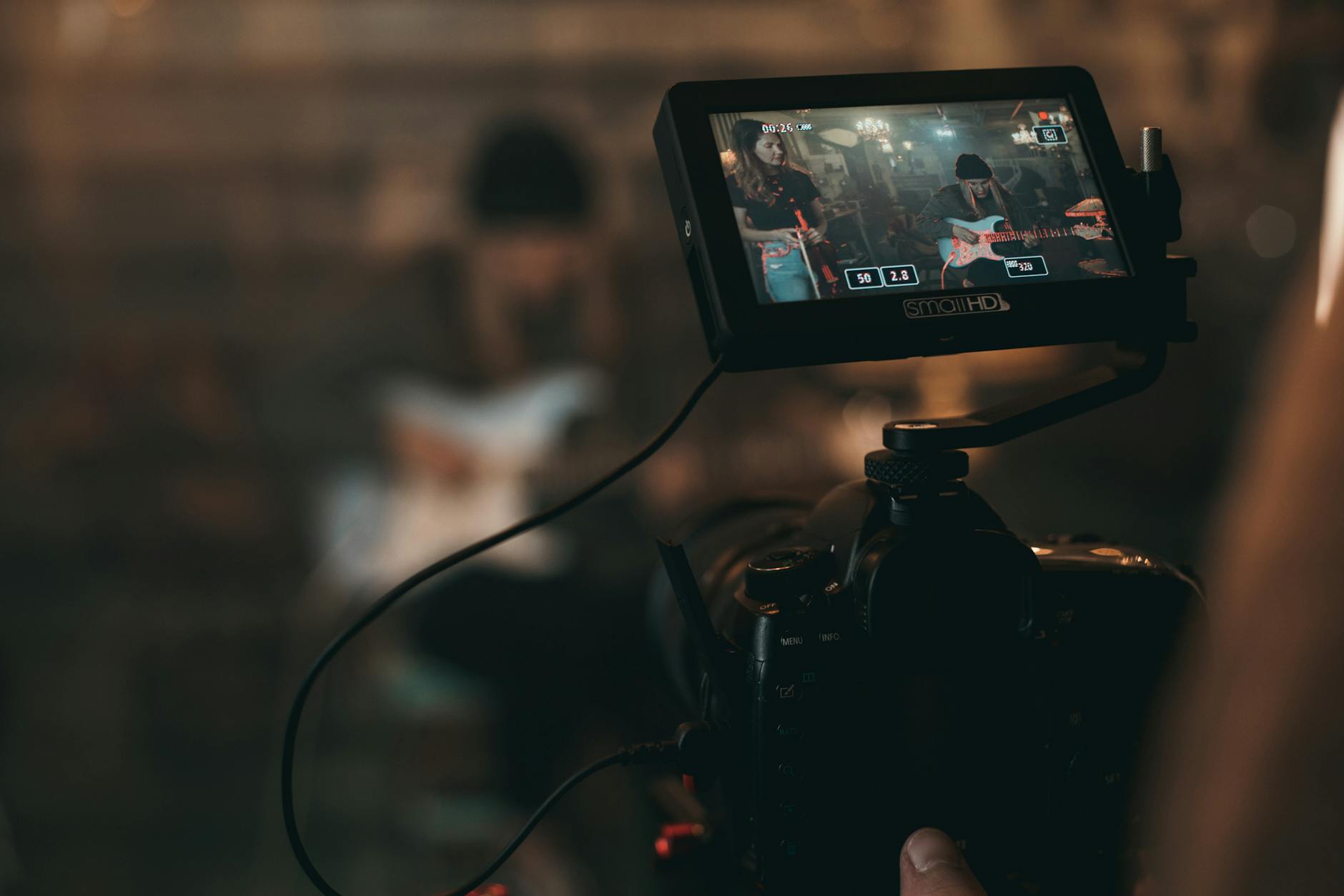
The scope defines the overall reach and objectives of the video project. A short, straightforward promotional clip requires fewer resources and less filming time, resulting in a lower cost. Conversely, a comprehensive corporate documentary or feature-length presentation involves extensive planning, multiple locations, and longer production hours, which drive up the expenses.
Production Complexity
The technical and creative complexity of a video significantly impacts its price. Basic videos with minimal special effects and simple editing are less costly. However, projects requiring advanced visual effects, animation, aerial footage, or intricate set designs demand more advanced equipment, skilled personnel, and longer post-production phases, leading to higher costs.
Quality and Production Standards
The level of production quality sought also influences costs. High-end, cinematic visuals utilizing top-tier cameras, lighting, and sound equipment increase expenses. Additionally, employing seasoned professionals with specialized skills, such as directors or drone operators, adds to the overall budget but assures superior results.
Additional Factors Playing a Role
- Timeline: Urgent projects necessitate expedited schedules, often requiring additional staffing or overtime, which can increase costs.
- Location and Logistics: Filming in multiple or remote locations involves extra travel, permits, and accommodation expenses.
- Post-Production: The complexity of editing, graphics, and sound design; the number of revisions; and the final delivery format all contribute to the total cost.
Understanding how these factors interplay helps organizations prioritize their needs and optimize their budget for corporate video projects. It also underscores the importance of clear communication with production vendors to ensure that all cost components are transparent and aligned with project goals.
Breakdown of Production Costs
Understanding the individual components that contribute to the overall price of a corporate video production is essential for making informed budgeting decisions. Typically, the breakdown includes pre-production, production, and post-production phases, each with distinct cost elements.
- Pre-Production: This initial phase involves planning, scripting, storyboarding, and securing permits if needed. Expenses here include creative development, project management, and scheduling. Engaging a professional scriptwriter or storyboard artist can add initial costs but enhances the project’s clarity and direction.
- Production: The filming process accounts for equipment rental, crew salaries, location fees, permits, and on-site logistics. If aerial shots or specialized camera work are involved, drone operators and specialty equipment costs are added. Skilled talent, such as actors or spokespersons, also contribute to this segment.
- Post-Production: Editing involves cutting footage, color correction, sound design, and the integration of graphics or animations. Complex visual effects or custom animations require additional resources. Multiple review rounds and client revisions can influence the timeline and overall cost.
Budget Considerations and Cost-Effective Options
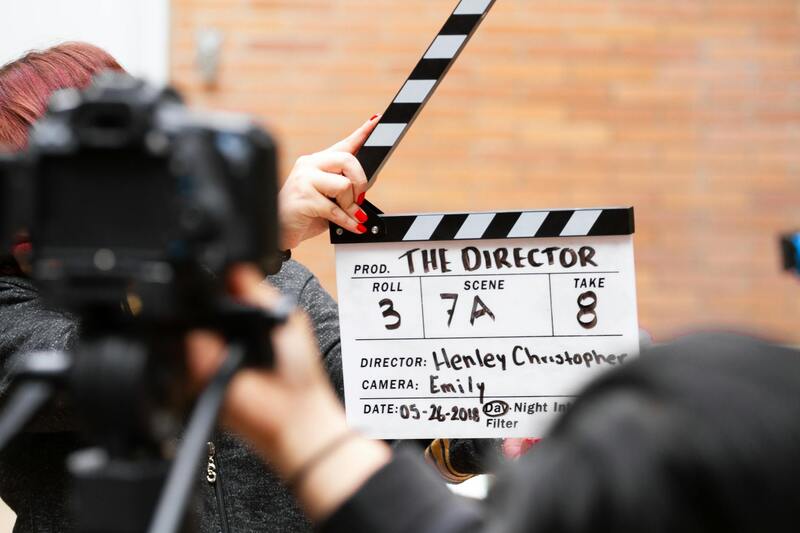
Organizations seeking to optimize their video budget should start by prioritizing core elements that align with their communication objectives. For example, opting for a straightforward narrative with minimal special effects can significantly reduce expenses without compromising message clarity. Leveraging existing footage or utilizing stock assets can also minimize filming time and related costs.
Another strategic approach involves selecting a production company with flexible service packages. Some providers offer tiered pricing models, allowing clients to choose essential services and add premium options based on their needs and budget constraints. This modular approach ensures that investments are directed toward elements that deliver the most impact.
Furthermore, meticulous planning during the pre-production phase can prevent costly revisions or reshoots. Clear scripting, detailed storyboarding, and early client approvals streamline the production process, saving both time and money.
Impact of Video Quality and Production Value on Price
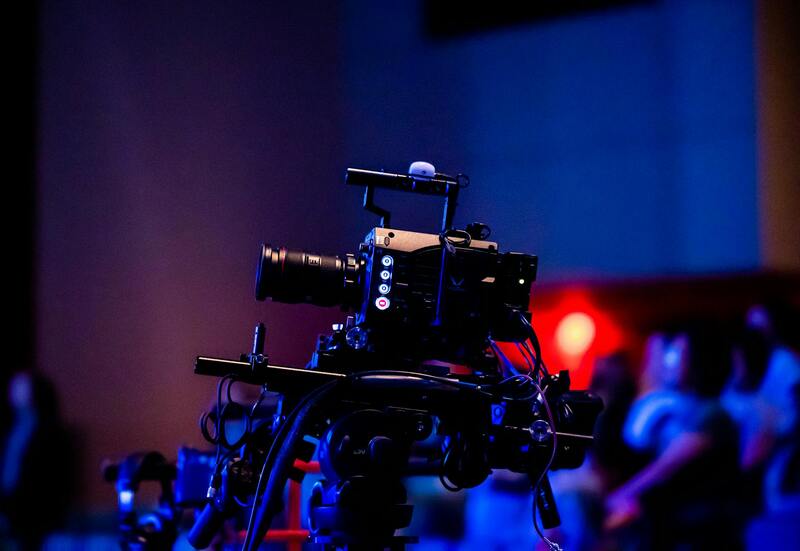
The visual and audio quality of a corporate video directly correlates with its costs. High-resolution recordings using top-tier cameras, multiple lighting setups, and professional sound equipment incur higher expenses but result in sharper, more engaging videos. Investment in cinematic techniques, such as motion tracking, green screen effects, or 3D animations, elevates the production value but also substantially increases costs.
Moreover, the expertise of seasoned directors, cinematographers, and editors influences the final appearance. Experience-driven professionals often command higher fees but bring a level of finesse and storytelling prowess that can enhance brand perception significantly.
Clients should assess their target audience and campaign goals to determine the necessary production quality. For internal training or informational content, a simpler, lower-cost approach may suffice. Conversely, brand awareness initiatives or high-profile corporate presentations might warrant premium production standards.
Additional Costs and Customization Fees
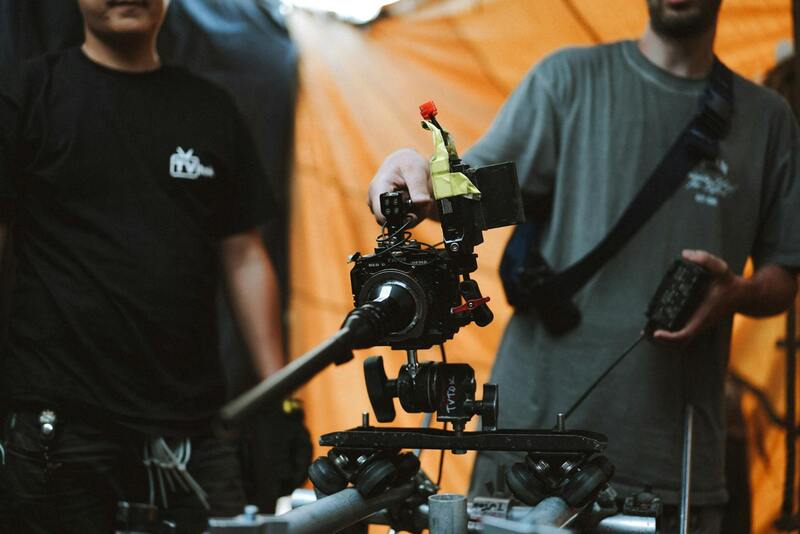
Beyond the basic production expenses, additional costs may arise from customization requests. These include specialized graphics, animations, voice-over recordings, or multilingual versions that cater to diverse audiences. Such enhancements not only improve the video's effectiveness but also add to the overall budget.
Lighting and set design customization, tailored music licensing, and specific talent requirements also influence costs. Custom fonts, branding elements, or unique visual styles requested for corporate branding consistency can involve extra design and editing work.
It's important to discuss these potential add-ons upfront with your production partner to accurately forecast the total investment and avoid surprises during the project lifecycle.
Breakdown of Production Costs
Understanding the composition of corporate video production prices is essential for making informed budgeting decisions. Typically, costs are divided into several core components:
- Pre-Production: This initial phase encompasses planning, scriptwriting, storyboarding, location scouting, and talent casting. The complexity and length of the script, as well as the level of detail in planning, influence costs here. A project with extensive scripting and multiple locations will naturally incur higher expenses.
- Production: The filming process involves crew wages, equipment rentals, set design, lighting, and on-site logistics. The number of shooting days, camera and lighting quality, and the use of specialized equipment or drone footage all contribute to the overall expense.
- Post-Production: Editing, color grading, visual effects, sound design, and music licensing are key activities during this phase. High-quality animations or 3D effects significantly elevate costs, especially if custom graphics are required. Voice-over recordings and multilingual subtitling can add further to this segment.
- Additional Expenses: These include travel costs, permits, talent fees, and any custom animations or branding elements integrated into the final product. Properly accounting for these can prevent unforeseen budget overruns.
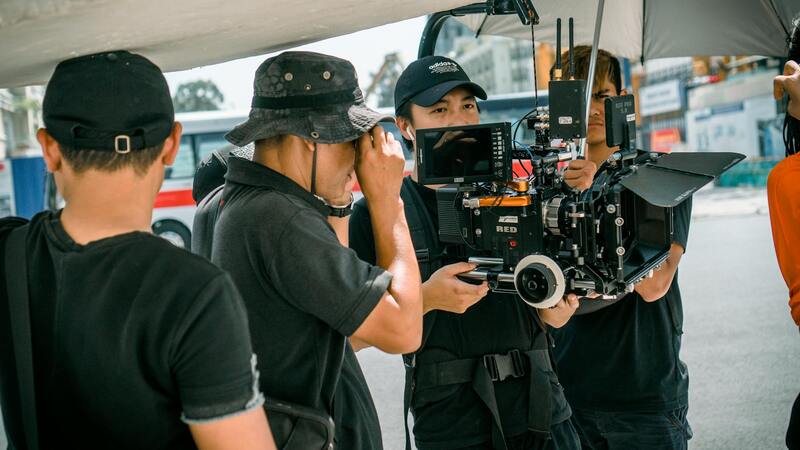
Each of these components has variables that cause fluctuations in overall costs. For example, a simple testimonial video may primarily involve minimal filming and basic editing, reducing overall spend. Alternatively, a promotional video with high-end visuals, multiple locations, professional actors, and bespoke animations will push costs higher. When planning, stakeholders should weigh the desired production values against their budget constraints, prioritizing elements that align with strategic goals.
Budget Considerations and Cost-Effective Options
Balancing quality with budget requires strategic planning. Opting for an experienced production partner who understands scalable solutions enables clients to achieve impactful videos without overspending. For instance, utilizing existing footage or simplified animations can cut costs without compromising messaging. Additionally, choosing local talent and venues reduces travel and logistics expenses, optimizing resource allocation.
Clients interested in budget-friendly options should explore packages that bundle essential services while allowing for optional add-ons. Clear scope definition from the outset helps prevent scope creep and unexpected charges. Prioritizing specific deliverables ensures the project stays aligned with financial expectations.
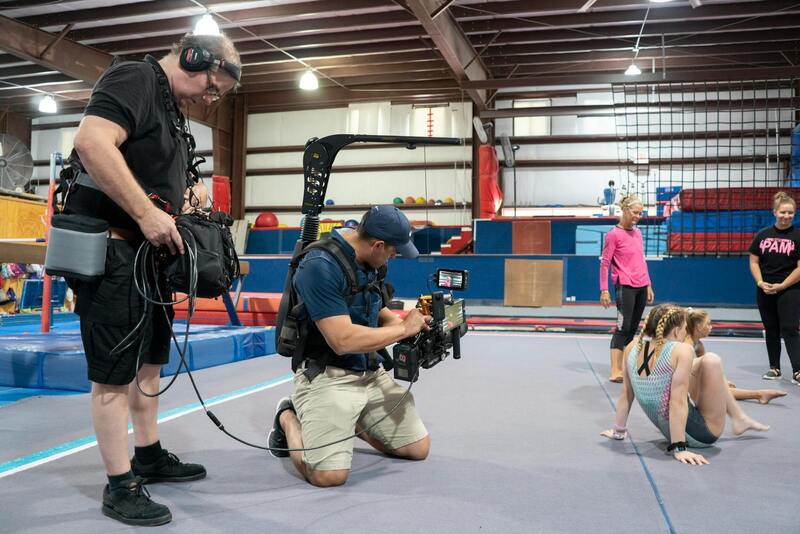
Overall, transparent communication with your production team about constraints and objectives paves the way for a cost-effective process. Approaching the project with flexibility and a focus on core messaging ensures you can deliver quality content within your financial framework.
Impact of Video Quality and Production Value on Price
When analyzing corporate video production prices, understanding how production quality influences costs is essential. Higher-quality videos generally demand advanced filming techniques, superior equipment, and top-tier talent, all of which contribute to increased expenses. For example, a polished, cinematic corporate video featuring high-resolution imagery, professional lighting, and sophisticated sound design will typically require a more extensive production process, elevating the overall price tag.
Additionally, the level of post-production work significantly affects the final costs. Videos incorporating complex visual effects, animations, motion graphics, and color grading demand more time and expertise, resulting in higher labor charges. Conversely, straightforward videos with minimal editing, such as simple interviews or testimonials, tend to be more budget-friendly. Clients should thus weigh the desired visual impact against their available budget, selecting production elements that align with their strategic goals without overspending.
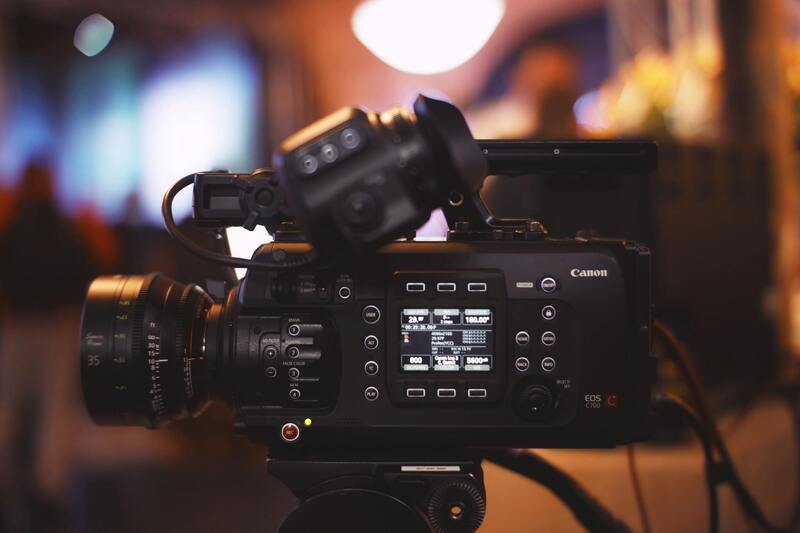
It is important to remember that investing in quality can lead to better audience engagement and brand perception, which potentially offers a higher return on investment. Carefully assessing the importance of visual sophistication and production value allows stakeholders to make informed decisions that balance impact with financial constraints. Opting for scalable solutions, such as phased content development or simplified styles, can help achieve desired outcomes while managing expenses effectively.
Additional Costs and Customization Fees
Beyond base production expenses, several supplementary factors can impact the overall corporate video production price. Customization requests, such as branded graphics, bespoke animations, or tailored sound design, often incur additional charges. For example, complex animated sequences crafted specifically to highlight a company's unique selling points can significantly elevate costs.
Travel expenses constitute another variable. Filming at multiple or remote locations in Miami involves transportation, permits, and logistics planning, all of which add to the budget. Similarly, hiring professional actors or voice-over artists for specific roles introduces customization fees that can vary depending on talent experience and project scope.
Specialized equipment, such as drone videography, 4K cameras, or green screen setups, also influences pricing. While these tools can enhance visual appeal, they require skilled operators and additional setup time, leading to increased costs. To keep expenses manageable, clients should prioritize which customizations are essential and discuss options with production teams for scalable implementations.
Choosing the Right Production Partner in Miami
Selecting an experienced local production partner is crucial for translating budget considerations into effective results. A reputable Miami-based company understands the regional landscape, venues, and logistical considerations, which can streamline the production process and reduce unnecessary costs. Moreover, an established team with a solid portfolio can advise on cost-effective methods to achieve the desired quality without unnecessary expenditure.
Clients should evaluate prospective partners based on their expertise in working within various budget ranges and their ability to deliver scalable solutions. Transparent communication about scope, expected outcomes, and financial constraints facilitates a collaborative approach that helps prevent scope creep and unexpected fees. Additionally, reviewing case studies or previous projects provides insights into a production company’s efficiency and value proposition.
Tips for Getting Accurate Quotes and Managing Expectations
To secure precise estimates, clients should provide detailed project briefs outlining specific deliverables, desired video length, and preferred style. Clear articulation of objectives ensures production teams can tailor proposals that reflect realistic costs and timelines. Requesting itemized quotes helps identify elements that significantly influence pricing and facilitates informed comparisons across vendors.
Managing expectations involves open dialogue about potential additional charges, revision policies, and delivery timelines. Recognizing that customization and high-quality production inherently come with associated costs enables clients to plan budgets accordingly. By establishing a shared understanding of project scope from the outset, stakeholders can avoid surprises and ensure the final product aligns with both quality standards and financial goals.
Impact of Video Quality and Production Value on Price
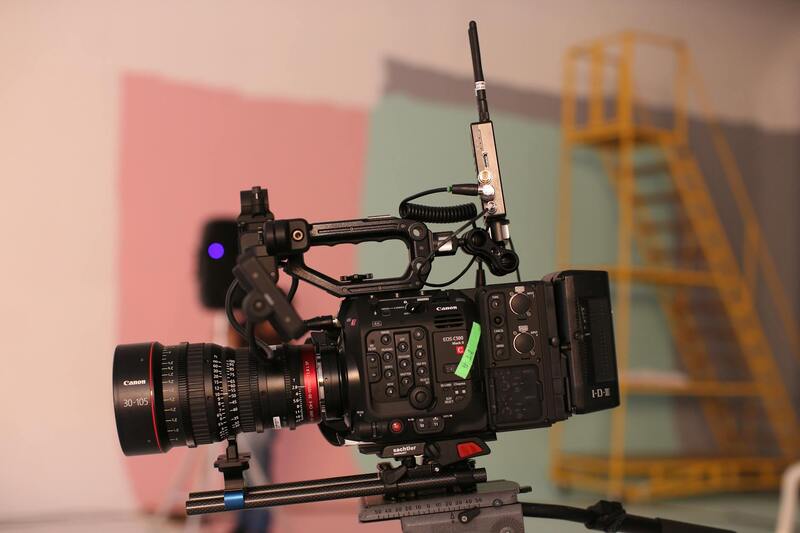
As businesses seek to enhance their brand image through corporate videos, the level of production quality and value plays a crucial role in determining overall costs. High-caliber visuals with superior clarity and professional editing inherently demand greater investment. Incorporating advanced techniques such as motion graphics, 3D animations, or special effects significantly elevates the visual impact but also adds to the production expenses. These enhancements necessitate specialized equipment, advanced software, and skilled personnel, all of which contribute to increased pricing.
Moreover, the use of professional talent—actors, voice-over artists, or industry experts—further influences the cost structure. High-profile talent with extensive experience or a strong reputation can command higher fees, but their involvement often translates into a more persuasive and credible final product. Additionally, investments in high-quality lighting, sound design, and post-production editing are essential for creating a polished video that aligns with corporate standards. Clients must weigh the benefits of elevated production value against budget constraints, determining the appropriate balance for their objectives.
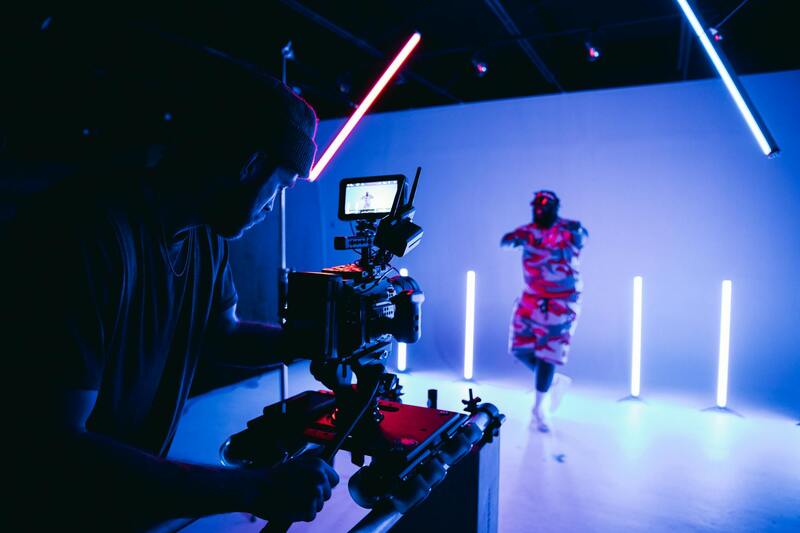
Additional Costs and Customization Fees
Beyond the base pricing, businesses should be aware of various additional costs associated with customization and specific requirements. Custom scripts tailored to particular messaging or branding guidelines may incur extra charges, especially if they demand extensive revisions or specialized research. Similarly, location shoots in Miami can involve permits, transportation, and logistical expenses that add to the overall budget.
Specialized post-production services, including color grading, sound design, or visual effects, are often billed separately depending on the complexity of the project. If a company requests tailored animations, virtual sets, or unique branding elements, these customization fees can substantially influence total costs. Transparency from the production partner about these extras ensures that clients can evaluate their options and avoid unexpected charges.
Choosing the Right Production Partner in Miami
Selecting a suitable partner for corporate video production requires careful evaluation of their portfolio, industry experience, and understanding of local Miami market conditions. A reputable studio will demonstrate a track record of diverse projects, showcasing their ability to adapt to different styles and business needs. Clients should seek production companies that provide transparent pricing, clear proposals, and flexible packages aligned with their budget.
Assessing communication practices and project management capabilities is vital for ensuring smooth collaboration. An experienced provider will offer detailed timelines, transparent breakdowns of costs, and proactive suggestions for optimizing resources without compromising quality. Establishing a strong working relationship with an agency that understands your industry and messaging goals can lead to a more efficient process and a more impactful final product.
Additional Costs and Customization Fees
When budgeting for corporate video production, it's essential to account for specific additional costs that can arise depending on the project's requirements. These may include scripting, which involves developing a compelling narrative tailored to your brand message. Professional scriptwriters are often engaged to craft scripts that resonate with your target audience, and their fees are determined by the project's complexity and length.
Animations and visual effects are another significant expense, especially if your video plan includes motion graphics, 3D animations, or complex visual storytelling elements. These features enhance the production value but require specialized skills and software, leading to higher costs. Voiceover recordings also contribute to the budget, with costs varying based on the voice talent's experience, language needs, and length of the narration.
Revisions are a standard part of the production process to ensure the final product aligns with your vision. However, each additional revision beyond the initial agreement may incur extra charges. Clear communication with your production partner about revision policies can help manage expectations and avoid unexpected expenses.
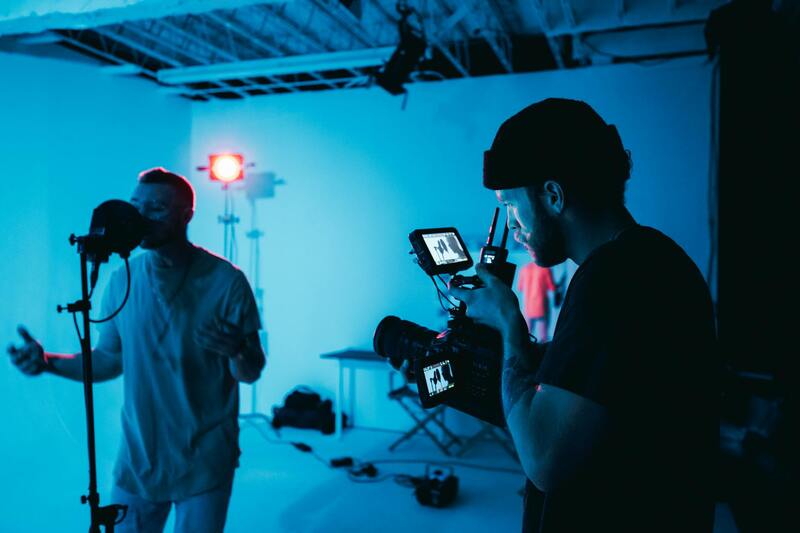
Understanding these supplemental costs allows businesses to plan their budgets more accurately. Dedicated clients often opt for comprehensive packages that bundle these services, providing clarity and ensuring no unexpected fees emerge during the project's course.
Tips for Getting Accurate Quotes and Managing Expectations
- Detail Your Project Scope: Clearly outline your goals, desired style, length, and any specific requirements. The more detailed your brief, the more precise the quote will be.
- Request Itemized Proposals: Ask for a breakdown of costs to understand how each element contributes to the total price, enabling better comparison and decision-making.
- Compare Multiple Quotes: Collect estimates from several reputable production companies within Miami to gauge market rates and identify fair pricing.
- Clarify Revision Policies: Discuss how many revision rounds are included and the costs associated with additional changes, avoiding surprises late in the process.
- Establish Clear Timelines: Confirm deadlines and milestones upfront. Timely feedback from your side can prevent delays and additional costs caused by project extensions.
- Communicate Budget Constraints: Be transparent with providers about your budget limits. Experienced companies can advise on cost-effective options that still meet your core objectives.
Maintaining open and consistent communication with your chosen production partner is pivotal. This approach fosters mutual understanding, aligns expectations, and helps create a realistic project plan that adheres to your financial parameters without sacrificing quality.
Additional Costs and Customization Fees
Beyond the base cost of production, several supplementary charges can influence the overall corporate video production prices. These additional costs are often tied to specific client requests or project complexities that fall outside standard packages. For instance, advanced animation work, 3D modeling, or motion graphics can significantly increase expenses due to the specialized skills required. Similarly, unique location shoots, especially in remote or challenging environments, might incur extra fees related to permits, travel, and on-site equipment setup.
Post-production enhancements like color grading, special effects, and sound design are vital for elevating video quality but come at additional costs. When clients request voiceovers in different languages or with particular accents, it can also add to the final bill, especially if professional services are engaged. Furthermore, shorter turnaround times or rush deliveries demand additional resources, which are reflected in expedited service fees.
It’s essential to recognize that customization fees can vary widely based on the scope of work, the specialized skills involved, and the urgency of delivery. When discussing your project, ensure that these potential costs are explicitly outlined in the proposal to avoid surprises. Clear communication with your production partner about which custom features are non-negotiable and which alternatives might be more budget-friendly will help manage overall costs effectively.
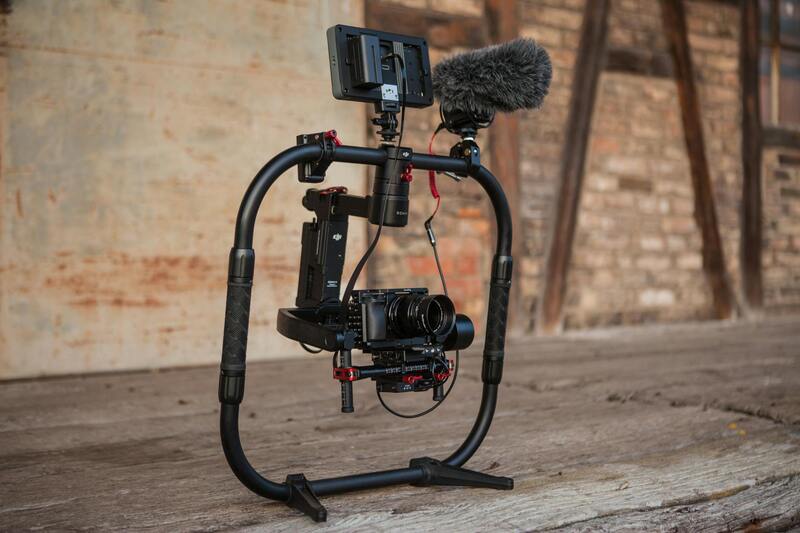
For organizations working within certain financial constraints, exploring options like simplified editing, shorter video lengths, or choosing more basic visual styles can reduce costs. Conversely, for brands prioritizing high production value to make a strong market impact, investing in advanced features and customizations may be justified despite higher prices. Balancing these factors requires careful consideration of the intended message, audience engagement, and available budget.
Ultimately, obtaining detailed quotes that itemize customization fees alongside baseline pricing enables precise budget planning. This step, coupled with open discussions about desired project features, guarantees that the final videos meet quality standards without exceeding financial limits. By maintaining transparency and flexibility, both clients and providers can navigate complex production needs while keeping costs aligned with strategic goals.
Factors Influencing Video Production Costs
Numerous elements contribute to the overall pricing of corporate video production projects in Miami. The complexity of the concept, the length of the final video, and the scope of post-production editing are primary factors. For example, a straightforward interview-style video will generally incur lower costs than a highly produced, cinematic commercial. The level of visual effects, motion graphics, and color grading also significantly impact the final price.
Equipment requirements play a crucial role as well. Utilizing high-end cameras, drones, or specialized lighting setups may increase expenses, but they provide enhanced visual quality. Additionally, location considerations, such as securing permits for shooting in prominent Miami landmarks or private properties, can add to costs. The necessity for on-site crew members, such as directors, cinematographers, and production assistants, also influences overall expenditure.
Another vital element is talent. Engaging professional actors, voice-over artists, or hosts with notable experience and recognition usually entails higher fees. Likewise, script development and pre-production activities—like storyboarding and casting—should be factored into the budget. The urgency of the project may also lead to premium pricing, with expedited delivery demanding additional resources or overtime compensation.
Average Pricing for Corporate Videos in Miami
In Miami, typical corporate video production prices range widely based on the project's scope and quality demands. Basic videos, including simple interviews or testimonials, often start at around $3,000 to $10,000. These projects usually involve shorter durations, minimal post-production, and standard visual styles. More sophisticated videos, such as brand stories or promotional campaigns with advanced graphics, can range from $15,000 to $50,000 or more.
High-end projects that require 3D animations, aerial footage, or multiple shooting locations may exceed these figures. It's crucial to discuss specific requirements with your production partner to obtain accurate estimates tailored to your ambitions and resources.
Breakdown of Production Costs
- Pre-Production: Concept development, scripting, storyboarding, casting—typically 10-20% of total budget.
- Production: Filming, talent fees, equipment rentals, crew wages—major cost segment, often 40-50% of total budget.
- Post-Production: Editing, visual effects, color correction, sound design—accounting for 25-30%.
- Additional Costs: Licensing fees, location permits, studio rentals, travel expenses—vary based on project specifics.
Budget Considerations and Cost-Effective Options
When managing a corporate video project within a constrained budget, several strategies can help maximize value without compromising quality. Opting for shorter video lengths reduces production time and editing costs. Simplifying visual styles and minimizing effects can still achieve a professional look while staying within budget.
Leaning on existing footage or utilizing stock assets can also cut costs. Scheduling shoot dates during off-peak times may lower location fees and permit costs. Additionally, focusing on clear, concise messaging ensures that the final product resonates effectively without unnecessary embellishments.
Impact of Video Quality and Production Value on Price
Higher production values are often associated with more engaging and memorable corporate videos. Investing in top-tier visual quality, experienced talent, and advanced editing techniques elevates the overall impact but typically raises costs. For brands seeking to make a significant impression or communicate complex messages, allocating a larger budget toward premium production elements can be justified.
Additional Costs and Customization Fees
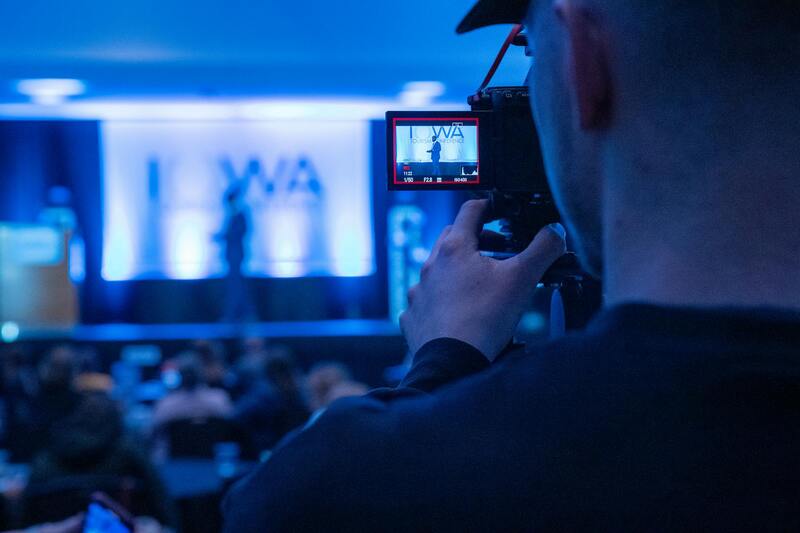
Custom features like bespoke animations, unique graphics, and tailored color palettes often result in additional charges. The scope of customization is a key determinant, with more elaborate designs demanding extra time and expertise. Furthermore, revisions and client-requested changes beyond initial agreements may incur costs, emphasizing the importance of detailed project briefs upfront.
For organizations requiring multilingual subtitles, branded content integration, or specific technical formats, these add-ons should be discussed early in the planning process. Transparent estimates that itemize these costs aid in avoiding surprises and aligning project scope with available resources.
Choosing the Right Production Partner in Miami
Partnering with an experienced local production company ensures that your project benefits from industry insight and efficient workflows aligned with Miami’s vibrant media landscape. Look for providers with a proven track record of delivering quality corporate videos across diverse industries. Their familiarity with local permits, locations, and talent pools can streamline production and help control costs.
Request comprehensive proposals that detail all potential expenses. Engage in clear communication to set realistic expectations and achieve a balanced project scope that aligns with your budget. An established partner will offer flexible solutions, balancing creative excellence with financial considerations, to produce effective corporate videos that meet strategic goals.