
Understanding Corporate Video Production
Corporate video production encompasses the creation of professional visual content tailored specifically for business communication, marketing, training, and internal messaging. This process involves a series of strategic phases, including pre-production planning, script development, filming, editing, and post-production review. Companies leverage these videos to effectively convey their brand story, showcase products and services, and articulate corporate values to target audiences.
In the contemporary landscape, corporate videos serve as a vital component of integrated marketing campaigns. They facilitate engagement across digital platforms, serve as compelling tools during presentations, and foster stronger connections with clients, partners, and employees. The advent of high-definition technology and advanced editing tools has elevated the quality and consistency of corporate video content, making it an indispensable element of a comprehensive communication strategy.
Given the diverse objectives such videos aim to fulfill—from brand awareness to educational purposes—professional corporate video production demands a well-structured approach. It requires expertise in visual storytelling, technical proficiency in camera work and editing, and a clear understanding of the company's core message. When executed correctly, these videos not only enhance brand image but also significantly boost audience engagement and conversion rates.


Types of Corporate Videos for Business
Corporate video production encompasses a diverse range of formats, each tailored to meet specific communication needs within an organization. Understanding these types enables companies to select the most effective approach for their objectives, audience, and message delivery. From brand storytelling to internal training, the variety of corporate videos ensures comprehensive coverage of business communication strategies.
- Brand Videos: These videos are designed to articulate the company’s brand identity, values, and mission. They build emotional connections with viewers and reinforce brand recognition across multiple channels.
- Product Demonstrations: Showcasing how a product or service works, these videos help educate potential customers, highlight features, and facilitate the purchasing decision process.
- Company Overview Videos: Providing a snapshot of the organization’s history, culture, and achievements, these videos are often used on websites or at corporate events to introduce the company to new audiences.
- Customer Testimonial Videos: Featuring satisfied clients and partners, these videos serve as social proof and enhance credibility, influencing prospective clients' purchasing decisions.
- Training and Educational Videos: Designed for employee development, these videos deliver essential information efficiently, supporting onboarding processes and continuous education initiatives.
- Internal Communication Videos: Used to disseminate important company updates, recognize employee achievements, or foster a cohesive workforce, these videos bolster internal engagement and transparency.
- Event Coverage and Highlights: Capturing corporate events, conferences, or product launches, these videos extend the event’s reach and longevity beyond the live experience.
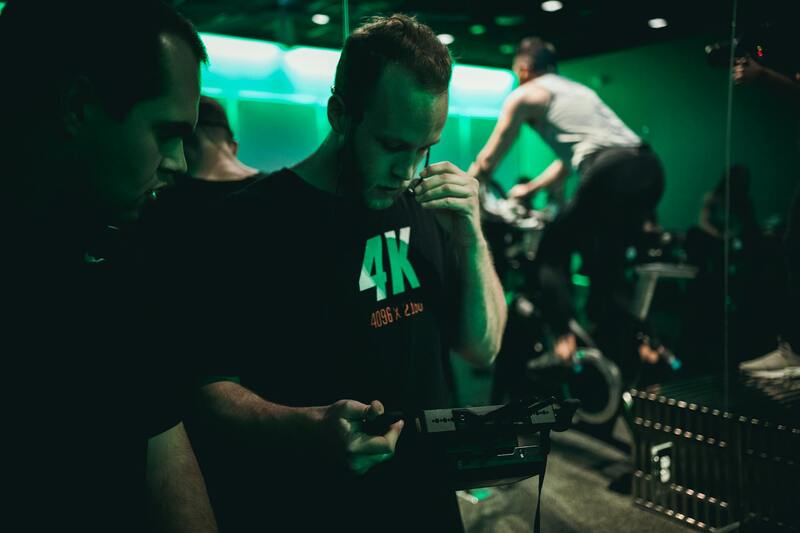
Choosing the appropriate video type hinges on strategic goals, target audience, and intended platform. For example, brand videos and product demonstrations are pivotal in marketing campaigns, whereas training videos are integral to employee development. By aligning each video type with specific objectives, organizations can maximize their impact, optimize resource allocation, and ensure consistent messaging across all channels.
Key Steps in the Corporate Video Production Process
Executing a successful corporate video requires meticulous planning, coordination, and professionalism at every stage. A structured process guarantees that the final output aligns seamlessly with business goals and brand identity, while also engaging viewers effectively.
- Pre-Production Planning: This initial phase involves defining clear objectives, identifying target audiences, and setting a realistic budget. Development of a storyboard, scripting, and establishing a timeline are critical components to map out the project’s scope and logistics.
- Casting and Location Selection: Selecting appropriate talent, whether professional actors or company personnel, as well as choosing suitable filming locations, will influence the authenticity and appeal of the video.
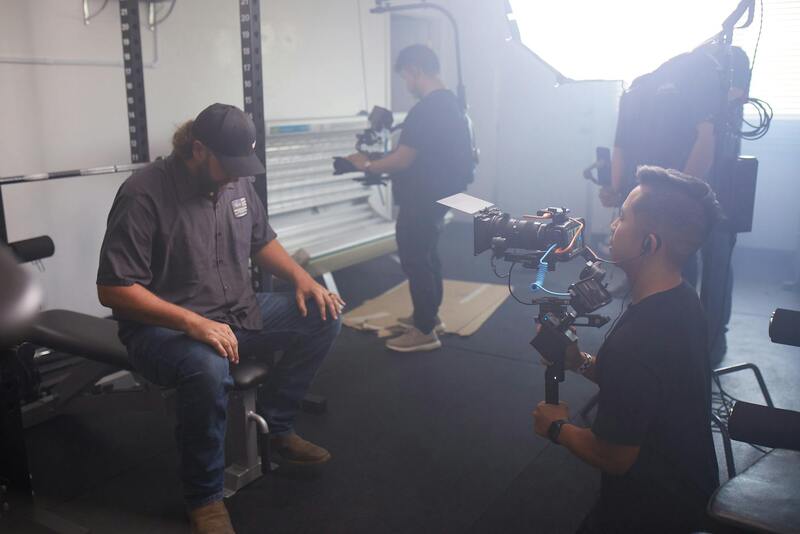
- Production: The filming process requires technical expertise in camera operation, lighting, and sound recording. Employing high-quality equipment and experienced crew members ensures professional-grade footage that reflects the company’s standards.
- Post-Production Editing: During this phase, footage is carefully edited to enhance visual appeal, add graphics, voiceovers, and music, and ensure the narrative flows naturally. Final revisions are made to improve clarity and impact.
- Distribution and Promotion: Once finalized, the video must be strategically distributed across appropriate platforms—company websites, social media channels, email campaigns, and internal portals—to reach the intended audiences effectively.

Each phase of this process is integral to creating compelling and authentic corporate videos. Adhering to a systematic approach minimizes risks, ensures consistency in messaging, and enhances overall production quality. Collaborating closely with a skilled production team familiar with corporate communication nuances is essential for translating strategic objectives into memorable visual content that resonates with viewers and drives business growth.
Developing a Clear Script and Storyboard
Once the initial planning and conceptualization stages are completed, the focus shifts to crafting a comprehensive script and visual storyboard. A well-written script serves as the backbone of the entire project, ensuring that the message is conveyed succinctly and compellingly. It should articulate the core message, define the tone, and include specific call-to-actions that align with business objectives.
Creating a storyboard involves translating the script into visual sequences, illustrating each scene with sketches or digital mockups. This process allows production teams to anticipate framing, camera angles, transitions, and scene composition before filming begins. Through detailed storyboarding, potential issues can be identified early, saving time and resources during actual production.

Effective scripting and storyboarding require collaborative input from marketing teams, creative directors, and videographers. This collective effort ensures that the narrative resonates with target audiences while maintaining brand consistency. Precision in this phase directly influences the efficiency of production, the coherence of the final product, and the overall impact of the corporate video.
Ensuring Quality Through Professional Shooting and Equipment
Executing high-caliber production demands utilizing advanced filming technology and experienced personnel. Professional cameras capable of capturing high-resolution footage contribute to visual clarity, while sophisticated lighting setups enhance mood and emphasize key elements.
Sound engineering is equally critical; employing high-quality microphones and sound mixers guarantees that audio components are crisp, clear, and free of distracting background noise. These factors collectively enhance the viewer's experience, reinforcing the company's professionalism and attention to detail.

Partnering with a production team that specializes in corporate videography in Miami ensures access to the latest technological innovations and industry best practices. Such collaboration helps in capturing the brand's essence effectively, resulting in a polished product that elevates business credibility and engagement.
Post-Production Techniques to Enhance the Final Video
Post-production is where raw footage is transformed into a polished narrative. Skilled editors employ cutting-edge software to refine visuals, correct color discrepancies, and synchronize audio tracks with the footage. Incorporating motion graphics, animations, and on-screen text further clarifies complex concepts or emphasizes brand messages.
Adding voiceovers, background music, and sound effects enhances emotional impact and audience retention. During review stages, feedback from stakeholders drives revisions, ensuring the video aligns perfectly with strategic objectives and quality standards.
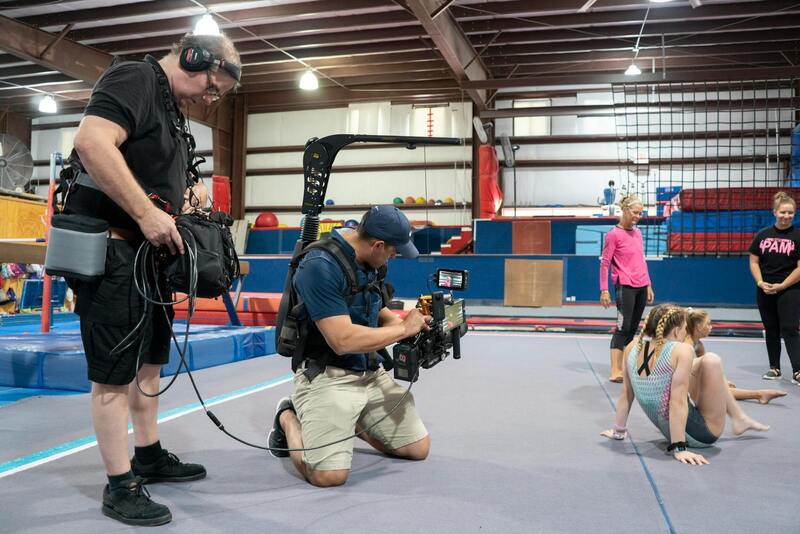
High-quality post-production services are essential for producing visually engaging and emotionally resonant videos. Engaging narratives, combined with professional editing, serve as powerful tools for fostering brand loyalty, driving engagement, and supporting business growth across various platforms.
Strategic Approaches for Effective Corporate Video Distribution
Maximizing the impact of a corporate video requires a well-planned distribution strategy that aligns with the company's overall marketing objectives. Distributing videos through targeted channels ensures reaching the right audience and achieving desired engagement metrics.
First, it is essential to identify the platforms where your target viewers are most active. This can include official websites, social media platforms like LinkedIn, Facebook, and YouTube, as well as industry-specific forums and online communities. Tailoring the content format and messaging for each platform enhances resonance and increases interactions.
Additionally, embedding videos within email campaigns can boost click-through rates and reinforce messaging. Proper placement in newsletters or targeted email sequences provides direct access to prospective clients or partners.
Employing strategic SEO practices for video content further amplifies visibility. This involves optimizing video titles, descriptions, and tags with relevant keywords, such as corporate video production for business, to improve search engine rankings and organic reach.
Incorporating paid advertising options, like sponsored posts or YouTube ads, ensures broader exposure, especially for new product launches or major corporate announcements. These paid campaigns allow precise targeting based on demographics, interests, geographic locations, and professional backgrounds. Consequently, the content reaches decision-makers and key stakeholders effectively.
Another critical facet involves leveraging industry events, webinars, and virtual conferences to showcase video content. Such platforms provide opportunities for real-time engagement and feedback, which can further refine marketing strategies and enhance brand authority.
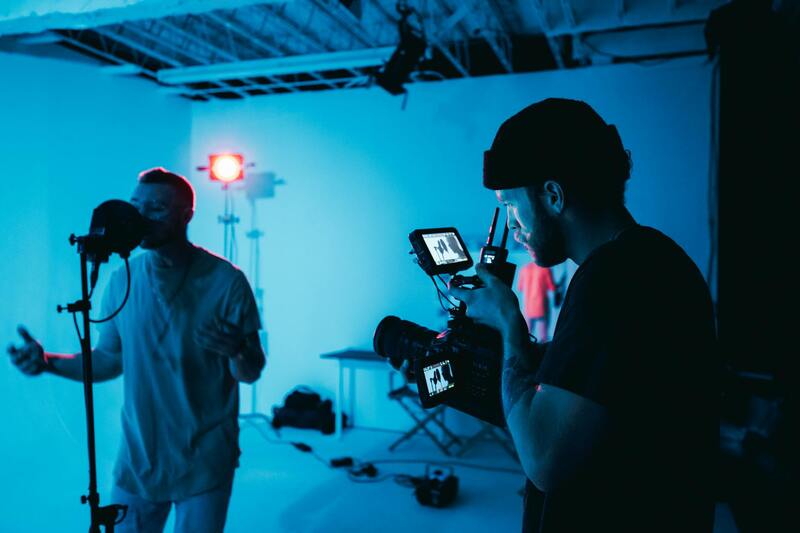
Monitoring the performance of distributed videos using analytics tools enables iterative improvements. Metrics such as view counts, engagement rates, shares, and conversion data provide insight into what resonates most with viewers. This data-driven approach informs future content creation and distribution plans.
Furthermore, aligning the distribution strategy with the company’s overall branding initiatives ensures consistency and reinforces messaging across all touchpoints. An integrated approach, combining organic reach with paid amplification, optimizes return on investment and enhances overall brand visibility.
Ultimately, a strategic distribution plan tailored to the organization’s target audience and business goals can significantly elevate the effectiveness of corporate video production efforts, driving measurable outcomes and supporting sustained growth.
Choosing the Right Corporate Video Production Partner in Miami
When selecting a partner for corporate video production, businesses should prioritize agencies with a proven track record of delivering high-quality content tailored to their industry and target audience. A local Miami-based production company with extensive industry experience can better understand regional market nuances, cultural factors, and business dynamics, ensuring the final product resonates effectively with the intended viewers.
Evaluating a potential production partner involves reviewing their portfolio to assess the diversity and quality of past projects. It's essential to seek a team that demonstrates a strong capacity for creativity, technical expertise, and an understanding of current video marketing trends. Compatibility with your company's brand voice and values is also crucial, as it ensures a cohesive message across all visual communications.
Technical proficiency is another key consideration. The partner should employ state-of-the-art equipment and editing software, enabling the production of crisp visuals, clear audio, and compelling storytelling. Their familiarity with different video formats and platforms allows for optimized content delivery tailored to various distribution channels, such as social media, websites, and internal communications.

Understanding the specific needs of your business is vital. A competent production partner will take time to discuss your objectives, target audience, and message objectives to craft a narrative that aligns with your strategic goals. They should also exhibit transparency in their workflows, timelines, and pricing, helping to establish trust and manage expectations effectively.
Another aspect to consider is the agency’s ability to handle complex projects, such as multi-phase productions or those requiring coordination with multiple stakeholders. Their experience in managing logistics, talent, locations, and compliance ensures smooth execution and timely delivery.
Technical and Creative Expertise
- Use of advanced filming and editing technology
- Strong storytelling abilities that engage viewers
- Experience with various video formats and platforms
- Ability to incorporate branding elements seamlessly
Understanding Local Business Needs
- Knowledge of Miami's diverse markets and demographics
- Ability to adapt content to regional cultural nuances
- Experience working with Miami-based companies across industries
Effective collaboration with a seasoned Miami-based production team can significantly enhance the quality, relevance, and impact of your corporate videos. Conducting thorough vetting and maintaining clear communication channels throughout the process are essential steps in establishing a successful partnership that meets your organization’s objectives.
Optimizing Distribution Channels for Corporate Videos
Effective distribution of corporate videos is essential to maximize their impact and ensure the intended message reaches the target audience. Selecting the appropriate channels involves understanding where your audience is most active and engaged, as well as leveraging platforms that align with your business objectives. This strategic approach enhances visibility and drives engagement, ultimately contributing to your company's growth.
Leveraging Digital Platforms for Maximum Reach
In today’s digital landscape, online platforms serve as the primary venues for distributing corporate content. Social media channels such as LinkedIn, YouTube, Facebook, and Instagram provide diverse opportunities for outreach. Tailoring content format and messaging to fit each platform's unique audience demographics and technical specifications ensures higher engagement rates. For example, shorter clips optimized for social media work well for brand awareness, while longer, detailed videos may be better suited for LinkedIn and corporate websites.
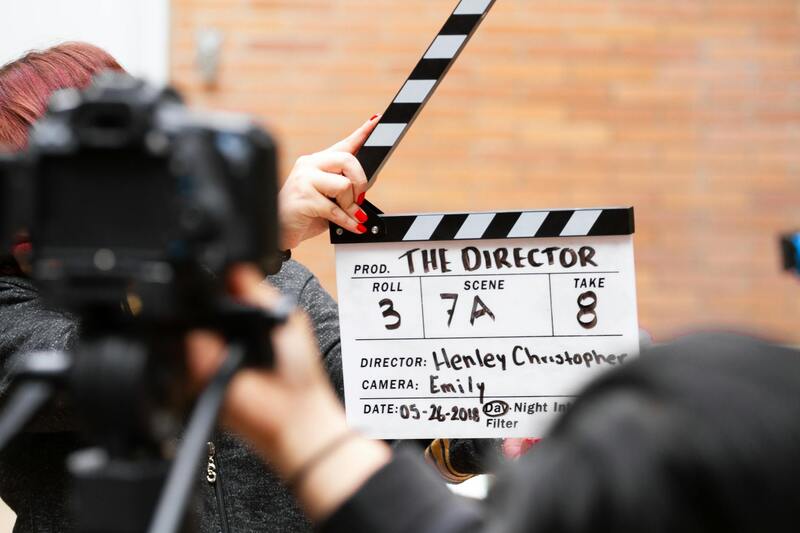
Integrating Video Content into Broader Marketing Strategies
To amplify effectiveness, corporate videos should be integrated seamlessly into broader marketing campaigns. Embedding videos on your company’s landing pages, within email newsletters, and as part of digital advertising campaigns can enhance user engagement and drive traffic. Additionally, pairing videos with targeted content marketing initiatives such as blogs and podcasts creates a comprehensive communication ecosystem that nurtures relationships with customers and stakeholders.
Utilizing Inbound and Outbound Marketing Tactics
Combining inbound marketing tactics like SEO optimization, content sharing, and social media engagement with outbound strategies such as paid advertising ensures a balanced approach. Optimizing video metadata, descriptions, and thumbnails increases discoverability on platforms like YouTube and Google. Paid campaigns such as sponsored posts and video ads allow for precise audience targeting, ensuring the corporate message is delivered to those most likely to respond positively.
Measuring Effectiveness of Distribution Efforts
Tracking performance metrics is critical for evaluating the success of your distribution efforts. Key indicators include viewer engagement rates, click-throughs, conversions, and audience retention. Analyzing these metrics provides insights into which channels and content formats resonate most with your audience. This data-driven approach enables continuous refinement of distribution strategies, ensuring your corporate videos deliver maximum return on investment.
Emphasizing Local Relevance and Cultural Context
For Miami-based businesses, regional relevance is vital. Tailoring distribution content to reflect local culture, language nuances, and regional interests enhances relatability and impact. Local events, community platforms, and regional industry forums can serve as additional channels for sharing corporate videos. This targeted approach not only broadens reach but also fosters stronger community connections, positioning your brand as a socially responsible and engaged entity.
Implementing a comprehensive distribution plan that harnesses both digital innovations and regional outreach strategies creates a robust foundation for maximizing your corporate video’s effectiveness. Analyzing performance data regularly and adapting to emerging media trends will keep your business at the forefront of corporate communication, ensuring your messages consistently reach the right audience through the right channels.
Legal and Official Methods for Corporate Video Production
When undertaking corporate video production for business purposes, adhering to recognized and established practices ensures the content's integrity and effectiveness. This involves utilizing documented procedures such as formal scripting and storyboarding, which serve as foundational tools to communicate your company's message clearly and consistently. Structured planning aligns the video’s objectives with your brand identity, ensuring that every element—from visuals to messaging—reflects professionalism and strategic intent.
Another key method is engaging with licensed production studios and experienced professionals known for their adherence to industry standards. These entities follow transparent workflows, maintain quality assurance measures, and comply with relevant industry guidelines. Working with such suppliers helps guarantee that your video content aligns with optimal technical specifications, is produced ethically, and adheres to contractual norms that protect your business interests.
Developing content within the framework of intellectual property rights is also vital. By securing necessary permissions, licenses, and clearances for music, footage, and images, your corporate videos remain compliant with copyright laws. This safeguard not only maintains your company's reputation but also minimizes risks associated with legal disputes that could arise from unauthorized use of protected content.
Incorporating quality control checkpoints during the production process—such as review sessions at various stages—adds an extra layer of assurance. These reviews enable adjustments aligned with your brand standards and facilitate early detection of inconsistencies or errors, thus preserving content quality and coherence.
Additionally, maintaining comprehensive documentation of the production process supports transparency and accountability. This includes detailed records of agreements, scripts, storyboards, and revisions, creating a clear audit trail that demonstrates adherence to best practices and corporate policies.
Implementing these official methods ensures that your company's corporate videos are robust, compliant, and aligned with industry best practices. They facilitate a smooth production journey from concept to final delivery, reinforcing your business’s credibility and fostering trust with your audience.
Ensuring Proper Distribution and Marketing Strategies for Corporate Videos
Successful deployment of corporate videos extends beyond production and encompasses strategic distribution and marketing efforts. A structured approach guarantees that your video content reaches the intended audience effectively, maximizes engagement, and drives tangible business outcomes.
Developing a Targeted Distribution Plan
Creating a comprehensive distribution plan involves identifying the most appropriate channels to connect with your target demographic. This includes leveraging internal platforms such as your website, intranet, and email newsletters, as well as external channels like social media, industry-specific online forums, and partner websites. Tailoring content format and messaging to each platform enhances viewer engagement and ensures consistent brand communication.
- Website Integration: Embedding videos on your company’s homepage or dedicated landing pages improves user experience and boosts site dwell time. Optimizing video placement ensures easy access for visitors seeking information about your products or services.
- Social Media Campaigns: Utilizing platforms such as LinkedIn, YouTube, Facebook, and Instagram allows you to target specific audiences and generate shareable content. Implementing targeted ad campaigns can further increase visibility among industry professionals and potential clients.
- Email Marketing: Incorporating videos into email campaigns can significantly increase open and click-through rates. Personalized video messages or testimonials resonate well with recipients and foster stronger connections.
- Industry Events and Trade Shows: Presenting your corporate videos during conferences, seminars, and trade shows enhances brand exposure while engaging a captive audience.
Optimizing Content for Search and User Engagement
Analytics are instrumental in refining distribution efforts. Implementing SEO best practices, such as relevant keywords in video titles, descriptions, and tags, ensures that your videos are discoverable via search engines. Metadata optimization increases organic traffic, while analytics tools provide insights into viewer behavior and preferences.
Monitoring metrics such as viewer retention, engagement rates, click-throughs, and conversion figures helps evaluate the effectiveness of your distribution channels. This data-driven approach allows for continual adjustments, enhancing reach and impact over time.
Leveraging Industry Partnerships and Media Outlets
Collaborating with industry partners, media outlets, and influencers amplifies your message. These stakeholders often have established audiences which can be tapped into through co-branded campaigns, guest features, or sponsored content placement. Establishing relationships with media firms that specialize in corporate communications can also facilitate broader coverage of your corporate videos, ensuring your message reaches a wider audience.
Measuring and Refining Your Video Marketing Efforts
Consistent measurement of impact is essential for ongoing success. Using analytics dashboards and key performance indicators (KPIs) such as views, engagement rates, lead generation, and sales conversions helps determine what strategies yield the best results. Based on this data, tailoring future marketing tactics ensures continued alignment with your business goals.
Implementing official, data-driven marketing practices ensures your corporate videos generate measurable value, maximize ROI, and strengthen your brand positioning in the marketplace.