
Understanding Corporate Video Production Costs: An In-Depth Guide
Factors Influencing Production Costs
When planning a corporate video, understanding the various elements that drive production costs is essential. Several key factors contribute to the final price, and being aware of these can help in making informed decisions aligned with your business objectives and budget. Among the most significant elements are the complexity of the project, the expected length of the video, and the specifics of the shooting location. Each factor influences the amount of resources, time, and expertise required, thereby impacting the overall cost.

Project Complexity
The complexity of a corporate video refers to the intricacy of the content, visuals, and storytelling approach. A straightforward testimonial or product showcase with minimal effects and simple filming requirements tends to be less costly. Conversely, videos that incorporate animations, motion graphics, multiple locations, or advanced visual effects will require more planning, specialized talent, and extra production hours, thus increasing costs.
Video Length
Duration significantly influences the budget. Short videos under two minutes typically cost less and can be produced efficiently. As the length increases, the need for additional filming days, editing time, and post-production work escalates, impacting overall expenses. Precise scope definition enables better estimation and resource allocation.
Location Specifics
Shooting locations also affect costs. Using on-premise settings or studio environments may reduce expenses, whereas outdoor shoots or multiple geographically dispersed sites involve logistical challenges and permit fees. Additionally, location-specific considerations such as travel, accommodations, and specialized equipment setups must be accounted for in the budget.
Types of Corporate Videos and Their Price Range
Understanding different video formats helps in aligning expectations with budget. Typical corporate videos include brand films, product demos, training videos, and testimonial pieces. Each type varies in complexity and production requirements, which are reflected in their pricing. For example, a simple product demonstration might fall within a modest price range, while a comprehensive brand narrative with high-end effects can reach substantially higher costs.
Estimating Budget Based on Video Length and Scope
The overall budget should be proportional to the length and scope of the project. A general framework considers the number of shooting days, script complexity, and post-production demands. Smaller projects with limited scope and duration can often be completed within a few thousand dollars, whereas larger productions involving multiple shooting locations, talent, and intricate edits may demand tens of thousands or more.
Cost Breakdown of Production Phases
- Pre-production: Concept development, scripting, storyboarding, and planning. Usually accounts for 10-20% of total costs.
- Production: Filming, set preparation, equipment use, and talent. Typically constitutes the largest expense portion.
- Post-production: Editing, visual effects, color grading, and sound design. Can vary based on complexity but generally takes up a significant share of the budget.
- Additional costs: Licensing, permits, location fees, travel expenses, and contingencies. These can add up considerably depending on the project's specifics.
Additional Costs and Budget Considerations
Beyond standard production phases, other factors may influence the overall investment. Licenses for music or stock footage, special equipment rentals, and expert consultancy are examples of additional expenses. Proper planning and detailed budgeting for these elements prevent unexpected financial surprises and enable a clear understanding of total investment requirements.
Average Corporate Video Production Costs in Miami
In Miami, the local market offers a broad spectrum of pricing, reflecting the diverse range of production options available. A basic corporate video with minimal requirements might start around $5,000 to $10,000. Mid-tier projects, involving more complexity and length, typically range between $15,000 and $30,000. High-end productions with advanced effects, multiple locations, and extensive post-production can exceed $50,000. These figures serve as a general guide, with precise costs depending on project specifics and selected service providers.
Tips for Budgeting and Saving on Video Production
Effective budgeting begins with a clear understanding of your objectives and scope. Prioritize core messages to avoid unnecessary expenses. Additionally, opting for simpler visuals or streamlined production processes can reduce costs without compromising quality. Planning ahead, selecting experienced but cost-effective teams, and being open to creative solutions are key strategies to maximize value within your budget.
Choosing the Right Production Partner for Your Budget
Partnering with a production team that comprehends your financial parameters is vital. Seek providers with a proven track record, transparent pricing, and a collaborative approach. Doing so ensures that the project remains feasible within your financial constraints while maintaining professional standards. Discussing your budget upfront enables the team to propose tailored solutions aligned with your expectations.
Estimating Budget Based on Video Length and Scope
Accurately estimating the budget for a corporate video begins with clearly defining the project's length and the complexity of the content to be produced. A short, straightforward video of 1 to 2 minutes typically involves a condensed production process, often costing between $5,000 and $10,000. This includes basic scripting, minimal locations, and standard editing. Conversely, videos exceeding 5 minutes or requiring more detailed storytelling, multiple scenes, or extensive interviews tend to incur higher costs, ranging from $15,000 to $50,000 or more.
In terms of scope, a simple testimonial or product showcase requires less planning and fewer resources, which reduces overall expenses. On the other hand, large-scale corporate narratives, animated videos, or those requiring specialized visual effects involve extensive pre-production, sophisticated post-production, and higher crew involvement, leading to increased costs. Evaluating your specific objectives and aligning them with the reasonable scope of your project is essential to derive a precise budget estimate.
Cost Breakdown of Production Phases
Breaking down the costs associated with each phase of production helps in understanding where your budget is allocated and where potential savings might be achieved. The primary phases include:
- Pre-Production: Encompasses scripting, storyboarding, location scouting, scheduling, and casting. These activities set the foundation for the entire project and constitute about 20-30% of the total budget.
- Production: Includes filming, set setup, equipment expenses, and on-site personnel. Depending on the complexity, this phase can account for 40-50% of the total costs.
- Post-Production: Covers editing, color correction, sound design, visual effects, and final revisions. High-quality post-production can absorb 20-30% of the budget, especially for advanced effects or animations.
Understanding these phases aids in identifying areas where cost-efficiency can be prioritized without sacrificing the overall quality of the final product.

Additional Costs and Budget Considerations
Beyond the core production phases, several supplementary expenses should be considered to establish a comprehensive budget. These include:
- Travel and Accommodation: Necessary if filming occurs at multiple or remote locations in Miami or beyond.
- Permits and Licensing: Required for securing permissions to shoot in certain public or private spaces.
- Talent Fees: Compensation for actors, presenters, or voice-over artists involved in the project.
- Equipment Rentals: Additional cameras, drones, or specialized filming gear not owned by the production team.
- Revisions and Additional Edits: Extra rounds of editing beyond initial revisions often come at an additional cost.
Careful planning and clear communication with your production partner can help manage these potential expenses effectively, ensuring that your project stays within budget while achieving its visual and messaging goals.
Detailed Breakdown of Production Phases and Their Associated Costs
Understanding the specific components that comprise the overall corporate video production cost is critical for accurate budgeting. Each phase, from pre-production to post-production, contributes differently to the total expenditure and involves various resources and expertise.
Pre-Production Costs
Pre-production is the foundational stage where planning, scripting, storyboarding, and scheduling occur. Expenses during this phase often include personnel fees for writers, directors, and project managers, as well as costs for location scouting and securing permits. Creative development, including concepts, visual style, and message framing, also incurs costs, particularly when engaging specialized consultants or creative agencies. Investment in thorough pre-production planning reduces unexpected costs during filming and editing, ensuring the project stays aligned with objectives and budget constraints.
Production Costs
The filming or shooting phase typically represents the most significant portion of the budget. Costs include hiring crew members such as cinematographers, lighting technicians, sound engineers, and stylists. Equipment rentals for cameras, lighting, and specialized filming tools like drones or gimbals are also key expenses. Location fees, set design, costumes, and talent fees contribute significantly, especially for projects featuring professional actors or voice-over artists. Scheduling efficiency and location choice directly impact costs—more complex scenes or multiple locations can increase expenses substantially.
Moreover, on-site accommodations, transportation, and catering for the crew are factored into the production budget, particularly for shoots spanning multiple days or remote locations in Miami or beyond. Effective management during this stage minimizes delays and additional costs, ensuring the project adheres to financial plans.
Post-Production Costs
Post-production involves editing, sound design, visual effects, color grading, and motion graphics. Advanced animations or special effects can significantly elevate the look and feel of the final product but also increase costs. Skilled editors and visual effects artists charge for their expertise, and complex edits require additional time, which is reflected in the overall cost. Incorporating feedback and multiple revision rounds are standard; each additional round can add to expenses, so clear initial communication regarding expectations helps control costs.
Additional and Overhead Costs
Beyond direct production expenses, ancillary costs such as insurance, security, set design, and equipment logistics are vital considerations. Travel and accommodations for crew or talent when filming at multiple Miami locations or remote sites contribute to the overall budget. Licensing fees for music, stock footage, or proprietary assets may also be necessary. Revisions, retakes, and additional edits beyond initial planning stages should be budgeted for, especially for projects requiring high-quality visual effects or multiple language versions.
Factors Affecting Cost Variability
Several elements cause fluctuations in costs from one project to another:
- Project Scope: Larger projects with multiple scenes, locations, and talents naturally incur higher expenses.
- Video Style and Complexity: Animated videos, 3D sequences, or extensive motion graphics demand specialized skills and equipment, raising costs.
- Talent Involvement: High-profile voices or actors can substantially influence the budget.
- Location Specifics: Filming at premium or hard-to-access locations in Miami necessitates permits, logistics, and additional security measures.
- Deadline Pressure: Accelerated timelines may require additional crew or overtime payments, impacting overall costs.
To maintain transparency and control over the budget, it is crucial to work closely with production partners to define clear scope, expectations, and deliverables. Proper planning and detailed contracts help avoid unforeseen expenses, ensuring that each dollar invested leads to a compelling and effective corporate video.
Additional Costs and Budget Considerations
Beyond the core expenses associated with filming and editing, several supplementary costs can influence the overall investment in corporate video production. Understanding these additional factors is essential for accurate budgeting and avoiding unexpected financial burdens.
- Permits and Location Fees: Securing filming permits, especially in prominent or regulated areas of Miami, involves fees that vary depending on the location and scope of use. These fees ensure compliance with local regulations and facilitate access to specific sites.
- Insurance Coverage: Production insurance protects against unforeseen incidents such as equipment damage, accidents, or liability issues, particularly when filming across multiple sites or involving complex setups.
- Equipment Rentals: Specialized gear, such as drones, steadicams, or high-end lighting, may require rentals that add to the budget, especially for projects demanding high production quality.
- Talent and Crew Expenses: Additional personnel, including specialized consultants, makeup artists, or extra crew members, contribute to cost increases, particularly in tight schedules or high-detail projects.
- Post-Production Enhancements: Incorporating advanced visual effects, color grading, sound design, or custom animations can significantly augment costs if required for project excellence.
- Marketing and Distribution: Once the video is complete, costs for marketing campaigns, distribution channels, or splash pages should be factored into the overall budget to maximize reach and ROI.
It is equally important to allocate funds for revisions and potential updates. Clarifying approval processes and revision limits upfront prevents budget overruns and ensures smooth project flow. Regular communication with the production team and detailed contracts help manage expectations, allowing for flexible adjustments without destabilizing the financial plan.
Incorporating a contingency fund, typically 10-15% of the total budget, provides a safety buffer for unanticipated expenses. This proactive approach ensures that the project remains on track financially, even when unexpected challenges arise during production or post-production phases.
Additional Costs and Budget Considerations
Beyond the primary production expenses, several supplementary costs can influence the overall corporate video production budget. These additional expenses are crucial to consider during the planning phase to prevent unforeseen financial surprises and ensure a seamless production process.
Licensing and Content Clearances
Securing the rights for music tracks, stock footage, and any proprietary content used in the video demands careful budgeting. Licensing fees vary significantly depending on the type and duration of use, with popular music or high-quality stock footage commanding higher prices. Proper licensing ensures that all used media complies with copyright laws and eliminates potential legal issues down the line.
Location Fees and Permits
Filming at specific sites often requires location fees, permits, or both. Iconic or high-traffic areas tend to be more expensive due to their popularity and the logistics involved. Additionally, permits may involve administration fees and inspections, which should be factored into the budget. Planning for these costs early helps avoid delays and unexpected expenses during production.
Talent and Additional Crew Expenses
Engaging professional actors, voice-over artists, or specialized consultants can significantly increase costs. For on-camera talent, daily or project-based rates may apply, and their expenses often include travel and accommodation. Similarly, hiring extra crew members like make-up artists, wardrobe stylists, or safety personnel adds to the overall expenditure. These investments ensure high production quality and adherence to professional standards.
Equipment Rentals and Technical Requirements
While high-end equipment rentals can elevate the quality of a corporate video, they come with substantial costs. Cameras, lighting, stabilizers, and sound gear are often rented, especially for specialized shots. Incorporating advanced or unique technical setups, such as drone footage or underwater filming, introduces additional rental fees that influence the total budget.
Post-Production Enhancements
Post-production costs extend beyond basic editing. Incorporating animations, custom graphics, visual effects, or detailed color grading elevates the final product but requires skilled editors and software licenses, adding to the expenses. Sound design, including voice-over recordings, background music, and sound effects, also represents a critical cost factor. These elements are essential for creating a compelling and polished corporate video.
Contingency Funds
Allocating a contingency budget, typically between 10-15% of the total project cost, provides a financial cushion. This reserve covers unforeseen expenses such as last-minute location adjustments, extra editing rounds, or technical challenges. Maintaining flexibility within the budget safeguards the project against disruptions and ensures timely delivery without compromising quality.
Factors Influencing Production Costs
Corporate video production costs are determined by a multitude of factors, each contributing to the overall budget. The complexity of the project plays a significant role—simple testimonial videos or internal training clips typically demand less investment compared to high-end brand documentaries or product launches. The scope encompasses the script complexity, number of locations, and the involvement of specialized talent, which can drive costs upward.
Pre-production planning is another critical component. Thorough scripting, storyboarding, and casting can improve workflow efficiency but require an upfront allocation of resources. Simultaneously, the choice of talent—such as professional actors, voice-over artists, and industry experts—affects costs. Higher-profile or specialized talent commands higher fees.
Equipment choices and technical requirements have a substantial influence. Advanced cameras, drones, underwater gear, or stabilization systems elevate production quality but also increase rental costs. Site fees, permits, and logistics surrounding location shoots further add to expenses. When shooting in multiple locations, transportation and accommodation expenses must also be factored into the budget.
Post-production and Delivery
The post-production phase is often where costs can vary the most. Editing, color grading, motion graphics, and visual effects demand skilled professionals and software licenses, directly affecting the budget. Voice-over recording, sound editing, and background music licensing are additional expenses that elevate production quality but require financial investment.
Delivery formats and distribution methods also influence costs. High-resolution formats, multiple language versions, or adaptive web versions necessitate extra work, prolonging post-production timelines and increasing costs accordingly.
Additional Costs and Budget Considerations
Beyond basic production elements, there are miscellaneous expenses that should be considered when budgeting for a corporate video. These include contingency funds—generally 10-15% of the total budget—to cover unforeseen issues that might arise during filming or editing. For example, last-minute location changes, additional shooting days, or technical troubleshooting can inflate costs unexpectedly.
Intellectual property rights for music, footage, or graphics used within the video also come with licensing fees that must be included in overall project costs. Additionally, if the video involves special effects or animations, specialized vendors or software licenses may be necessary, further increasing expenses.
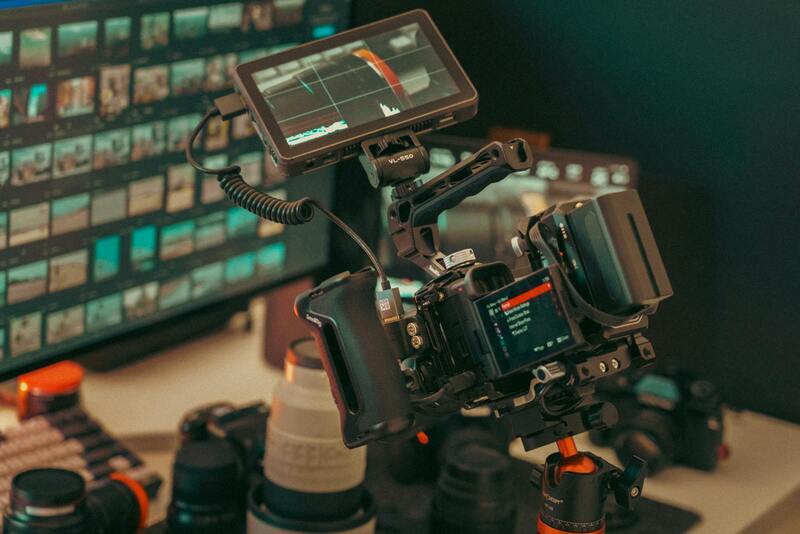
Factors Influencing Production Costs
Understanding the elements that directly impact the expense of corporate video production is essential for setting realistic budgets. These factors range from pre-production planning to post-production refinement. Each phase requires dedicated resources—both human and technical—which contribute to the overall cost structure.
Key considerations include the complexity of the video's concept, the number of locations involved, the number of cast and crew members, and the level of technical expertise required. For example, videos that involve detailed animations or special effects will inherently demand higher investment due to the specialized skills and software involved. Similarly, logistics such as venue rentals, permits, and transportation can significantly influence the final bill.
Another critical factor is the timeline of production. Accelerated schedules often entail higher costs because of overtime pay and the need for additional resources to meet tight deadlines. Moreover, the quality expectations, including high-definition resolution, premium sound, and professional editing, elevate the overall investment. A comprehensive understanding of these factors enables businesses to allocate budget effectively and anticipate potential cost fluctuations.
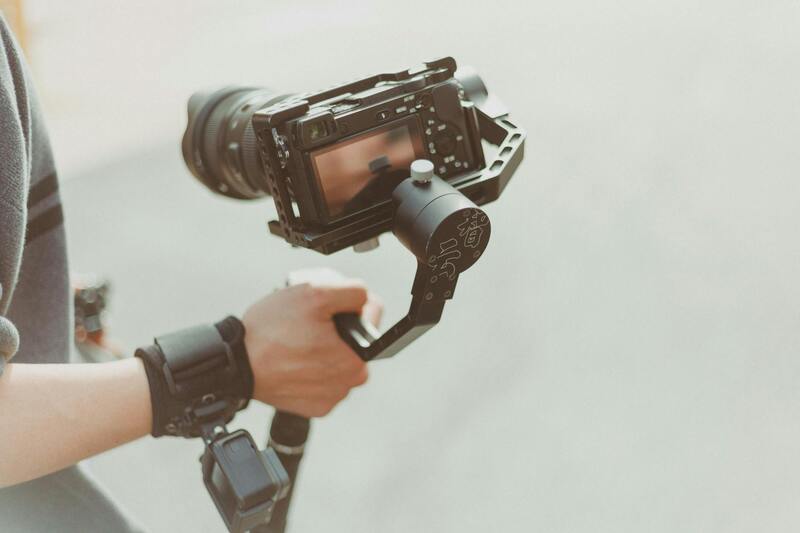
Types of Corporate Videos and Their Price Range
The diverse spectrum of corporate videos caters to different communication needs, ranging from straightforward organizational overviews to highly engaging promotional content. Each type comes with its own typical price range, influenced by complexity, production quality, and distribution scope.
- Explainer Videos: Usually animated or narrated, these videos typically cost between $3,000 and $15,000. Their simplicity and focus on messaging make them a cost-effective choice for explaining products or services.
- Recruitment Videos: Often shot on location with multiple interview segments, these videos generally fall within the $10,000 to $30,000 range, depending on the number of subjects and locations.
- Product Demonstrations: High-quality, detailed footage showcasing products can range from $8,000 to $40,000, influenced by complexity and special effects required.
- CEO Messages and Corporate Overviews: These typically involve professional studio setups and scripting, with costs from $5,000 to $20,000 based on length and production quality.
- Event Coverage and Live Streaming: These projects can vary significantly, with prices from $10,000 to $50,000, depending on duration and technical needs such as multi-camera setups and interactive features.
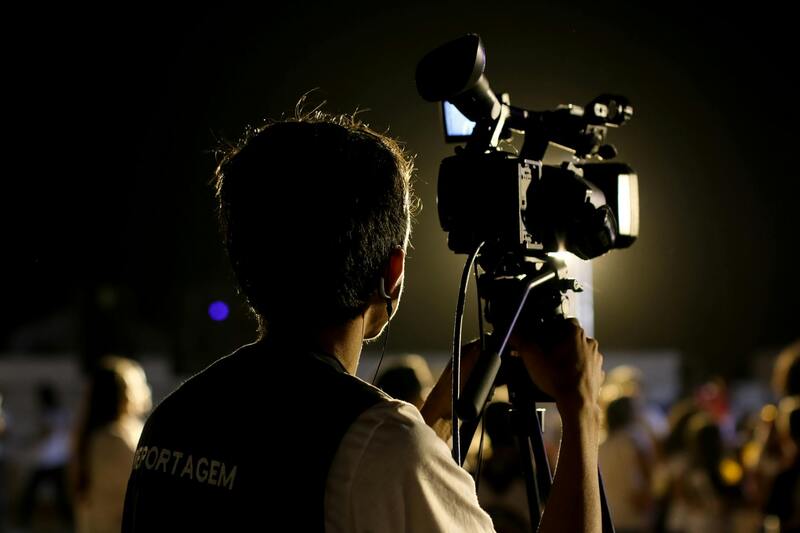
Estimating Budget Based on Video Length and Scope
The scope and length of a corporate video are crucial determinants of production costs. As a general guideline, shorter videos, such as 1-3 minutes, tend to be more budget-friendly, typically ranging from $3,000 to $10,000, especially if the scope is limited to straightforward messaging or simple animations.
In contrast, videos exceeding 10 minutes or those involving intricate content—such as multiple filming locations, talent, and complex post-production effects—can escalate costs substantially. These projects often range from $20,000 to over $100,000, reflecting the additional resources needed for comprehensive filming, editing, and quality control.
Precise budgeting requires a detailed project scope, defining the desired message, visual style, and distribution channels. This clarity ensures that costs align with objectives, avoiding overspending while achieving impactful results.

Cost Breakdown of Production Phases
Breaking down the corporate video production process reveals the distinct expenses associated with each phase:
- Pre-Production: Planning, scripting, storyboarding, and scheduling often constitute approximately 10-15% of the total budget. This phase sets the foundation for a smooth workflow and minimizes costly revisions later.
- Production: Filming, talent acquisition, equipment rental, and location costs dominate this stage, typically accounting for 40-50% of the budget. Efficient management here can significantly influence overall costs.
- Post-Production: Editing, visual effects, color grading, sound design, and voice-over work are extensive tasks that often consume 30-40% of the total budget. High-end finishing touches are crucial for professional quality but require skilled specialists.
- Delivery and Distribution: Preparing multiple formats, subtitles, and platforms may account for 5-10% of the total costs. Adequate planning ensures seamless deployment across channels.
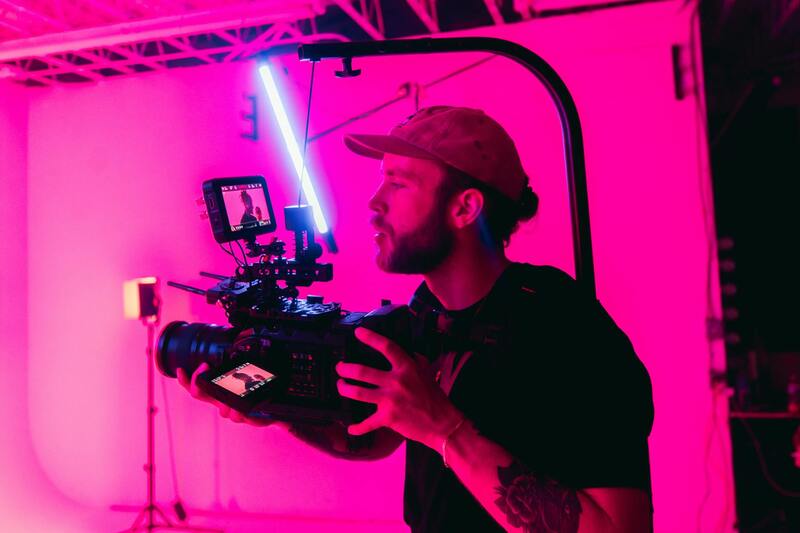
Additional Costs and Budget Considerations
Beyond core production expenses, several other costs should be incorporated into the overall budget plan. These include unforeseen contingencies—recommended at 10-15% of the total—to buffer against unpredictable needs such as reshoots or technical setbacks. Flexible budgeting ensures that the project maintains quality without compromising deadlines.
Licensing fees for music, stock footage, or proprietary graphics represent significant additional expenses. Securing the rights to use these assets ensures legal compliance and intellectual property safety.
Specialized services—such as drone footage, 3D animations, or green screen setups—require additional subcontractors or software licenses, further contributing to project costs. Factoring in these extras upfront prevents budget overruns and allows for transparent client communication.
Factors Influencing Production Costs
The overall expense of corporate video production depends on multiple interconnected factors. These include the complexity of the script, the choice of location, the size of the production crew, and the equipment used. For instance, a simple testimonials video shot in a single location with basic camera equipment typically incurs lower costs. In contrast, a high-end brand video involving multiple locations, actors, specialized equipment, and advanced post-production techniques will naturally command a higher budget.
It's essential for organizations to evaluate their specific objectives and desired production quality when estimating costs. Precise planning helps in aligning production elements with financial constraints, ensuring the final product meets organizational standards without exceeding allocated resources.
Types of Corporate Videos and Their Price Range
- Explainer Videos: Typically priced between $3,000 and $15,000, these videos clarify complex products or services through animations or motion graphics.
- Testimonial Videos: Ranging from $2,500 to $10,000, they focus on client stories and often involve minimal setup.
- Brand Awareness Videos: These productions can cost anywhere from $10,000 to $50,000, depending on their scope and production value.
- Training and Internal Communication Videos: Usually fall within $5,000 to $20,000, tailored to the organization's internal needs.
Estimating Budget Based on Video Length and Scope
Duration significantly impacts costs. Short clips under 2 minutes may start at around $2,500 but can increase depending on the complexity of content and visuals. Longer videos, especially those exceeding 5 minutes, often require additional scripting, shooting days, and editing, which can double or triple initial estimates.
Scope also includes the level of customization, including scriptwriting, on-location shoots, talent hiring, and special effects. Clearly defining these requirements in advance facilitates accurate budgeting and prevents unexpected expenditures as production progresses.
Cost Breakdown of Production Phases
- Pre-Production: Planning, scripting, storyboarding, location scouting, and casting. This phase typically consumes about 10-15% of the total budget.
- Shooting: Covering expenses such as equipment rental, crew salaries, talent fees, permits, and on-site logistics. Shooting costs can range from 40-50% of the total budget.
- Post-Production: Editing, visual effects, color grading, sound design, and final renderings. This often constitutes 30-40% of the overall costs.
- Delivery and Distribution: Formatting for various platforms, localization, and additional versions. These costs generally account for 5-10% of the total budget.

Additional Costs and Budget Considerations
Robust budgeting necessitates accounting for miscellaneous and unforeseen expenses. Contingency funds, typically set at 10-15%, provide flexibility for last-minute changes or reshoots. Licensing fees for music, stock footage, or proprietary graphics are additional costs that should be planned for in advance, ensuring compliance with usage rights and avoiding legal complications.
Specialized services such as drone footage, green screen setups, or 3D animations demand further investment in equipment, software licenses, or subcontractor fees. Proactively including these in the budget highlights transparency and helps in managing client expectations effectively.
Maintaining a detailed cost estimate that encompasses potential extras minimizes surprises during the production process and supports strategic decision-making for resource allocation.
Average Corporate Video Production Costs in Miami
In Miami, production costs reflect the market's vibrant creative scene and availability of diverse talent and facilities. Basic corporate videos typically range from $3,000 to $8,000, suitable for internal communications or simple promotional content. More elaborate projects involving multiple shoot days, high-end equipment, or international talent often fall between $15,000 and $50,000. Cost variation hinges on scale, production quality, and specific client requirements.
Tips for Budgeting and Saving on Video Production
- Prioritize your core message to avoid unnecessary embellishments that inflate costs.
- Opt for a production team experienced in your industry, as they often understand cost-effective workflows and creative solutions.
- Limit the number of shooting locations and talent to essential personnel only.
- Utilize existing assets like photographs, logos, and proprietary content to reduce production expenses.
- Plan milestones and review points to monitor expenses and maintain control over the budget.
- Consider simplified animations or motion graphics instead of costly live-action scenes when appropriate for your message.
- Choose a reputable production partner with transparent pricing structures and a proven track record of delivering quality within budget.