
Understanding Commercial Video Production Costs
Commercial video production costs represent the total financial investment required to create a professional, engaging promotional video for a business or brand. These expenses cover a wide range of activities, from initial concept development to the final editing process. The total cost is influenced by numerous factors, including project scope, creative complexity, and specific client requirements.
A typical commercial video production involves several stages—pre-production, production, and post-production—each incurring distinct costs. For instance, pre-production expenses include scripting, storyboarding, and scouting locations, which are vital for shaping the overall vision of the commercial. During production, costs are associated with equipment rental, talent fees, crew wages, and logistical support. Post-production covers editing, visual effects, sound design, and color grading, ensuring the final product meets quality standards.
The variation in commercial video production costs is significant and can fluctuate based on project complexity, duration, and the level of customization required. A straightforward 30-second online advertisement might cost considerably less than a high-end, cinematic commercial with intricate visual effects and professional talent. Understanding these components helps clients allocate their budgets wisely and communicate effectively with production companies.
Key Factors Influencing Production Costs
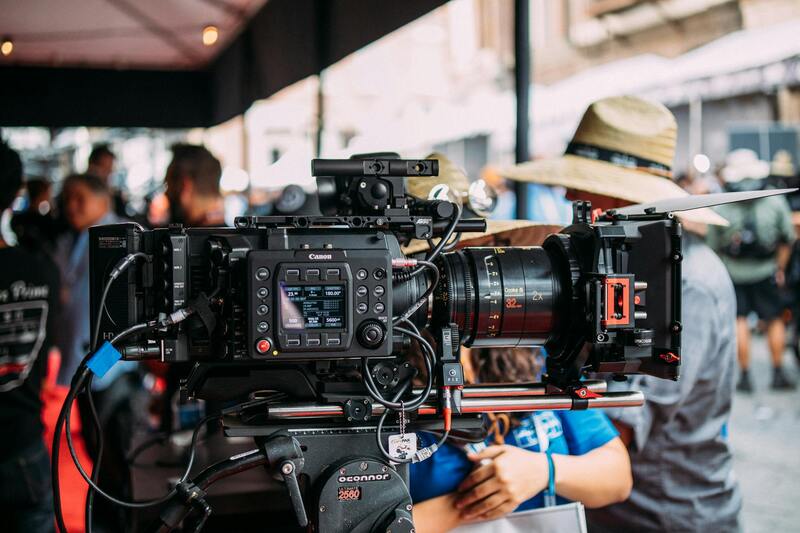
Determining the expenses associated with commercial video production involves evaluating multiple core elements that directly influence the final budget. The scope of the project, encompassing the complexity of scenes, special effects, and storytelling requirements, fundamentally impacts costs. Higher production standards, such as creating a high-production-value commercial with cinematic visuals, will naturally require a larger budget. Similarly, the desired quality level plays a crucial role; opting for premium equipment, well-known talent, and sophisticated post-production techniques elevates costs accordingly.
Location scouting and shooting logistics also significantly sway expenses. Filming in multiple or remote locations increases logistical demands, permits, transportation, and accommodation costs. When production teams work within city centers or popular venues, additional fees for permits and access can further augment the overall expenses. Talent, including actors, voice-over artists, and extras, constitutes a sizable portion of the budget, particularly when engaging well-established professionals. The choice of talent impacts not only the cost but also the perceived quality of the commercial.
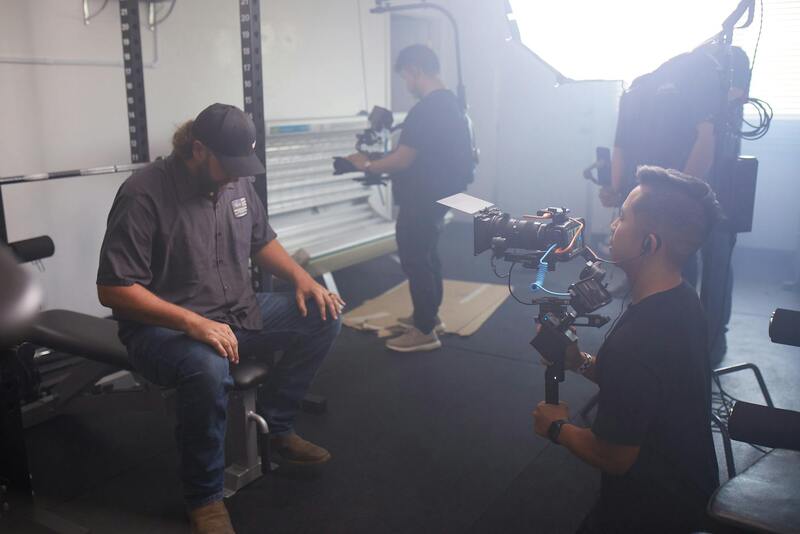
Beyond tangible factors, intangible elements such as creative direction, conceptual depth, and the level of customization required contribute to cost variations. More intricate creative work, including complex storyboarding and innovative visual effects, demands additional time and skilled personnel. The overall size and experience of the production team also influence expenses; larger, more experienced crews typically charge higher rates, reflecting their expertise and equipment capabilities. Each of these instances warrants careful consideration during budgeting to ensure alignment with strategic marketing objectives, without compromising quality or overspending.
Pre-Production Expenses
Pre-production represents the foundational phase in commercial video creation, encompassing critical planning and preparatory work that directly influences the overall budget. Effective pre-production activities include detailed scripting, which ensures a clear narrative flow and precise messaging, often involving scriptwriters and creative consultants. Storyboarding transforms scripts into visual sequences, helping identify potential challenges and refine visual concepts before filming begins.
Casting is another significant pre-production expense, particularly when hiring well-known actors or specialized talent. This process involves auditions, talent negotiations, and contractual arrangements, all of which require careful budgeting. Location scouting, an essential step, involves researching and securing suitable shooting sites that align with the project's creative vision. Depending on the complexity and number of locations, scouting can incur costs related to permits, site fees, and additional logistics planning.
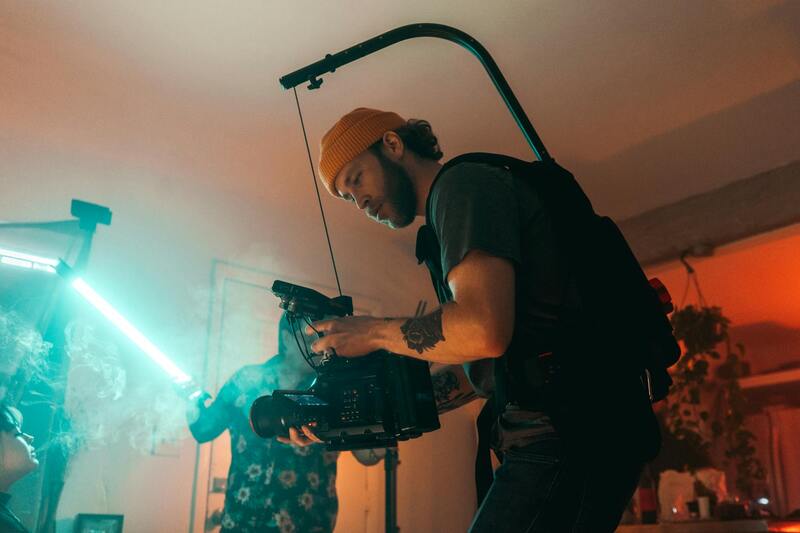
Other pre-production costs include obtaining necessary permits, insurance, and any special equipment or props needed during filming. These steps ensure that production logistics are streamlined, avoiding delays and additional expenses during the actual shoot. Budgeting for pre-production thoroughly helps maintain control over the overall commercial video production cost, setting a clear framework for follow-up phases.
Production Expenses
The production phase is often the most visually intensive and resource-consuming segment of commercial video creation. It involves actual filming, which requires a skilled crew, high-end equipment, and often multiple takes to achieve the desired quality. The size and expertise of the production team directly impact costs, with larger crews or those with specialized skills commanding higher rates.
Key elements contributing to production costs include:
- Equipment Rental: Cameras, lighting, sound gear, and special visual effects equipment add to the expenses.
- Location Fees: Securing access to shooting locations, especially in high-profile or remote areas, can be costly due to permits, access fees, and logistics support.
- Talent and Crew Compensation: Payments for actors, voice-over artists, extras, directors, camera operators, stylists, and makeup artists are significant variables.
- Production Design: Creating sets, costumes, and visual elements that enhance narrative quality also contribute to costs.
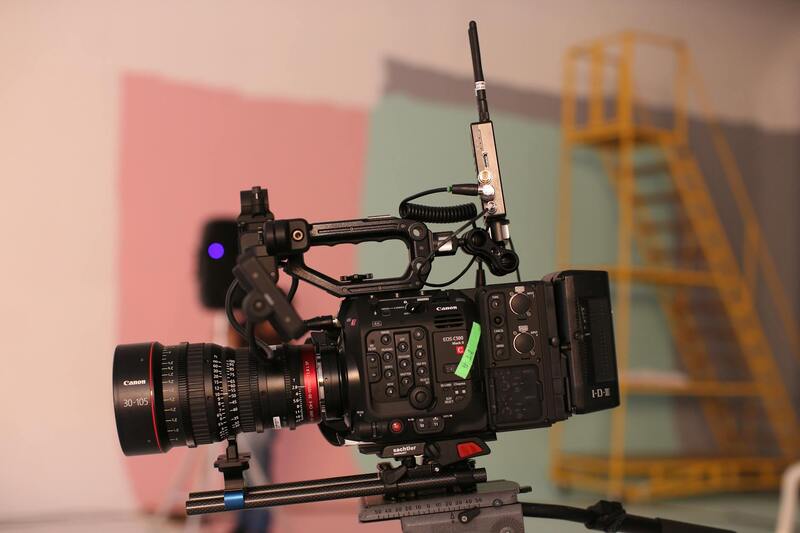
To optimize costs, producers often consider location selections carefully, balancing visual needs with logistical feasibility. Efficient scheduling and resource allocation during production are crucial to minimizing overruns and maintaining budget integrity.
Post-Production and Editing Costs
Once filming wraps, attention shifts to post-production, where raw footage is transformed into a polished commercial. Editing encompasses cutting scenes, integrating visual effects, color correction, sound design, and music scoring. These tasks require specialized software and skilled professionals who ensure the final product aligns with the creative vision.
High-quality visual effects and motion graphics significantly elevate post-production costs, especially when sophisticated techniques like 3D animations or compositing are involved. Voice-over recording, sound balancing, and final mastering are additional steps that can influence expenses.
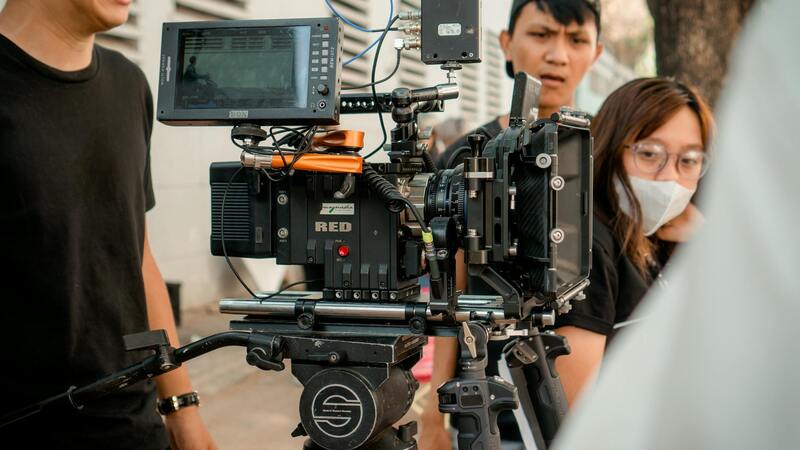
Investing in advanced editing tools and experienced editors ensures that the commercial remains engaging and effective, but these efforts naturally add to the overall budget. Planning for post-production should include allowances for revisions, as client feedback often necessitates multiple iterations.
Additional Costs and Variables
Numerous additional factors can influence commercial video production costs, often unpredictably. These include contingency budgets for unforeseen delays or technical challenges, particularly when working with complex effects or remote locations. Travel expenses, accommodation for crew, and transportation costs also add up, especially for projects involving multiple or distant sites.
Special considerations such as licensing fees for music, stock footage, or proprietary visual assets can further inflate the budget. Furthermore, licensing the commercial for multiple media platforms or extended periods increases initial costs, though it might offer long-term value.
Understanding these variables allows producers to build comprehensive budgets that accommodate potential fluctuations without compromising quality.
Average Cost Ranges for Different Types of Commercials
The expense of producing a commercial can vary widely based on scope and complexity. Basic local commercials, often shot in a single day with limited talent and equipment, typically range from $5,000 to $20,000. Mid-range productions, which involve multiple locations, professional actors, and moderate post-production work, generally fall between $20,000 and $100,000.
High-end national campaigns featuring elaborate storylines, renowned talent, specialized effects, and extensive post-production can exceed $100,000, sometimes reaching several hundred thousand dollars for large-scale projects. These figures reflect the varying degrees of production value and distribution needs, emphasizing the importance of aligning budget expectations with campaign objectives.

Strategies to Manage and Optimize Production Costs
Effective budgeting begins with meticulous planning and transparent communication among all stakeholders. Prioritizing essential elements and creatively leveraging available resources can significantly reduce expenses without sacrificing quality.
- Pre-Planning: Conduct thorough research to identify optimal locations, talent, and equipment, avoiding last-minute upgrades or changes.
- Clear Scoping: Define the project scope explicitly to prevent scope creep that can inflate costs.
- Efficient Scheduling: Consolidate shooting days and coordinate schedules tightly to minimize overtime and redundant setups.
- Vendor Negotiations: Seek competitive bids from multiple vendors, including equipment rentals, locations, and post-production services.
- Use of Stock Assets: Incorporate stock footage, music, and visual effects where appropriate to cut costs.
Investment in detailed planning and strategic resource management enables brands to achieve impactful commercial videos while maintaining financial discipline.
Production Expenses Breakdown
Production expenses encompass a broad spectrum of costs that are directly associated with the filming process. These costs include equipment rentals, which cover cameras, lighting, sound gear, and specialized rigs necessary for capturing high-quality footage. The number of filming days, location permits, and logistical arrangements also significantly influence the overall costs. The crew involved in a commercial shoot—ranging from director, cinematographer, lighting technicians, sound engineers, to production assistants—must be remunerated, often based on union rates or project-specific agreements.
On-set logistics, including transportation, catering, set design, and wardrobe, add further financial considerations. Securing appropriate permits for shooting in public or private locations can require administrative fees and compliance costs, which vary depending on the project's scope and location. Efficient management of these expenses necessitates a detailed production schedule and clear communication with all involved parties to avoid unforeseen costs or delays.
Post-Production and Editing Costs
The post-production phase involves editing, visual effects, sound design, and color grading, which are essential for transforming raw footage into a polished commercial. This phase can be resource-intensive, especially when high-end visual effects, motion graphics, or custom animations are required. Editing costs are typically determined by the length of the final cut, the complexity of visual effects, and the turnaround time. Specialized post-production software licenses, quality assurance, and multiple review cycles further add to the expense. Incorporating stock assets—such as stock footage, music tracks, or pre-made visual effects—can help contain costs. However, projects that demand extensive retouching or custom graphics tend to incur higher fees. Collaborating with experienced editors and post-production houses ensures efficiency, maintaining quality standards while managing budget expectations. Transparent communication about scope and deliverables at this stage prevents scope creep that could inflate costs.
Additional Costs and Variables
Several additional factors influence the final commercial video production cost beyond core expenses. These include talent fees, which vary depending on the popularity and experience of actors or voice-over artists enlisted. Special equipment, such as aerial drones or underwater cameras, can elevate costs significantly if needed. Set construction, wardrobe, makeup, and styling are also vital components; customized sets or high-end styling can increase expenses. Air travel and accommodation for crew members, especially for shoots in remote or international locations, should also be factored into the budget. Unpredictable variables such as weather conditions, last-minute script changes, or technical difficulties can lead to unexpected cost adjustments. To mitigate these risks, creating contingency budgets—typically around 10-15% of the total project cost—is advisable. Thorough pre-production planning and flexible scheduling help manage these variables effectively.
Average Cost Ranges for Different Types of Commercials
- Local TV Commercials: Typically range between $5,000 to $50,000, depending on complexity, talent, and location requirements.
- National Broadcast Campaigns: Can vary from $50,000 to over $250,000, reflecting higher production values, extensive casting, and wider distribution scope.
- Online and Social Media Ads: Often fall within the $1,000 to $10,000 range but can escalate with advanced visual effects and professional talent.
- High-Production-Value Commercials: Feature films, animated sequences, or commercials with special effects often exceed $100,000, sometimes hitting several hundred thousand dollars depending on the project's scale.
Strategies for Effective Cost Management and Optimization
Implementing strategic measures throughout the production process enhances cost efficiency. Detailed pre-planning, including comprehensive scoping and scheduling, prevents escalations caused by scope creep and last-minute changes. Negotiating with multiple vendors for equipment, locations, and talent often yields favorable terms, while leveraging stock assets reduces the need for custom elements. Prioritizing essential creative elements ensures that budget allocations align with campaign priorities. Adopting a phased approach—initially defining core deliverables and then expanding as needed—facilitates better control over spending. Regular budget reviews and contingency planning provide flexibility to adapt to unforeseen circumstances without compromising the quality of the final product. Understanding that creative excellence and financial discipline are not mutually exclusive allows production companies and brands to produce impactful commercials within budget, securing the best possible return on investment.
Post-Production and Editing Costs
After completing the filming process, the focus shifts to post-production, which plays a crucial role in shaping the final commercial. This stage involves several key components, each contributing to the overall expense but also significantly impacting the commercial's visual appeal and effectiveness. Editing encompasses the assembly of footage, trimming scenes for pacing, and ensuring the narrative flows seamlessly. Skilled editors utilize advanced software tools to refine cuts and synchronize visuals with audio, often requiring several rounds of revisions to achieve the desired outcome.
Visual effects (VFX) are frequently incorporated to heighten the commercial's appeal, especially for brands aiming for a high-impact look. Whether it's incorporating animated elements, altering backgrounds, or adding digital effects, these enhancements can vary considerably in cost depending on complexity and the duration of the effects. For example, adding subtle enhancements like color grading and scene stabilization might be relatively straightforward, while creating elaborate CGI sequences can drive expenses into exponentially higher ranges.
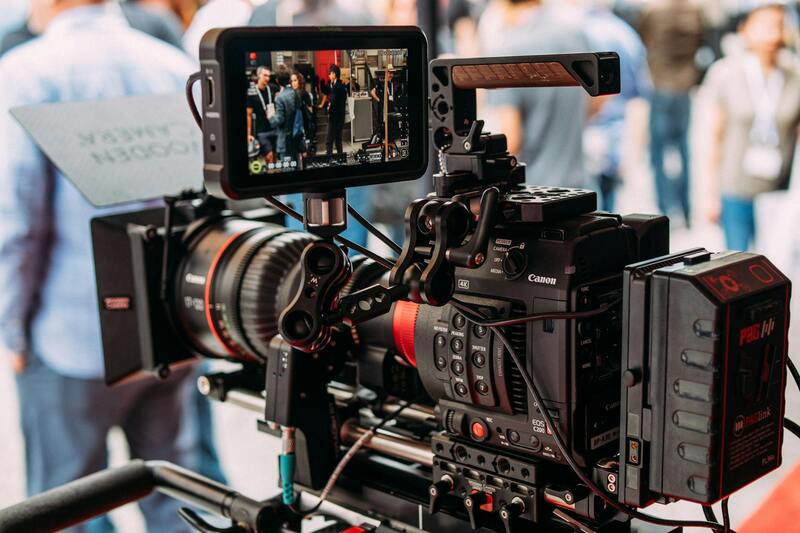
Color correction is another important element, ensuring visual consistency across scenes and enhancing the aesthetic appeal. Professional colorists utilize sophisticated tools to achieve the desired mood and tone, often requiring multiple revisions to match brand standards. Sound design complements these visuals by adding music, voice-overs, sound effects, and balancing audio levels to produce a cohesive sensory experience. This phase involves audio mixing and mastering, which guarantees that audio complements the visuals without overwhelming or underwhelming the viewer.
Revisions are an expected part of the post-production process. Incorporating client feedback, making adjustments to visual effects, audio, or pacing often necessitates additional editing time and resources. While each revision enhances the final product, it can also extend timelines and increase costs, especially when multiple rounds are involved. Effective communication and clear scope definitions at the outset help contain these expenses.
Additional Costs and Variables
Commercial video production encompasses numerous ancillary expenses that influence the overall budget. These include licensing fees for music or stock footage, specialized equipment rentals, permits for filming in certain locations, and the deployment of specific talents or unique set designs. Additionally, costs for distribution, such as media buy or promotion, are often calculated separately but are integral to the campaign’s success. Variability in these factors means that accurate budgeting requires a comprehensive understanding of all potential expenditures and their impact on the total project cost.
Average Cost Ranges for Different Types of Commercials
- Local or Small Business Commercials: Typically range from $1,000 to $10,000, emphasizing cost-efficient approaches with limited scope and simpler visuals.
- National Campaigns: Usually fall between $10,000 and $100,000, incorporating higher production values, multiple shooting locations, and professional actors.
- High-Production-Value Commercials: Exceed $100,000 and can reach several hundred thousand dollars, especially for commercials requiring extensive visual effects, animated sequences, or celebrity endorsements.
Strategies to Manage and Optimize Production Costs
Effective cost management begins with meticulous planning and clear scope definition. Detailed pre-production planning helps identify essential elements, avoiding costly last-minute changes. Negotiating with multiple vendors and exploring bulk discounts for equipment or talent services can result in substantial savings. Leveraging existing assets or stock footage reduces the need for custom-built visuals, which can significantly cut costs without sacrificing quality.
Prioritizing creative elements ensures budget allocations align with campaign objectives, emphasizing the features that deliver the highest impact. A phased production approach allows for initial development of core content, with room for expansion based on performance metrics or stakeholder feedback. Regular budget reviews facilitate early detection of overspending, enabling prompt adjustments to stay within financial limits.
Implementing these strategies enables brands to maximize their financial investments while producing high-quality commercials that resonate with target audiences.
Additional Costs and Variables
While the primary expenses of commercial video production encompass pre-production, production, and post-production efforts, several additional variables can influence the overall cost. These extras often serve to enhance the visual appeal or auditory experience of the commercial, but they also come with associated costs that should be carefully considered during the planning phase.
One significant component involves special effects and animations, which can range from subtle visual enhancements to complex CGI sequences. Incorporating high-end computer-generated imagery often demands specialized talent and equipment, resulting in higher costs. The more intricate the effects, the more extensive the post-production process becomes, leading to a proportional increase in expenses.
Music licensing is another variable that impacts the overall budget. Securing rights for popular tracks or custom composing original music involves licensing fees or composer fees, which vary depending on the length and usage scope. If a commercial requires exclusive audio branding, the costs escalate further, especially when licensing well-known compositions.

Unanticipated expenses also play a crucial role. These unforeseen costs might derive from weather delays, equipment malfunction, location-specific fees, or last-minute script changes. Budgeting a contingency fund, typically around 10-15% of the total project cost, helps mitigate the impact of such unexpected expenditures and ensures smoother project execution.
Impact of Additional Variables on Overall Budget
Each added element or unforeseen expense can significantly modify the final cost of a commercial. It emphasizes the necessity for detailed upfront planning, transparent communication with vendors, and flexible budgeting. Proper management of these variables not only prevents budget overruns but also guarantees the delivery of a compelling commercial that aligns with the brand’s objectives and maintains quality standards.
Understanding Commercial Video Production Costs
When embarking on a commercial video project, comprehending the detailed components that contribute to the overall expense is vital. These costs stem from various stages of the production process, each influencing the final budget significantly. Proper awareness allows clients and producers to set realistic expectations, allocate resources effectively, and ensure the delivery of high-quality content within financial parameters.
Key Factors Influencing Production Costs
Multiple variables play a role in determining the commercial video production cost. These encompass the complexity of the project, the scope of creative execution, and logistical considerations, among others. Understanding these key drivers ensures more accurate budgeting and resource planning:
- Project Scope and Complexity: A straightforward promotional video with minimal effects will generally cost less than a commercial with elaborate animations, 3D modeling, or extensive visual effects.
- Location and Permits: Filming in multiple or high-restriction locations can incur additional permits, fees, and logistical costs.
- Talent and Crew: Experienced actors, professional voice-over artists, or specialized crew members like drone operators or makeup artists command higher rates.
- Equipment: The use of high-end cameras, lighting setups, drones, or other specialized gear factors into the budget, especially when rental costs are involved.
- Script and Concept Development: Creative pre-production work, including scriptwriting, storyboarding, and conceptual design, adds to initial expenses.
Pre-Production Expenses
Pre-production forms the foundation of any successful commercial. It involves meticulous planning and organization, which incur costs such as:
- Scriptwriting and Storyboarding: Collaborating with writers and illustrators to craft a compelling narrative visually.
- Casting and Talent Selection: Budgeting for auditions, talent fees, and possibly talent housing or transportation expenses.
- Location Scouting and Permits: Securing necessary approvals and arranging logistical support for each filming site.
- Equipment Planning: Determining the required gear, securing rentals, and scheduling usage times.
Production Expenses
The filming phase accounts for a significant portion of the total cost, often determined by the scale and complexity of shooting operations:
- Filming Crew Compensation: Includes director, cinematographer, camera operators, and assistants whose rates vary based on experience and project duration.
- Talent Fees: Payments to actors, presenters, or voice artists engaged during filming.
- Set Design and Construction: Building or decorating sets to align with the commercial’s aesthetic, sometimes requiring custom fabrication.
- Equipment Rental: Cameras, lighting, sound gear, and other technical tools needed for high-quality footage capture.
- Location Fees: Payments for using private properties or restricted areas.
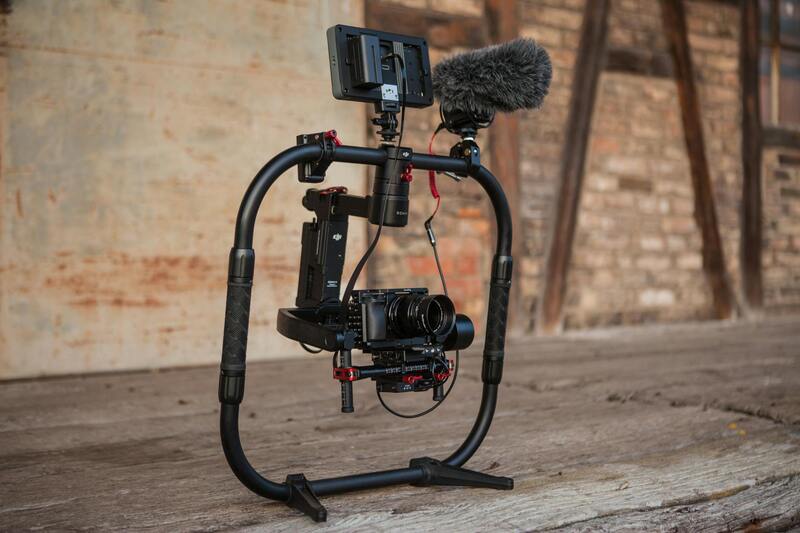
Post-Production and Editing Costs
Post-production is where raw footage transforms into a polished commercial. This phase involves several detailed processes:
- Video Editing: Cutting, sequencing, and assembling footage to ensure coherent storytelling while maintaining the desired pace.
- Visual Effects (VFX): Adding CGI, compositing, or other digital enhancements to elevate the visual appeal.
- Color Grading: Refining color tones to match the brand’s aesthetic and mood.
- Sound Design and Music: Incorporating sound effects, voice-overs, and licensing or original compositions, which can influence costs significantly.
- Animation and Motion Graphics: Crafting engaging animated elements or titles as required by the commercial’s concept.
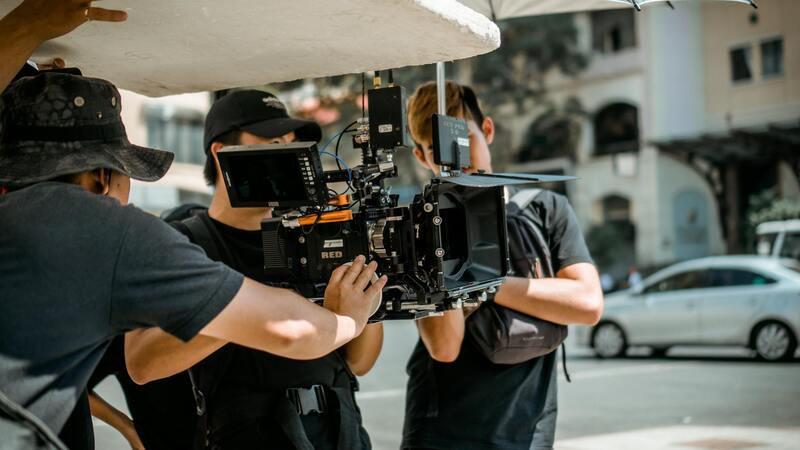
Additional Costs and Variables
Beyond the core stages, several extra elements and unplanned variables can influence the overall commercial video production cost:
- Music Licensing and Original Composition: Licensing popular tracks involves fees, while original scoring requires hiring composers or musicians.
- Special Effects and Animation: More intricate effects demand additional time and skilled personnel, raising expenditures.
- Contingency Funds: Allocating approximately 10-15% of the total budget accommodates unforeseen issues like weather delays, equipment failures, or last-minute script modifications.
- Enhanced Audio-Visual Elements: Upgrading to higher-resolution footage or adding immersive audio features naturally elevates costs.
Impact of Additional Variables on Overall Budget
Each added component, whether planned or unexpected, can substantially alter the final expenditure. This reality underscores the importance of comprehensive upfront planning, transparent communication with vendors, and adaptable financial management. Properly managing these factors ensures projects stay within budget while achieving the intended creative and promotional goals.
Understanding Commercial Video Production Costs
Estimating the total expenditure for a commercial video production involves analyzing multiple layers of expenses that vary depending on the project's scope, complexity, and specific requirements. Precise cost estimation ensures that budgets are effectively allocated, facilitating smooth project execution and high-quality output. Recognizing the breakdown of these costs enables clients to make informed decisions when planning their promotional campaigns.
Key Factors Influencing Production Costs
Several primary factors directly impact the overall commercial video production cost. These include the project's duration, complexity, location, talent requirements, and the production company's expertise. Each element contributes uniquely to the budget, necessitating thorough planning and transparent communication with production vendors to align expectations and financial parameters.
Pre-Production Expenses
Pre-production lays the foundation for the entire project and involves costs related to planning, concept development, scriptwriting, storyboarding, and securing necessary permits. These activities require skilled creative professionals whose fees can vary based on experience and project demands. Location scouting, casting, and set design also contribute to pre-production expenses, especially if multiple locations or specialized sets are involved.
Production Expenses
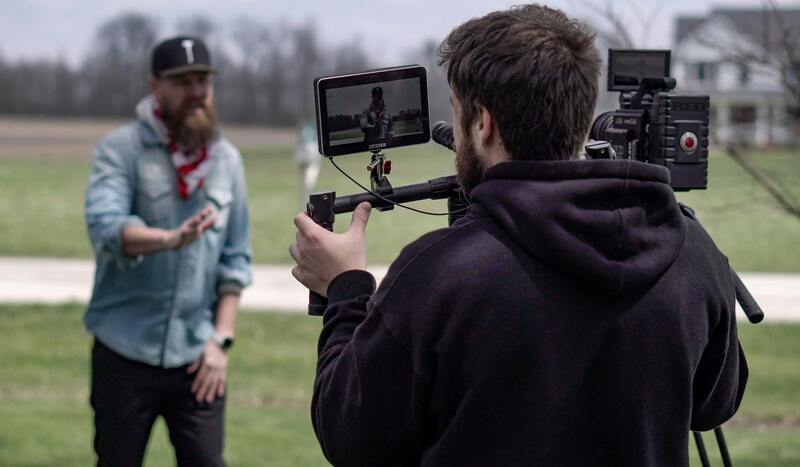
The production phase encompasses on-site filming, equipment rental, crew wages, and talent compensation. High-quality cameras, lighting setups, and sound equipment are essential for producing professional-grade footage, often requiring substantial rental fees. A larger crew or complex scenes increase labor costs, while specialty equipment or unique filming techniques, such as drone shots or multi-camera setups, further elevate expenses. Location fees, permits, and setup logistics also influence total production costs.
Post-Production and Editing Costs
Once filming wraps, the project transitions into editing, where footage is assembled, color graded, and sound design is finalized. Editing involves software licenses and the time of skilled editors, which can vary based on the project's complexity and desired aesthetic. Incorporation of motion graphics, animations, special effects, and licensed music enhances the final product but also increases expenditure. Multiple revisions to meet client standards may extend editing timelines and costs.

Additional Costs and Variables
Beyond the core stages, several supplementary variables can significantly influence the overall commercial video production cost. Licensing fees for music or sourcing original compositions, the inclusion of special effects or complex animations, and higher-resolution visuals all contribute to budget adjustments. Contingency funds—typically around 10-15%—are often allocated within the total budget to mitigate unforeseen issues such as weather delays, technical failures, or last-minute creative alterations. Upgrading equipment or audio-visual elements also involves additional expenses, especially when seeking a premium look and feel.
Average Cost Ranges for Different Types of Commercials
The scope and purpose of a commercial significantly determine its pricing structure. Local TV commercials with straightforward messaging tend to fall within a moderate budget, whereas high-end national campaigns with elaborate production values command substantially higher costs.
- Local Business Commercials: Typically range from $1,500 to $10,000, depending on length and complexity.
- Web and Social Media Shorts: Usually between $2,000 and $15,000, with costs driven by the need for optimized formats and quick turnaround times.
- National TV Campaigns: Can range from $50,000 to several hundred thousand dollars, especially when including multiple shooting days, high-profile talent, and extensive post-production work.
Understanding these ranges helps in setting realistic expectations and aligning project objectives with available resources.