
Understanding the Importance of Corporate Videos
Corporate videos have become an essential component in the arsenal of modern business communication. In Miami's diverse and dynamic business environment, these videos serve as powerful tools to convey brand identity, share company stories, and engage targeted audiences effectively. Through strategic storytelling, businesses can highlight their values, showcase their products or services, and establish a genuine connection with viewers. The rise of digital platforms further amplifies the reach and influence of high-quality corporate videos, making them indispensable for any comprehensive marketing strategy.
For companies operating in Miami, leveraging corporate videos offers several tangible benefits. They can elevate brand visibility in a competitive market, foster trust through authentic storytelling, and facilitate clearer communication of complex information. Whether utilized for investor relations, onboarding, training, or promotional campaigns, these videos enhance a company's ability to communicate its message efficiently and memorably.
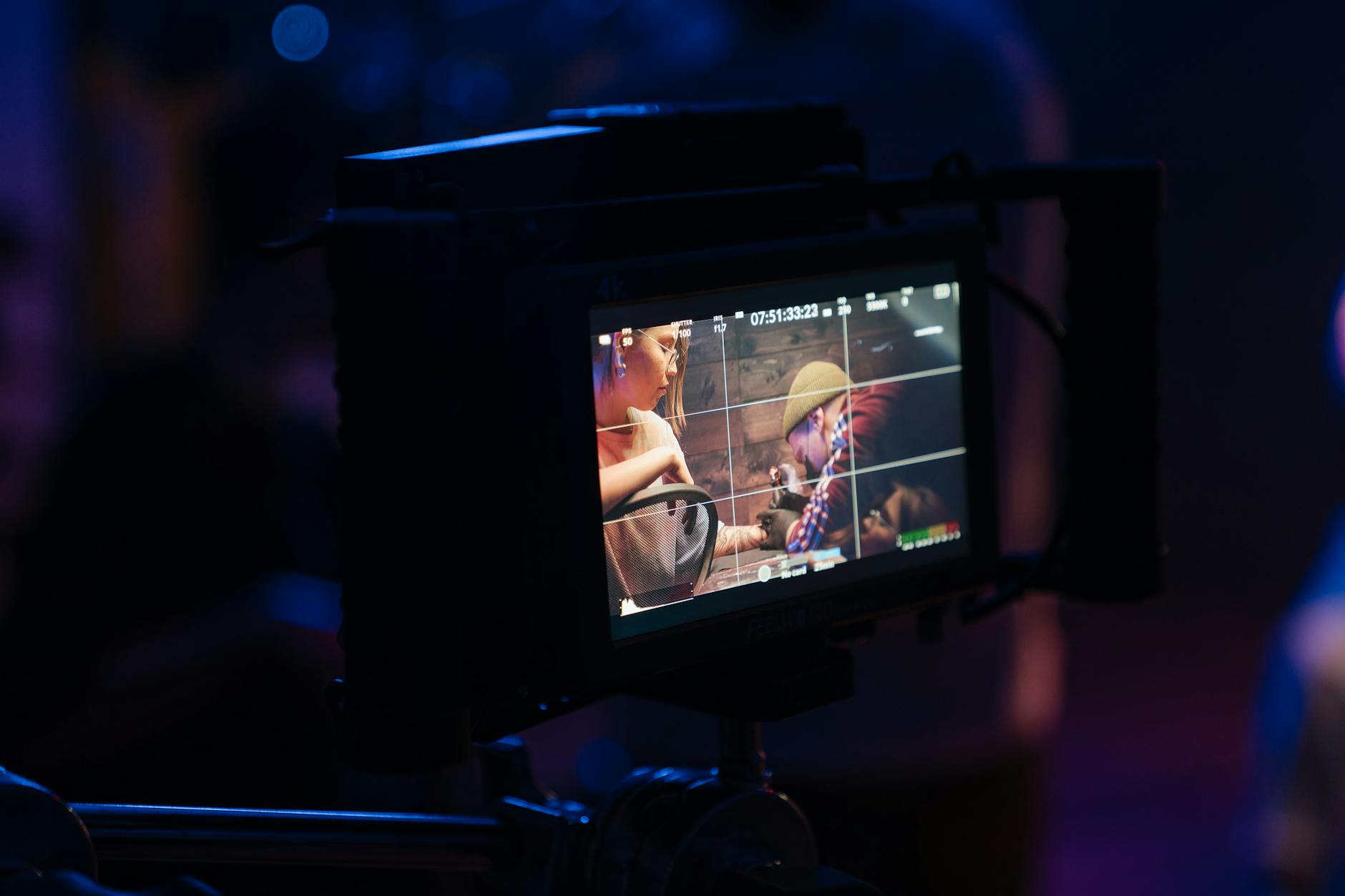
Additionally, Miami's multicultural audience demands content that resonates across diverse communities. Well-crafted corporate videos can be tailored to reflect local culture and values, strengthening community engagement and brand loyalty. As social media usage continues to grow, visually compelling videos allow businesses to stand out, drive traffic, and generate leads with immersive storytelling. Overall, the strategic use of corporate videos aligns with broader marketing objectives, enhancing both brand perception and business growth in Miami's vibrant economy.
Types of Corporate Videos Suitable for Businesses
Different types of corporate videos serve distinct strategic purposes, and selecting the right format is essential for maximizing engagement and achieving specific business objectives. Among the most effective options are brand stories, product demonstrations, customer testimonials, and event coverage. Each format requires tailored approaches to meet the unique messaging goals and target audience preferences.
- Brand Stories: These videos convey a company's history, mission, and core values, fostering emotional connections with viewers. Well-crafted brand stories help establish credibility and differentiate a business in a competitive market, particularly when they highlight authentic experiences and corporate culture.
- Product Demos: Demonstrating a product’s features and benefits through engaging visuals and clear narration can significantly influence purchase decisions. For businesses in Miami, these videos can showcase innovation and quality, resonating with local consumers and potential partners.
- Customer Testimonials: Impactful testimonials provide social proof and build trust. Featuring satisfied clients discussing their positive experiences helps validate the company's offerings and strengthens credibility among prospective customers.
- Event Coverage: Capturing conferences, seminars, or company milestones creates valuable content that highlights active engagement within the community and industry. These videos can boost visibility, attract future attendees, and showcase the company's leadership role in the local market.
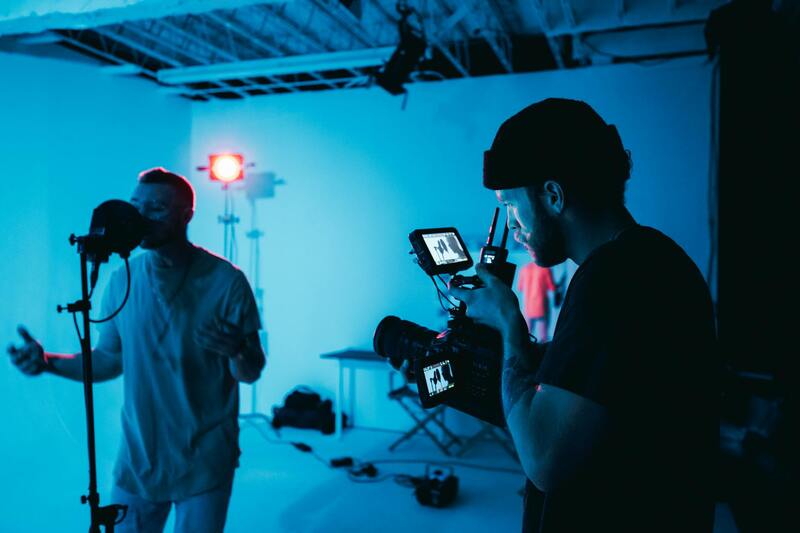
Choosing the Right Corporate Video Format
Deciding on the ideal video type depends on several factors, including target audience, marketing objectives, and available resources. For example, brand storytelling is suitable for establishing an emotional connection with viewers, while product demos are more technical and focus on functionality. Understanding the distinct advantages of each format ensures strategic alignment with overall branding and communication goals.
Aligning Video Content with Business Goals
Effective corporate videos must resonate with the company's core messaging and strategic vision. Whether the goal is to increase brand awareness, drive sales, or foster community engagement, the content should be crafted to support these aims. Clear messaging, compelling visuals, and a consistent tone are critical components in developing videos that contribute to long-term success.
Planning and Pre-production Process
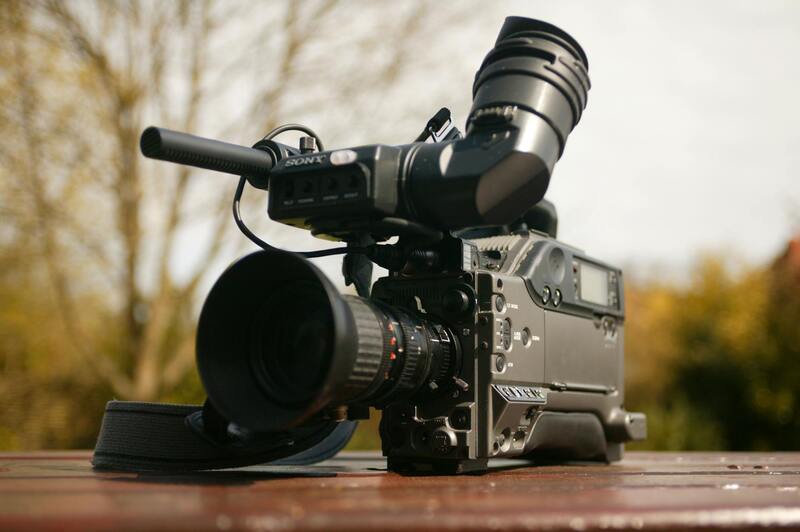
Effective corporate videos begin with a comprehensive planning phase that lays the foundation for a polished and impactful final product. This stage involves defining clear objectives aligned with overall marketing and branding strategies. Establishing the target audience helps tailor the messaging, tone, and style of the video, ensuring it resonates effectively with viewers. Additionally, identifying key messages and call-to-actions directs the storytelling and ensures the content drives desired responses.
Creating a detailed storyboard or shot list is crucial to organize scenes systematically, allocate resources efficiently, and communicate the vision clearly to all involved parties. Budget considerations, production timelines, and logistics also fall under this phase, allowing teams to coordinate location scouting, talent selection, and equipment needs meticulously. Collaborating closely with a creative team or a professional production partner ensures that every aspect aligns with the strategic intent and brand standards.
Production Best Practices in Miami
Executing a corporate video production in Miami requires adherence to best practices that optimize quality and efficiency. First, selecting suitable locations within the vibrant cityscape can add authenticity and visual appeal to videos. Proper lighting setup, sound recording, and the use of high-definition equipment significantly elevate the production value. Hiring experienced crew members who understand the nuances of corporate storytelling enhances the overall aesthetic and message delivery.
- Ensure all equipment is tested beforehand to prevent delays or technical issues.
- Maintain clear communication with talent and crew to facilitate smooth proceedings.
- Implement flexible shooting schedules to accommodate Miami’s dynamic environment and weather conditions.
Attention to detail during production, such as framing shots effectively and capturing natural lighting, enhances the professionalism of the video. Post-shoot reviews and immediate backups of footage are essential to preserve raw material for editing and refinement. Collaborating with local production companies familiar with Miami’s unique environments ensures adherence to best practices while capitalizing on the city’s dynamic visual assets.
Post-production and Editing Techniques
Post-production is where the raw footage transforms into a compelling corporate video. Skilled editing involves not only cutting and assembling scenes but also refining visuals through color correction, audio balancing, and adding visual effects that reinforce branding. Incorporating motion graphics, animated text, or infographics can clarify complex information and maintain viewer engagement. Ensuring pacing aligns with the narrative arc keeps audiences interested from start to finish.
Sound design plays a vital role; selecting suitable background music, sound effects, and voiceovers can evoke the desired emotional response. It’s important to maintain consistency with brand tones and messaging cues throughout editing. Also, optimizing videos for different distribution channels involves adjusting formats, resolution, and aspect ratios for platforms like social media, corporate websites, or presentations, ensuring maximum reach and impact.
Distribution Strategies for Corporate Videos
After completing editing, strategized distribution amplifies the reach and effectiveness of corporate videos. Leveraging a multi-channel approach—such as embedding videos on official websites, sharing via social media, and including in email marketing campaigns—ensures a broad audience engagement. Tailoring content for each platform involves understanding audience preferences and technical specifications to maximize visibility.
Hosting videos on reputable platforms with analytics capabilities provides insights into viewership patterns, engagement metrics, and shareability. Additionally, integrating videos into sales presentations, trade show displays, or internal communications can strengthen branding efforts internally and externally. Collaborating with seasoned marketing teams or agencies can optimize dissemination plans, ensuring content achieves its strategic goals in Miami’s competitive business environment.
Production Best Practices in Miami
In Miami, producing high-quality corporate videos demands meticulous attention to every phase of the filming process. Local climate conditions, such as frequent outdoor rain showers or intense sunlight, require careful scheduling and contingency planning to prevent disruptions. Employing weather-resistant equipment and setting flexible filming timelines helps ensure smooth production workflows. Selecting appropriate locations within Miami—ranging from iconic cityscapes and beaches to sleek office interiors—enhances the visual appeal and relevance of the content.
Engaging skilled local crew members—including directors, camera operators, lighting specialists, and sound technicians—ensures that production standards align with industry expectations. Miami's vibrant creative community provides access to professionals experienced in corporate storytelling, who can bring innovative ideas tailored to specific brand narratives. Equipment choices should prioritize high-resolution cameras capable of capturing sharp visuals, especially in diverse lighting conditions. Utilizing drones for aerial footage adds a dynamic perspective that showcases Miami’s distinctive skyline and scenic vistas.

Pre-production planning is crucial; detailed shot lists and storyboards help coordinate complex scenes and equipment setups. Effective communication with on-site talent and supporting staff ensures that all creative and technical elements align seamlessly. Employing local permits and adhering to city regulations prevent legal or logistical setbacks.
Post-production and Editing Techniques
The post-production stage transforms raw footage into polished corporate videos that resonate with intended audiences. Miami-based editing teams leverage advanced software to refine visuals, synchronize sound, and integrate branding elements. Color grading plays a pivotal role in establishing visual tone—whether aiming for sleek professionalism, vibrant energy, or approachable friendliness—aligning with the company’s identity.
Sound design remains critical; balance between dialogues, music, and sound effects ensures clarity and emotional impact. Incorporating subtitles or closed captions enhances accessibility, broadening the video's reach across diverse viewer segments. Motion graphics and visual effects can emphasize key messages or data points, making complex information more digestible.
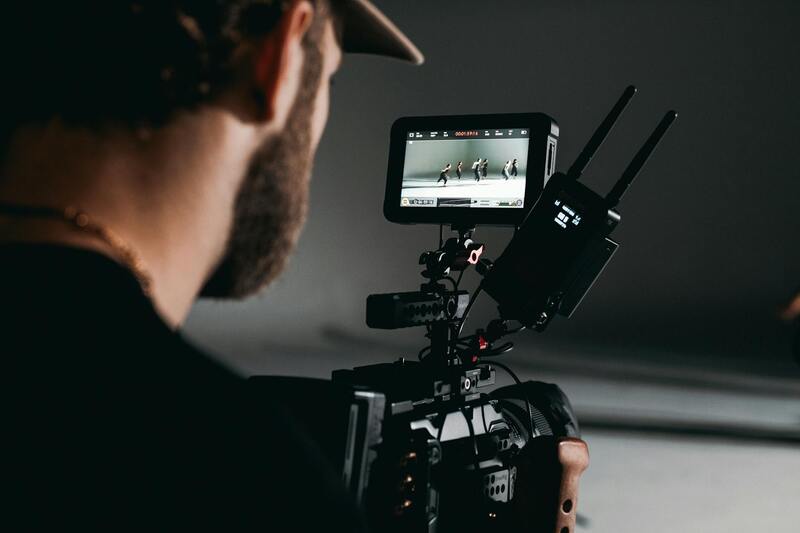
Mixing external and internal feedback during editing stages fosters alignment with strategic goals. Final formats should be optimized for various platforms; vertical videos for mobile consumption, widescreen formats for presentations, and adaptable resolutions for online sharing. Employing compression techniques helps maintain high quality across different distribution venues while minimizing load times.
Distribution Strategies for Corporate Videos
Effective dissemination of corporate videos is essential to maximize reach and impact within target audiences. Strategic distribution ensures that the crafted message resonates across multiple channels, heightening engagement and reinforcing brand presence. Businesses should consider a multi-platform approach tailored to their objectives and audience preferences.
Sharing videos on official websites and landing pages provides a controlled environment for direct audience interaction. Embedding videos within relevant blog posts or service pages enhances informational value and encourages longer site visits. Social media platforms, such as LinkedIn, Facebook, and Twitter, are powerful avenues for reaching diverse demographics quickly, especially when videos are optimized for each platform's specifications.
Utilizing email marketing campaigns is another effective method. Embedding videos in newsletters or dedicated email blasts can boost open rates and click-throughs, particularly when personalized content is incorporated. For extensive outreach, consider leveraging paid media options like targeted social media ads or sponsored content, which can be precisely aimed at specific industry sectors or regional audiences.
Embedding videos in online presentations, webinars, or virtual conferences can amplify their visibility within professional circles. Additionally, distributing videos through industry-specific online portals or partner websites helps extend reach within relevant networks. Ensuring videos are formatted for mobile devices is crucial, given the increasing consumption of content on smartphones and tablets.
Another vital aspect involves monitoring and leveraging analytics. Tracking viewer engagement metrics—such as view counts, watch time, shares, and click-through rates—provides insights into the effectiveness of distribution channels, informing future strategies. Reaching out through community forums or local business associations can also foster organic sharing and word-of-mouth promotion.
Ultimately, a comprehensive distribution plan emphasizes versatility, platform appropriateness, and continuous optimization to adapt to evolving consumption habits. This strategic approach ensures corporate videos not only reach the right audience but also achieve desired communication outcomes.
Optimizing Corporate Videos for Different Platforms and Audience Engagement
To maximize the effectiveness of corporate videos, it's essential to tailor content for various distribution channels and target audiences. Each platform has distinct requirements and viewer behaviors, which influence how a video should be formatted, styled, and presented.
For social media platforms like LinkedIn, Twitter, and Facebook, short-form videos that convey a compelling message within the first few seconds tend to perform best. These videos should be optimized for mobile viewing, with clear visuals and concise messaging to capture attention immediately. Including subtitles is also recommended, as many users watch videos without sound.
On YouTube and video hosting platforms, longer-form content such as detailed corporate overviews, case studies, or testimonials can deepen engagement and provide comprehensive insights into a company's offerings. High production quality, along with strategic keyword usage in titles and descriptions, enhances discoverability and viewer retention.
Emails and embedded website videos should prioritize quick load times and mobile responsiveness to ensure consistent viewer experience across devices. Incorporating clear calls-to-action within the videos guides viewers toward desired outcomes, whether signing up for webinars, requesting quotes, or visiting a website.
Another key aspect involves leveraging analytics tools to gather insights into viewer interactions. Data on viewer demographics, watch duration, and engagement patterns inform future content adjustments, ensuring that each video effectively resonates with its intended audience.
Best Practices for Audience Engagement and Content Refresh
- Create Interactive Content: Incorporate elements such as clickable links, annotations, or embedded surveys to foster interaction and gather valuable feedback.
- Maintain Consistent Branding: Use logo placement, color schemes, and messaging that align with your brand identity to reinforce recognition across all videos.
- Utilize Storytelling Techniques: Engaging narratives and real-world examples make technical or complex information more accessible and memorable.
- Update Content Regularly: Refresh existing videos with updated information or new visuals to keep your content relevant and engaging.
Ultimately, understanding audience preferences and consumption habits across different platforms allows companies in Miami and beyond to craft videos that not only inform but also inspire action. By aligning content strategy with platform specifications and viewer expectations, organizations can ensure their corporate videos achieve maximum impact and support overarching business objectives.
Production Best Practices in Miami
Executing high-quality corporate videos demands adherence to refined production practices that are tailored to the unique environment of Miami. The city’s vibrant culture, diverse settings, and dynamic business landscape provide an excellent backdrop for corporate storytelling. To leverage this setting effectively, production teams should prioritize meticulous planning, resource management, and adherence to professional standards throughout the filming process.
One foundational aspect involves selecting the right locations. Miami offers a wide range of visually striking environments, from downtown skyline views to picturesque beaches and lush parks. Securing permits for filming in public spaces is essential and should be arranged well in advance to prevent delays. Collaborating with local authorities and obtaining necessary clearances can ensure smooth operations and compliance with city regulations.
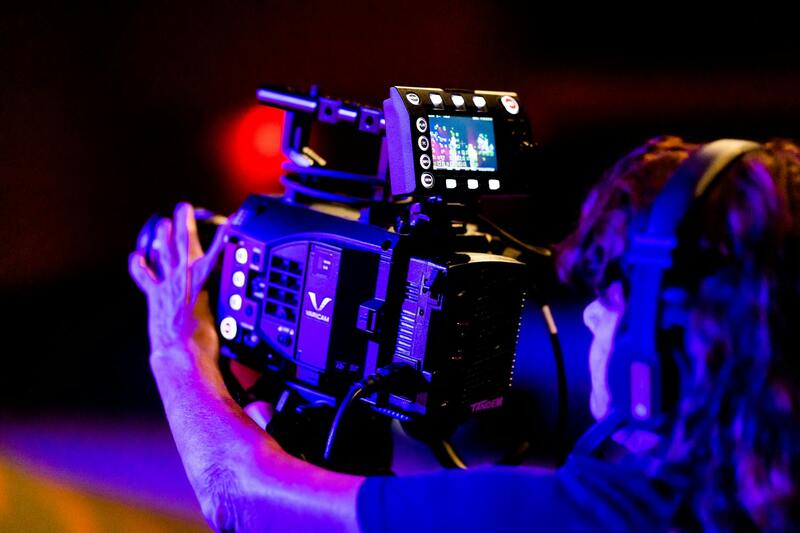
Equipment choice plays a crucial role in capturing professional-grade content. Utilizing high-definition cameras, stabilizers, and professional lighting equipment ensures clarity and consistency across shots. When filming outdoors, consider the Miami climate; weather-resistant gear and contingency plans should be in place to address sudden rain or wind, particularly during hurricane season or summer months.
Employing skilled crews familiar with Miami’s diverse locations contributes significantly to on-site efficiency. Experienced directors, camera operators, sound engineers, and lighting technicians can adapt to changing conditions and optimize footage quality. Posturing for natural light during the golden hours—early mornings and late afternoons—can add a warm glow to scenes, enriching the visual storytelling.
Effective sound recording is often overlooked but remains integral to production quality. Using wireless microphones and sound dampening techniques can mitigate Miami’s ambient noise, such as city traffic, ocean waves, or bustling crowds, ensuring dialogue and narration are clear and engaging. Additionally, securing permissions to access private property or commercial spaces in Miami before filming mitigates potential disruptions.
In post-production, adhering to professional editing standards is vital. Color grading, sound mixing, and visual effects should align with the brand’s aesthetic and the video's purpose. Incorporating Miami-specific visuals, such as local landmarks or cultural motifs, can create a sense of place that resonates with viewers.
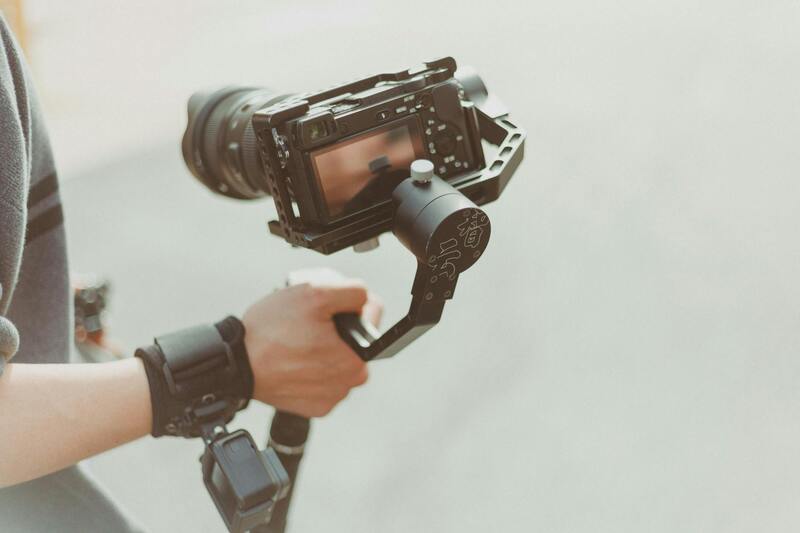
In summary, Miami’s distinctive environment requires tailored production approaches that emphasize planning, local cooperation, quality equipment, professional crew, and meticulous post-production work. These best practices collectively contribute to delivering compelling, high-impact corporate videos that effectively communicate your brand message.
Effective Methods for Distribution and Promotion of Corporate Videos
Maximizing the reach of your corporate videos requires a strategic approach to distribution and promotion that leverages legitimate channels and optimal practices. This ensures that your content not only reaches your target audience but also reinforces your brand’s authority and credibility. When planning this phase, focus on a combination of owned, earned, and paid media to amplify your message effectively.
Utilizing Owned Media Platforms
Existing company websites, blogs, and social media profiles serve as foundational platforms for sharing corporate videos. Embedding videos on your website’s landing pages enhances user engagement and provides visitors with immediate, relevant visual content. Regularly updating your blog with related stories or behind-the-scenes glimpses connected to the video content can deepen audience interest and foster brand loyalty. Additionally, optimizing video titles, descriptions, and tags for search engines improves organic visibility, driving more traffic to your site.
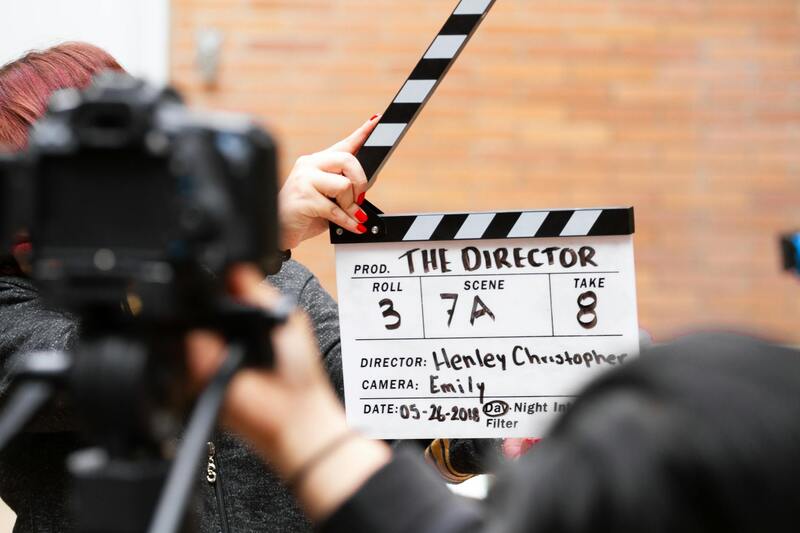
Leveraging Social Media Channels
Social media remains one of the most potent tools for corporate video distribution. Platforms like LinkedIn, Facebook, Twitter, and Instagram enable targeted sharing based on demographics, interests, and professional communities. Developing platform-specific content strategies—such as shorter clips for Instagram and detailed case studies for LinkedIn—enhances user engagement. Incorporating relevant hashtags, compelling thumbnails, and clear call-to-actions encourages viewers to share the content further, expanding its reach organically.
Engaging Media Partnerships and Influencers
Forming partnerships with relevant media outlets and industry influencers can significantly extend the reach of your corporate videos. Securing features in reputable industry publications or collaborating with influencers who align with your brand can introduce your content to broader, highly targeted audiences. These partnerships lend credibility and position your brand as a leader within your sector.
Investing in Paid Media Campaigns
Strategic investment in paid advertising ensures your corporate videos reach precise audience segments. Platforms such as Google Ads and social media advertising offer advanced targeting options—geographic, demographic, psychographic, and behavioral—that guarantee your content appears before the most relevant viewers. Utilizing retargeting techniques further reinforces your message by re-engaging users who have previously interacted with your brand, increasing the chances of conversion.
Monitoring and Adjusting Distribution Strategies
Employing analytics tools to track engagement metrics, viewer retention, and conversion rates is essential for refining your distribution strategy. Regular analysis can reveal which channels deliver the highest engagement, inform content optimization, and identify new opportunities for outreach. Adjustments based on data insights ensure sustained effectiveness and maximize the return on your investment in corporate video content.