
Understanding the Importance of Corporate Production Video
In today’s competitive business landscape, a well-crafted corporate production video serves as a vital tool for enhancing brand visibility, fostering trust, and communicating core messages effectively. For companies based in Miami looking to stand out locally and globally, investing in high-quality corporate videos offers a strategic advantage. These videos are not merely promotional materials; they function as dynamic platforms to showcase organizational values, introduce new products or services, and highlight success stories. In a marketplace saturated with digital content, a professionally produced corporate video captures the attention of potential clients, partners, and stakeholders, making a lasting impression that can influence purchasing decisions and strengthen brand loyalty.
From corporate training to investor relations, the versatility of corporate videos allows organizations to address diverse communication needs. They help internal teams align on company culture and objectives while simultaneously positioning the company as a leader in its industry. The visual and narrative elements of a corporate video simplify complex concepts, making information accessible and engaging. This is particularly important for Miami-based businesses that want to emphasize their local roots while highlighting their innovative and global outlook.
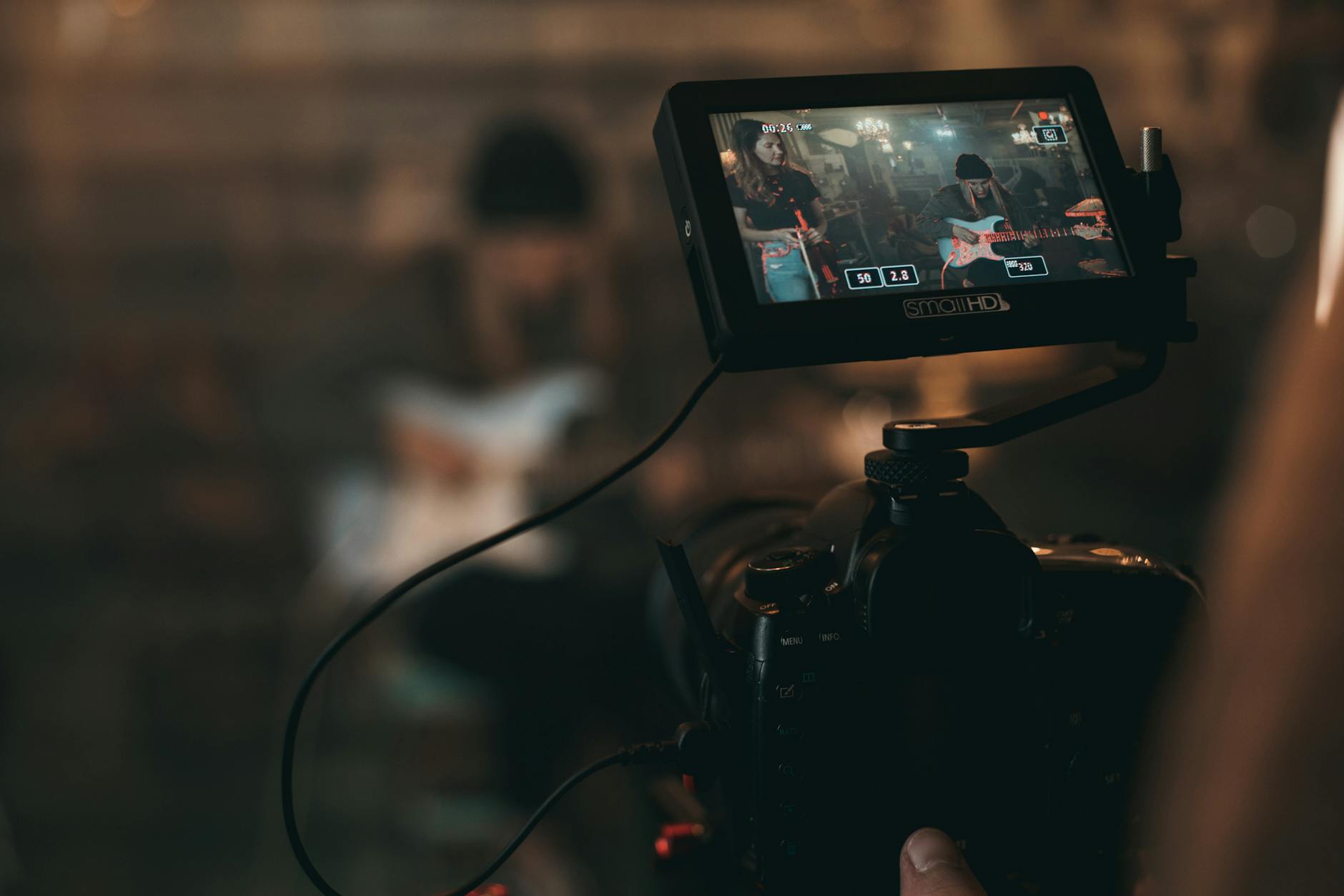
Furthermore, a compelling corporate video enhances search engine optimization (SEO) efforts by increasing website traffic and engagement metrics. When tailored correctly, these videos can be integrated into social media campaigns, email marketing, and corporate presentations to boost reach and effectiveness. As digital media consumption continues to grow, a strategic approach to corporate video production becomes indispensable for businesses aiming to maintain relevance and competitive edge in the Miami market.
Defining Objectives and Target Audience
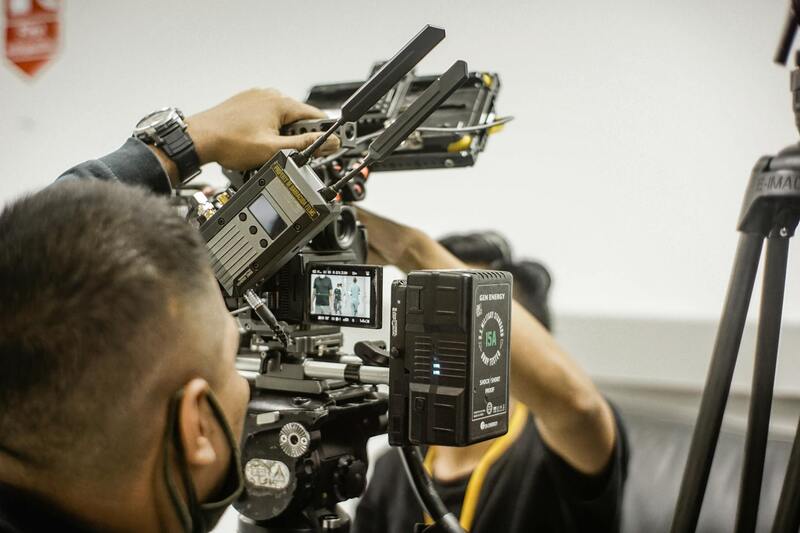
Establishing a clear set of objectives is fundamental to the success of any corporate production video. It involves identifying the primary purpose of the video, whether that’s to inform, persuade, train, or showcase a product or service. Clear goals guide the creative process and ensure that the final product aligns with overall business strategies.
In tandem with setting objectives, pinpointing the target audience is equally critical. This includes understanding demographic factors such as age, location, industry, and professional interests. Analyzing audience preferences, pain points, and viewing habits enables creators to tailor content that resonates effectively. For instance, a corporate video aimed at potential investors in Miami might emphasize local market strength, innovative capabilities, and growth opportunities, crafted in a tone that appeals to financially and strategically minded viewers.
Developing detailed audience personas can enhance messaging accuracy and engagement. These personas help shape the video's tone, language, and visual style, ensuring that the content speaks directly to the viewer's needs and expectations. When objectives and target audience are precisely defined, subsequent stages of production become streamlined, resulting in a compelling narrative that delivers measurable results.
Pre-Production Planning and Concept Development
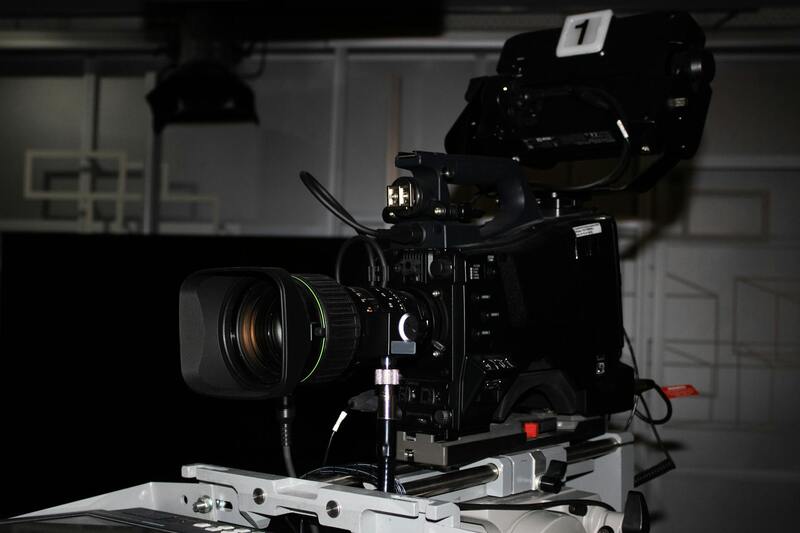
Effective pre-production lays the foundation for a polished corporate video. It begins with comprehensive research and scripting, focusing on the message that must be communicated and how it aligns with the company's brand voice. Collaborating closely with stakeholders ensures that the concept encapsulates the core ideas and resonates with the intended audience.
Storyboarding is a crucial step where visual sequences are mapped out, providing a blueprint for filming. This process helps identify logistical requirements, such as locations, talent, and necessary equipment, while also ensuring the concept is cohesive and compelling. Precise planning minimizes surprises during production, saving time and resources.
In addition, securing permits, scheduling shoots, and organizing resources—such as lighting, sound, and camera gear—are integral elements of pre-production. Attention to detail at this stage facilitates a smooth filming process, ultimately leading to a more professional outcome that meets the highest standards of quality.
Choosing the Right Production Style and Format
Selecting an appropriate production style is essential to convey your corporate message effectively and align with brand identity. Different formats serve various communication goals; for example, animated videos can simplify complex concepts, while documentary-style footage lends authenticity and transparency. Moreover, live-action formats typically evoke stronger emotional connections and demonstrate real-world applications.
Considering factors such as budget, desired aesthetic, and audience preferences helps determine whether to opt for a cinematic approach, interview-based videos, or a mix of formats. For Miami businesses seeking to emphasize their innovative spirit and vibrant local culture, integrating dynamic visual elements with engaging storytelling can set the video apart from competitors.
Video style choice also influences technical requirements, shooting techniques, and post-production workflows. A well-matched format ensures coherence in visual storytelling while maximizing viewer impact.

Understanding the Importance of Corporate Production Video
Creating a compelling corporate production video is a strategic endeavor that significantly influences a company's brand perception and communication effectiveness. These videos serve as a vital touchpoint for engaging stakeholders, showcasing products or services, and reinforcing corporate values. Precision in execution ensures that the final product resonates with the target audience, builds trust, and fosters lasting connections. High-quality corporate videos also amplify messaging clarity, allowing complex ideas to be communicated simply through engaging visual storytelling.

The importance of a well-crafted corporate production video extends beyond mere visual appeal; it encompasses authentic storytelling, strategic messaging, and professional execution. When audiences observe polished visuals combined with clear narratives, they are more likely to connect emotionally and retain the information presented. This form of communication can influence perceptions, inspire action, and elevate a company's position within its industry.
Furthermore, corporate videos act as versatile marketing tools that can be adapted across multiple platforms and channels, including websites, social media, and internal communications. This flexibility maximizes the reach and impact of your messaging, ensuring your brand maintains visibility and relevance in a competitive landscape.
Investing in professional production methods underscores the commitment to quality and excellence, reassuring stakeholders of the company's credibility and innovation. As a result, strategic corporate videos can effectively support business goals such as lead generation, brand awareness, employee engagement, and client retention.
Defining Objectives and Target Audience
Clear objectives form the foundation of any successful corporate production video. Whether aiming to educate, inspire, demonstrate, or promote, pinpointing specific goals guides the creative process, ensuring the content aligns with overarching business strategies. For example, a brand awareness video emphasizes visual storytelling that highlights company values and culture, while a product demonstration focuses on technical features and benefits.
Identifying your target audience is equally crucial. Understanding demographic characteristics, preferences, and viewing behaviors allows content creators to tailor messaging and visual elements for maximum resonance. A sophisticated, professional tone may appeal more to industry partners and investors, whereas a lively, engaging style might resonate better with younger or more dynamic audiences. Additionally, analyzing preferred viewing platforms, whether social media, corporate websites, or industry events, informs the production design and distribution plan.

Defining objectives and understanding the audience also impacts decisions related to the video's format, length, and content depth. A brief social media clip requires a different approach compared to an in-depth corporate training video. Ensuring alignment between purpose, audience, and format enhances the overall effectiveness of the produced content and maximizes return on investment.
Implementing thorough research and planning stages enables companies to craft messages that genuinely connect, fostering trust and engagement that translate into tangible business results. As part of this process, companies often employ surveys, interviews, and market analysis to gather insights that shape the creative direction of their corporate videos.
Film Production and Shooting Techniques
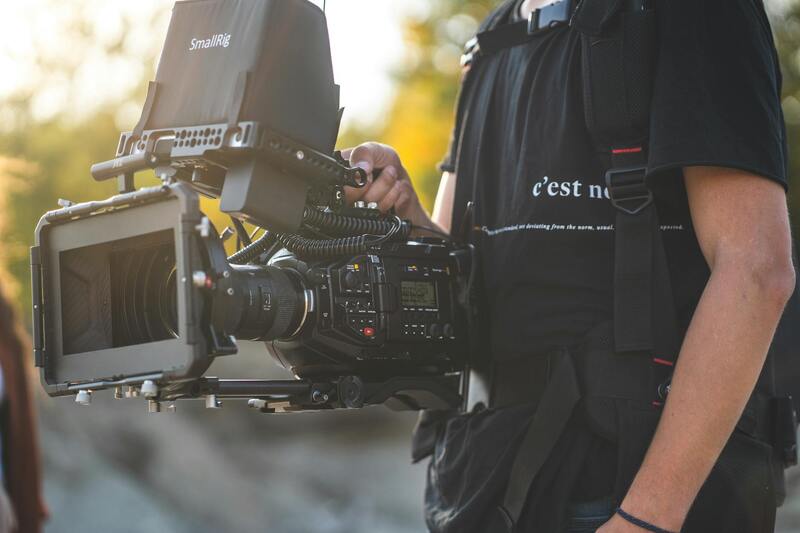
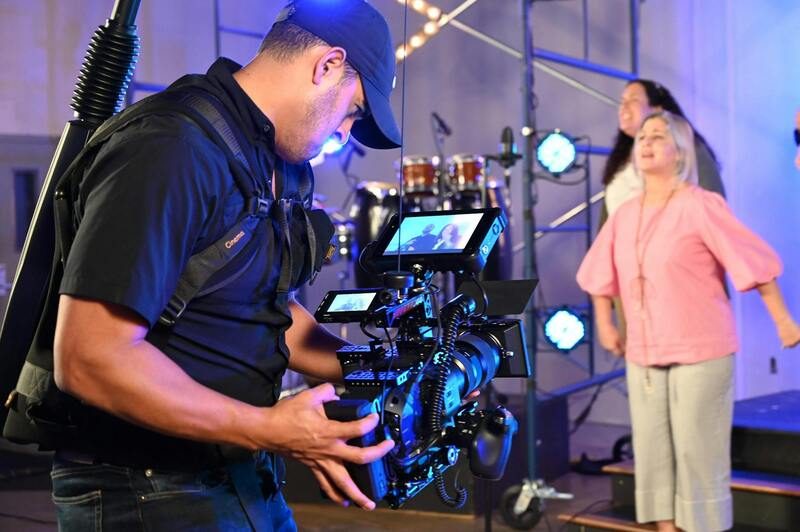
Executing a successful corporate production video necessitates employing precise filming techniques that enhance the message and uphold professional standards. Proper camera operation, lighting, and sound are fundamental components that create a polished and engaging final product. Advanced camera setups, including stabilized rigs and high-resolution sensors, enable smooth motion capturing and crisp imagery, which are vital for conveying corporate professionalism. Lighting techniques should be meticulously planned to illuminate subjects evenly and highlight key visuals without causing distracting shadows or glare, ensuring that visual clarity aligns with brand image.
Sound quality directly influences viewer perception, making the use of high-quality microphones and soundproofing vital during shoots. Clear, distraction-free audio supports voiceovers, interviews, and on-screen dialogues, maintaining viewer engagement and emphasizing key messages. Filmmakers often utilize multi-camera setups to capture different angles simultaneously, providing dynamic visuals and better coverage for editing versatility. For outdoor or on-location shoots, ensuring proper weather protection and controlling ambient noise are crucial for maintaining consistent visual and audio quality.

Incorporating aspect ratios suited for various distribution channels, such as widescreen for cinemas or social media-specific formats, is essential. Additionally, techniques like framing, rule of thirds, and depth of field help craft compelling visuals that draw viewers’ focus to your intended message. Skilled directors and cinematographers coordinate these elements seamlessly, utilizing their expertise to craft a cohesive visual narrative that aligns with your overall communication goals.
When filming, it is also important to be mindful of consistency in visual style and tone. This includes maintaining color schemes and branding elements throughout scenes to reinforce brand recognition. The choice of shot types—close-ups, medium shots, or wide angles—should support storytelling objectives, whether emphasizing emotional connection or providing comprehensive product views. Using these techniques thoughtfully ensures the captured footage lays a strong foundation for subsequent editing and post-production enhancements.
Choosing the Right Production Style and Format
Selecting an appropriate production style and format for a corporate production video is crucial in effectively communicating your brand message and engaging your audience. Different formats serve specific purposes, whether it's showcasing company culture, explaining complex products, or highlighting client testimonials. To make an informed choice, consider the narrative goal, target audience preferences, and the platforms where the video will be distributed.
Live-action footage remains a popular choice for conveying authenticity and human connection. It allows for storytelling through real people, environments, and real-time interactions, which helps establish trust and transparency. Documentary-style videos or interviews can add credibility, giving viewers insight into your company's values and expertise.
On the other hand, animated videos—ranging from 2D animations to more complex 3D models—offer a versatile approach for illustrating abstract concepts, processes, or innovative products. Animations can simplify technical information, making it accessible and engaging without the need for on-location filming or actors. They are especially effective in industries requiring detailed explanations, such as technology, finance, or healthcare.

Hybrid formats, which combine live-action footage with animated elements, are increasingly popular for delivering complex narratives in a visually compelling way. This approach allows brands to showcase real-world scenarios alongside illustrative graphics, creating a dynamic storytelling experience that captures attention and maintains viewer interest.
- Studio-produced videos: Perfect for polished branding, product launches, and executive messages that require a high level of professionalism and visual quality.
- On-location shoots: Ideal for demonstrating products or services within real environments, providing authenticity and context.
- Whiteboard or explainer animations: Effective for breaking down intricate information into understandable visual segments, useful in training or educational content.
- Testimonial videos: Focused on showcasing client or employee stories, adding a personal and relatable touch to your brand narrative.
When choosing the format, it's essential to align the style with your overall branding guidelines, messaging tone, and the emotional response you wish to evoke. Professional production teams can recommend the best approach based on your objectives, target demographic, and content distribution channels, ensuring the final product resonates meaningfully with viewers.
Legal and Ethical Considerations in Corporate Production Video
To ensure that your corporate production video meets all necessary standards and maintains integrity, adherence to official procedures is essential throughout the creation process. This involves meticulously planning and implementing methods recognized by industry best practices, which affirm the professionalism and authenticity of the content. Such methods include obtaining required permissions for locations and talent, securing licenses for any copyrighted music or footage used, and following established safety protocols during filming.
Effective management of intellectual property rights is crucial. This entails verifying the ownership or licensing status of all visual and audio assets incorporated into the video. Working with licensed stock footage providers or original content creators helps to prevent potential disputes that may arise from unauthorized use. Additionally, clear documentation of permissions and licensing agreements should be maintained as part of the production records.
When it comes to casting and on-screen talent, official agreements and releases should be secured. This ensures that all participants acknowledge and consent to how their images and statements will be used, safeguarding the production from potential legal complications. It is also important to respect privacy laws and confidentiality agreements, especially when dealing with sensitive corporate information or proprietary data.
Employing professional post-production techniques with verified assets further enhances authenticity. This includes employing reputable editing software and following industry-standard workflows to produce a clean, consistent, and high-quality final product. Color grading and visual effects should align with branding standards and the message’s tone, avoiding exaggerated modifications that could distort factual representation.
Legal and ethical compliance extends beyond the production phase; it also involves transparency in how the content is distributed and used. When deploying corporate videos across different channels, ensure that all accompanying materials and descriptions accurately represent the content. This helps build trust with viewers and reinforces the company's commitment to honesty and professionalism.
Ultimately, leveraging official methods in the development of corporate production videos not only safeguards the company’s reputation but also enhances viewer confidence. An explicit focus on compliance and integrity throughout every stage—from pre-production planning, through shooting, to post-production—ensures that the final product is both impactful and legitimately produced.
Ensuring Proper Use and Distribution of Corporate Production Video
Once a corporate production video has been developed with meticulous attention to detail and adherence to official methods, the focus shifts to its distribution. Implementing strategies that maximize reach while maintaining integrity and compliance is paramount for achieving a significant return on investment and reinforcing corporate messaging.
Prior to distribution, it is essential to verify that all content complies with internal standards, branding guidelines, and applicable industry regulations. This includes confirming that all accompanying materials such as captions, metadata, and descriptions accurately reflect the content of the video. Proper labeling and contextual information not only support transparency but also optimize search engine visibility, further broadening the video's reach across digital platforms.
Distribution channels should be selected based on thorough audience analysis. For instance, professional content can be strategically uploaded to platforms such as LinkedIn and industry-specific websites to target decision-makers and professionals. Meanwhile, engaging shorter clips on social media channels like Twitter, Facebook, or Instagram can increase brand awareness among a broader audience. Ensuring that videos are formatted appropriately for each platform preserves quality and enhances viewer engagement.

Additionally, leveraging email campaigns can be an effective way to reach existing clients and stakeholders directly. Embedding videos in newsletters or personalized messages can foster stronger connections and provide targeted messaging that aligns with audience interests.
To maintain authenticity and legal compliance, companies should use official channels for distribution, such as their corporate website, verified social media accounts, and authorized email lists. Avoiding unauthorized sharing or unverified platforms helps in preserving the integrity of the content and guards against misuse.
Utilizing analytics tools integrated within hosting platforms or third-party software allows companies to monitor engagement metrics, viewer demographics, and sharing patterns. These insights facilitate ongoing adjustments to distribution strategies, ensuring content remains relevant and impactful. Tracking performance also helps quantify the effectiveness of the video in achieving business objectives, ranging from brand positioning to lead generation.
Adhering to authoritative dissemination practices contributes to the consistent branding of corporate videos, fostering trust and credibility among audiences. Concurrently, maintaining a clear record of distribution methods and compliance measures provides an internal audit trail that supports accountability and helps address any concerns regarding content use.
Developing an Effective Distribution and Promotion Plan for Corporate Production Videos
Strategic distribution is essential to maximize the reach and impact of a corporate production video. Once a high-quality video has been created, it is crucial to distribute it through appropriate channels that align with the company's goals and target audience preferences. This ensures that the content resonates effectively, fostering engagement and driving the desired actions.
Leveraging Owned Media for Maximum Control
Utilizing owned media platforms is one of the most direct methods to ensure content authenticity and consistent branding. A company’s official website serves as a central hub where videos can be prominently displayed, providing visitors with immediate access to the latest corporate messages. Embedding videos within dedicated landing pages or the homepage boosts visibility and encourages visitors to explore further content, such as case studies, corporate missions, or service offerings.

Social media platforms offer additional avenues for engagement. Verified profiles on channels like LinkedIn, Facebook, Twitter, and Instagram enable companies to share videos with followers already interested in their brand. Tailoring the post descriptions and utilizing relevant hashtags can further enhance reach, attracting new audiences and potential clients.
Utilizing Mixed Media Distribution Channels
Beyond owned channels, earned media opportunities such as press releases or industry publications can expand the visibility of corporate videos. Distributing video content through reputable industry newsletters or partner websites can enhance credibility and foster strategic relationships. Paid media options, including sponsored posts and targeted advertisements, allow precise audience segmentation, increasing the likelihood of engagement from specific demographics or professional sectors.
Implementing Email and Direct Marketing Campaigns
Email marketing remains a vital component in corporate video dissemination. Incorporating videos into newsletters, personalized client updates, or stakeholder communications can significantly improve message retention and engagement rates. Ensuring the content is tailored to the recipient's interests and includes clear calls-to-action will optimize response outcomes.
Ensuring Content Security and Brand Consistency
Controlling where and how videos are shared preserves brand consistency and protects proprietary information. Companies should rely exclusively on official distribution channels, avoiding unauthorized sharing on unverified websites or third-party platforms. Digital rights management (DRM) tools or watermarking can be employed to safeguard content and verify authenticity, particularly when videos contain sensitive or proprietary information.
Monitoring and Analyzing Distribution Effectiveness
Employing analytics tools is vital for assessing how well the corporate video performs across different channels. Platforms like YouTube, Vimeo, or social media insights provide detailed metrics, including view counts, engagement rates, audience demographics, and sharing patterns. These insights allow businesses to refine their distribution strategies, focusing on the most effective channels and formats that resonate with their target market.

Tracking the performance of distributed videos helps justify the investment in content creation and guides future content development. Consistent monitoring and adjustments ensure that each corporate production video continues to serve its strategic purpose, whether it’s increasing brand awareness, educating stakeholders, or generating leads.
Optimizing Content Reuse and Repurposing
Repurposing existing videos for different contexts maximizes their value. Short clips extracted from initial recordings can be shared across social media, included in email campaigns, or used in presentations. This approach offers broader exposure without requiring additional production costs. Ensuring that all repurposed content adheres to the original branding and messaging standards maintains consistency and reinforces brand identity across all channels.
By implementing these distribution strategies meticulously, organizations can enhance the visibility of their corporate production videos, strengthen stakeholder relationships, and achieve measurable business outcomes. An integrated approach that combines owned, earned, and paid media ensures a comprehensive reach, making every video production a strategic asset in the corporate communication arsenal.