
Understanding Corporate Video Production
Corporate video production is a specialized process that involves creating visual content tailored to promote a company's brand, communicate messages, or showcase products and services. This multimedia approach leverages the power of visual storytelling to engage audiences effectively, whether targeting potential clients, investors, or internal stakeholders. For businesses based in Miami, harnessing professional corporate video production offers an opportunity to stand out in a competitive marketplace.
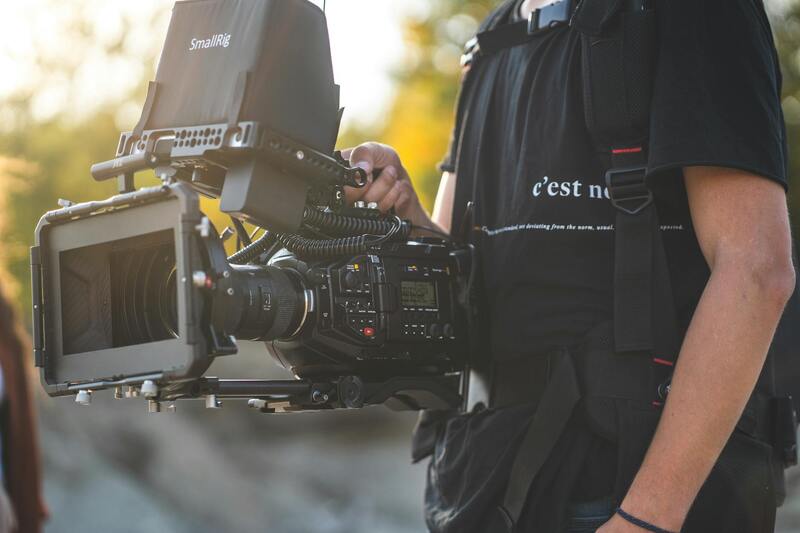
The purpose of these videos extends beyond simple advertising. They serve as powerful tools for internal training, onboarding new employees, explaining complex concepts, or enhancing corporate reputation. Well-crafted videos can build trust, demonstrate expertise, and foster a positive perception among viewers. In a vibrant business hub like Miami, such content can resonate with diverse audiences, from local partners to international clients.
Implementing corporate video production requires a strategic approach that aligns with the company's objectives. This involves planning content that communicates a clear message, selecting appropriate formats, and target demographics. When executed professionally, these videos not only increase brand awareness but also contribute to broader marketing efforts, lead generation, and customer retention.
Miami-based companies recognize the value of high-quality visual content in today's digital landscape. Professional corporate videos help businesses create a cohesive brand image, establish authority in their industry, and foster engagement with their community and beyond. The investment in professional production ensures that the final product is polished, credible, and capable of achieving the desired influence.

By choosing expert corporate video production, businesses in Miami can confidently communicate their story, showcase their offerings, and strengthen their market position. In the subsequent sections, we will explore the different types of corporate videos, the production process, key considerations for choosing a production partner, budgeting insights, and strategic best practices to maximize impact.
Steps in the Corporate Video Production Process
Successful corporate video production involves a series of meticulously planned phases that ensure the final product aligns with strategic goals and communicates effectively to the target audience. Each stage plays a vital role in delivering high-quality content that resonates with viewers and enhances the company's brand presence.
Pre-Production Planning
Pre-production is the foundation of any corporate video project. It begins with detailed discussions to understand the company's objectives, target demographic, and key messages. During this phase, scripting and storyboarding are developed to visualize the flow of content and identify necessary resources, such as locations, talent, and equipment. This planning stage also involves creating a comprehensive timeline and budget to stay on track and within financial parameters.

Production Phase
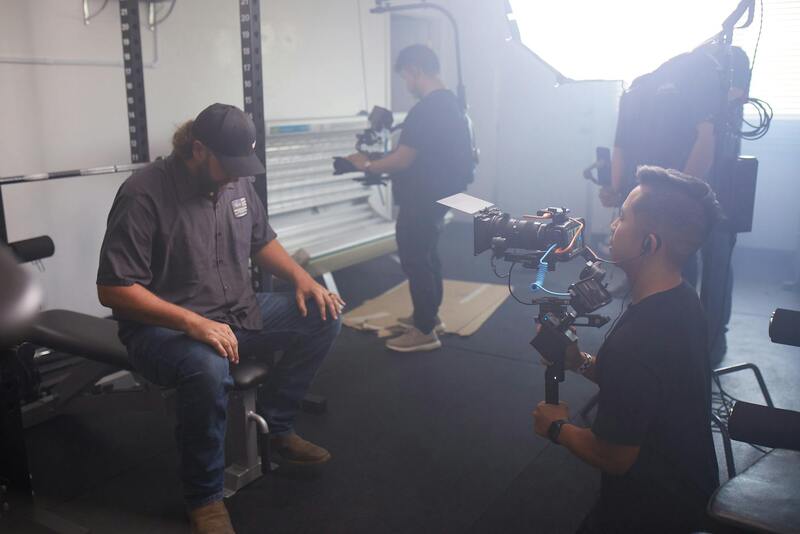
The production phase is where the conceived ideas come to life through filming, audio recording, and other onsite activities. It requires precise coordination of various elements, including lighting, camera angles, and sound quality, to capture professional-grade footage. Ensuring clear communication among the crew and adherence to the pre-set schedule guarantees efficiency and preserves the project's integrity. This phase is also an opportunity to implement any creative adjustments based on real-time observations.
Post-Production and Editing
After the shooting is complete, the editing process begins. Skilled editors work to assemble the footage into a coherent narrative, integrating graphics, animations, music, and voiceovers as needed. This stage is critical for refining the video's pacing, tone, and overall impact. Color grading and sound design are also essential to achieve a professional, cohesive look and feel. Effective post-production enhances message clarity and ensures the content remains engaging throughout.
Distribution and Optimization
Once finalized, the corporate video is prepared for distribution across suitable channels. This could include the company's website, social media platforms, internal portals, or presentations. Optimizing videos for various platforms involves adjusting resolutions, formats, and lengths to enhance engagement and reach. Monitoring viewer interactions and feedback provides insights for future content strategies and helps measure the effectiveness of the video campaign.
By adhering to each of these stages with professionalism and attention to detail, Miami-based businesses can produce impactful corporate videos that serve as powerful tools for brand communication, employee training, or client engagement. Selecting a partner with extensive experience across these phases is essential for achieving a polished, strategic outcome that advances organizational goals.
Legal and Compliance Considerations
When producing corporate videos, it's crucial to ensure that the content adheres to all applicable regulations and standards. This includes securing necessary permissions or licenses for locations, music, and other intellectual property. Proper documentation of releases from identifiable individuals appearing in the videos safeguards against potential disputes and ensures transparency. It is also important to verify that all content aligns with industry-specific guidelines, corporate policies, and branding standards. Maintaining an accurate archive of signed releases, scripts, and approval records can streamline the review process and provide clarity during audits or reviews.
Furthermore, companies should be mindful of privacy considerations, especially when capturing footage in private settings or involving sensitive information. Implementing strict data management practices helps protect personal and confidential information. Ensuring compliance with applicable advertising standards, trademarks, and copyright laws reinforces the professional integrity of the final product.
To mitigate risks, establish clear internal review processes before releasing the final cut. Incorporate input from legal advisors or compliance teams to review scripts, visual elements, and messaging. This layered approach to oversight guarantees that each video aligns with legal and industry standards, thereby safeguarding the company's reputation and ensuring a smooth distribution process.
In addition to legal oversight, staying informed about evolving regulations related to digital media, consent, and content accessibility can prevent setbacks after publication. Regular training for the production team on legal obligations and best practices also enhances overall compliance. By proactively addressing legal and compliance factors, organizations foster trust and credibility while maximizing the impact of their corporate videos.
Legal and Compliance Considerations in Corporate Video Production
Creating corporate videos involves navigating a complex landscape of standards and regulations designed to protect all parties involved while maintaining the integrity of the content. Ensuring that every element of a video, from scripting to final editing, aligns with established guidelines is essential for a seamless approval process and successful distribution.
One of the primary aspects to consider is the proper management of rights and clearances. All visual and auditory materials used must have the necessary permissions, especially when incorporating third-party content, proprietary images, or music. Documenting these permissions through signed releases and licenses helps prevent disputes and upholds transparency throughout the production journey.

Additionally, the script and visual elements should be reviewed meticulously for compliance with branding standards and regulatory requirements. This includes avoiding misleading claims, ensuring truthful representations, and adhering to advertising standards. Proper vetting in the early stages can mitigate the risk of costly revisions or retractions later in the process.
Respecting privacy considerations is another critical component, particularly when filming in sensitive or private settings. Securing consent from individuals appearing in footage and clearly informing them of how the content will be used demonstrates responsible storytelling and upholds ethical guidelines.
Involving legal or compliance teams during pre-production and post-production phases creates a robust review cycle. They can assess scripts, visual content, and messaging to flag any potential issues. This collaborative approach ensures that the final product not only resonates with the intended audience but also adheres to all relevant standards and policies.

Staying informed about evolving industry standards and regional regulations related to digital media, content accessibility, and data privacy is vital. Organizations should periodically update their knowledge base and provide ongoing training for their production teams to adapt to these changes proactively.
Regular audits and internal checks throughout the production process act as safeguards, allowing teams to identify and correct issues promptly. By maintaining rigorous documentation, seeking expert input, and adhering to best practices, companies can produce compelling corporate videos that reinforce trust, uphold their reputation, and achieve their communication goals effectively.
Ensuring Content Accuracy and Authenticity in Corporate Videos
Maintaining accuracy and authenticity is vital to producing corporate videos that resonate with audiences and reinforce credibility. To achieve this, organizations must prioritize factual correctness, truthful representation, and transparency throughout the production process. This involves verifying all script content, ensuring data and claims are backed by reliable sources, and avoiding embellishments that could distort the message.
Authenticity also extends to visual and auditory elements. This means showcasing genuine company culture, real employee stories, and authentic client testimonials. Filming in real settings rather than staged environments enhances credibility and fosters trust with viewers. When depicting products or services, precise demonstrations and honest portrayals help establish the company's integrity and reliability.

Another crucial aspect is transparency about the intent and purpose of the video content. Clear messaging about the company's mission, values, and commitments allows viewers to understand the intent behind the message, which further promotes trust and engagement. This honesty in communication is especially important when addressing sensitive issues or corporate social responsibility initiatives.
Implementing Quality Control Measures
Robust quality control processes help maintain high standards throughout the production cycle. This encompasses meticulous review of scripts, storyboards, and visuals to ensure consistency with brand messaging and technical quality. Conducting internal audits at different stages of production allows for early identification of errors or inconsistencies, facilitating timely revisions.
Utilizing professional editing and post-production techniques further refines the final product, ensuring clarity, cohesion, and overall polish. Attention to detail in aspects such as color grading, audio balance, and graphics enhances the viewer experience and reflects positively on the company's professionalism.
Protecting Sensitive Information and Respecting Confidentiality
When producing corporate videos, safeguarding confidential information is essential. This involves establishing data handling protocols, restricting access to sensitive content, and securing proper permissions from all involved parties. Clear communication about confidentiality expectations prevents unintended disclosures that could compromise the company's interests.
In scenes involving proprietary technology, trade secrets, or strategic discussions, additional safeguards—such as non-disclosure agreements and content review approvals—are recommended. Ensuring that only authorized personnel are involved in filming and editing processes protects company interests and maintains the trust of stakeholders.
Adhering to Regional Standards and Cultural Sensitivities
Regional differences in cultural norms, language, and societal expectations should be carefully considered during content development. Tailoring messaging to align with local customs and values can improve engagement and avoid misinterpretations. Conducting cultural sensitivity reviews helps identify and address potential issues early, ensuring the content resonates positively with the target Miami audience.
A strategic approach that respects regional nuances not only elevates the effectiveness of corporate videos but also demonstrates an inclusive, respectful brand image that values client and stakeholder diversity.
Legal and Compliance Considerations
When developing corporate videos, adhering to established procedures and official channels ensures compliance with industry standards and regulatory requirements. Respecting intellectual property rights is fundamental; this involves verifying ownership rights over any copyrighted content, including music, images, and footage, and obtaining necessary permissions or licenses prior to production. Proper attribution and licensing not only uphold legal standards but also protect the company from potential disputes.
Using official sources and verified media ensures accuracy and authenticity in your corporate messaging. Avoiding unauthorized or unverified content reduces the risk of misinformation and potential reputational damage. Documentation of permissions and content rights should be maintained meticulously, serving as a record of due diligence throughout the production process.
All aspects of your corporate video must align with applicable advertising standards, industry regulations, and internal policies. This includes ensuring that claims made in the video are substantiated and that disclosures are appropriately included, especially in videos related to products or services. Transparency in content fosters trust and demonstrates your commitment to honesty and integrity in communication.
Additionally, it is essential to implement rigorous review and approval processes involving key stakeholders. These processes help verify that the script, visuals, and messaging conform to legal standards and company policies before they reach the public. Incorporating legal consultation during scripting and editing phases can further mitigate risks and uphold quality standards.
Data privacy laws and content restrictions should be diligently observed, especially when including employee or client information. Clear consent must be obtained, and privacy protocols followed to protect sensitive information. This not only fosters ethical practices but also fortifies stakeholder trust and upholds the company's reputation.
In summary, the pathway to producing successful corporate videos within an authorized framework requires meticulous planning, respecting intellectual property, maintaining transparency, and aligning with relevant standards. These steps establish a solid foundation for creating compelling, trustworthy content that reinforces your brand’s credibility in the Miami market and beyond.
Legal and Compliance Considerations
When producing corporate videos, adherence to official procedures and standards is paramount to ensure the content aligns with all regulatory requirements. This involves securing proper licensing for copyrighted materials such as music, images, and video clips. Utilizing licensed assets guarantees that the content is legally sound and prevents potential copyright infringements that could lead to disputes or financial penalties.
Obtaining necessary permissions is also critical when featuring individuals or proprietary locations in videos. Explicit consent from employees, clients, or third parties provides clarity and safeguards the company against claims related to privacy infringement or misrepresentation. It is advisable to implement comprehensive release forms that outline how the footage will be used, shared, and stored.

Content accuracy and truthful representation are essential to maintain trust and uphold the company's integrity. All statements, claims, and testimonials included in the video should be substantiated with credible evidence, especially for promotional or product-related content. Transparency through clear disclosures about sponsored content or partnerships reinforces credibility with viewers.
In Miami, specific local ordinances and industry standards may govern aspects such as on-location filming permits, drone usage, and environmental considerations. Engaging with local authorities or industry associations can streamline the process and ensure compliance with city-specific requirements. Meticulous documentation of permits, approvals, and correspondence is recommended to maintain an official record of compliance efforts.
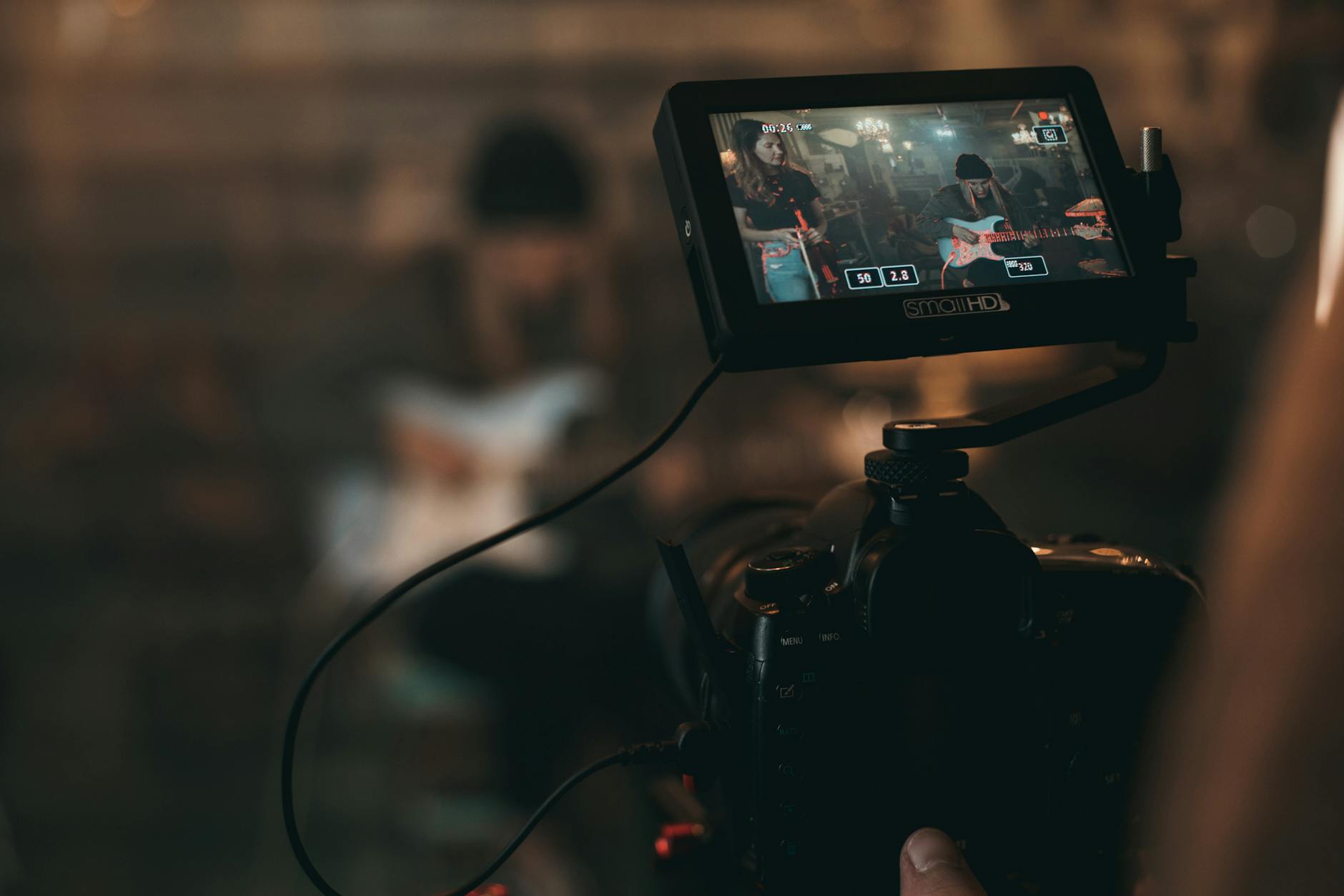
Implementing an internal review process that involves legal counsel, compliance officers, and key stakeholders helps to verify that all content adheres to standards before public release. This process includes reviewing scripts, visuals, and audio to identify and rectify any potential legal issues, ensuring the final product is fully authorized and compliant.
By systematically integrating these official procedures into the production cycle, businesses can avoid legal complications, protect their brand reputation, and guarantee that their corporate videos stand on a foundation of legitimate and responsible content creation.
Legal and Compliance Considerations
Adherence to official procedures during corporate video production ensures that all content aligns with established standards and regulations, safeguarding the integrity of the project. Securing all necessary permits before filming begins is a fundamental step—this includes location approvals, drone operation licenses, and adherence to environmental regulations. These permits are issued by local authorities and industry bodies, and maintaining meticulous records of approvals, correspondence, and documentation is essential for demonstrating compliance throughout the project.
Engaging with local governing bodies and industry associations can significantly streamline permit acquisition, especially when filming on public property or utilizing specialized equipment such as drones. Miami's vibrant environment and bustling urban spaces necessitate careful planning to avoid delays caused by procedural oversights. Involving professionals with experience navigating local regulations can prevent costly disruptions and ensure that the production adheres to all legal expectations.
In addition to permits, comprehensive internal review mechanisms play a critical role in maintaining compliance. Content should undergo evaluations by legal counsel, compliance officers, and key stakeholders to identify and mitigate potential issues. This review process includes scrutinizing scripts, visual elements, and audio tracks for sensitive or regulated content, such as intellectual property rights, trademarked material, or restricted topics.
Clear disclosures are also integral, especially when incorporating sponsored content, testimonials, or third-party endorsements. Transparency not only enhances credibility but also aligns with industry standards and best practices for truthful advertising and content integrity. Well-documented review procedures and approvals serve as proof of due diligence, reinforcing the company's commitment to responsible content creation.
Furthermore, organizations should stay informed about Miami's industry-specific protocols—such as noise ordinances, environmental guidelines, and neighborhood notification requirements. Constant communication with local authorities and adherence to established procedures minimizes the risk of legal complications and project delays.

Ultimately, integrating these official and documented procedures into the production workflow protects the brand's reputation and affirms its commitment to producing content responsibly. Ensuring full compliance not only facilitates smooth project execution but also demonstrates professionalism and respect for local regulations, which is vital in fostering trust with viewers, clients, and regulatory bodies alike.