
Understanding the Role of an Interview Videographer
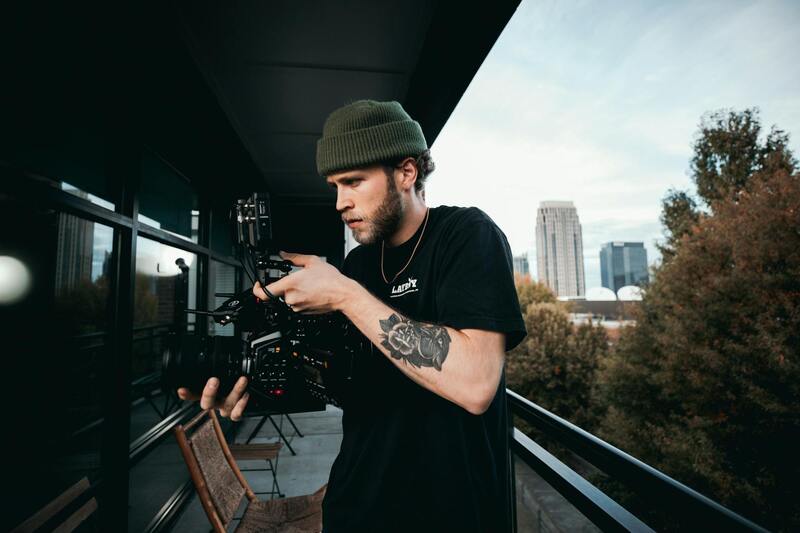
An interview videographer serves a crucial function in the production of multimedia content, focusing on capturing high-quality footage of interviews that are essential for documentaries, corporate videos, news segments, and promotional materials. Their responsibilities extend beyond simply operating a camera; they are intimately involved in planning the visual presentation, ensuring the ambiance matches the message, and that the technical aspects such as lighting, sound, and framing optimize the interviewee’s message.
Expertise in this role requires a broad set of skills, including technical proficiency with various filming equipment, an understanding of storytelling to highlight key messages visually, and the ability to adapt quickly to changing environments. A skilled interview videographer must also possess excellent communication skills to coordinate with interviewers, interviewees, and production teams, ensuring that the footage aligns with the overall production goals.
In practice, an interview videographer must have a keen eye for detail, an understanding of composition, and a creative approach to lighting and sound. These elements are vital for creating engaging visual content that resonates with viewers. They should also be capable of managing multiple tasks simultaneously, from setting up gear and testing equipment to troubleshooting unexpected technical issues on the spot.
Achieving a successful interview capture involves preparing meticulously—studying the subject matter, understanding the context, and planning the visual style. The videographer’s role is not only technical but also aesthetic, making sure that the footage tells a compelling story while maintaining clarity and professionalism. Their work lays the foundation for the subsequent editing process, ensuring that the narrative flows seamlessly and that the final product communicates its intended message effectively.
Given the importance of these responsibilities, selecting a qualified interview videographer is essential for any media project. A professional should demonstrate a portfolio of previous work, a solid understanding of technical standards, and the ability to work under tight deadlines. Their expertise directly impacts the quality of the final product, making their role indispensable in producing meaningful, engaging interview content.
Understanding the Role of an Interview Videographer
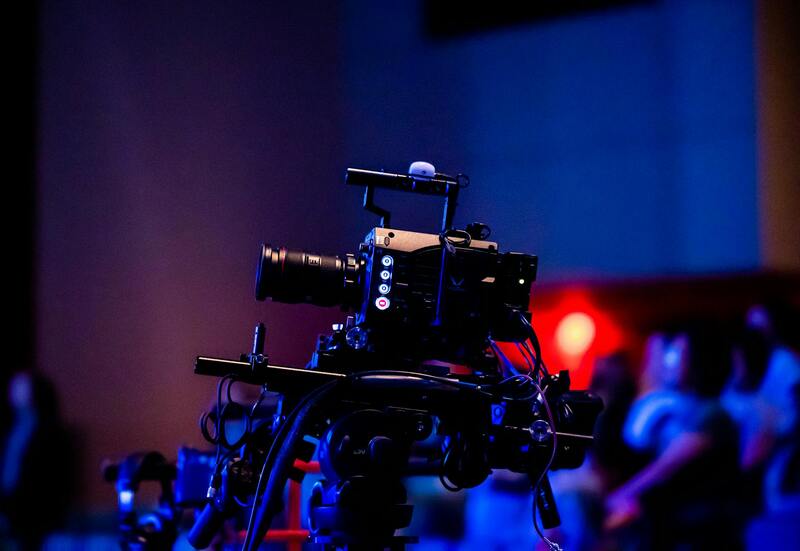
An interview videographer plays a crucial role in capturing compelling visuals that effectively communicate the intended message of an interview. Their responsibilities extend beyond merely operating a camera; they are responsible for translating verbal content into a visual narrative that captivates audiences. This involves a blend of technical skill, artistic sense, and excellent communication to coordinate with interviewers, interviewees, and production teams seamlessly.
One of the core functions is selecting appropriate shot types and angles that enhance the story while maintaining clarity and engagement. The videographer must be adept at framing subjects in a way that highlights emotions and body language, thereby adding depth to the content. In addition, they are tasked with managing lighting setups that complement the environment and ensure that the subject is well-lit, avoiding shadows or glare that could detract from the video’s quality.
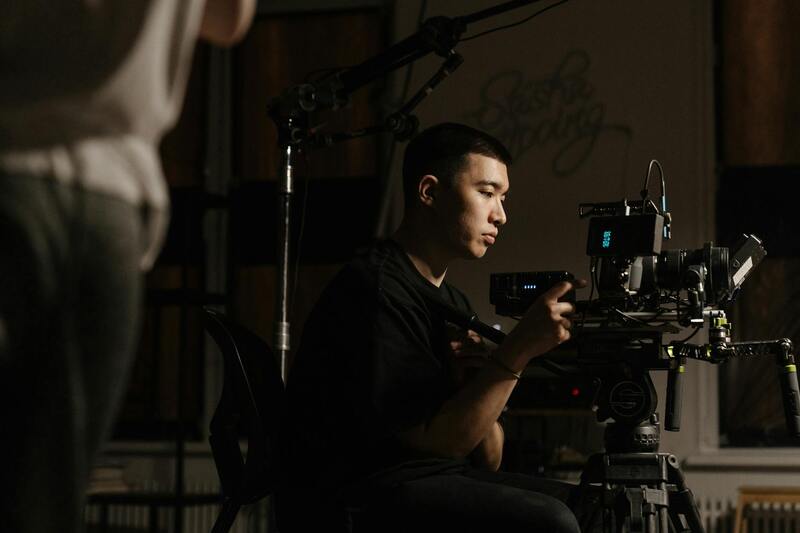
Sound quality is equally important. The videographer ensures that audio recording equipment is correctly calibrated and functioning, capturing clear dialogue without background noise interference. This often involves making micro-adjustments during filming to optimize sound, especially in unpredictable acoustic environments.
Preparation is fundamental to success. A professional interview videographer thoroughly researches the subject matter, understanding the context and key messages to be conveyed. This allows for better planning of visual styles and shot sequences. They also prepare backup equipment, such as additional batteries, memory cards, and spare gear, to handle unforeseen technical issues efficiently.
Technical proficiency is a given, but creativity also influences the quality of the final product. An effective videographer creatively uses lighting, composition, and ambient elements to add visual interest. Moreover, they adapt quickly to changing circumstances, troubleshooting on the spot whether it’s handling equipment malfunctions or adjusting camera settings based on lighting conditions.
The work of an interview videographer directly impacts the storytelling process. The footage they produce forms the foundation for post-production, ensuring that scenes transition smoothly and that the visual tone aligns with the project’s objectives. Their expertise guarantees that the footage is not only visually appealing but also aligns with the narrative flow and emotional tone of the interview.
Choosing the right professional involves assessing their portfolio for prior interview projects, evaluating their technical skills, and ensuring their capacity to meet tight deadlines. An experienced videographer brings a nuanced understanding of visual storytelling, technical excellence, and adaptability—traits essential to producing high-quality interview content that resonates with viewers and effectively communicates the desired message.
Understanding the Role of an Interview Videographer
An interview videographer plays a pivotal role in capturing compelling visual content that authentically reflects the interviewee’s message and personality. Their primary responsibility is to create high-quality footage that supports storytelling, whether for corporate videos, documentaries, or promotional content. This involves not just technical proficiency with filming equipment but also a keen understanding of how to best present individuals in a way that resonates with viewers.
Their expertise extends to managing lighting setups that flatter the subject and environment, choosing appropriate angles that add depth and interest, and controlling sound quality to ensure clear audio. An interview videographer must be adept at planning shot sequences, managing camera movements, and adjusting settings on the fly to accommodate changing conditions. They often collaborate with directors, producers, or clients to interpret the vision of the project and translate it into visual form.
Additionally, they need to be attentive to details such as background clutter, distractions, and non-verbal cues that can influence the overall perception of the footage. Their work begins well before filming starts — including site visits and equipment preparation — and continues through post-production, where footage is edited into a polished final product. The ability to tell a story visually by selecting the most powerful shots and maintaining a coherent narrative arc is what sets skilled interview videographers apart.
Key Qualities and Skills to Look for in an Interview Videographer
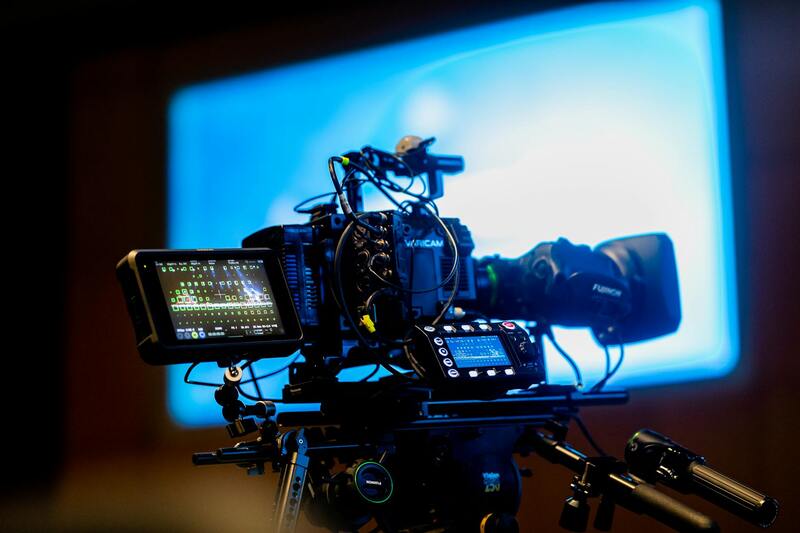
When seeking an interview videographer, certain qualities and skills are essential to ensure the final product meets your expectations and project requirements. Technical mastery is fundamental: a thorough knowledge of camera operation, lighting, and sound equipment ensures footage is crisp, well-lit, and clear. But beyond technical skills, creativity plays a critical role in how effectively they can craft engaging visual narratives.
Adaptability is equally important; a professional videographer should be able to quickly address unforeseen issues such as sudden lighting changes, equipment failures, or shifting interview dynamics. Strong communication skills are necessary for understanding your vision and providing guidance during the shoot. An intuitive understanding of framing, composition, and shot selection allows the videographer to capture meaningful moments naturally.
Another crucial trait is professionalism, which encompasses punctuality, reliability, and the ability to work efficiently under pressure. Organizing a portfolio that demonstrates experience with diverse interview projects is a strong indicator of their capability. Additionally, a good interview videographer maintains an organized workflow, manages equipment meticulously, and adheres to deadlines—factors that contribute to a seamless production process.
Effective Strategies for Collaborating with Your Interview Videographer
Once you have selected a qualified interview videographer, fostering a productive working relationship is crucial to achieving high-quality results. Clear communication from the outset sets the foundation for a smooth production process. Discuss your vision comprehensively, including the tone, style, and key messages you wish to convey through the interview. Providing detailed mood boards, scripts, or shot lists can help align expectations and avoid miscommunications.
Establishing a detailed shot plan is a valuable step. This should include the preferred interview setting, framing preferences, and specific angles that highlight the interviewee's expressions. Sharing any relevant background information about the interview subject or the context ensures the videographer can prepare adequately and capture meaningful content.
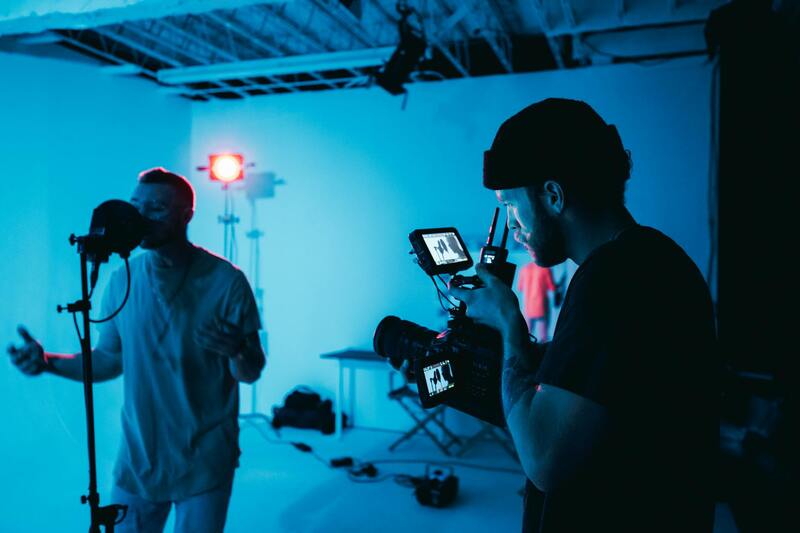
During the shoot, maintain open dialogue. Provide timely feedback on the footage to guide the videographer in adjusting lighting, framing, or sound parameters. If adjustments are needed, articulating your preferences clearly can significantly improve the final output. Respect their professional judgment, especially regarding framing and composition, as experienced videographers often have valuable insights into what will enhance the narrative.
Post-production is another critical phase of collaboration. Discuss editing preferences beforehand, such as the desired pacing, transitions, and any specific graphics or text overlays. Clarify the expected deliverables—whether it is a short promotional clip, full-length interview, or multiple versions for different platforms. Providing examples of prior work you admire can serve as effective references for the editing process.
Throughout the project, maintaining professionalism and flexibility helps resolve any unforeseen challenges efficiently. Whether it's technical difficulties or creative adjustments, a collaborative approach ensures that the final video reflects your goals and exceeds expectations.
Effective Communication and Collaboration During the Editing Process
Once the filming phase concludes, the collaborative effort shifts to post-production. Clear communication with your interview videographer during this stage is essential to ensure the final product aligns with your expectations. Articulating your preferences regarding editing styles, pacing, and any visual or textual enhancements helps streamline this process. Providing specific feedback on rough cuts is invaluable; it allows the videographer to make precise adjustments, whether related to sound levels, color grading, or the addition of graphics.
Key Post-Production Elements to Consider
- Audio Enhancement: Ensuring all spoken content is clear and balanced, with background noise minimized or eliminated.
- Color Correction: Adjusting lighting inconsistencies and applying color grading to create a polished look that enhances the interview's mood.
- Transitions and Graphics: Incorporating smooth transitions and relevant graphics or text overlays can improve viewer engagement and understanding.
- Thumbnail and Titles: Creating compelling thumbnails and titles tailored for different platforms optimizes reach and engagement.
Final Delivery and Format Considerations
Discuss the formats in which your interview videos will be delivered to ensure compatibility across your intended platforms. High-resolution files are crucial for archival purposes and potential future edits. Additionally, ask about the possibility of receiving multiple versions—such as shorter clips for social media or subtitles for wider accessibility. Clearly defining these deliverables in advance minimizes revisions and accelerates the project completion.
Assessing the Quality of Your Final Interview Video
Once the editing process concludes, review the video meticulously. Check for audio clarity, visual consistency, and adherence to the original brief. Does the story flow naturally? Are the visuals engaging? Confirm that all technical specifications meet your expectations. If necessary, discuss minor adjustments promptly to avoid delays. High-quality final products should be visually compelling, emotionally engaging, and aligned with your strategic goals for the interview.
Choosing the Appropriate Equipment for Interview Videography
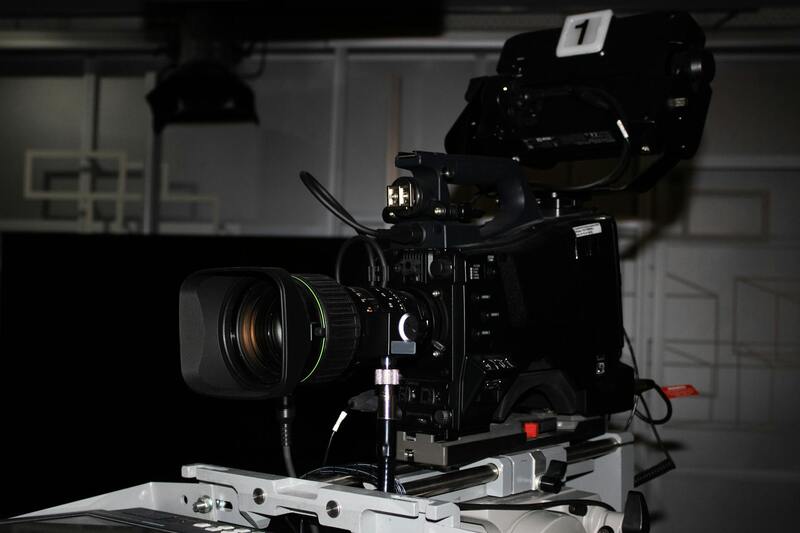
Selecting the right equipment is fundamental to capturing high-quality interview footage that meets professional standards. An expert interview videographer will utilize a suite of specialized tools designed to optimize image clarity, sound quality, and overall production value. Frame rates, resolution settings, and camera stabilization are meticulously managed to produce smooth, clear visuals. High-definition cameras are typically employed to ensure sharp details, especially when close-up shots of speakers are involved.
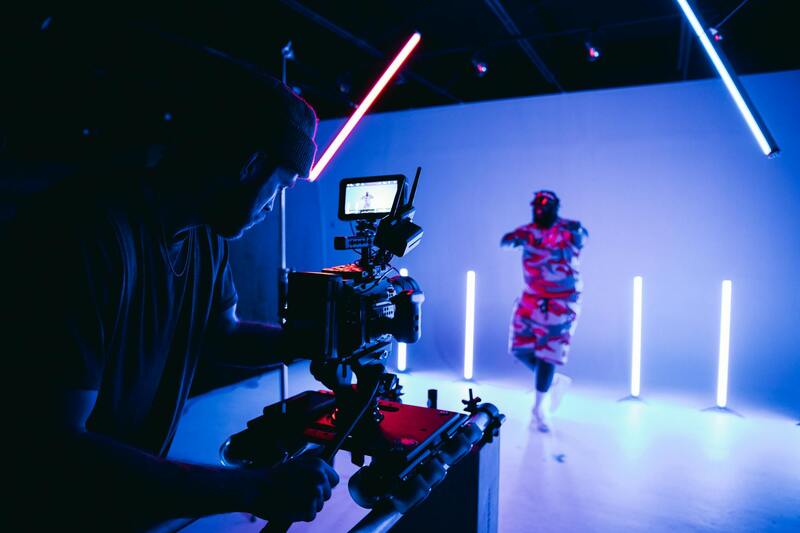
Audio equipment is equally critical. Directional microphones such as shotgun mics and lapel (lavaliere) microphones are standard to capture crisp audio while minimizing background noise. Proper audio synchronization and the use of windshields or windjammers can significantly improve sound clarity in outdoor or noisy environments.
Lighting Techniques to Enhance Interview Visuals
The use of appropriate lighting equipment profoundly influences the visual tone of the interview. Soft, diffused lighting creates flattering and distraction-free images, which is achieved through softboxes or ring lights. When filming in less controlled environments, portable lighting kits allow the videographer to adjust intensity and angle to maintain consistent illumination. Proper lighting also separates the subject from the background, adding depth and visual interest.
Understanding Camera Angles and Framing
Effective framing and camera angles contribute to the storytelling aspect of an interview. A skilled videographer will employ a variety of angles—such as medium shots, close-ups, and over-the-shoulder perspectives—to create visual variety and emphasize key points. Maintaining eye-level shots ensures natural engagement with the audience, while strategic use of focus and depth of field directs attention appropriately.
Additional Equipment and Accessories
- Tripods and stabilizers to maintain steady shots
- Backdrop and setting accessories to create professional environments
- Multiple lenses to adapt to different framing needs
- Portable power solutions to ensure uninterrupted filming
All equipment choices depend on the interview’s context, location, and desired aesthetic. A comprehensive understanding of camera and audio gear allows the videographer to adapt quickly to on-site challenges and produce consistent, high-quality footage.
Understanding the Role of an Interview Videographer
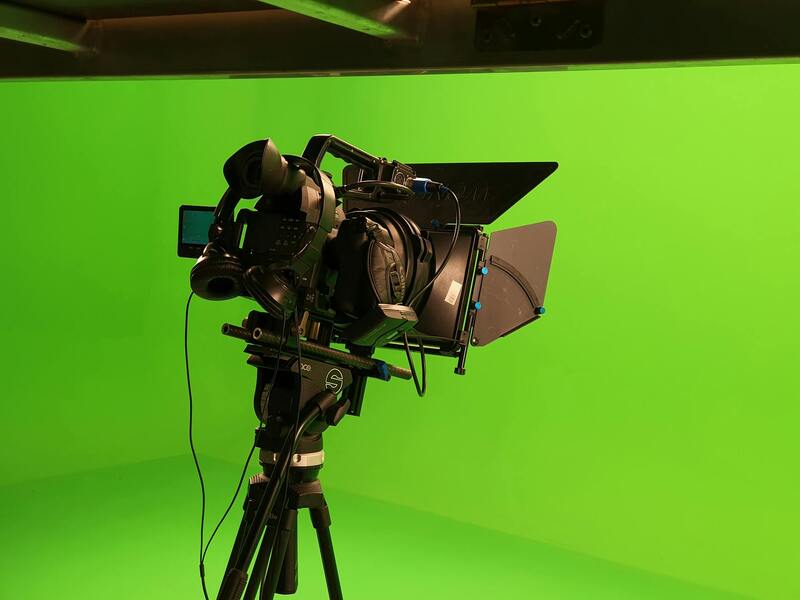
An interview videographer plays a pivotal role in capturing compelling visual narratives that effectively communicate the subject's message. Their responsibilities extend beyond mere recording; they serve as storytellers who interpret the script into visually engaging footage. This involves a deep understanding of audiovisual techniques, storytelling principles, and technical expertise in handling sophisticated equipment. The videographer must be adept at managing various environments, from controlled studio settings to dynamic outdoor locations, ensuring high-quality results regardless of circumstances.
Success in this role depends on a comprehensive grasp of both the technical and artistic aspects of videography. They coordinate closely with clients or producers to understand the interview’s objective, tailor their approach accordingly, and execute with precision. Skillful framing, effective lighting, and clear audio capture are essential to produce professional-grade content that resonates with viewers. The videographer's adaptability and attention to detail ultimately determine the impact and credibility of the final product.
Key Qualities and Skills to Look for in an Interview Videographer
- Technical proficiency: Mastery of camera operation, lighting, and sound equipment to ensure clear visuals and audio.
- Storytelling ability: An eye for composition and narrative flow that enhances the interview’s message.
- Adaptability: Flexibility to handle diverse environments and unexpected challenges efficiently.
- Professionalism: Punctuality, reliability, and clear communication throughout the project.
- Attention to detail: Meticulous in framing, lighting, and sound to produce polished footage.
- Creativity: Innovative in using camera angles and lighting techniques to add visual interest.
Preparing for an Interview Videography Session
Preparation is crucial to the success of any filming session. It involves meticulous planning of all technical and logistical aspects, including location scouting, equipment checklists, and understanding the interview subject’s requirements. Confirming the set-up details, such as lighting, background, and camera positions, minimizes unexpected issues during filming. Pre-session meetings with the client or interviewee facilitate alignment on the interview’s goals, preferred tone, and specific shots.
Ensuring all necessary permits and permissions are obtained if shooting in public or private spaces is essential to avoid interruptions. A well-organized schedule that allocates time for setup, shooting, and breaks helps streamline the process. Additionally, preparing backup equipment and testing all gear before the shoot ensures continuity and reduces risks associated with technical failures.
Questions to Ask When Hiring an Interview Videographer
- What is your experience with producing interview videos similar to our project?
- Can you provide samples of your previous work or a demo reel?
- What equipment do you use, and how do you ensure high-quality audio and visuals?
- How do you approach lighting and framing in various environments?
- Have you worked with clients in our industry or with similar interview formats?
- What is your typical turnaround time for editing and delivering the final product?
- Can you describe your process for collaborating and incorporating feedback?
- What are your rates, and what is included in your service package?
Best Practices for Filming Interviews
Effective interview filming hinges on careful execution of several key practices:
- Establish clear eye contact: Position the camera at eye level to create a sense of connection and authenticity.
- Use the rule of thirds: Frame the subject away from the center to create a balanced and engaging composition.
- Control lighting: Ensure even, soft lighting that highlights the interviewee’s features without harsh shadows.
- Minimize environmental noise: Use directional microphones and soundproofing measures whenever possible.
- Maintain stability: Utilize tripods or stabilizers to prevent shaky footage and maintain professionalism.
- Capture multiple angles: Record additional shots from different perspectives to add visual variety in editing.
Post-Production and Editing Considerations
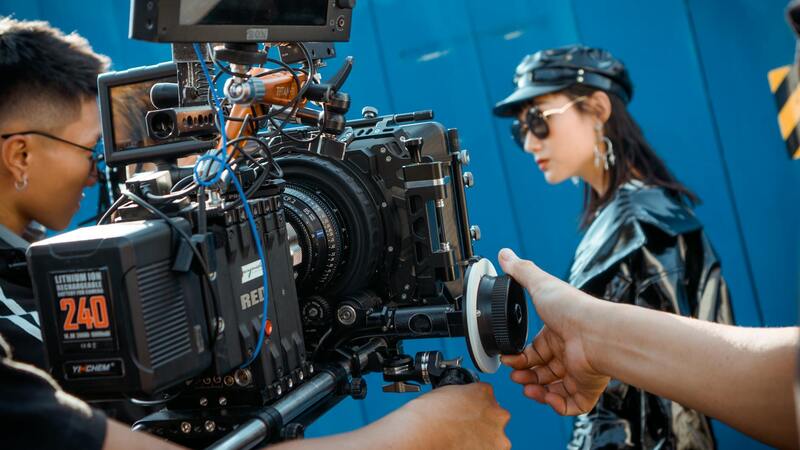
Editing transforms raw footage into a compelling narrative. Selecting the best takes, refining pacing, and incorporating visuals or graphics to emphasize key points are critical steps. Color correction and audio balancing enhance visual appeal and clarity, ensuring the interview appears professional and polished. Employing consistent branding elements, such as intros, outros, and subtitles, can reinforce the video's purpose and maintain viewer engagement.
It’s important to collaborate closely with the editor or post-production team to ensure the final product aligns with the original vision and meets project objectives. Incorporate client feedback at appropriate stages to finalize the footage. The goal is to deliver a seamless, engaging interview video that supports the client’s communication goals effectively.
Working Effectively with an Interview Videographer
Establishing a productive partnership with your interview videographer is essential to achieving footage that aligns with your vision and fulfills your project goals. Clear communication from the outset lays the foundation for success, ensuring that both parties understand the scope, style, and technical requirements of the shoot. Sharing a detailed brief that includes desired visuals, tone, and key messages helps the videographer prepare adequately. Regular check-ins during pre-production facilitate adjustments, clarify expectations, and foster collaboration.
Providing comprehensive background on the interview subject, context, and intended audience guides the videographer in tailoring their approach. It’s beneficial to discuss preferred interview formats—whether classic, narrative-driven, or conversational—as well as logistical considerations like location, timing, and available equipment. Transparency about budget constraints or specific constraints enhances planning efficiency and helps prevent misunderstandings.
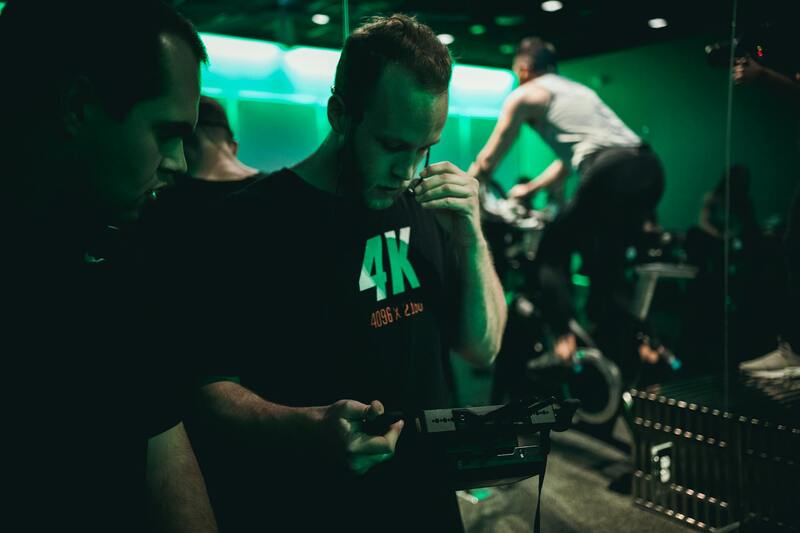
During the actual filming, active involvement from the coordinator or client can be invaluable. Providing on-set feedback positively influences the outcome, especially regarding framing, lighting, and sound. Respecting the videographer’s expert guidance while voicing your preferences creates a balanced environment conducive to creativity and efficiency. Post-shoot, scheduling a review session allows for immediate feedback and necessary adjustments before final editing.
Furthermore, understanding and respecting the videographer’s workflow and professional judgment fosters a collaborative atmosphere. Being receptive to their suggestions about shot composition or technical techniques can enhance the overall quality of the footage. Ensuring timely delivery of assets, such as logos, branding elements, or reference materials, expedites the editing process and helps maintain consistency across the final product.
Ultimately, a professional, communicative approach to working with your interview videographer elevates the entire production, resulting in a polished, impactful video that effectively communicates your message while showcasing the videographer’s expertise.