
Planning and Pre-Production for Video Interviews
Initiating a high-quality video interview begins long before the camera rolls. A comprehensive planning and pre-production phase ensures that every element aligns with your objectives, audience, and the unique cultural landscape of Miami. Clear goal-setting establishes the foundation, whether the aim is to showcase executive insights, promote a local event, or enhance brand awareness within Miami's vibrant market. Articulating these objectives guides subsequent decisions related to content, style, and distribution.
Identifying the target audience is equally critical. Understanding demographics, preferences, and viewer expectations in Miami allows producers to craft content that resonates. Whether the audience comprises local business leaders, residents, or international viewers, tailoring the messaging enhances engagement and effectiveness.
Crafting interview questions is a strategic process. Questions should be open-ended to encourage detailed responses and tailored to the interests and cultural context of Miami. Incorporating local references, industry-specific topics, and current trends ensures relevance. This preparation involves thorough research about the interviewee's background and their influence within Miami’s diverse community.
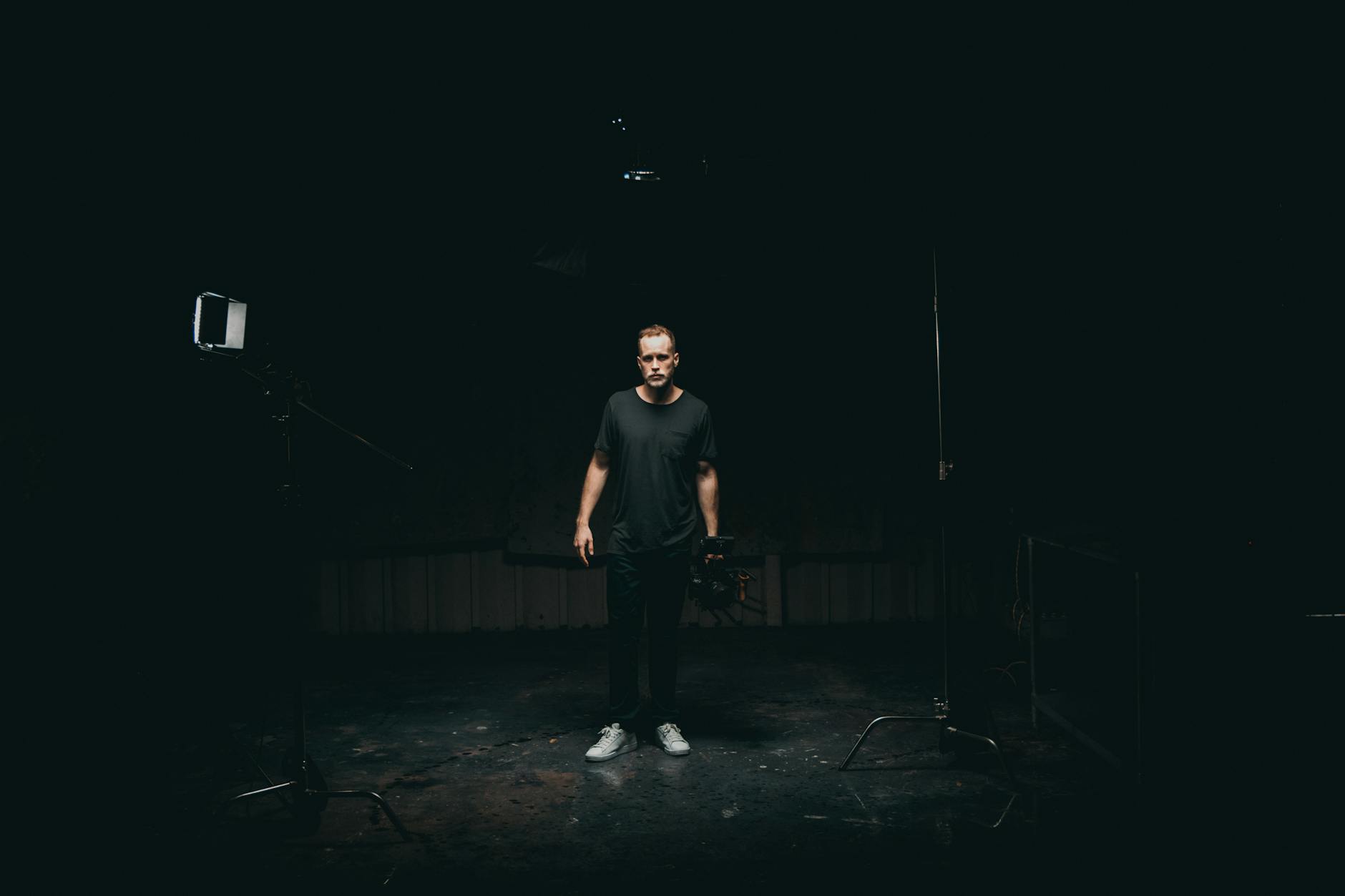
During pre-production, logistics such as scheduling, securing permits, and arranging for necessary resources are meticulously organized. Establishing a timeline guarantees efficient use of time and resources, minimizing unforeseen disruptions during the shoot. Collaborating with local talent, experts, or influencers can further elevate content and authenticity, especially when targeting specific Miami demographic segments.
Effective planning also encompasses deciding on the style and tone that best fit the brand and audience. Whether opting for a corporate, casual, or documentary approach, this decision influences wardrobe choices, set design, and the overall visual narrative.
Preparing a detailed shot list and storyline ensures the production remains focused and efficient. It provides a blueprint for camera operators and interviewees, facilitating smooth execution on the day of filming. Integrating this structured approach with an understanding of Miami's cultural and environmental nuances contributes significantly to the video's success, making sure that every element from the setting to the dialogue aligns with the intended message.
Details on choosing suitable filming locations in Miami and selecting professional equipment to ensure high-quality audio and video capture for interviews
Identifying the optimal filming location in Miami plays a crucial role in conveying the desired mood and message of the interview. Authentic Miami settings, from vibrant urban landscapes to serene waterfronts, can significantly enhance visual appeal and contextual relevance. When selecting a location, consider factors such as ambient noise levels, available natural light, accessibility, and the background scenery's alignment with the interview's theme. Popular venues might include iconic Miami streets, stylish studios, or outdoor spots that showcase the city’s unique character, all while respecting permits and scheduling considerations.
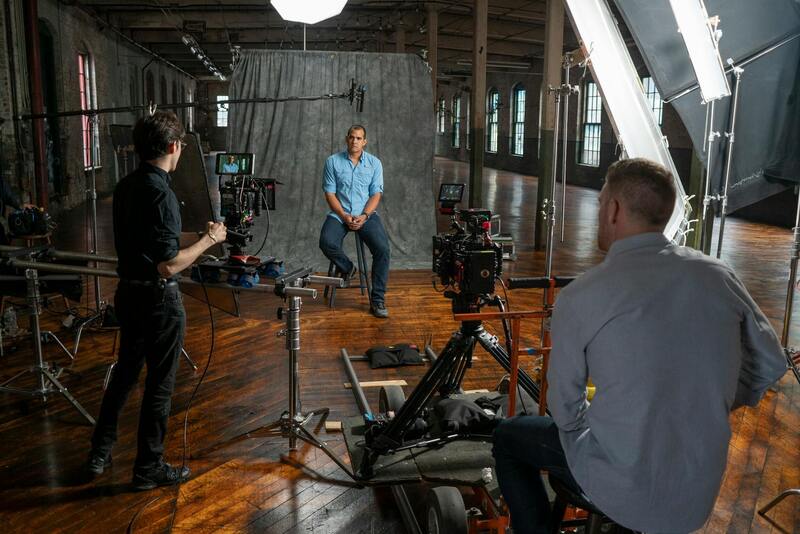
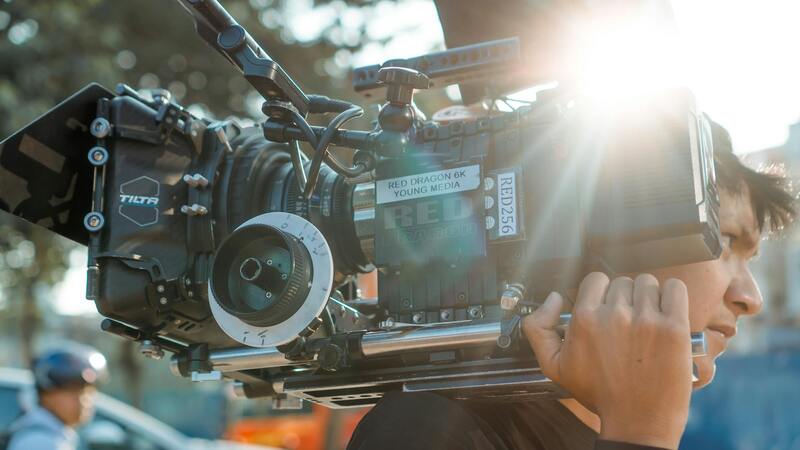
High-quality equipment is essential to capture the essence of Miami's vibrant atmosphere. This involves utilizing professional-grade cameras capable of handling variable lighting conditions to produce crisp, detailed footage. For audio, shotgun microphones or lavalier options help isolate voices amidst bustling city sounds, ensuring clarity and intelligibility. Tripods, stabilizers, and lighting kits are equally vital, enabling smooth shots and appropriate illumination regardless of environmental challenges. Incorporating portable power sources and reliable backup gear minimizes potential disruptions, maintaining production flow even in unpredictable outdoor settings.
Effective equipment selection ensures that the production values match the energy and professionalism associated with Miami content. Employing cutting-edge technology translates into footage that stands out on digital platforms, engaging audiences and reinforcing brand credibility. Collaborative coordination between the production team and local vendors can streamline sourcing and ensure access to specialized equipment tailored to the unique demands of Miami’s diverse shooting environments.
Lighting and Sound Optimization
Achieving optimal lighting and sound quality is vital for a professional-looking and engaging video interview. Proper lighting setup ensures that the subject is clearly visible, highlights facial expressions, and reduces unflattering shadows that can distract viewers. For indoor settings, softbox lights or LED panels with adjustable brightness and color temperature are recommended to provide even illumination. When shooting outdoors or in variable lighting conditions, reflectors and diffusers help control natural sunlight, avoiding harsh shadows or overexposure.
Sound quality is equally crucial, as audio clarity directly impacts viewer engagement and comprehension. Employ directional microphones such as shotgun mics to focus on the interviewee's voice, minimizing background noise. Lavalier microphones, clipped discreetly onto clothing, can capture consistent audio even when the subject moves or shifts position. To mitigate ambient sounds, consider situating the interview in quieter environments or using soundproofing accessories like portable sound booths or acoustic panels.
It is essential to conduct a thorough soundcheck before recording. Adjust microphone placement to optimize pickup while avoiding plosives and rustling noises. Using windshields and pop filters further refines audio quality, especially in outdoor settings exposed to wind or environmental noise. Additionally, monitoring audio levels throughout the shoot prevents distortion or unintended volume fluctuations. Reliable recording devices with backup systems safeguard footage and ensure no data loss occurs, maintaining the integrity of the interview content.
Interview Techniques and Engagement
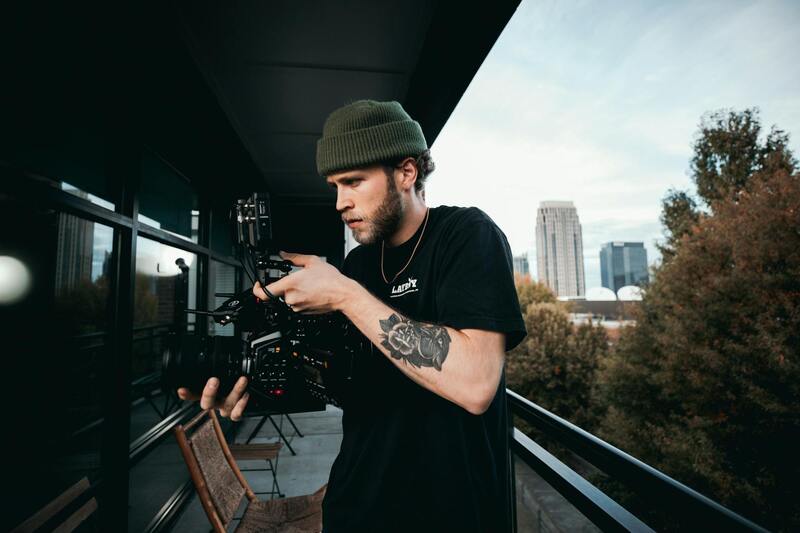
Engaging interview techniques significantly influence the quality and impact of the final video. Effective interviewers foster a comfortable atmosphere, encouraging authentic responses and natural dialogue. Open-ended questions prompt deeper insights and storytelling, making the content more relatable for audiences. Maintaining eye contact and active listening conveys genuine interest and helps establish rapport, which translates into more compelling footage.
To keep interviews dynamic, vary your shot composition by incorporating different angles and close-ups. This visual diversity maintains viewer interest and highlights emotional cues. Additionally, incorporating visual aids or relevant B-roll footage during the interview can add context and visual appeal, making the final product more engaging and informative.
Preparation is key; researching the interviewee thoroughly enables tailored questions that resonate with their expertise or story. Rehearsing key points and anticipating follow-up questions facilitate a smooth flow, reducing nervousness or hesitation during filming. During the shoot, give interviewees clear instructions and encourage natural speaking style, avoiding overly scripted responses that can detract from authenticity.
Ensuring Proper Permissions and Clearances
Securing accurate permissions and rights is fundamental in professional video interview production to respect all stakeholders involved. Before filming begins, obtain explicit consent from all participants to avoid any misunderstandings or disputes. This involves providing clear information about how the footage will be used, shared, and stored, fostering transparency and trust.
It is essential to have written agreements or release forms that detail the scope of usage, including permitted distribution channels and promotional activities. These documents serve as legal proof of permission, simplifying the post-production process and safeguarding against potential issues that could arise from unauthorized use of likeness or content.
When working with sensitive or proprietary content, additional considerations include securing rights for any third-party materials integrated into the interview, such as logos, copyrighted media, or branded visuals. Proper licensing or permissions should be documented for all supplemental assets incorporated into the final video.
Furthermore, understanding the nuances of contract scope helps outline where and how the final content can be used, preventing misunderstandings post-release. Clear communication about these aspects also underscores professionalism, instills confidence in clients, and streamlines the editing and distribution phases.
Implementing Data Privacy Standards
Data privacy is an integral component of effective video interview production, especially when handling personal or sensitive information. It is crucial to adhere to established standards for safely managing and storing participant data, including uploaded footage, interview recordings, and personal details.
This process involves establishing secure digital storage solutions with restricted access, encrypting sensitive files, and implementing robust data management protocols. Regular audits and compliance checks ensure that privacy measures are adhered to, minimizing the risk of breaches or inadvertent disclosures.
Participants should be fully informed about how their data will be used, and consent should be obtained explicitly for any storage or sharing beyond the initial interview. When broadcasting or distributing the content, augment privacy protocols by removing identifiable personal information if not relevant to the core message, thereby prioritizing ethical content management.
Adhering to Industry Standards and Best Practices
Maintaining high-quality production standards is essential for impactful and trustworthy video interview content. This involves following best practices for all phases, from pre-production to post-release. For example, using professional-grade audio and visual equipment ensures clarity and visual appeal, while thoughtful framing and lighting contribute to a polished look.
Consistency in branding, style, and messaging helps reinforce your organization's identity and credibility. In addition, staying informed about technological developments, editing techniques, and emerging distribution channels allows production teams to leverage the latest advancements for maximum audience engagement.
Regular training and adherence to industry guidelines also foster a culture of continuous improvement. This approach not only enhances the quality of the final product but also builds confidence among clients, stakeholders, and viewers that the content has been produced respecting current standards of excellence.
Ensuring Proper Permissions and Releases
Securing proper permissions is a fundamental aspect of professional video interview production. Prior to filming, it is vital to obtain signed release forms from all interview subjects, granting consent for the use, reproduction, and distribution of their likeness, voice, and statements. These documents should clearly outline the scope of usage, including the platforms and formats where the content might be shared. This proactive step helps prevent misunderstandings and safeguards the integrity of the production process. Additionally, when working in multi-participant settings, confirm that each participant understands and agrees to the filming arrangements, especially if third-party media or location footage might be integrated. Clear documentation of these permissions ensures transparency and aligns expectations, fostering a respectful and professional environment. It is equally important to secure permissions from property owners and location managers before filming on private or restricted premises. This includes abiding by any rules or regulations related to the use of space, equipment setup, and recording activities. Doing so not only maintains good relationships but also minimizes disruptions during the shooting process.
- Draft comprehensive release forms tailored to the specific content and context of the interview.
- Ensure participants understand the rights they are granting and the intended use of the footage.
- Keep digital or physical copies of all signed permissions as part of your production records.
- Verify property permissions in writing before filming in private or secured locations.
Documentation and Record-Keeping
Maintaining detailed records of permissions, release forms, and correspondence related to rights management is critical for efficient post-production and distribution. Organized documentation ensures that all legal and ethical standards are met, reducing the risk of disputes or complications after the content has been released. Consider creating a comprehensive file system that categorizes permissions by project, participant, and location. Digital backups, secure storage solutions, and clear labeling can help streamline retrieval if needed in future use or audits. Maintaining diligent records also demonstrates professionalism and attention to detail, which are highly valued in the media production industry. Ultimately, meticulous documentation reinforces your commitment to responsible production practices, supporting the credibility and reputation of your organization or brand.
Distribution and Optimization for Online Platforms
Effective dissemination of your video interview content is essential to reach targeted audiences and maximize engagement. Tailoring your distribution strategies for online channels involves understanding the unique habits and preferences of viewers within the Miami region. To achieve optimal visibility, focus on a multi-channel approach that leverages popular social media platforms, official websites, industry-specific forums, and video-sharing services.
When sharing your content on social networks, consider platform-specific formats and best practices. For example, short, engaging snippets work well on Instagram and TikTok, while longer form interviews are better suited for YouTube or Vimeo, where viewer retention can be higher. Incorporate relevant hashtags and regional tags to improve discoverability, ensuring local audiences find your content easily.
Optimizing your video titles, descriptions, and tags with relevant keywords — including targeted geographic phrases such as "Miami" and related industry terms — enhances search engine visibility. This strategic keyword integration helps your video appear higher in search results on platforms like Google, YouTube, and Bing. Additionally, embedding videos into your website with SEO-friendly meta descriptions and transcripts can improve organic search rankings.
Incorporate closed captions and multilingual subtitles where appropriate, especially considering Miami’s diverse demographic. Accessibility not only broadens your potential audience but also aligns with inclusive content practices. Make sure your video content is mobile-friendly, as a significant percentage of viewers access online videos via smartphones and tablets. Fast-loading embedded videos with responsive design elements ensure seamless playback across devices.
To further enhance SEO and engagement, utilize analytics tools to monitor viewer behaviors, such as watch time, drop-off points, and interaction metrics. These insights enable ongoing refinement of distribution tactics, making adjustments to content format, posting times, and promotional strategies that resonate with your Miami-based audience.
Finally, consider collaborations with local organizations or influencers to amplify your reach. Partnering with Miami-centric media outlets, industry leaders, or community groups can facilitate content sharing within trusted networks, fostering credibility and fostering community engagement. Tailoring your distribution plan to focus on regional relevance ensures your video interview production achieves its full potential in the Miami digital landscape.
Legal Considerations and Permissions
When undertaking a video interview project, securing the necessary permissions and clearances is fundamental to smooth production and distribution processes. This involves obtaining signed model releases from interviewees, which grant rights to use their likeness, voice, and statements across various media formats and platforms. These releases ensure that all parties have explicitly agreed to the use and dissemination of the recorded content, reducing the risk of disputes or claims that could hinder publication or monetization efforts.
Additionally, location releases are crucial if filming occurs on private property or in controlled environments. These documents authorize the production team to record at designated sites and specify the scope of use, helping to protect against unforeseen legal issues related to trespassing or unapproved filming. In public spaces, it’s wise to familiarize with local regulations or obtain permits if necessary, especially in Miami where certain areas may have restrictions on commercial filming.
From an content perspective, being mindful of intellectual property rights is essential. This includes ensuring that background music, images, or supplementary visuals used during the interview are properly licensed or royalty-free. Incorporating content that infringes on existing copyrights can cause legal complications, potentially resulting in removal or legal action. Employing licensed music and stock footage, or commissioning original work, safeguards your project’s integrity.
To adhere to these practices, working with a production team that understands the legal landscape of media content is advantageous. They can assist with drafting, reviewing, and obtaining necessary documentation, ensuring that your video interview production aligns with official standards. Such diligence not only protects your brand but also enhances your reputation for professionalism in Miami's vibrant media environment.
It is also prudent to consider data privacy and consent, especially when collecting personal information during interviews or when sharing sensitive topics. Explicit consent forms clarify how the content will be used, stored, and shared, fostering transparency and trust with your interviewees. These measures contribute to a comprehensive approach that respects individual rights while reinforcing the credibility and impact of your interview content.
Ensuring Proper Distribution and Online Optimization of Your Video Interview
Effective distribution of a professionally produced video interview maximizes its impact and reach. Leveraging official channels and strategic online optimization techniques ensures your content not only reaches your target audience but also maintains its quality and integrity throughout the process. This phase involves meticulous planning to ensure your video garners the visibility it deserves across multiple digital platforms.
Utilizing Reputable Video Hosting Platforms
Hosting your video on well-established platforms such as YouTube, Vimeo, or specialized enterprise hosting services offers several advantages. These platforms provide reliable infrastructure, high bandwidth, and extensive analytics tools, which help in tracking viewer engagement and understanding audience behavior. Optimizing your videos within these platforms—including setting appropriate titles, descriptions, and tags—enhances discoverability through search engines and platform-specific recommendations.
Optimizing Video Content for Search Engines
To ensure your videos rank well in search results, it’s crucial to implement best SEO practices. Use relevant keywords naturally within your video titles, descriptions, and meta tags, focusing on keywords like video interview production. Incorporate transcripts or closed captions, which improve accessibility and provide additional keyword-rich content that search engines can crawl. Additionally, creating a dedicated webpage or landing page optimized for your video can boost its visibility through organic search.
Sharing on Social Media and Professional Networks
Social media platforms like LinkedIn, Twitter, Facebook, and Instagram are invaluable for broadening your reach. Tailoring your message and visuals for each platform increases viewer engagement. Embedding video content into relevant industry groups, forums, or community pages fosters direct interaction with your target demographic. Regularly sharing snippets, behind-the-scenes footage, or teasers can generate interest and driver traffic to the full interview.
Implementing Analytics and Feedback Loops
Analyzing viewer data provides insights into which aspects of your video content resonate most. Metrics such as watch time, click-through rate, and audience retention help identify opportunities for future improvements. Soliciting direct feedback from viewers or clients can also provide qualitative insights, ensuring your upcoming videos are more aligned with audience expectations and industry standards.
Maintaining Content Integrity and Brand Consistency
Throughout the distribution process, preserving the professional quality and visual identity established during production is essential. Consistent branding, such as logo placement, color schemes, and tone, ensures your video remains recognizable and reinforces your organization's image. Moreover, adhering to official content guidelines and platform-specific policies guarantees your video remains accessible without enforcement actions or removal.
Monitoring and Updating Video Content
Periodic review of video performance allows for timely updates or republishing when necessary. Trends change, and audience preferences evolve; keeping your content fresh and relevant sustains engagement. This process might include refreshing thumbnails, updating descriptions with new keywords, or republishing with added subtitles or behind-the-scenes content to bolster ongoing interest.
By strategically distributing your video interview through legitimate, robust online channels and employing continuous optimization techniques, you ensure your message reaches a broad, engaged audience while safeguarding your brand’s reputation. These official methods not only support immediate visibility but also build long-term credibility for your media efforts in Miami’s dynamic market environment.