Understanding Video Interviews Production
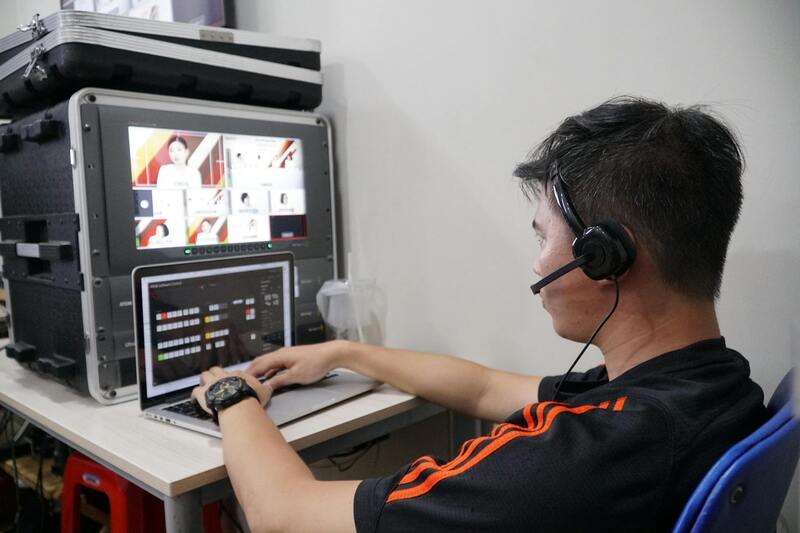
Video interviews production has become a cornerstone for effective communication in various fields, including corporate marketing, talent recruitment, and educational content. At its core, this process involves capturing spoken interactions on camera, transforming raw footage into compelling visual stories that convey specific messages or showcase individual expertise. The primary purpose of video interviews is to create a dynamic, engaging medium for audience engagement, making information more accessible and memorable.
There are different formats of video interviews, each suited to particular objectives. One-on-one interviews are ideal for detailed personal insights, often used in testimonial content or expert discussions. Panel interviews involve multiple participants, providing diverse viewpoints and fostering comprehensive dialogues. Remote interviews utilize digital technology, allowing seamless connectivity across distances, which is particularly advantageous for global campaigns.
The applications of video interview production span a wide array of sectors. In marketing, brands leverage interviews to build trust, introduce products, or tell compelling brand stories. In recruitment, companies use video interviews for initial screening, saving time and resources while reaching a broader pool of candidates. Content creators produce interview series to educate, entertain, or inform audiences, often integrating them into larger multimedia campaigns.
Furthermore, the increasing adoption of social media platforms has amplified the importance of high-quality interview content. Professionally produced interviews can significantly extend reach, enhance brand reputation, and establish credibility within target markets. As such, understanding the fundamentals of video interviews production is essential for businesses and creators aiming to harness the power of this versatile content format.
Pre-Production Planning and Preparation
Successfully orchestrating a video interview begins with meticulous pre-production planning. This phase involves clearly defining the interview's purpose, target audience, and key messages to ensure the content aligns with overarching branding or messaging strategies. Establishing clear objectives helps shape the tone, style, and structure of the interview, whether it aims to inform, persuade, or entertain.
Once goals are set, developing a comprehensive question list tailored to elicit insightful responses is essential. Questions should be open-ended to foster in-depth discussion while remaining focused on the core topics. This preparation not only directs the flow of conversation but also boosts the interviewee’s confidence, leading to more authentic answers.
Location selection plays a pivotal role in the overall aesthetic and ambiance of the final product. Factors to consider include lighting conditions, background relevance, sound quality, and accessibility. Many production professionals opt for controlled environments within dedicated studios to achieve consistent lighting and sound conditions. For interviews conducted on-site, site visits and testing sound and lighting arrangements are crucial to preempt technical issues.
Coordination between all stakeholders—including interviewers, subjects, and technical crew—is fundamental to a seamless shoot. This involves scheduling sessions, communicating expectations, and preparing necessary permits or permissions if filming occurs in public or private spaces. Creating a detailed production timeline ensures all elements are synchronized and minimizes potential delays.
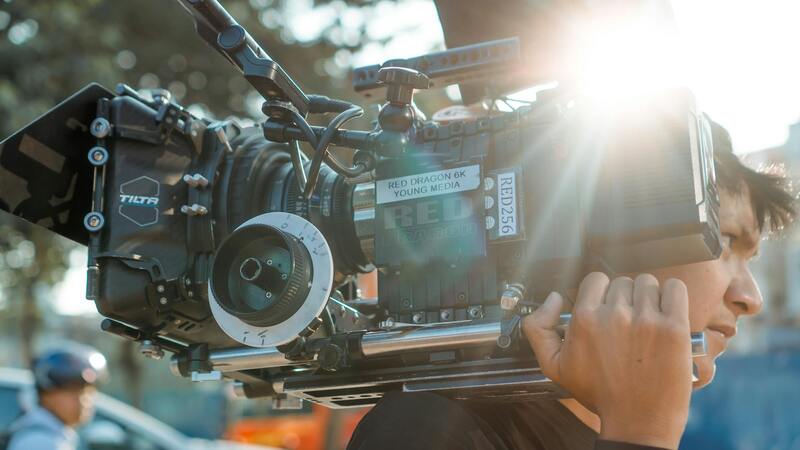
Furthermore, equipment checks are integral during this phase. Confirming the availability and functionality of cameras, microphones, lighting, and backup power ensures readiness. Such preparatory measures mitigate risks associated with technical failures and optimize the quality of the recorded content.
In the digital age, embracing remote interview setups has become increasingly common. This requires reliable internet connections, appropriate conferencing software, and backup communication channels. Properly managing these logistical details minimizes disruptions during the actual interview and guarantees a professional appearance regardless of physical location.
Comprehensive pre-production preparations, from conceptual framing to logistical coordination, ultimately contribute to a polished final product. Every detail considered in this stage translates into efficient shooting days, high-quality footage, and content that resonates with viewers.
Choosing the Right Equipment and Setup for Video Interviews
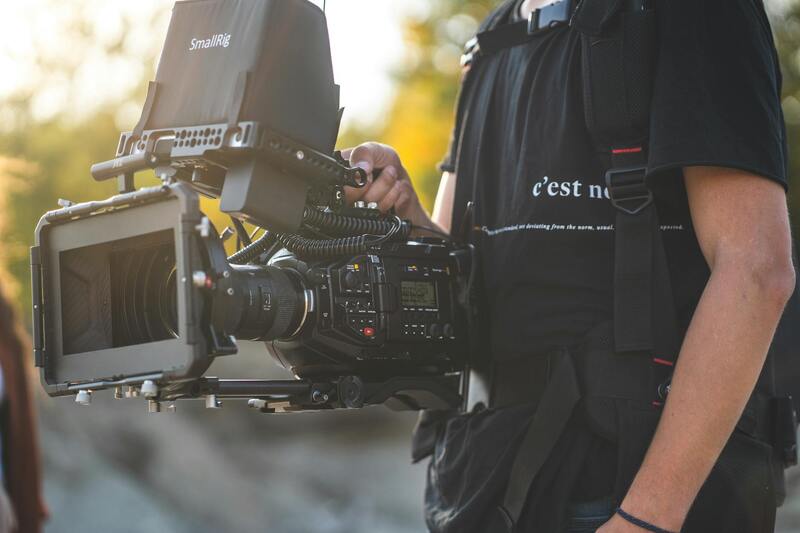
Ensuring optimal video and audio quality during interviews hinges significantly on selecting the appropriate equipment and establishing a proper setup. High-definition cameras are fundamental, with options ranging from professional-grade camcorders to high-quality DSLR or mirrorless cameras that can deliver sharp visuals with excellent depth of field. The choice depends on the desired production value, budget, and specific project requirements. Proper tripod or stabilization gear prevents camera shake, maintaining a steady shot that looks polished and professional.
Audio clarity is equally critical; utilizing lavalier microphones, shotgun mics, or handheld microphones ensures clear voice capture while reducing ambient noise. Quality microphones, coupled with audio mixers or recorders, help calibrate sound levels and prevent distortions. Proper microphone placement is vital—not too close to cause discomfort or countenance distortion, nor too far to diminish sound quality.
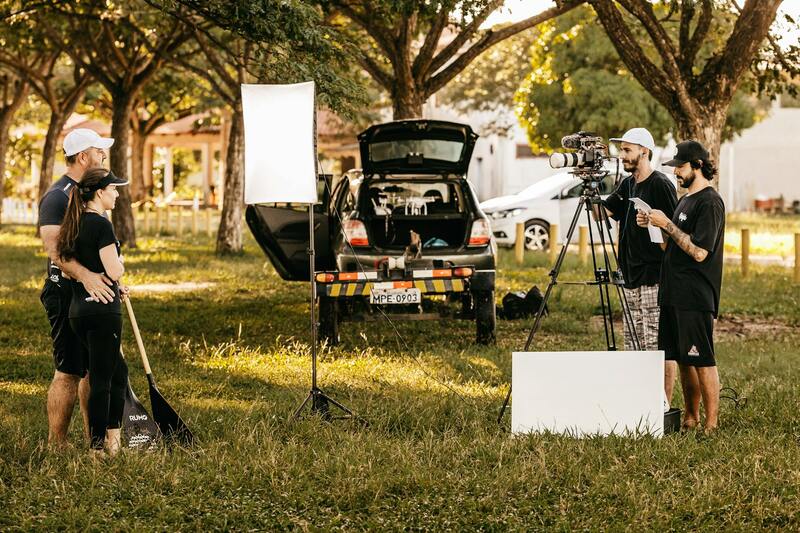
Lighting setup dramatically influences the visual outcome. Soft, diffused lighting eliminates harsh shadows and provides an even glow on the subject's face. Key lights, fill lights, and backlights, arranged thoughtfully, craft a flattering and professional appearance. In many cases, affordable softbox lights or ring lights are effective and easy to set up. To enhance the visual framing, employing adjustable stands and adjustable light intensity can help tailor the lighting to different environments or skin tones.
Background selection and setup contribute to the interview's perceived professionalism and context. Neutral backgrounds or branded backdrops are common choices. For remote setups, a tidy, uncluttered environment with proper framing and consistent background elements helps maintain a polished aesthetic. The backdrop should complement the interview subject without distracting viewers' attention.
Similarly, a stable, clutter-free workspace ensures smooth camera operation and minimizes potential hazards during the shoot. Cable management, stable surfaces, and quick-access equipment storage are best practices that streamline the setup process and reduce disruptions.
To accommodate variables such as space constraints or lighting conditions, portable and flexible equipment options are often advantageous. Wireless microphones and battery-operated lighting setups enable versatile positioning, especially when filming in unconventional spaces or on location. Additionally, backup batteries, memory cards, and power sources are essential components, providing peace of mind during longer shoots or complex projects.
Setting the stage for a successful interview also involves fine-tuning the environment for soundproofing. Managing echoes and external noise through acoustic panels or sound-absorbing materials ensures audio fidelity. For remote interviews, confirming a reliable internet connection, using high-quality conferencing tools, and employing dedicated microphones for online participants are necessary steps to maintain professionalism and avoid technical glitches.
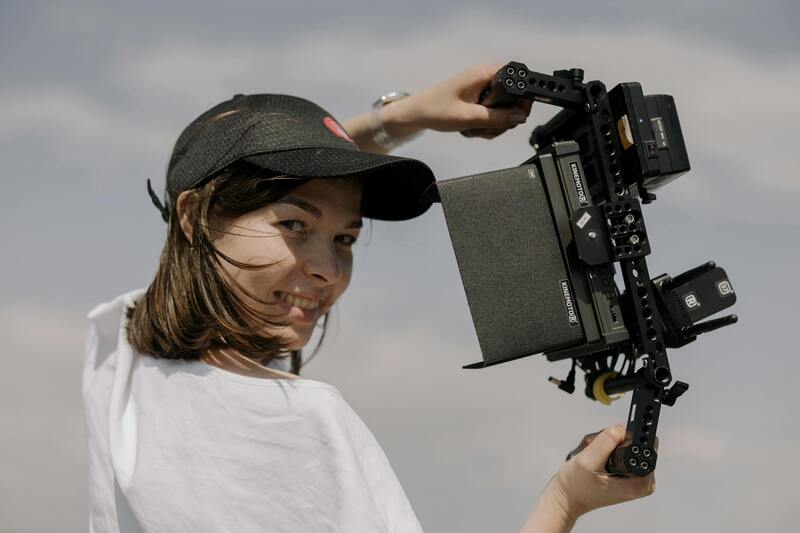
Equipment and Setup for Video Interviews
Establishing a high-quality setup is crucial for producing compelling video interviews that resonate with viewers. The core of a successful interview lies not only in the content but also in the technical execution. This involves selecting the right cameras, microphones, lighting, and background arrangements to ensure clear visuals and crisp audio. The choice of equipment should match the interview context, whether in-studio, on-location, or remote.
Camera selection is foundational; professional-grade camcorders or DSLR/mirrorless cameras with high-definition capabilities are preferred for their image clarity and depth of field control. A tripod or stabilization device is essential to maintain steady framing, reducing distracting camera shake and ensuring a professional appearance. For interview subjects, framing should be designed to highlight their expressions and gestures, typically close-up shots with appropriate headroom and eye level alignment.
Audio quality significantly influences viewer engagement. Omnidirectional or shotgun microphones mounted on boom arms or wireless systems can capture clear dialogue, minimizing background noise. For remote segments, high-quality dedicated microphones for online participants, combined with noise-canceling technology, help maintain consistency across different locations. Ambient noise should be controlled using soundproofing materials such as acoustic panels, foam, or heavy drapery, especially in less controlled environments.
Lighting Configuration for Optimal Exposure
Lighting setup plays a pivotal role in achieving a polished look. Soft, diffused lighting minimizes shadows and evenly illuminates the subject’s face. Key lights, fill lights, and backlights—collectively known as three-point lighting—are traditional techniques that create depth, separation from the background, and a flattering appearance. LED panel lights with adjustable brightness and color temperature offer versatility and energy efficiency.
In situations where natural light is available, it’s important to diffuse sunlight using reflectors or sheer curtains to prevent harsh shadows. When filming on location, portable lighting kits with battery-powered options provide flexibility while maintaining consistent exposure. Control over light placement and intensity helps to emphasize facial features and reduce distractions from background elements.
Environment and Background Considerations
The environment behind the interview subject should be carefully chosen to avoid visual clutter and distraction. A clean, professional backdrop—such as a plain wall, branded setting, or tastefully decorated space—supports the focus on the interviewee. Color schemes should be coordinated with the subject’s clothing to prevent visual clashes or reflections that could detract from the overall aesthetic.
If filming remotely, instructing participants on creating a tidy, well-lit space with appropriate background elements enhances the production quality. Use of virtual backgrounds can be an option, but they require careful lighting and camera settings to prevent unnatural edges or glitches. For in-studio shoots, consider using seamless backdrops or green screens to customize the visual environment and reinforce branding or thematic consistency.
Cabling and Power Management
Effective cable management reduces trip hazards and maintains a sleek look during filming. Securing cables with clips or tapes ensures safety and prevents accidental disconnections. Multiple power sources, surge protectors, and backup batteries help prevent interruptions, particularly during lengthy shoots. Wireless setups for microphones and lighting amplify flexibility, while power outlets should be strategically positioned to support all essential equipment without causing clutter.
Ensuring Authenticity and Security in Video Interviews Production
Securing the authenticity of your video interviews is vital to uphold the credibility of your content. Implementing recognized verification procedures during filming can significantly reduce the chances of misrepresentation or manipulation. For instance, incorporating timestamped recordings or live verification techniques ensures that the footage captured is directly attributable to the interviewee and has not been altered during editing.
Utilizing encrypted data transmission channels is also an essential step, especially when interviews involve sensitive or proprietary information. Secure, encrypted storage solutions prevent unauthorized access to raw footage and final cuts, maintaining the integrity of your content from production to distribution. It is equally important to maintain detailed logs of all footage, including timestamps, file versions, and access records, to track any alterations or potential points of concern throughout the post-production workflow.
Consent management is another critical aspect. Prior explicit consent should be obtained from all participants, explicitly covering the scope of usage, distribution, and potential adaptations of the video content. Proper documentation not only clarifies rights and permissions but also establishes a clear chain of custody for your footage, which is invaluable for maintaining authenticity and transparency in your production process.
Adherence to established best practices for digital security, including regular updates to software and security protocols, helps prevent data breaches and unauthorized modifications. When working with remote interviewees or multiple production sites, utilizing verified and secure collaboration tools ensures the integrity of communication channels and shared files. This layered approach to security fosters a reliable environment where your video interviews remain genuine and indistinguishable from the original captures, enhancing the overall perception of professionalism and trustworthiness.
Legal and Ethical Considerations
In the realm of video interviews production, adherence to established standards and guidelines is paramount to ensure the integrity and credibility of your content. Implementing strict protocols for obtaining informed consent from all participants safeguards their rights and guarantees that there is a clear understanding of how the footage will be used. This process typically involves comprehensive consent forms that delineate specific details, including the scope of distribution, potential adaptations, and the duration of usage rights.
Maintaining transparency throughout the production process extends beyond consent. Clear documentation of ownership rights, usage permissions, and licensing terms contributes to a trustworthy workflow. Creating an audit trail by recording access logs, editing history, and version control helps preserve the authenticity of the content, which is indispensable when verifying the origins and modifications of the footage at any stage.
Respecting the privacy and dignity of interviewees is essential. This involves providing participants with an opportunity to review and approve the final edits before publication, thereby facilitating accountability and addressing any concerns related to misrepresentation or contextual inaccuracies. Moreover, implementing confidentiality measures, especially in sensitive topics or proprietary discussions, ensures that privileged information remains secure and undisclosed without proper authorization.
Another critical aspect involves compliance with industry standards concerning the accuracy and fairness of the content presented. Avoiding manipulative editing practices and ensuring that the video portrays an honest representation of the interviewees is central to maintaining trust. When incorporating visual or textual enhancements, transparency about any modifications helps uphold ethical integrity.
Alongside these practices, adherence to data protection protocols is vital. Sensitive information shared during interviews must be handled with care to prevent misuse or unauthorized access. Implementing secure storage solutions, encryption, and restricted access controls supports the protection of both the interview content and the identities of participants.
Finally, cultivating a culture of ethical responsibility within your production team fosters a professional environment that values honesty, respect, and accountability. Regular training and clear protocol documentation ensure that everyone involved understands their roles and obligations, reducing risks of inadvertent misconduct and enhancing the overall credibility of your video interview projects.
Legal and Ethical Considerations in Video Interviews Production
When managing a comprehensive video interviews production, adherence to official and approved methods is essential for safeguarding the integrity of the content and respecting the rights of all involved parties. From securing proper permissions to ensuring compliance with copyright laws, each step plays a vital role in creating a professional and trustworthy interview product.
Securing Written Permissions and Releases
One of the primary legal considerations involves obtaining explicit, written permission from interviewees before filming commences. These permissions outline the scope of the interview, permissible uses of the footage, and any restrictions. Proper release forms serve to document consent, mitigating risks of future disputes or claims regarding unauthorized use. It’s crucial that release agreements are clear, comprehensive, and tailored to the specific context of the interview, covering confidentiality, distribution rights, and any potential third-party content included within the footage.
Copyright and Intellectual Property Rights
Respecting copyright laws surrounding the interview content, including visuals, music, or proprietary materials used during production, is fundamental. All media incorporated must be either original, properly licensed, or in the public domain. Clear documentation of intellectual property rights ensures that the production does not inadvertently infringe upon third-party rights, which could result in legal complications or content takedowns. Implementing a thorough review process for all included materials helps maintain content authenticity and compliance with copyright regulations.
Implementing Secure Data Handling Protocols
Protecting sensitive or confidential information shared during interviews is paramount. Adopting official methods such as encrypted storage and restricted access controls reduces the risks associated with data leaks or unauthorized viewing. Certification of data security practices bolsters stakeholder confidence and aligns with industry best practices for information management.
Maintaining Transparency and Ethical Standards
Transparency in the editing and presentation of interview footage fosters trust among audiences. Disclosing any modifications or contextual edits to the content helps maintain integrity and ensures viewers receive an accurate portrayal of the discussions. Upholding high ethical standards extends to respecting participant privacy, avoiding manipulative editing, and ensuring fair representation of interviewees’ positions.
Best Practices for Ethical Conduct in Video Production
- Regular training for production teams on ethical standards and legal compliance.
- Developing detailed protocol documentation that guides every stage of production.
- Establishing clear lines of communication with interviewees regarding their rights and the use of their content.
- Performing thorough review and audit of all content prior to distribution to prevent unauthorized or sensitive material from being published.
By diligently following these official guidelines and methods, producers can ensure that their video interviews are legally sound, ethically conducted, and positioned to provide credible, trustworthy content. This approach not only safeguards the production but also enhances the reputation and integrity of the final output.
Ensuring Ethical Content Management and Distribution
Careful handling of interview footage after production is crucial for maintaining the integrity and trustworthiness of the final content. Strict adherence to verified procedures for content management guarantees that the interview material is appropriately preserved, shared, and utilized. Implementing secure storage solutions that comply with industry standards minimizes the risk of unauthorized access or data breaches. Labeling and cataloging files systematically facilitate easy retrieval and management during editing and distribution phases.
During distribution, it is important to utilize official channels and platforms that are recognized for their security and credibility. Whether posting on corporate websites, authorized social media pages, or approved media outlets, each step should involve established procedures for content approval and dissemination. This reduces the possibility of unauthorized edits or misrepresentation, safeguarding the interview's original intent and message.
Optimizing the interview content for various platforms involves technical adjustments such as format compatibility, resolution quality, and metadata tagging. These practices enhance discoverability and viewer engagement while respecting user accessibility guidelines. Additionally, a strategic approach to distribution ensures the content reaches the relevant audience effectively, contributing to a merchantable reputation and broader outreach goals.
Another vital aspect is ongoing content analysis and feedback collection. Monitoring viewer engagement and gathering audience insights help refine future interview productions and optimize content presentation. By leveraging analytic tools, producers can assess viewer demographics, engagement levels, and response patterns, guiding improvements and strategic adjustments for subsequent projects.
In implementing these official methods for content management and distribution, organizations uphold high standards of professionalism and accountability. Consistent review and adherence to established procedures are essential to prevent misrepresentation and ensure that the interview content remains a credible and reliable resource for audiences.