
Understanding the Importance of Interview Video Production
Interview video production has become an essential component of modern marketing and branding strategies across numerous industries in Miami. As businesses and organizations seek compelling ways to connect with their audiences, professional interview videos offer a powerful medium to communicate messages authentically and effectively. These videos serve as a bridge to humanize brands, showcase expertise, and build trust with viewers, making them invaluable tools in a competitive marketplace.
In Miami's diverse economic landscape, ranging from real estate and hospitality to technology and healthcare, the demand for high-quality interview content continues to grow. Organizations leverage interview videos to highlight success stories, share thought leadership, and provide behind-the-scenes insights that resonate with their target demographics. A well-produced interview not only enhances brand credibility but also amplifies outreach efforts across digital platforms, social media, and organizational websites.
From a marketing perspective, professionally crafted interview videos can significantly increase engagement rates, extending reach and fostering stronger connections with the audience. In addition, these videos are instrumental in internal communications, training, and educational content, ensuring that key messages are delivered clearly and persuasively. As Miami continues to attract innovative startups and established enterprises alike, the prominence of quality interview video production becomes increasingly evident in their strategic communications toolbox.
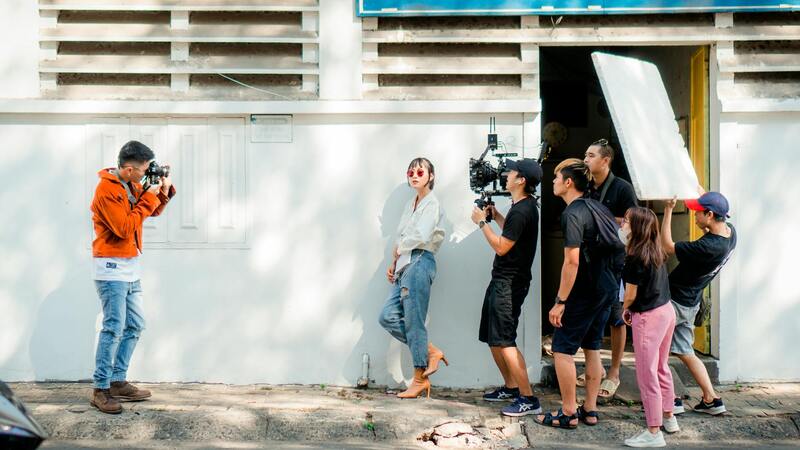
Investing in professional interview video production ensures that every element, from filming techniques to storytelling, aligns with the brand’s core message. This commitment to quality results in content that not only captivates viewers but also leaves a lasting impression. As a vital asset for branding, marketing, and internal communication, interview videos are now indispensable for organizations looking to stand out in Miami's vibrant market.
Ultimately, the strategic use of high-caliber interview video content reinforces credibility, enhances audience engagement, and supports long-term growth, making it a vital aspect of contemporary business communication in Miami.
Choosing the Right Equipment and Setup
To produce compelling interview videos, selecting appropriate equipment is paramount. The foundation of any high-quality video lies in the tools used to capture visuals and audio. When planning an interview shoot, it is essential to invest in professional-grade cameras capable of recording in high-definition formats, which ensure clarity and detail that resonate well across various digital platforms. Camera stabilization accessories such as tripods, gimbals, or steadicams help maintain steady shots, preventing unwanted movements that can distract viewers.
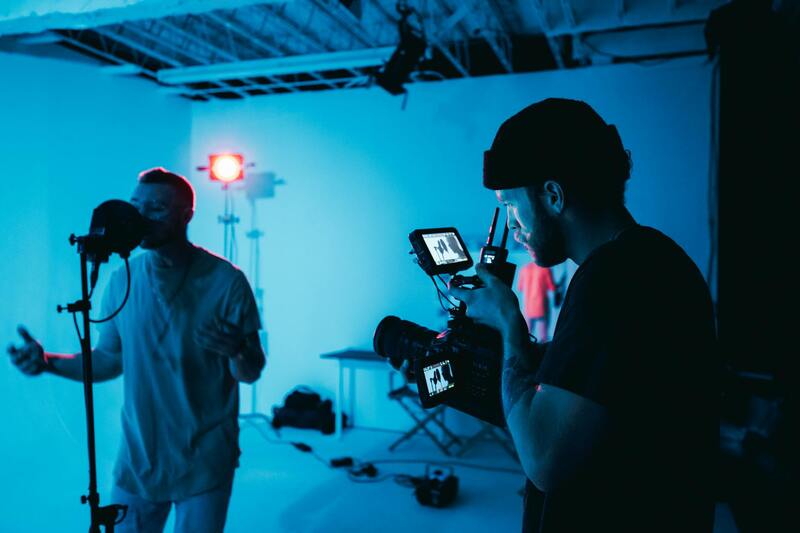
Microphone selection significantly influences audio clarity. Lavalier microphones, handheld mics, or shotgun microphones should be chosen based on the interview environment, ensuring clear voice capture while minimizing background noise. Complementing this with quality audio recorders can further enhance sound fidelity.
Lighting setup plays a crucial role in establishing a professional look. Softbox lights, ring lights, or LED panels provide consistent illumination that complements the interview subject’s features, avoiding harsh shadows and uneven lighting. Consideration of natural light conditions and the strategic placement of lights can dramatically improve visual quality, resulting in a vivid and inviting scene.
Beyond cameras, audio, and lighting, other accessories such as backdrops, color schemes, and framing choices contribute to creating a visually appealing environment. Ensuring the setup aligns with the brand identity and interview goals enhances overall production value.
Optimizing Setup for Different Shooting Environments
- Studio Settings: Use controlled lighting and sound-proofing to create a distraction-free environment, ideal for detailed post-production editing.
- On-location Shoots: Adapt equipment to varied lighting conditions and external noise factors, often requiring portable gear and additional sound mitigation measures.
- Remote Interviews: Utilize high-quality webcams, reliable internet connections, and portable lighting and microphones to ensure production standards are maintained regardless of location.
Focusing on the appropriate equipment and setup techniques tailored to the interview environment ensures that the final video meets professional standards and effectively communicates your message to the target audience.
Effective Techniques for Filming Interview Videos
Capturing compelling interview content requires meticulous attention to filming techniques that enhance visual clarity and viewer engagement. To achieve this, consider framing your subject using the rule of thirds, positioning the interviewee slightly off-center to create a balanced and dynamic composition. Additionally, maintaining consistent eye contact with the camera fosters a sense of connection between the subject and the audience, making the content more personal and engaging.
Utilize multiple camera angles to add visual interest and depth. A common approach involves a primary close-up shot of the interviewee and a secondary wider shot that includes both the subject and the interviewer. This setup allows for seamless transitions during editing, providing a more polished viewing experience.
Focus on camera settings such as aperture, shutter speed, and white balance to ensure optimal image quality across different lighting conditions. For instance, adjusting the aperture controls the depth of field, emphasizing the subject while subtly blurring the background, which helps direct viewer attention.
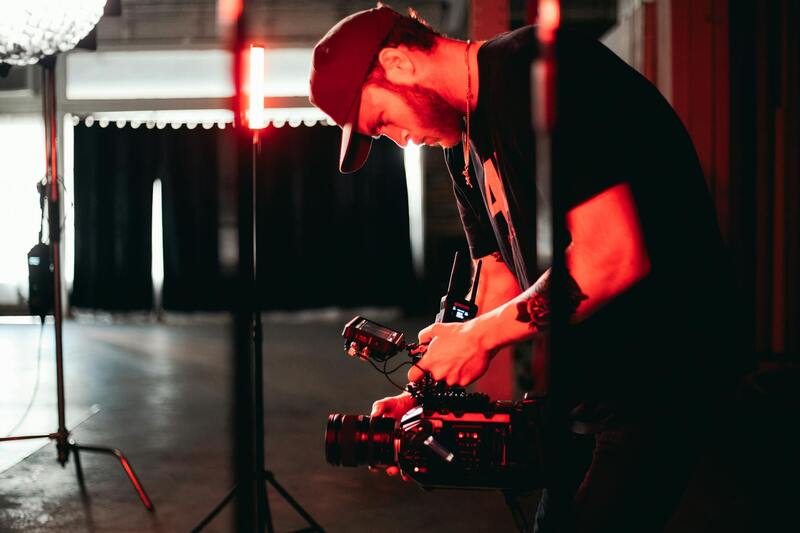
Maintain a steady shot by employing tripods or stabilizers, especially when filming on location or in dynamic environments. Avoid shaky footage, as it can distract viewers and diminish the production's professionalism. When recording, monitor audio levels vigilantly, ensuring that the dialogue remains clear and free from background noise or distortion.
Incorporate appropriate depth of field to differentiate the subject from the background, emphasizing facial expressions and gestures that convey emotion and authenticity. This technique draws viewers into the interview, making the content more compelling.
Monitor lighting conditions continuously during filming, making real-time adjustments to maximize image quality. For example, if shadows or glare appear, reposition lights or the camera to optimize visual clarity. Always check framing and focus before starting the interview, to prevent costly reshoots and ensure consistency throughout the production.
By applying these filming techniques with precision, producers can create interview videos that are not only visually appealing but also resonate more profoundly with their Miami-based audience, reflecting professionalism and attention to detail essential for impactful storytelling.
Understanding the Importance of Interview Video Production
In the realm of corporate communications, content marketing, and personal branding, interview videos serve as a potent tool to convey authenticity, expertise, and trustworthiness. Producing high-quality interview videos involves meticulous attention to detail at every stage — from planning to distribution. When executed proficiently, these videos can significantly elevate a brand’s presence within the Miami market, resonate with targeted audiences, and foster meaningful engagement. The qualitative aspects of an interview video, including clarity of message, visual professionalism, and audio fidelity, directly influence viewer perception and credibility. Consequently, organizations and individuals investing in well-crafted interview videos stand to benefit from increased visibility, enhanced reputation, and a competitive edge.
Strategic Planning as the Foundation
Creating impactful interview videos starts with strategic planning. Identifying the target audience allows producers to tailor content and presentation style accordingly. Determining the core message and key talking points ensures consistency and relevance, which is vital for viewer retention. Selecting the appropriate interviewees, whether industry leaders, clients, or internal staff, adds authenticity and authority to the content. Furthermore, defining the setting—whether a formal studio environment or a casual on-location shoot—helps establish the desired tone and atmosphere. Detailed planning also encompasses scheduling, permitting, and logistics, especially for outdoor or on-site shoots in Miami, where local regulations and environmental factors come into play.
Storyboarding and Script Development
Even in unscripted interviews, outlines or storyboards guide the flow of conversation. Developing a framework for questions and responses facilitates smooth transitions and maintains viewer engagement. It also reduces the likelihood of repetitive or off-topic dialogue. Professionals often prepare supplementary visual assets, such as graphics or cutaways, to illustrate complex ideas or emphasize key points. Ensuring the script sounds natural and conversational helps in capturing genuine reactions and expressions, which are crucial for authenticity. This preparatory phase sets the tone for a seamless shoot, minimizing disruptions and facilitating effective communication between the production team and interview subject.
Technical Preparation and Coordination
Pre-production involves intensive coordination of technical resources. Selecting appropriate cameras, microphones, lighting, and backdrop materials impacts the overall quality. For Miami productions, considering environmental conditions like temperature, humidity, and ambient noise is essential to adapt technical setups accordingly. Creating detailed shot lists and technical checklists ensures critical elements are in place before filming begins. Communicating these technical specifications to all team members mitigates potential issues and guarantees a cohesive filming process. Additionally, rehearsals help refine camera angles and audio setups, providing an opportunity to troubleshoot and optimize the environment for capturing professional-grade footage.
Executing the Interview Video Production with Precision
Once all pre-production elements are finalized, the actual filming process becomes the focal point for capturing high-quality interview footage. Effective execution hinges on maintaining a professional demeanor, clear communication, and technical proficiency. It is critical to establish a comfortable environment for the interviewee, which helps elicit authentic responses and expressions. The interviewer or camera operator should be adept at guiding the conversation naturally while adhering to the predetermined structure. This involves pose-establishing questions, providing gentle prompts, and adjusting the pace to ensure responses are comprehensive yet concise.
Camera operators must employ best practices for framing and composition. Consistent shot composition, such as using the rule of thirds and ensuring eye-level angles, enhances the visual appeal and clarity of the interview. Utilizing multiple angles, including close-ups and medium shots, allows for dynamic editing options and maintains viewer interest. During shooting, it’s important to monitor framing, focus, and lighting adjustments continuously to prevent issues like blinking, off-focus shots, or poorly lit segments. Remote or outdoor interviews may require additional stabilization equipment, such as tripods, gimbals, or steadicams, to achieve smooth footage.
Sound quality is equally vital, requiring keen attention to microphone placement and settings. Lavalier microphones clipped to the subject ensure clear audio capture, while shotgun microphones can be used for ambient sound and situational context. Operators should conduct sound checks to verify levels, minimize background noise, and prevent audio distortion. Moreover, controlling environmental factors—such as relocating away from noisy backgrounds or adjusting for outdoor wind—can dramatically improve audio fidelity.
During the shoot, flexibility is essential. Minor adjustments to lighting, camera angles, or even the interview script may be required to adapt to unforeseen circumstances or to enhance visual consistency. Continuous communication with the interviewee helps maintain a relaxed atmosphere, encouraging natural interactions. All footage should be reviewed periodically via monitor displays to identify potential issues early, allowing for corrective actions before wrapping up the shoot.
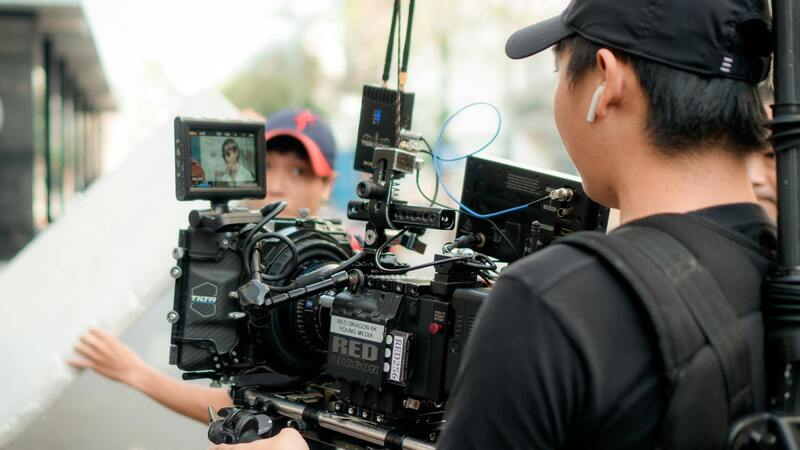
Incorporating B-roll footage, reaction shots, and cutaway shots during filming adds narrative depth and editing flexibility. These supplementary visuals can illustrate key points or provide visual pauses to maintain audience engagement. A comprehensive shot list, aligned with the project's narrative goals, supports systematic coverage and efficient use of filming time. Once the footage collection concludes, backing up all recordings securely is imperative to prevent data loss and streamline the post-production process.
Legal Considerations and Permits in Interview Video Production
When undertaking interview video projects, it is vital to adhere to official procedures that uphold the rights and interests of all parties involved. Securing appropriate permissions prior to filming is an essential step. This entails obtaining consent forms from interviewees that clearly outline their understanding of how the footage will be used, stored, and shared. These documents serve to formalize mutual agreement and provide legal protection for producers and clients alike.
Additionally, if the filming takes place in locations that are privately owned or restricted, obtaining permits from the relevant authorities or property owners is necessary. This process ensures that filming activities do not infringe upon existing regulations or disrupt public or private spaces. It also helps to prevent potential disputes or interruptions during the shoot.
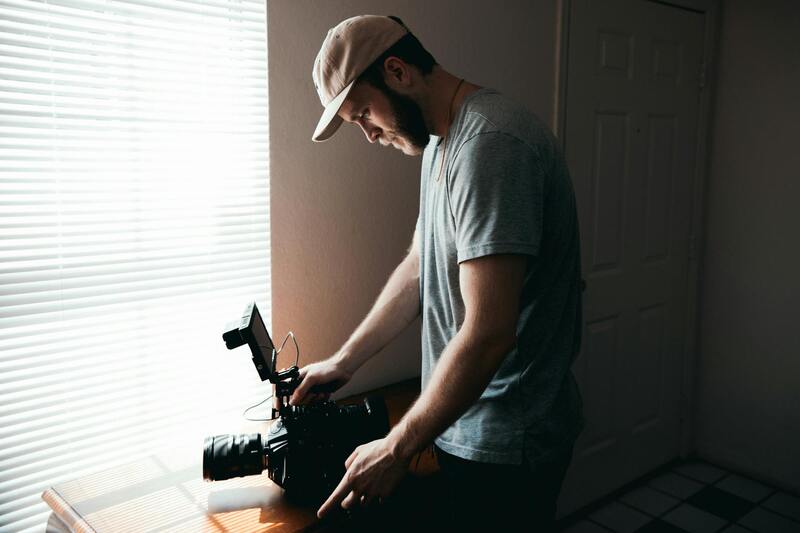
In some cases, especially when filming in public areas or utilizing certain equipment, additional permits related to drone usage, drone footage, or specialized filming gear might be required. Responsible production teams verify local regulations beforehand to ensure compliance, which minimizes delays or legal complications.
Documenting and Managing Permissions and Legalities
- Consent Forms: Collect signed release forms from interviewees affirming their agreement to participate and granting rights to use their likeness and statements.
- Location Permits: Obtain necessary permits for filming in public spaces, private properties, or restricted zones, ensuring adherence to local policies.
- Special Permits: Secure additional authorizations for drone footage, extended shooting durations, or use of advanced equipment that may be regulated.
- Documentation: Keep a comprehensive record of all permits, signed releases, and correspondence related to permissions for reference and potential audits.
Ensuring these official steps are diligently followed not only safeguards the production from unforeseen interruptions but also fortifies the professionalism and credibility of the project. Transparency and compliance with established procedures are fundamental to producing high-quality interview videos that resonate with audiences and meet strategic goals.
Post-Production Editing and Finalizing
Once the filming process concludes, the focus shifts to post-production editing, a critical phase that transforms raw footage into a compelling interview video. Effective editing begins with organizing all recordings, ensuring that clips are labeled accurately for easy identification. This step facilitates seamless access during the editing process, saving time and maintaining workflow efficiency.
During editing, a meticulous approach to color correction is essential to ensure visual consistency across all footage. Proper color grading enhances the overall aesthetic, aligning the visual tone with the interview’s message and branding requirements. Simultaneously, audio synchronization must be precise, as clear, balanced sound elevates the professionalism of the final piece. Incorporating sound design elements such as background music, if appropriate, can also add depth and engagement without overpowering the interview content.
Incorporating graphics, lower thirds, and branding elements is a strategic component of post-production. These visuals help identify interviewees, provide context, and maintain viewer engagement. A cohesive visual style throughout the video reinforces the credibility and polish of the production. Additionally, strategic use of transitions and visual effects can smoothen scene changes, but these should be subtle to preserve the interview's authenticity and integrity.
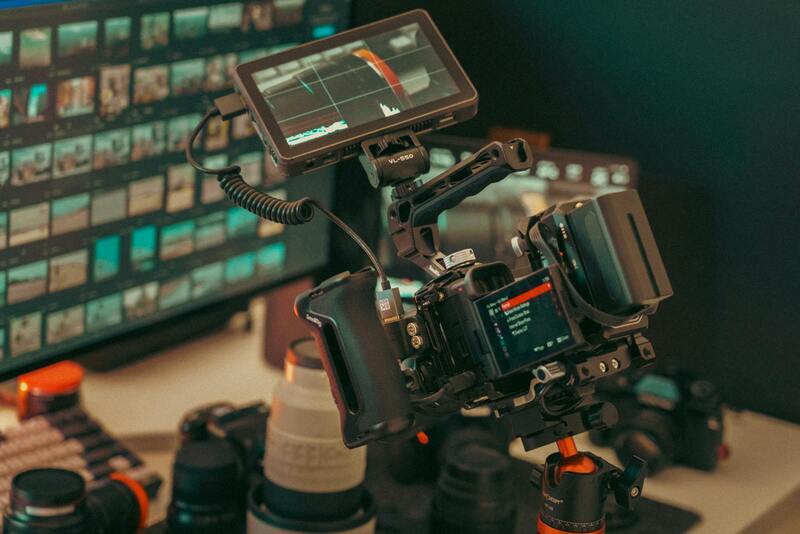
After editing, a thorough review process is necessary. Multiple viewings and feedback sessions with clients or stakeholders help identify areas for improvement. Implementing revisions ensures the final version aligns with the intended message and meets quality standards. Once approved, exporting the video in the appropriate formats guarantees compatibility across various platforms, from websites to social media channels.
File management and documentation are vital in post-production. Storing multiple copies of edited files, project elements, and raw footage ensures that the production can be revisited or repurposed in the future. Proper labeling and systematic archiving foster efficient workflows for future projects or updates.
Finally, delivery methods should be tailored to deployment strategies. Whether hosting on a client’s website, uploading to video-sharing platforms, or distributing through internal channels, ensuring that the resolution, aspect ratio, and encoding settings are optimal for each platform maximizes visibility and impact. The meticulous finalization process ultimately results in a professional, high-quality interview video capable of engaging targeted audiences effectively.
Strategies for Legal and Ethical Use of Interview Videos
Creating and utilizing interview videos require adherence to established standards and practices that uphold transparency and integrity. When considering the deployment of interview content, it is essential to employ methods that respect rights and avoid infringement issues. This includes obtaining explicit permissions from all participants involved, ensuring they fully understand the context in which their interviews will be used.
In practice, this means having clear, written agreements that outline the scope of video usage, distribution channels, and any potential limitations. Such documentation helps maintain a professional relationship and prevents misunderstandings or disputes down the line. Moreover, participants should be informed about the recording process, including how the footage will be stored, edited, and shared, to foster trust and cooperation.
To further safeguard your project, transparency in the editing process is just as critical. Providing review opportunities allows interviewees to verify their statements and ensure the content accurately reflects their intentions. This step not only demonstrates respect for their contribution but also enhances the credibility of the final product.
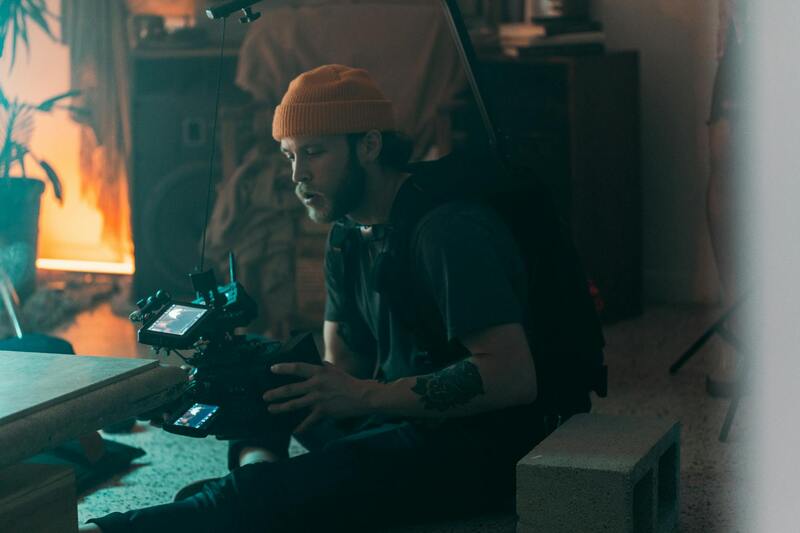
When distributing interview videos, selecting appropriate formats and platforms is vital to preserve quality and reach the intended audience effectively. Utilizing reputable hosting services and encoded formats compatible with various devices guarantees a seamless viewing experience. Additionally, applying relevant metadata, descriptive titles, and tags enhances discoverability across search engines and platform algorithms.
For businesses and professionals, adhering to best practices in content dissemination also involves monitoring engagement and feedback. Analyzing viewer interactions provides insights into how the video resonates with the target demographic. This feedback loop informs future production strategies, allowing for continuous improvement and more impactful storytelling.
Finally, responsible archiving of all project-related files—including raw footage, project files, and final outputs—ensures that your interview videos remain accessible and usable for future reference or repurposing. Proper documentation of each phase, from filming schedules to editing decisions, supports efficient management and maintains the integrity of the content over time.