
Importance of Testimonials in Video Marketing
In the dynamic landscape of Miami's highly competitive market, establishing trust and credibility with potential customers remains paramount for business success. One of the most impactful methods to achieve this is through testimonial videos. These videos serve as authentic endorsements from satisfied clients, providing tangible proof of a company's quality and reliability.
Testimonial videos resonate with audiences because they humanize brands, fostering emotional connections that traditional advertising often cannot. They demonstrate real-life experiences, showcasing how a company's products or services have positively impacted customers. This form of social proof plays a crucial role in influencing purchasing decisions, especially for consumers seeking assurance before making a commitment.

Furthermore, testimonial videos are versatile content assets that can be incorporated across various marketing channels. They can be featured on official websites, shared across social media platforms, included in email campaigns, or used during sales presentations. This multi-channel approach amplifies their reach and reinforces message consistency.
For businesses aiming to differentiate themselves in Miami’s bustling market, strategic implementation of testimonial videos can be a decisive factor. They not only showcase customer satisfaction but also demonstrate a company’s commitment to transparency and excellence. As the competition intensifies, harnessing the power of authentic customer stories becomes an invaluable component of a comprehensive marketing strategy.
In essence, testimonial videos act as compelling narratives that build trust, enhance credibility, and influence potential clients. Their role in establishing a positive brand reputation is critical, especially when consumers are increasingly seeking validation from real people with genuine experiences. For Miami-based businesses looking to stand out, investing in well-produced testimonial videos can be a game-changer, driving growth and fostering long-term customer relationships.
Importance of Testimonials in Video Marketing
In the realm of digital marketing, testimonial videos serve as vital trust signals that can greatly influence consumer behavior. Authentic customer stories delivered through video not only humanize a brand but also provide prospective clients with relatable, firsthand insights into product or service benefits. These videos help bridge the gap between a company's offerings and the customer's expectations, fostering a sense of transparency and credibility that is difficult to achieve with traditional advertising alone.
In Miami’s highly competitive business climate, having a compelling testimonial video can distinguish your brand from the numerous alternatives available to consumers. Such videos leverage the power of social proof—showcasing real experiences that validate the quality and reliability of your offerings. When viewers see satisfied customers sharing their positive journeys, they are more inclined to trust your brand and consider making a commitment.

Testimonial videos are also remarkably adaptable assets. They can be seamlessly integrated into multiple marketing channels: embedded on your official website, shared across social media platforms, included in email campaigns, or utilized during live sales presentations. This multi-channel deployment amplifies customer reach, reinforces key messages, and creates a consistent narrative that resonates with diverse audiences. Their strategic use across various touchpoints strengthens overall marketing efforts, making them an indispensable part of comprehensive brand promotion strategies.
Ultimately, including well-crafted testimonial videos in your marketing mix emphasizes your commitment to transparency and customer satisfaction. They act as powerful storytelling tools that not only demonstrate your company’s strengths but also foster deeper trust with your audience. In the dynamic and often bustling Miami market, harnessing the influence of authentic testimonials can be the decisive factor in attracting and retaining loyal customers, ultimately driving sustained business growth.
Filming Techniques and Best Practices
Capturing testimonial videos of the highest quality involves employing proven filming techniques that highlight authenticity and maintain viewer engagement. A professional production team begins by selecting appropriate camera equipment, ensuring clear visuals that accurately portray both the interviewee and their environment. Utilizing high-resolution cameras with proper lighting setups creates inviting and visually appealing content that resonates with viewers. Lighting plays a vital role in testimonial videos. Soft, diffused lighting minimizes shadows and highlights facial expressions, which are essential cues of sincerity and emotion. Proper backdrop selection is equally important; a tidy, branded environment or a setting relevant to the client's experience lends credibility and context to the story.

Audio quality can significantly influence the perceived professionalism of your testimonial videos. Employing high-quality microphones and windshields ensures clear, crisp sound, reducing distractions and emphasizing the speaker's message. To capture natural emotion, directors should use close-ups that focus on expressive facial cues, complemented by medium shots that contextualize the interview. Interview techniques are equally crucial. Open-ended questions guide clients to share detailed experiences, while maintaining a conversational tone reduces artificiality. Active listening by the interviewer prompts authentic responses, making stories more compelling.
Similarly, environmental control is necessary to eliminate background noise or visual clutter. Ensuring a quiet, controlled setting helps focus the viewer's attention solely on the testimonial subject. Strategically framing the shot with appropriate angles enhances emotional connection and emphasizes key expressions or gestures.
Post-production and Editing Strategies
Editing testimonial videos is the process of refining raw footage into a polished, impactful story. Skilled editors focus on maintaining authenticity while emphasizing key points that align with your marketing goals. Starting with a compelling introduction that contextualizes the client’s journey captures viewer attention early.
- Audio synchronization: Ensuring audio and visual elements are perfectly aligned enhances professionalism.
- Color correction: Adjusting lighting and color tones enhances visual consistency and appeal.
- Adding branding elements: Incorporating your logo, slogan, and contact details reinforces brand identity.
- Inserting subtitles: Including captions improves accessibility and allows viewers to engage with the content in sound-off environments.
Transitions between segments should be smooth, avoiding abrupt cuts that distract from the message. Incorporating B-roll footage, such as shots of the client’s environment or product use, adds context and visual interest.
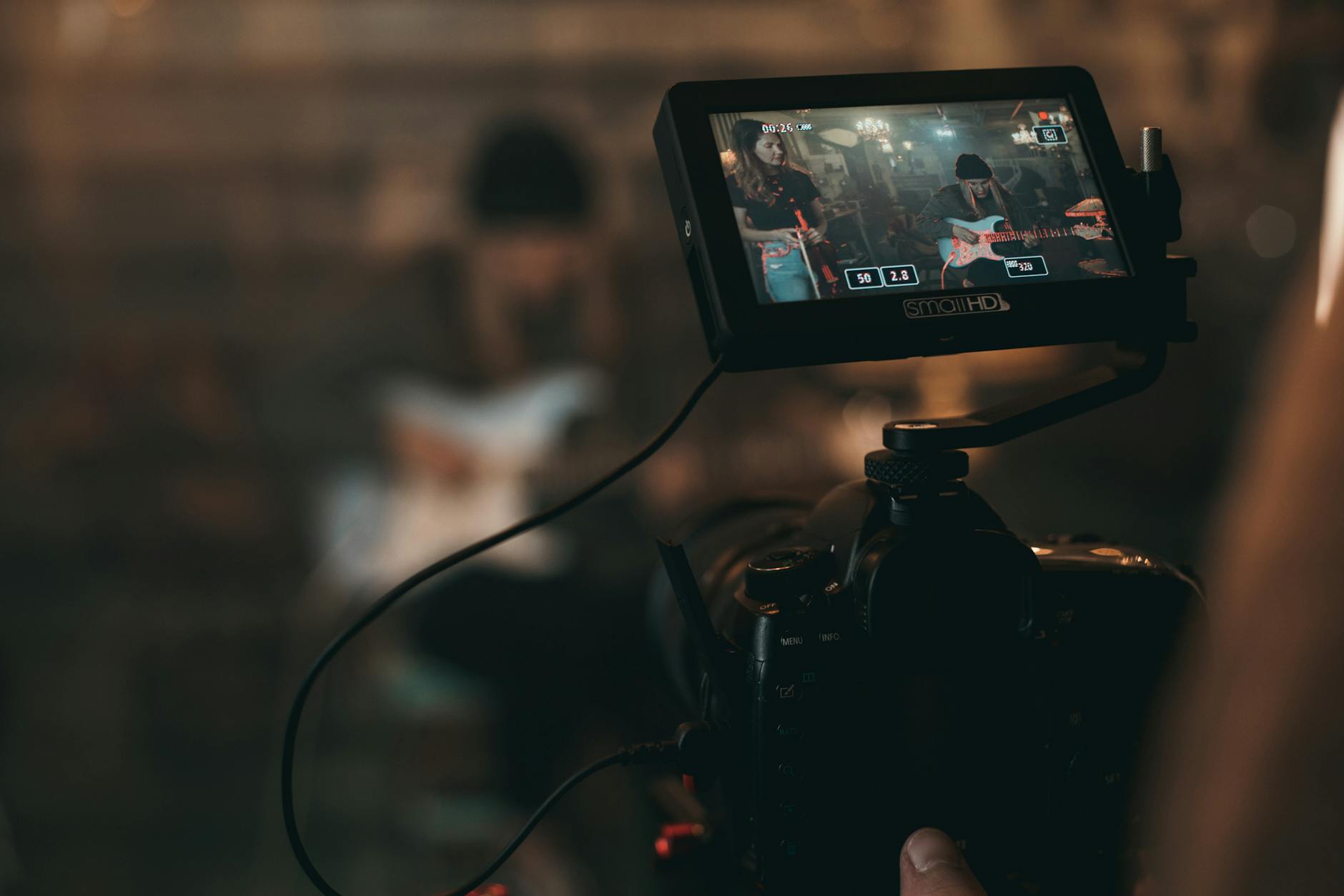
Final cuts should prioritize clarity and emotional resonance. Sound balancing, removing unnecessary pauses, and ensuring a seamless flow contribute to an impactful testimonial that effectively communicates the customer’s positive experience.
Implementing Testimonials Effectively on Your Website and Digital Platforms
For testimonial videos to deliver maximum impact, strategic placement across your website and social media channels is essential. Embedding videos on key landing pages, such as the homepage, product pages, and service descriptions, can significantly enhance credibility and visitor engagement. Ensure that videos are easily accessible, with clear calls to action encouraging viewers to learn more, contact your team, or make a purchase.
Beyond your website, sharing testimonials through social media platforms such as Instagram, Facebook, LinkedIn, and Twitter extends your reach to diverse audiences. Shortened clips or teasers can generate curiosity, driving viewers to view the full testimonial. Incorporate testimonials into email marketing campaigns to boost open rates and boost conversion by showcasing authentic customer experiences.

When optimizing testimonial videos for online distribution, consider the following:
- SEO Optimization: Use relevant keywords in video titles, descriptions, and tags to improve search visibility. Incorporate natural language that reflects how your clients describe their experiences.
- Responsive Design: Ensure videos are mobile-friendly, considering that a significant portion of users will access content via smartphones and tablets.
- Loading Speed: Compress video files without sacrificing quality to prevent slow load times, which can increase bounce rates and hinder user engagement.
- Subtitles and Captions: Incorporate accurate subtitles to make content accessible and understandable in sound-off browsing environments, particularly on social media.
Measuring engagement metrics such as view count, watch time, and click-through rates allows for ongoing optimization of testimonial content. Regularly updating your testimonials ensures relevance and demonstrates ongoing customer satisfaction, fostering trust with prospective clients.
Maintaining consistency in branding elements—colors, logos, and messaging—in your testimonial videos further reinforces brand recognition and professionalism. Effective distribution combined with targeted promotion maximizes the return on investment, ultimately converting viewers into loyal customers who value authentic feedback from their peers.
Post-production and Editing Strategies
After filming your testimonial videos, the editing phase is crucial in transforming raw footage into compelling marketing tools that authentically showcase client satisfaction. This stage involves careful selection of scenes, seamless integration of branding elements, and enhancing the emotional resonance of each testimonial. Effective editing not only improves overall video quality but also ensures the message aligns with your brand’s voice and objectives.
Refining the Narrative
Begin by reviewing all footage with a focus on storytelling flow. Select the most genuine and impactful segments that highlight the client’s positive experience and the benefits of your products or services. Use tight editing to maintain viewer engagement, removing any redundant or distracting content that could dilute the message.
Adding Branding Elements
Consistent branding reinforces recognition and trust. Incorporate your logo subtly within the video, especially during transitions or at the beginning and end. Use brand-specific color schemes and visual themes aligned with your company's identity to create a cohesive look. Including branded intro/outro sequences can further enhance professionalism.
Visual and Audio Enhancements
Enhance the authenticity of testimonials through visual corrections such as color grading and stabilization. Ensure the audio quality is clear and balanced by reducing background noise and emphasizing the speaker’s voice. Sometimes, adding overlays or graphical annotations can accentuate specific points made by clients, making the message more impactful.
Emotional and Call-to-Action Elements
Emphasize emotional appeal through strategic use of music, pacing, and visuals that evoke empathy and trust. Ending each testimonial with a clear, compelling call-to-action guides viewers toward desired outcomes, whether it’s reaching out for more information or making a purchase.
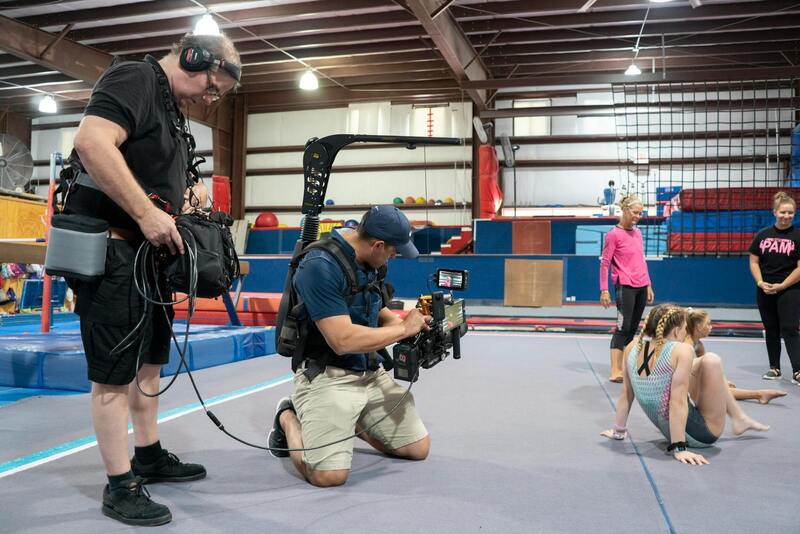
Utilizing professional editing tools and techniques ensures that each testimonial meets high standards of quality and effectiveness. Collaborating with experienced editors or production professionals can help maintain consistency across multiple testimonials and ensure each one aligns with your overall marketing strategy. By focusing on these key post-production strategies, your testimonial videos will stand out as credible, engaging, and influential tools that foster trust and drive customer conversions.
Official and Proven Methods for Collecting Testimonials
Securing authentic testimonials that resonate with prospective clients requires a strategic approach rooted in professionalism and transparency. One of the most reliable methods involves establishing a formal interview process where clients are invited to share their experiences on camera in a controlled environment that emphasizes comfort and clarity. This approach ensures consistency across testimonials and allows for capturing genuine sentiments aligned with your brand message.
In addition, structured questionnaires can guide clients in highlighting key aspects of their experience. These questionnaires should be thoughtfully designed to prompt honest, detailed responses while respecting the client’s voice. Distributing these questionnaires electronically or in person before filming provides a foundation for creating compelling testimonial narratives.
Another effective strategy involves leveraging written client feedback, reviews, or case studies and transforming them into documentary-style testimonial videos. This process entails obtaining explicit permission from clients to use their existing feedback and recording a short video segment where they elaborate on their experience, thereby adding depth and authenticity to their assurance.
Furthermore, some companies opt for live testimonials through scheduled client events or webinars where participants share their stories spontaneously. These live recordings often capture raw emotions and natural expressions, heightening the sincerity of the message.
Ensuring Ethical Practices in Testimonial Collection
Maintaining transparency and integrity in testimonial collection builds trust and credibility. It is essential to obtain explicit consent from clients before filming and publishing their stories, clarifying the scope of use and distribution channels. Clear expectations should be communicated upfront, and clients should be informed that their testimonials can be reviewed and edited for clarity and professionalism.
Respect for client privacy is paramount. When recording, it's advisable to anonymize certain details if desired by the client, or to highlight only specific aspects of their experience that align with your marketing aims. Additionally, providing clients with a copy of the final video prior to publication fosters transparency and ensures they are comfortable with the content.

Leveraging Formal Agreements to Streamline Processes
Implementing formal agreements or release forms standardizes the testimonial collection process, clearly outlining the rights and responsibilities of both parties. These documents specify the usage rights for the testimonial video, the scope of distribution, and consent to record and edit the footage. Using professionally drafted release forms minimizes misunderstandings and ensures all parties are aligned.
Such agreements also provide legal protection for your business, safeguarding against potential disputes over content rights or unauthorized use. When consulting with a legal professional to draft these documents, ensure that they are comprehensive, covering elements such as confidentiality, copyright, and the right to modify the testimonial.
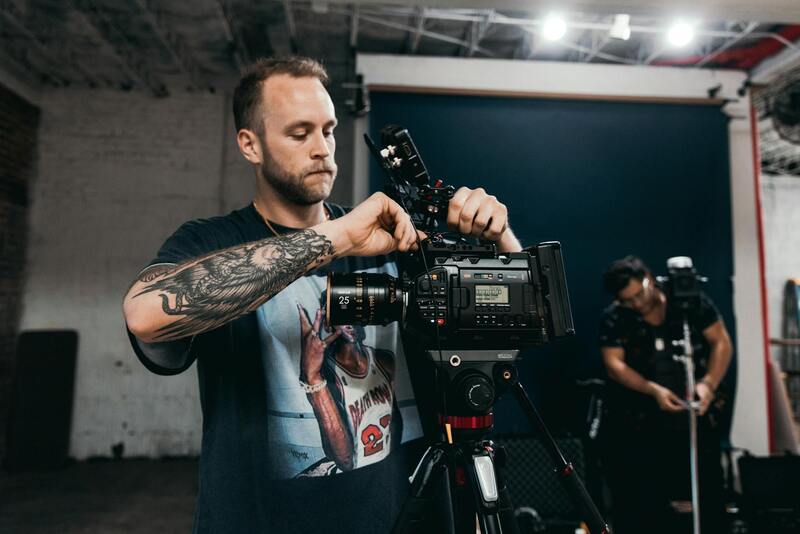
By prioritizing ethical practices and utilizing official methods for gathering testimonials—such as structured interviews, clear consent, and formal agreements—you establish a credible foundation that enhances the authenticity and impact of your testimonial videos. These authentic stories, when collected and presented professionally, serve as powerful tools in building trust, engaging potential clients, and elevating your brand’s reputation in Miami and beyond.
Ensuring Authenticity and Compliance Through Reliable Methods
Vigilance in testimonial video production hinges on employing established and respected procedures to gather client stories responsibly. Authentic content is rooted in transparent and consistent methods that emphasize integrity and professionalism. These methods include conducting structured interviews conducted by trained personnel, which help capture genuine client experiences without distortion or undue influence. Formal documentation, such as signed release forms, is also critical to affirm consent and clearly delineate how the testimonial content will be used, edited, and distributed.
Implementing a standardized process for testimonial collection not only enhances the quality of the content but also underscores your commitment to ethical practices. This involves providing clients with detailed information about the purpose of the testimonial, the scope of its viewing, and potential distribution channels. Ensuring that clients understand and agree to these conditions before filming fosters trust and facilitates a smoother production process.
Use of Authorized Media and Content Management
Legitimate testimonial videos are created through the use of authorized media channels, including professional recording equipment and approved editing software. This ensures the final product maintains high visual and audio quality, which bolsters credibility. Additionally, securely managing and archiving original footage and agreements is essential for maintaining a clear record of consent, edits, and distribution rights.
When assembling testimonial content, it’s vital to keep an unaltered record of the raw footage alongside the final edited version. This practice provides a transparent trail demonstrating that the content aligns with the agreed-upon guidelines and that all necessary permissions were obtained prior to publication or sharing.
Adhering to Ethical and Professional Standards
Ethical testimonial collection prioritizes client honesty, transparency, and respect for their rights. This includes providing clients with clear information about the potential reach and impact of their testimonials and ensuring that their stories are portrayed accurately and without manipulation. Transparency builds trust, encourages candid participation, and reflects positively on your brand’s integrity.
Professionalism is also demonstrated through timely communication, respectful treatment during interviews, and a commitment to confidentiality where applicable. Maintaining these standards helps strengthen your reputation and encourages future collaboration with satisfied clients who are eager to share their positive experiences.
In summary, the combination of structured interview techniques, comprehensive consent procedures, secure content management, and strict adherence to ethical standards forms the foundation for producing authentic, respected, and effective testimonial videos aligned with best practices.
Ensuring Authenticity and Ethical Standards in Testimonial Video Production
Maintaining authenticity in testimonial videos is paramount to building credibility and trust with your audience. To achieve this, it’s crucial to implement transparent processes from the initial collection of testimonials through to the final editing stage. This includes securing explicit consent from clients, clearly outlining how their testimonials will be used, and providing assurance that their stories will be depicted accurately and without distortion.
During the filming process, fostering a comfortable environment encourages clients to share genuine experiences. Using open-ended questions and allowing clients to speak freely helps capture authentic narratives that resonate more effectively with viewers. Proper documentation of consent and the preservation of original footage are essential practices that maintain transparency and uphold high standards throughout production.

In the editing phase, it's important to balance storytelling with integrity. Avoid editing that significantly alters the essence of the client’s message or alters emotional tone without justification. When done thoughtfully, editing enhances clarity and engagement without compromising authenticity. Adding subtitles or captions, incorporating B-roll footage, and refining sound quality can improve viewer experience while preserving the heart of the testimonial.
Key Practices for Ethical Testimonial Collection and Production
- Explicit Consent: Obtain clear permission for each stage of content use, including distribution channels.
- Authentic Representation: Represent client stories honestly, avoiding manipulative editing or selective framing.
- Transparency: Clearly communicate to clients how their testimonials will be used, ensuring they are fully informed.
- Confidentiality: Respect clients' privacy and sensitive information, implementing confidentiality agreements as needed.
- Professional Conduct: Maintain respectful communication throughout the process, fostering trust and collaboration.
Leveraging Testimonials Responsibly for Maximum Impact
Once completed, distributing testimonial videos strategically maximizes their impact. Share videos across your website, social media platforms, email marketing campaigns, and presentations. Tailoring content to each channel ensures the testimonial reaches the right audience and aligns with their preferences and expectations.
In addition, consider creating a suite of testimonial content that highlights different aspects of your service or product. For instance, some testimonials can focus on customer service, while others may emphasize product quality or results achieved. This diversity broadens the appeal and demonstrates the multifaceted value your business provides.

Monitoring engagement and feedback from viewers helps assess the content’s effectiveness and guides future testimonial projects. Regular reviews of viewer reactions, comments, and shared content provide insights into what resonates most and how testimonials influence brand perception and decision-making.
In summary, adhering to ethical practices and transparency in testimonial video production not only fosters trust but also enhances the credibility and influence of your marketing campaigns. By respecting client rights and delivering honest, compelling narratives, your brand can build a durable reputation rooted in authenticity and professionalism.