
Understanding the Miami Market for Commercial Video Production
Miami stands out as a vibrant hub for commercial video production, thanks to its diverse industries, scenic locations, and dynamic audience demographics. The city’s bustling tourism, luxury real estate, fashion, nightlife, and entertainment sectors create a fertile environment for compelling visual storytelling that resonates with local and international markets. Companies aiming to promote their brands often leverage Miami’s colorful backdrop and multicultural vibe to craft engaging content that captures attention and drives engagement.
The target audiences in Miami are equally diverse, spanning local residents, regional tourists, and global viewers. This variety necessitates tailored content strategies that appeal to distinct demographics, requiring producers to understand cultural nuances, regional interests, and consumer behaviors. Whether creating a high-energy promotional video for a Miami-based luxury resort, a social awareness campaign for local communities, or an international advertisement showcasing Miami’s iconic skyline, producers must align their messaging with the specific needs and preferences of their audience.
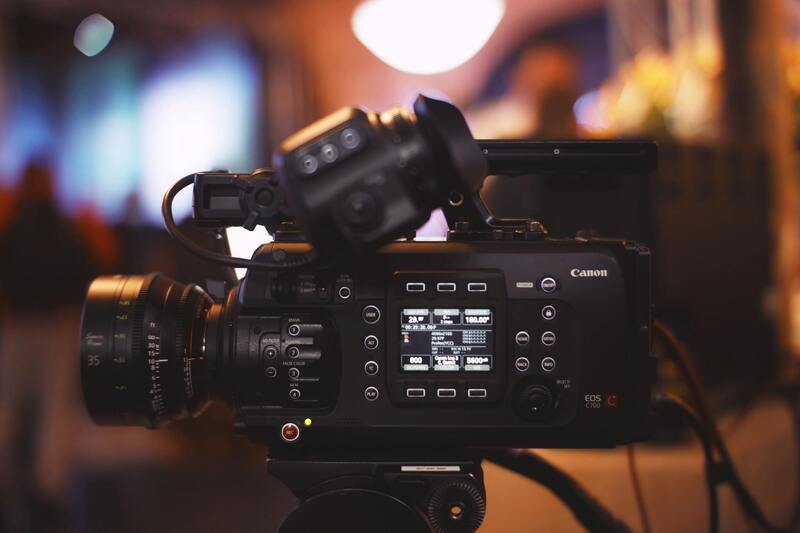
Moreover, Miami’s geographic diversity — from bustling downtown areas and glamorous beachfronts to historic districts and lush outdoor spaces — offers an array of aesthetic options to enhance visual storytelling. This allows production teams to choose ideal settings that communicate brand values effectively and create memorable viewer experiences.
Engaging with local industries and understanding regional trends are fundamental for producing successful commercial videos in Miami. These insights inform creative concepts and execution strategies that resonate with the target audience, ensuring that each project aligns with market expectations and maximizes impact. As a result, Miami’s unique cultural and economic landscape is a substantial asset for professional video production companies aiming to deliver compelling, market-specific content.
Pre-Production Planning and Strategy Development
Effective commercial video production in Miami begins with comprehensive pre-production planning and strategic development. This phase involves defining the core message, identifying target audiences, and establishing specific objectives aligned with the client’s brand identity. Successful projects hinge on meticulous scriptwriting that captures the essence of the campaign, incorporating cultural nuances and regional insights to resonate deeply with Miami’s diverse demographics.
Strategic planning also encompasses scouting locations that will visually communicate the brand’s story. Miami’s varied environments—iconic beaches, urban downtowns, vibrant neighborhoods, and historic districts—offer a wealth of visual options. These settings not only enhance aesthetic appeal but also reinforce the message through contextual relevance, making the content more impactful.
During this stage, collaboration with creative teams—including writers, directors, and producers—ensures alignment on visual style, tone, and overall direction. Budgeting and scheduling are meticulously outlined, respecting the client’s financial parameters while ensuring logistical feasibility. A detailed storyboard or shot list is developed to streamline filming activities, minimize risks, and maximize efficiency during production days.
Filming Techniques and Equipment in Miami
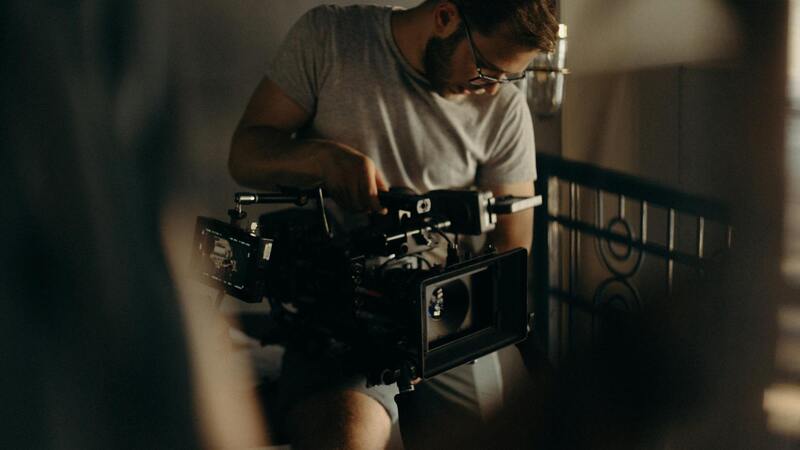
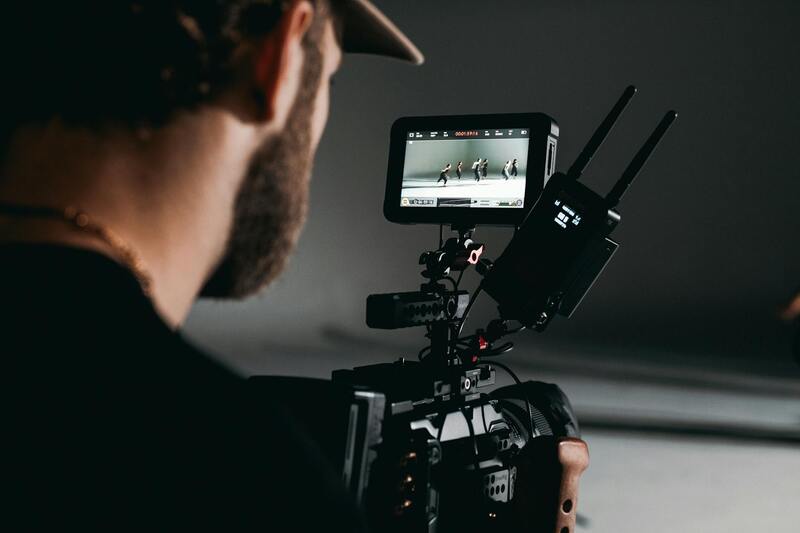
When capturing Miami’s diverse scenery, employing advanced filming techniques and high-quality equipment is essential to produce visually stunning content. Professional crews utilize stabilizers, drones, and high-resolution cameras to deliver crisp imagery and dynamic shots that showcase the city’s iconic skyline, beaches, and vibrant neighborhoods.
Utilizing aerial drone footage, for example, provides sweeping views of Miami’s coastline and urban landscape, creating a cinematic effect that draws viewers into the narrative. Gimbal-stabilized cameras allow for smooth tracking shots, emphasizing product features or location highlights seamlessly. The choice of lighting equipment is equally critical, especially when filming in outdoor locations or during variable weather conditions typical of South Florida.
Miami’s weather conditions—particularly the abundant sunshine—enable shooting with natural light, but secondary lighting equipment is essential for control and consistency, especially in shaded or interior scenes. Additionally, employing modular rigs and camera cranes broadens creative possibilities, allowing for engaging perspectives and fluid movements. These technical aspects significantly influence the overall quality and professionalism of the final product.
Post-Production Processes and Editing
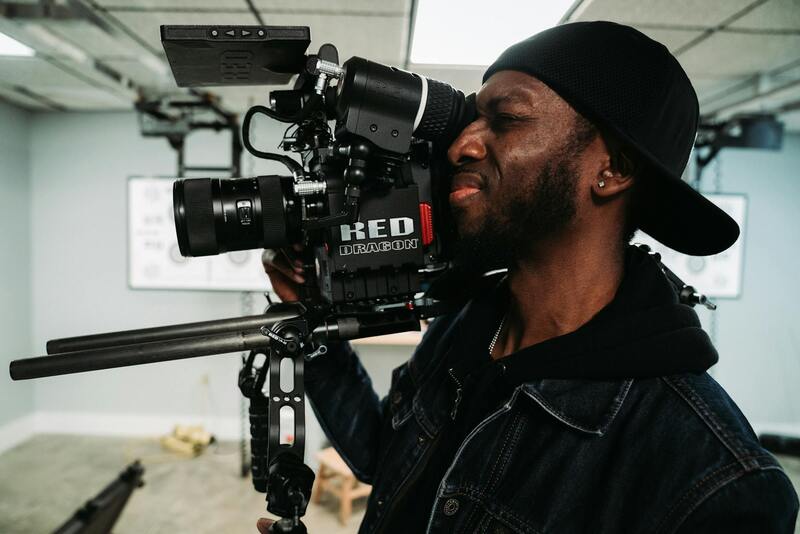
After footage collection, the post-production phase involves meticulous editing to craft a compelling narrative that aligns with the project’s objectives. Skilled editors work to piece together scenes, applying color correction, visual effects, and sound design to enhance the overall aesthetic and emotional impact.
Color grading, in particular, plays a vital role in finalizing the visual tone, whether emphasizing Miami’s sunny exterior or creating a sleek, modern look. Sound editing incorporates background music, voiceovers, and sound effects, ensuring auditory coherence and engagement.
Advanced editing software enables producers to refine pacing, add motion graphics, and incorporate branding elements seamlessly. This phase also involves multiple review rounds with clients to ensure the final edit precisely reflects the intended message and style.
Deliverables are formatted for various platforms—TV, social media, web—optimizing each version to maximize reach and viewer engagement. Attention to detail throughout post-production ensures the commercial stands out as a professional, polished piece capable of making a meaningful impression in Miami’s competitive market.
Filming Techniques and Equipment in Miami
Miami’s vibrant urban landscape and stunning natural scenery demand the use of advanced filming techniques and high-quality equipment to achieve captivating visuals. Commercial video production companies in Miami leverage a variety of specialized tools to capture the city’s essence, whether shooting in busy downtown districts, beachfront locations, or lush parks.
Using stabilization gear such as gimbals and Steadicams allows smooth shots amid dynamic environments, enhancing viewer engagement. Drone cinematography plays a crucial role in showcasing Miami’s iconic skylines and scenic coastlines from breathtaking aerial perspectives, adding a cinematic flair that sets brands apart.
High-resolution cameras, including 4K and even 8K options, ensure footage remains crisp and detailed, vital for impactful advertising. Fast lenses with wide apertures facilitate excellent performance in low-light conditions, especially for evening shoots or indoor scenes. Lighting equipment, from portable reflectors to advanced LED panels, guarantees optimal illumination that complements Miami’s unique ambiance.
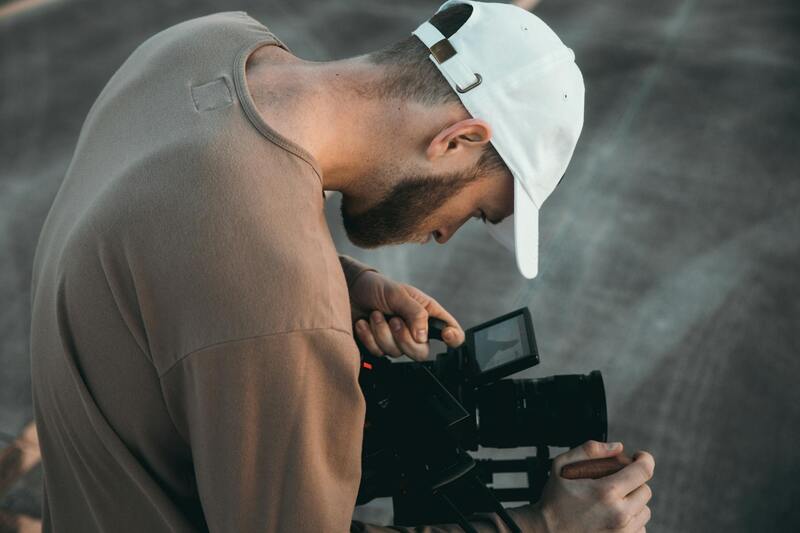
Beyond visuals, sound recording equipment such as shotgun microphones and wireless lavaliers are essential for capturing clear audio in busy or outdoor environments. To ensure seamless production flow, crews also employ sophisticated camera stabilization rigs and monitor systems, allowing real-time adjustments and precise framing during shoots.
In addition to traditional filming gear, cutting-edge techniques such as time-lapse, slow-motion, and hyper-lapse capture the city’s dynamic energy and iconic locations in innovative ways. These methods contribute to engaging storytelling and elevate the overall production quality.
Professional Miami production teams stay updated with the latest technological advancements to deliver footage that combines realism with artistic expression. This commitment to state-of-the-art equipment and techniques ensures commercials resonate with target audiences and stand out amidst Miami’s bustling marketplace.
Legal Considerations and Permits in Miami
Successfully navigating the legal landscape for commercial video production in Miami requires meticulous attention to required permits, location agreements, and copyright clearances. Securing the appropriate permits from municipal authorities ensures that all filming activities align with city regulations, particularly when shooting in public spaces, parks, or private properties. Miami’s local agencies often require comprehensive application procedures, including detailed production plans, insurance documentation, and proof of liability coverage.
Contractual agreements with property owners are crucial when filming on private property. These agreements specify permissions, usage rights, and any applicable fees or restrictions. Establishing clear terms helps prevent misunderstandings during production and ensures smooth access to desired locations.
Copyright considerations are integral to compliance, especially when using copyrighted music, branded materials, or proprietary visuals. Proper licensing or licensing negotiations should be conducted to avoid infringements that could delay or complicate distribution efforts. Additionally, accommodating talent releases and consent forms for all individuals appearing on camera safeguards both production teams and clients from potential legal issues.
In Miami’s vibrant commercial environment, noise ordinances and filming time restrictions are also important to observe. Coordinate with local authorities to schedule shoots during permissible hours, especially in areas with high traffic or residential zones. This proactive planning minimizes conflicts and ensures the production maintains a professional reputation within the community.
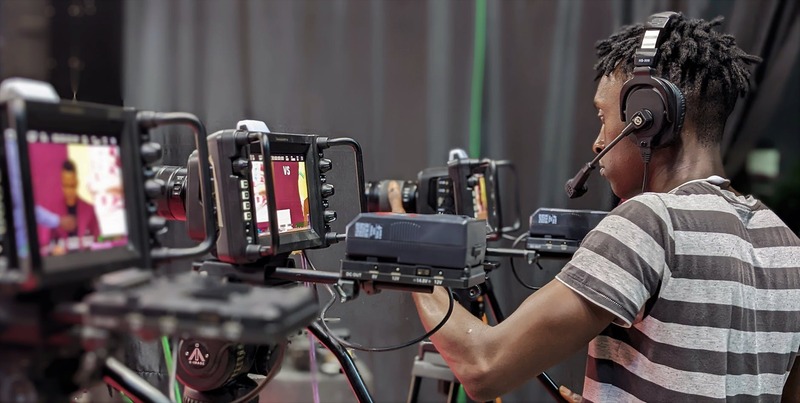
Keeping thorough documentation throughout the process, including permits, release forms, and correspondence with city officials, helps streamline legal compliance. Employing experienced legal advisors or production coordinators familiar with Miami's permit procedures ensures that all regulatory requirements are thoroughly met, allowing the creative process to proceed unhindered.
Film Editing and Post-Production Optimization in Miami
Once filming wraps up, the focus shifts to post-production. This phase is crucial for transforming raw footage into a polished commercial video that resonates with the target audience. In Miami, top-tier editing studios utilize advanced software to ensure color grading, visual consistency, and seamless transitions. The integration of visual effects (VFX) further enhances the visual storytelling, adding layers of depth and engagement to the content.
Sound design plays a pivotal role in immersing viewers. High-quality audio editing ensures clarity, emotional impact, and synchronization with visual elements. It involves selecting suitable background music, editing dialogue, and incorporating sound effects that reinforce the commercial’s message. The use of ambient soundtracks tailored to Miami's vibrant atmosphere can elevate the overall production quality, making the content more compelling and locally relevant.
In Miami’s dynamic media landscape, finalizing a commercial involves meticulous attention to detail. Color grading is employed to match the aesthetic tone, whether aiming for a warm, energetic Miami vibe or a sleek, professional look. Advanced editing techniques—such as motion graphics and animated logos—add a distinctive touch, making the brand stand out. The final delivery format is optimized for various platforms, including television, social media, and digital advertising, ensuring maximum visibility and engagement across channels.
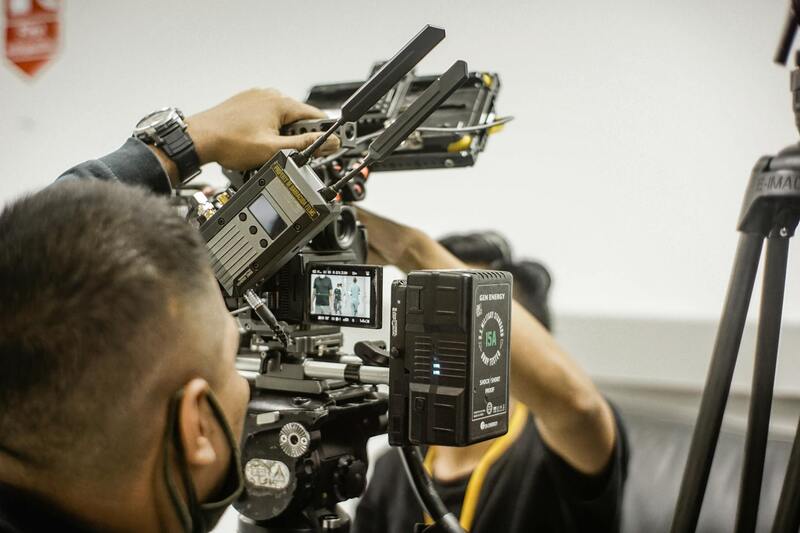
Collaborating with experienced post-production specialists familiar with Miami’s media environment can significantly impact the success of the project. These professionals understand the regional market trends and audience preferences, enabling them to craft content that resonates and converts. Additionally, employing efficient workflow management and review processes allows for timely delivery, maintaining project schedules and budget constraints.
Final Review, Quality Control, and Delivery
Before the commercial goes live, a comprehensive review process is essential. This involves multiple rounds of quality control checks to verify visual and audio integrity, compliance with technical specifications, and alignment with marketing objectives. Feedback loops with clients ensure the final product aligns perfectly with their vision and branding guidelines. Once approved, the video is encoded in the appropriate formats for distribution across chosen platforms, ready to make an impact in the competitive Miami market.
Legal Considerations and Permits in Miami
When producing commercial videos in Miami, understanding and complying with local regulations and permit requirements is crucial for ensuring smooth project execution. This involves securing the necessary permissions for filming in public spaces, private properties, and specific neighborhoods that may have restrictions or special guidelines. Permits are often required for scenes involving drone footage, large equipment setups, or extensive crowd management, to ensure safety and minimize disruptions.
Miami's diverse environment and vibrant cityscape mean that different areas might have their own specific regulations. Filmmakers and production companies should coordinate with city agencies and local authorities early in the planning process. This proactive approach helps prevent delays or legal issues that could disrupt the production schedule.
Additionally, intellectual property rights and model releases are vital components of commercial video production in Miami. Securing rights for locations, music, and proprietary content ensures proper usage and distribution rights are respected. When including individuals in the footage, especially in a commercial context, obtaining written releases safeguards against future disputes relating to likeness and privacy concerns.
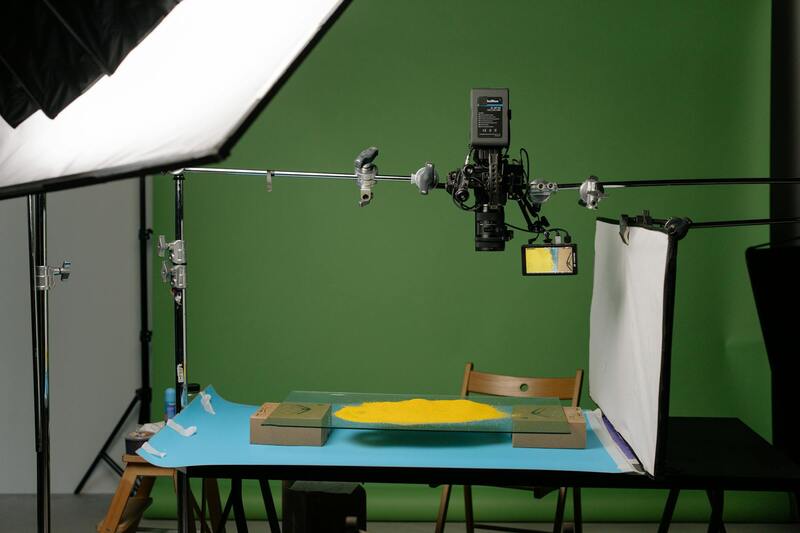
Understanding copyright laws and usage rights for any visual or audio content incorporated into the production is imperative. Proper licensing for music, stock images, and footage can prevent potential infringements that might lead to costly legal complications. Employing legal advisors or consultants familiar with the Miami media environment can provide tailored guidance, ensuring all intellectual property aspects are thoroughly addressed before filming begins.
In summary, meticulous planning around permits, rights management, and local regulations forms the backbone of a successful commercial video project in Miami. Working with experienced professionals who are well-versed in these requirements facilitates compliance and helps deliver a polished, impactful final product without legal or administrative setbacks.
Legal Considerations and Permits in Miami
Executing a commercial video production in Miami necessitates thorough awareness of local regulations and procedural requirements that ensure smooth operational flow. Securing appropriate permits is a fundamental step to avoid disruptions and maintain compliance. This includes obtaining clearances for location use, drone operations, and specific shooting activities that may impact public spaces or private properties. Early engagement with city authorities and local agencies helps anticipate permit timelines, streamline approval processes, and facilitate necessary inspections or requirements.
Moreover, it is crucial to clarify rights pertaining to intellectual property. This encompasses securing licenses for music, stock footage, and branded content to prevent inadvertent infringements. Properly documented agreements for location rights, proprietary content, and branded materials establish clear usage boundaries and protect all parties involved. When featuring individuals on camera, especially in commercial contexts, acquiring signed releases or model consents protects against potential privacy or publicity concerns, ensuring the footage can be used in various media without legal complications.
Considering Miami's vibrant environment and diverse filming locations, employing experienced legal professionals or consultants with expertise in media law helps navigate complex regulations. These specialists can advise on the necessary documentation, permits, and rights management, ensuring compliance with city ordinances, copyright laws, and employment regulations. Their input reduces risk exposure and guarantees that the project adheres to all applicable standards, resulting in a seamless production without administrative or legal hindrances.
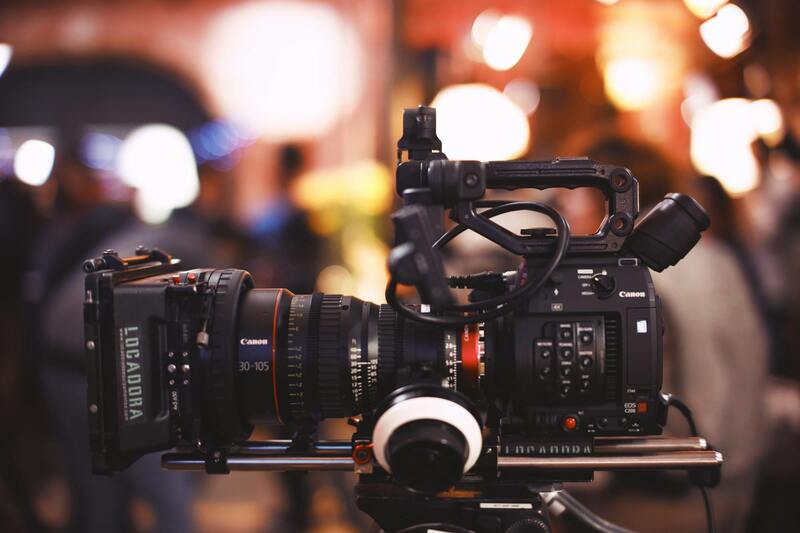
Proper planning around permits and licensing—such as location permissions, drone operation authorizations, and rights to music and footage—is essential. Leveraging professional legal counsel well-versed in local media regulations supports adherence to these requirements. This proactive approach ensures the enforcement of all necessary rights and permits, safeguarding the production timeline while avoiding potential legal or administrative setbacks. Ultimately, meticulous adherence to legal protocols not only facilitates a smooth filming process but also contributes to the production's overall quality and credibility, ensuring the final product aligns with legal standards and client expectations.
Optimize Distribution Channels and Maximize Reach for Commercial Videos in Miami
Effectively distributing commercial videos is essential to reaching target audiences and achieving the desired marketing impact in Miami’s dynamic media landscape. Strategic distribution involves selecting the appropriate channels that align with the campaign objectives, audience preferences, and the unique cultural context of Miami. These channels include digital platforms such as social media, video sharing websites, and targeted email campaigns, as well as traditional media outlets like local TV stations, radio, and outdoor advertising. Each channel requires tailored content strategies to maximize engagement, whether through short-form clips, behind-the-scenes footage, or compelling narratives that resonate with Miami's diverse demographics.
Utilizing analytics tools during distribution allows marketers to monitor campaign performance in real-time. Engagement metrics, view counts, and audience retention insights guide optimization efforts, ensuring content remains relevant and impactful throughout the campaign lifespan. Adaptive strategies, such as retargeting ads or location-specific messaging, can further refine outreach, leveraging Miami's distinct neighborhoods and cultural hotspots. Regular assessment of campaign effectiveness helps identify the most productive channels, enabling resource allocation toward outlets generating the highest return on investment.
Leveraging Local Partnerships and Community Engagement
Partnering with Miami-based organizations, cultural institutions, and community events can amplify the reach of commercial videos. These collaborations foster authentic connections with local audiences and enhance brand credibility within the community. For instance, sponsoring or participating in local festivals and using production content in community-driven initiatives create positive brand associations. These efforts help penetrate niche markets and establish a strong presence within Miami’s vibrant social fabric.
Incorporating regional accents, landmarks, and culturally relevant themes into video content during distribution ensures resonance with Miami viewers. This localized approach demonstrates an understanding of the audience’s preferences and values, leading to increased engagement and brand loyalty.
Measuring Success and Adjusting Strategies
Post-distribution analysis provides insights into what worked and what can be improved. Key performance indicators include audience reach, engagement rates, conversions, and overall brand awareness. Continuous monitoring allows campaign managers to make data-driven adjustments, such as shifting budget allocations toward higher-performing platforms or modifying creative elements to better align with audience feedback.
Retrospective evaluations should also consider the long-term impact and potential for future campaigns. Building a comprehensive distribution strategy based on these insights ensures sustained visibility and consistent growth in Miami’s competitive market environment.