
Overview of Music Video Production in Miami
Miami has emerged as a vibrant hub for music video production, drawing artists and entertainment professionals from around the globe. Its dynamic cultural landscape, diverse settings, and thriving creative community make it an ideal environment for producing visually compelling music content. Over recent years, the industry in Miami has seen exponential growth, fueled by the city's reputation as a tropical paradise with an energetic urban scene that offers endless aesthetic possibilities for music videos.
Artists are increasingly interested in Miami not only for its picturesque backdrops but also for its state-of-the-art facilities and talented local crews. The city's blend of exotic beaches, bustling cityscapes, historic districts, and lush parks provides versatile scenery for various themes and genres. This versatility allows artists to craft stories that resonate authenticity and innovation, making Miami a preferred destination for music video shoots.
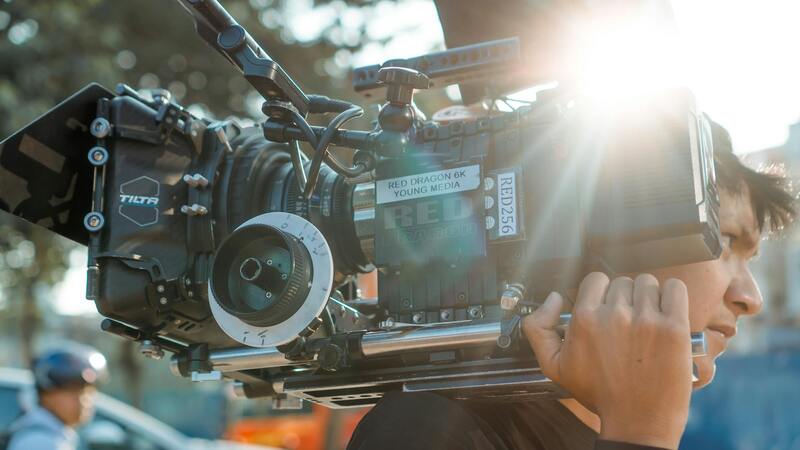
The city's growth in the music video sector is further supported by its expanding infrastructure, including modern studios, cutting-edge technology, and experienced production teams. These resources enable high-quality productions that meet the standards of major record labels and independent artists alike. The warm climate and year-round sunshine also allow for flexible filming schedules and outdoor shoots, contributing to efficient project timelines.
Moreover, Miami's role as a cultural melting pot enhances its appeal as a filming destination. The city's multicultural environment inspires innovative visual concepts, blending different styles, fashion influences, and artistic expressions into captivating videos. This diversity encourages creators to explore new narratives and experiment with contemporary visual effects, resulting in productions that are both fresh and culturally resonant.
Ultimately, the synergy of Miami's scenic variety, technological expertise, and artistic vibrancy positions it as a leading location for music video production. Artists and production companies are increasingly choosing Miami for its ability to transform visions into memorable visual stories that engage audiences worldwide.
Key Services Offered by Miami Music Video Production Companies
Miami's renowned music video production companies provide a comprehensive suite of services designed to bring artists' visual visions to life with precision and creativity. These services are tailored to meet the diverse needs of musicians, ranging from emerging talents to established performers. Central to their offerings is concept development, where creative teams collaborate with artists to craft compelling narratives and visual aesthetics that align with the song's message and branding.
Following concept creation, production companies handle scouting locations—leveraging Miami’s vibrant and diverse scenery to find settings that enhance the video's storyline. They coordinate filming schedules to optimize lighting conditions and weather, utilizing the city’s sunny climate for outdoor shoots that require minimal weather disruptions. Skilled cinematographers and camera crews employ state-of-the-art equipment, including high-definition cameras and drone technology, to capture dynamic visuals from multiple perspectives.
Post-production services constitute a significant part of the value offered. These encompass video editing, color grading, and visual effects. Miami's production teams are proficient in integrating special effects that add depth and innovation, such as CGI elements or seamless transitions, elevating the overall aesthetic. Sound editing and color correction are also meticulously handled to ensure the final piece aligns with the artist’s vision and industry standards.
Additional services often include wardrobe styling, makeup artistry, and art direction, which are crucial for creating cohesive and visually striking videos. Many companies also offer motion graphics and 3D animation services, expanding the creative possibilities for music videos that aim to stand out in today’s competitive digital landscape. This integrated approach ensures the production process remains seamless from initial idea to final delivery, adding value through efficiency and creative excellence.
Ultimately, Miami's music video production companies excel in transforming artistic concepts into vibrant visual stories through a combination of innovative technology, experienced personnel, and their deep understanding of contemporary visual culture. Their versatile services make Miami a premier choice for artists seeking to craft compelling music videos that resonate across global audiences.
Permits and Legal Requirements in Miami
Successfully executing a music video shoot in Miami involves adhering to a series of authorized procedures to ensure the project proceeds smoothly and without interruptions. Securing the appropriate permits is a critical step for outdoor filming, especially in high-profile or sensitive locations. These permits serve to coordinate with city authorities, manage traffic disruptions, and guarantee safety protocols are in place during the production process. The process typically includes submitting detailed plans of the shoot, including shot schedules, equipment details, and personnel involved.
Filming on public property, such as beaches, parks, streets, or historic districts, usually requires a permit issued by local government agencies or specific city departments responsible for permits and urban planning. It is essential to provide comprehensive documentation, including liability insurance certificates, proof of safety measures, and a clear timeline to expedite approval.
Permits are also necessary for the use of drones, special effects, or large equipment that may impact public safety or infrastructure. Drone permits often have strict limitations regarding altitude, flight zones, and privacy considerations, ensuring that the drone operations do not interfere with air traffic or other activities.
Understanding the specific requirements for each location is vital. Many Miami-based production companies have established relationships with local authorities, facilitating smoother permit acquisition processes. These companies often handle the application process as part of their comprehensive service offerings, helping clients avoid unnecessary delays and ensuring all legal stipulations are met.
In addition to geographical permits, production teams must also comply with industry standards relating to insurance and safety certifications. This not only safeguards everyone involved but also ensures the project maintains a professional standard recognized within the entertainment industry.
Permits and Legal Requirements in Miami
Securing the appropriate permissions is a critical aspect of music video production in Miami, especially when filming on location. Local authorities have established clear protocols to ensure that productions can be carried out efficiently while respecting the community and environment. These protocols typically involve applying for permits through city departments responsible for urban planning, parks, beaches, and special event management. Working with seasoned production companies familiar with these processes can significantly streamline this step, as they often handle permit applications on behalf of clients, ensuring all necessary documentation is complete and accurate.
Applying for location permits involves submitting detailed plans of the shooting schedule, the specific areas intended for use, and the nature of activities to be conducted. It’s essential to provide comprehensive documentation, including proof of insurance coverage, safety protocols, and liability waivers. For public locations such as Miami Beach, Wynwood Walls, or iconic streets like Ocean Drive, permits are mandatory and often require coordination with multiple agencies to address concerns such as crowd control, noise, and environmental impact.
In addition to location permits, productions must also secure approvals for the use of equipment that could affect public safety, such as drones, large lighting setups, or pyrotechnics. Drone operations are subject to strict limitations, including altitude restrictions and designated flight zones, and may require special authorizations from the Federal Aviation Administration (FAA) if they are to be used for filming in restricted airspace.
Adherence to safety standards and industry regulations is paramount. Many production companies maintain close relationships with the city’s permitting offices and local law enforcement agencies, facilitating faster approval timelines. They also ensure that all insurance and safety certifications are in place, minimizing the risk of delays or complications during the filming process.
Overall, understanding and efficiently managing permit requirements is essential for a hassle-free music video production experience in Miami. Proper planning and knowledge of the official procedures help prevent unforeseen issues, allowing creative visions to come to life while adhering to all local regulations and safety standards.
Permits and Legal Requirements in Miami
Successfully navigating the formal procedures involved in music video production in Miami requires a comprehensive understanding of the city’s official protocols and the steps necessary to adhere to established standards. Securing appropriate permits is an unavoidable part of filming in public and private locations, ensuring that all activities align with local regulations and safety considerations.
Before commencing the production, the filming team must submit detailed applications for location permits, which include providing a comprehensive production plan, safety measures, and proof of insurance coverage. These applications are reviewed by city agencies, and the approval process can vary depending on the scope and nature of the shoot. For instance, using iconic sites such as South Beach or Little Havana may involve additional layers of approval, especially if special equipment like drones or large lighting setups are involved.
Part of the official process encompasses obtaining clearance for the use of specialized equipment that could impact public safety or disrupt local activities. Drones, for example, are subject to strict regulations, often requiring specific flight authorizations from federal agencies, along with adherence to designated flight zones and altitude restrictions. Additionally, the use of pyrotechnics, loud sound systems, or oversized lighting rigs necessitates further approvals and coordination with local authorities.
Maintaining compliance with safety standards involves comprehensive planning, including risk assessments and securing requisite certifications. Many production companies cultivate established relationships with Miami’s permitting offices and law enforcement, enabling a faster, more streamlined process. This proactive approach minimizes project delays and ensures that all safety protocols are meticulously followed, reinforcing the importance of official procedures.
Moreover, understanding the official procedures associated with permit application, approval timelines, and required documentation—such as proof of insurance, safety plans, and liability waivers—is crucial. Properly managing these elements not only prevents disruptions but also safeguards the production from potential legal or operational issues. For example, when filming along Miami’s public beaches or bustling neighborhoods, collaboration with city officials and adherence to designated guidelines ensures a seamless production experience.
Ultimately, respecting the established procedures and official channels in Miami not only facilitates efficient permitting but also reinforces a professional approach to production, allowing creative visions to unfold within a framework of safety, responsibility, and compliance.
Permits and Legal Requirements in Miami
Securing the appropriate permits and understanding the legal framework are essential steps in the music video production process within Miami. Public spaces such as beaches, parks, downtown districts, and sidewalks often require specific authorizations to film. These permits ensure that production activities do not interfere with public operations and are conducted with respect to community standards.
Applying for permits typically involves submitting detailed project plans, including filming schedules, locations, equipment lists, and safety measures. The Miami Film Office and other municipal agencies oversee the issuance of these permits, requiring meticulous documentation to be reviewed and approved. It is advisable to initiate this process early, as permit approval timelines can vary depending on the scope and location of the shoot.
Filming on private properties also necessitates proper arrangements with the property owners. While some private venues might have existing permissions or contracts, others require customized agreements outlining the rights and responsibilities of the production team. Ensuring all necessary permissions are obtained prevents potential disruptions and legal complications down the line.
Beyond permits and property rights, compliance with local laws and ordinances—including noise regulations and restrictions on flashing lights or equipment—are critical for a smooth production. It’s advisable to work closely with local authorities and obtain necessary licenses to avoid fines or project halts.
Legal considerations extend to talent and crew contracts, insurance coverage, and adherence to safety standards. All personnel involved should be briefed on permits and regulations, emphasizing safety and community respect. This thorough planning in accordance with official protocols ensures that creative efforts proceed without legal setbacks, fostering a professional environment conducive to producing high-quality music videos in Miami’s vibrant scenery.
Permits and Legal Requirements in Miami
Successfully producing music videos in Miami requires a comprehensive understanding of the formal processes involved in securing necessary permissions and complying with city regulations. Obtaining permits is a critical step that involves submitting detailed applications to relevant local authorities, often through the city's film office or licensing department. These applications typically require information about the intended filming locations, dates, duration, equipment used, and the scope of the production. The approval process may also include site-specific considerations, especially when filming in high-traffic public areas or environmentally sensitive zones.
Filming on public properties such as beaches, parks, or city streets mandates obtaining official permits that specify the authorized areas, times, and conditions under which filming can occur. It’s vital to recognize that permits cover various aspects of the shoot, including the use of special equipment, road closures, or any potential impact on local communities. Early application submissions are advisable, as permit approval timelines can range from a few days to several weeks based on the complexity of the shoot and the location.
In addition to public areas, private properties also require clearance from owners or managers. While some private venues may offer a straightforward process for obtaining consent, others might need formal agreements that outline rights, responsibilities, and restrictions during filming. Ensuring document accuracy and completeness helps prevent delays or disruptions during production.
Adhering to the local legal framework also involves complying with noise ordinances, hours of operation, and restrictions on lighting or special effects. These regulations are designed to minimize community disturbances and protect public safety. Collaborating closely with city officials and obtaining any supplemental licenses or authorizations — such as fire permits for pyrotechnics or drone operation permits — forms a crucial part of pre-production planning.
Furthermore, all cast and crew must be covered under appropriate insurance policies that address production liabilities, equipment damage, and potential injuries. Contracts should explicitly outline roles, responsibilities, and adherence to filming guidelines, ensuring clarity across all involved parties. Briefings on permitted activities, safety protocols, and community respect bolster the professional conduct of the team and reduce the risk of legal issues arising during or after the shoot.
Legal compliance extends to recognizing the rights of residents, businesses, and other stakeholders within filming zones. Respecting privacy rights and minimizing disruptions are fundamental principles that facilitate community support and smooth logistics. Proper planning and responsible execution aligned with official regulations set the foundation for high-quality music videos that celebrate Miami’s vibrant scenery while respecting its diverse communities.
Permits and Legal Requirements in Miami
Successfully producing a music video in Miami hinges on understanding and adhering to the city’s permit system and associated legal frameworks. Proper application for filming permits ensures that productions operate within designated zones, respect community standards, and avoid conflicts with local authorities. Typically, these permits are issued through the city’s film office or relevant municipal agencies, and require submission of detailed production plans, including shooting schedules, locations, and safety measures.
Additional permissions might be necessary for specific activities such as the use of drones, pyrotechnics, or special effects. Obtaining drone operation permits involves coordination with aviation authorities to ensure flight safety over densely populated areas. Fire permits are essential when incorporating pyrotechnics or fire effects, necessitating a comprehensive safety inspection and emergency protocols. Lighting and electronic equipment setups must also meet electrical safety standards, especially in urban environments where power sources are limited or shared.
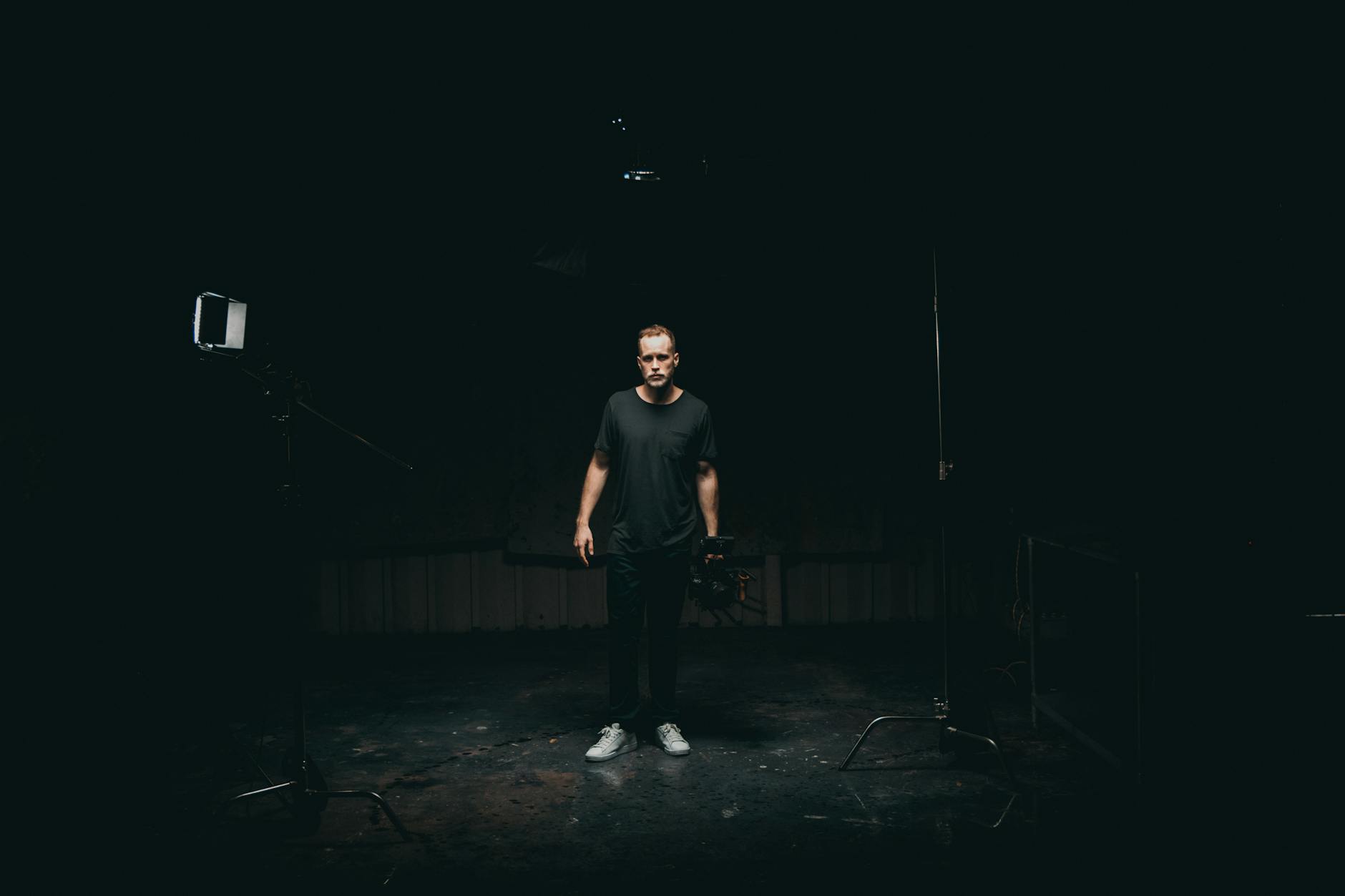
Furthermore, productions need to respect local noise ordinances, which regulate sound levels during filming. Typically, this involves scheduling shooting hours during permitted times and employing sound mitigation techniques to minimize disturbances. Since Miami is characterized by its vibrant communities and bustling neighborhoods, communication with local residents and businesses can significantly streamline the process and foster a cooperative environment.
Insurance coverage forms a core component of legal compliance. Comprehensive policies safeguard against potential liabilities stemming from property damage, accidents, or injuries on set. Clear contractual agreements with cast, crew, vendors, and location owners outline responsibilities and expectations, reducing misunderstandings and ensuring smooth collaboration.
Respect for residents’ privacy and property rights necessitates maintaining a respectful distance and obtaining consent when filming near private residences or commercial establishments. This respect not only encourages community goodwill but also helps prevent disputes or obstructions during the shoot. Adhering to all regulations and guidelines outlined by Miami’s film office and city agencies creates a professional environment conducive to producing high-quality music videos that resonate with Miami’s unique vibrancy and cultural diversity.