
Overview of Video Production Industry in Miami FL
Miami FL has established itself as a vibrant hub for video production, driven by its dynamic culture, diverse locations, and growing demand for visual content across multiple sectors. The local industry is supported by a network of experienced production companies, creative agencies, and technical specialists who are adept at delivering high-quality video content tailored to various client needs. The market size has expanded significantly over recent years, reflecting an increase in digital marketing campaigns, entertainment projects, corporate videos, and real estate promotions that leverage Miami's picturesque scenery and bustling urban landscape.
Phenomena such as Miami's thriving tourism industry, active nightlife, and international appeal create a unique environment conducive to compelling visual storytelling. This has attracted numerous production companies that specialize in everything from commercials and branded content to feature films and music videos. Major industry players have invested in state-of-the-art equipment and innovative techniques, establishing Miami as a competitive market on the national and international stage.
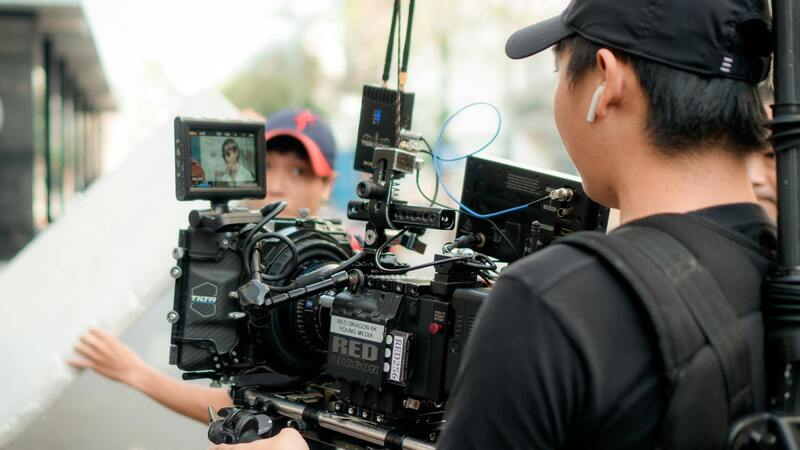
The industry also benefits from collaborations with local talent, including directors, cinematographers, and production crews who bring a wealth of experience and creative expertise. As demand continues to grow, so does the scope for specialized services such as drone cinematography, virtual reality integrations, and live event coverage, reinforcing Miami's status as a comprehensive hub for video content creation.
This evolving landscape underscores Miami FL’s appeal to brands, media companies, and independent creators looking to craft impactful visual narratives rooted in a diverse and inspiring locale. Accordingly, the industry is poised for sustained expansion, driven by technological advancements and an increasing appetite for original, engaging video material across all sectors.
Legal, Permits, and Regulations in Miami FL Video Production
Executing a professional video production in Miami FL requires adherence to a comprehensive set of legal procedures, permit acquisitions, and regulatory guidelines that ensure the safety, privacy, and organizational compliance of all involved parties. These protocols are established by local authorities and industry standards, aimed at facilitating smooth filming operations within the city’s diverse environments.
One of the foundational steps involves securing permits for shooting in public spaces, which is essential for maintaining order and respecting municipal regulations. Miami’s city government typically requires production companies to submit detailed plans that specify locations, filming dates and times, and the scope of activities. This process helps to coordinate with local law enforcement and city officials to minimize disruptions and ensure public safety.
Additionally, when filming involves drone cinematography, specific permissions are mandated due to airspace restrictions, particularly around sensitive areas such as airports, governmental buildings, or densely populated zones. Obtaining FAA authorization is a critical step, which often involves filing detailed flight plans and adhering to safety protocols designed to prevent accidents and interference with air traffic.

Licensing and insurance are also vital components of legal compliance. Production companies are required to carry appropriate liability insurance that covers potential damages or injuries during filming. This insurance not only provides protection for the crew but also demonstrates professionalism and responsible operation to local authorities.
Hosting large-scale events or utilizing special effects, such as pyrotechnics or extensive lighting setups, often involves additional permits. These are issued after evaluations of safety measures and environmental considerations, ensuring that the production minimizes adverse impacts on the surroundings and complies with environmental regulations.
Respecting privacy rights and copyright laws forms another critical element. Filming in private properties necessitates prior agreements with property owners, and filming content featuring recognizable individuals or protected intellectual property must be managed with appropriate permissions and releases. This process prevents potential legal disputes and safeguards the integrity of the production.
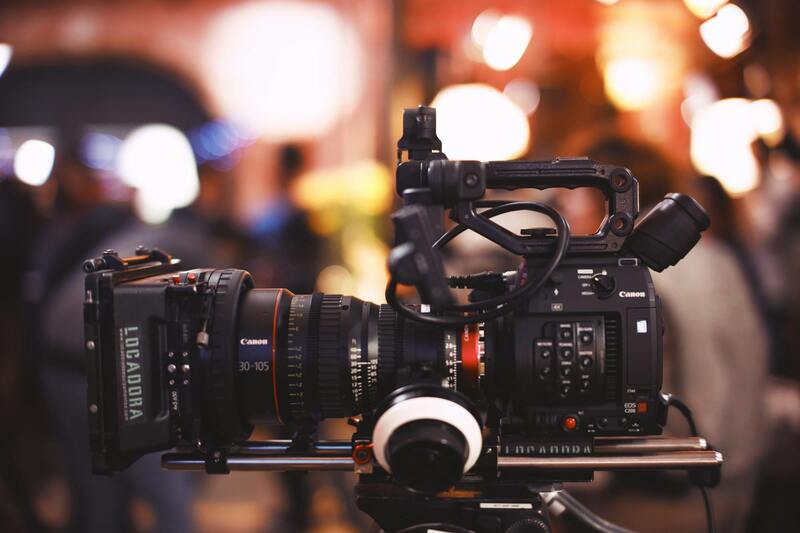
The overall process requires collaboration with local agencies and a thorough understanding of Miami’s specific regulatory landscape. Partnering with experienced legal counsel or safety coordinators familiar with Miami’s film regulations can streamline applications, ensure compliance, and avoid costly delays. Directors and production managers should allocate sufficient time for permit acquisition—typically ranging from a few days to several weeks—to accommodate city processing times.
Adhering to these official procedures not only facilitates a lawful and efficient filming environment but also enhances the production company's reputation within the industry. Proper planning and compliance are integral to delivering successful video projects that meet regulatory standards, respect local communities, and achieve creative objectives seamlessly within Miami’s vibrant urban setting.
Overview of Video Production Industry in Miami FL
Miami, FL has established itself as a dynamic hub for the video production industry, leveraging its vibrant urban landscape, diverse cultural backdrop, and state-of-the-art facilities. The city's strategic location, coupled with a thriving creative community, makes it an ideal destination for producing a wide array of visual content ranging from commercials and promotional videos to feature films and documentary projects. Local expertise is bolstered by a network of seasoned professionals, including directors, cinematographers, editors, and post-production specialists, all contributing to a robust industry that caters to both national and international clients. The growing demand for high-quality visual storytelling is driven by Miami's prominence as a cultural and business epicenter, attracting creative talent and investment from around the globe. As the industry continues to evolve, Miami’s video production sector emphasizes innovation, professionalism, and adherence to the highest standards of quality, positioning itself as a key player within the southeastern United States.
Economic Impact and Industry Growth
The economic contribution of Miami’s video production industry extends beyond entertainment, impacting tourism, advertising, and technological sectors. Industry reports indicate consistent year-over-year growth, supported by increased investment in infrastructure and talent development programs. The city’s favorable tax incentives and resource accessibility further encourage both small and large-scale production companies to operate efficiently within its boundaries. This sector not only creates numerous employment opportunities but also fosters innovation through collaborations with local educational institutions and tech startups, paving the way for future advancements in film and video technology.
Moreover, Miami’s diverse environments—from urban cityscapes and pristine beaches to lush parks—offer unique filming locations that enhance creative possibilities. This diversity provides unparalleled flexibility for productions seeking a variety of backdrops within a single cityscape. The continued expansion of specialized studios and post-production facilities ensures the industry’s capacity to handle projects of all sizes while maintaining high standards of quality and efficiency.
Legal, Permits, and Regulations in Miami FL Video Production
Successfully navigating the legal landscape of video production in Miami FL requires a comprehensive understanding of the necessary permits and regulatory requirements. These procedures ensure that projects proceed smoothly while respecting local ordinances and community standards. Compliance not only safeguards production companies from potential disruptions but also fosters positive relationships with local authorities and communities.
One of the fundamental steps involves obtaining filming permits from relevant city agencies, especially for projects planned in public spaces, parks, or city streets. These permits typically specify the scope and duration of filming, adherence to noise regulations, and consent for any special effects or equipment setups that may impact the surrounding environment.
In addition, productions requiring the use of public or private properties must secure location agreements. These agreements outline access rights, liability considerations, and restrictions specific to each site. It is imperative to coordinate with property owners or local authorities well in advance to secure necessary permissions and prevent potential legal issues during production.
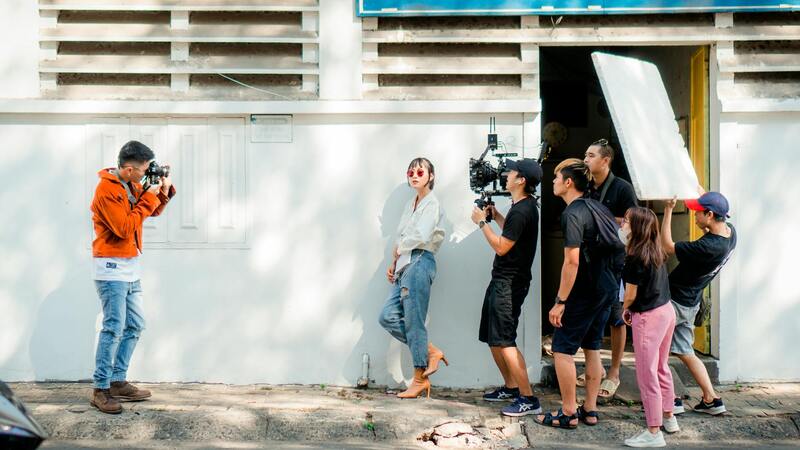
Miami's diverse environments demand adherence to various specific regulations. For instance, shooting drones or aerial footage necessitates permits from federal aviation authorities, adding an extra layer of compliance. Similarly, sound ordinances in lively neighborhoods may restrict certain noise levels or filming hours to minimize community disruption.
Production companies should also be aware of licensing requirements for specific equipment, such as specialized lighting or camera gear, especially if they involve the use of copyrighted materials, protected locations, or branded assets. Understanding the scope and limits of intellectual property rights ensures that all media used aligns with local laws and avoids costly disputes.
Collaborating with local legal experts or consultants experienced in Miami’s regulatory framework can streamline the process and help anticipate potential challenges. They aid in securing necessary documentation promptly, ensuring projects remain on schedule and within budget. Being proactive in understanding and complying with all regulatory requirements establishes a foundation of professionalism and respect towards the community and local authorities, ultimately contributing to the success of any Miami-based video production effort.
Legal, Permits, and Regulations in Miami FL Video Production
Navigating the legal landscape for video production in Miami FL requires meticulous attention to the various permits, licenses, and compliance standards that govern filming activities across the city and its diverse environments. Ensuring adherence to these regulations not only facilitates a smooth production process but also upholds the integrity and professionalism of the project.
One of the primary considerations involves acquiring the necessary filming permits from local authorities. These permits are essential when working in public spaces, parks, or government-owned properties. It is important to submit detailed applications well in advance, outlining the scope, locations, and dates of the shoot to avoid delays. Specific requirements may include proof of insurance, detailed shooting schedules, and contexts for any use of special equipment.
For aerial and drone footage, approval from federal aviation agencies is mandatory. This entails comprehensive planning to comply with federal regulations regarding drone operation, such as flight altitude restrictions, no-fly zones, and pilot licensing requirements. Securing these permits well ahead of the production schedule minimizes delays and ensures safety protocols are followed.
Location-specific regulations also play a significant role. Shooting in busy neighborhoods or historic districts might require additional permissions to minimize community disruptions or protect culturally significant sites. Sound ordinances are another crucial element; many areas impose restrictions on noise levels and set specific hours for filming, especially during evenings and weekends. Respecting these policies ensures harmonious community relations and avoids potential fines or project halts.
Equipment licensing and intellectual property laws are equally critical. Using copyrighted music, protected artwork, or branded assets without proper rights can lead to costly disputes. It is vital that production teams verify licensing agreements for all media content incorporated into the final product. Consulting with local legal experts or specialists familiar with Miami’s regulatory environment can significantly streamline compliance efforts, helping to obtain necessary documentation swiftly and avoid legal pitfalls.
By proactively managing permits, understanding regional regulations, and collaborating with experienced legal advisors, production companies demonstrate a commitment to professionalism and respect for local laws. This approach not only facilitates seamless production but also reinforces positive relationships within the community, paving the way for future projects and sustained success in Miami’s vibrant video production scene.
Legal, Permits, and Regulations in Miami FL Video Production
Engaging in video production within the dynamic environment of Miami FL necessitates a thorough understanding of the official procedures and documentation required to ensure a smooth filmmaking process. While creativity and technical expertise are paramount, adherence to established protocols safeguards projects from delays and compliance issues. These protocols involve obtaining appropriate permits, adhering to local ordinances, and respecting community standards that govern filming activities.
The permit application process usually involves submitting detailed plans of the shoot, including locations, dates, times, and a description of equipment used. It is essential to specify whether the production involves any special effects, drone usage, or varying sound levels to streamline approval times. Permits are typically issued by city or county agencies responsible for overseeing construction, public safety, and community welfare, such as the Miami-Dade Department of Regulatory and Economic Resources or local municipal offices.
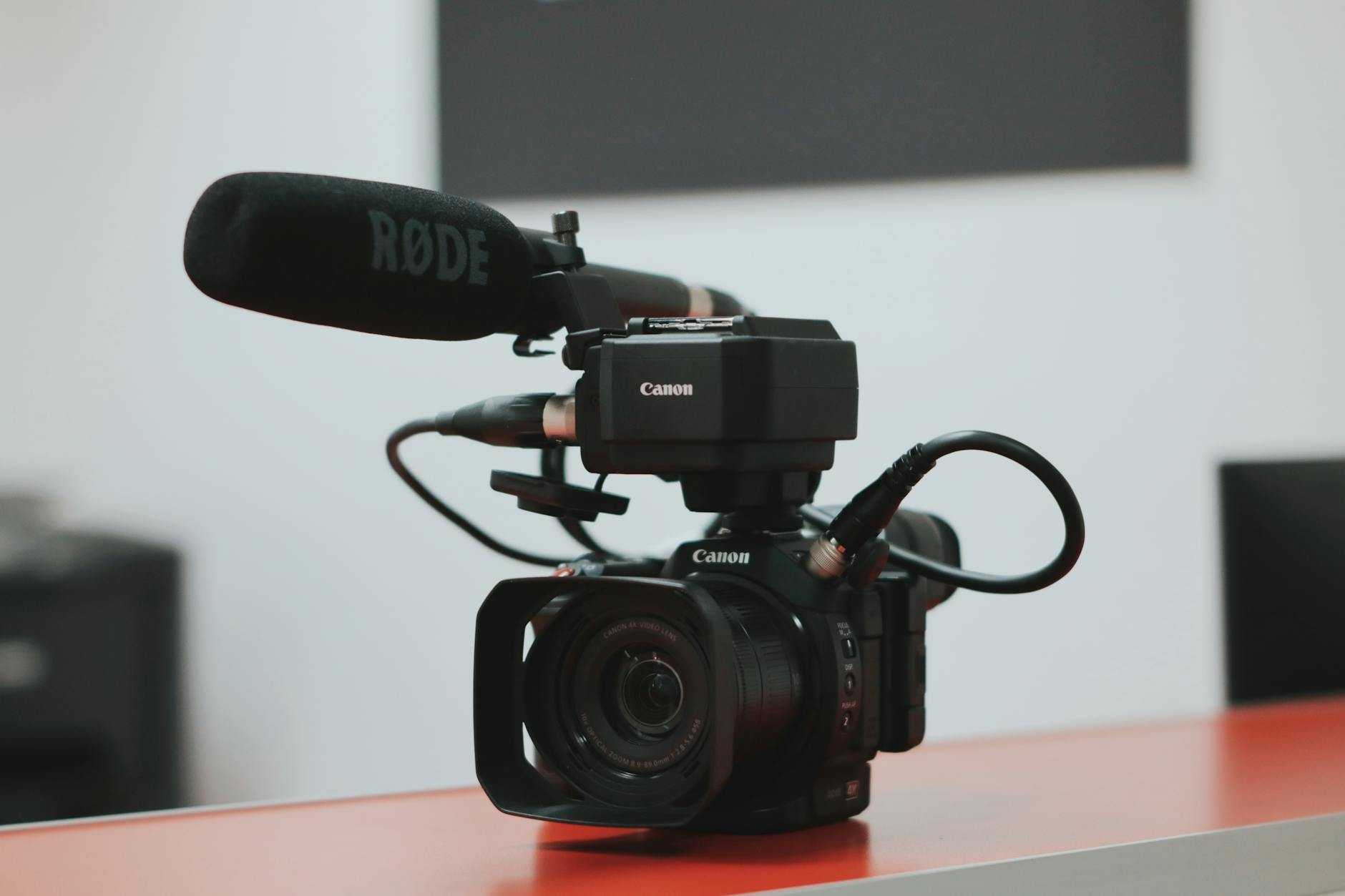
Beyond permits, compliance with regulations related to public spaces is critical. This includes understanding and respecting noise ordinances, especially when filming in residential or sensitive areas. Filmmakers should be aware of designated hours for noise levels and minimize disturbances that could impact residents or local businesses. Securing permits also involves coordinating with law enforcement or security personnel to manage road closures or traffic control if necessary.
Intellectual property rights are another fundamental aspect of legal preparation. Using copyrighted music, proprietary visuals, or branded products without proper authorization can result in costly disputes. It is vital to acquire licenses or permissions for all media elements incorporated into the video project, thereby safeguarding against infringement claims. Consulting with legal advisors familiar with Miami’s regulatory landscape can assist in drafting or reviewing licensing agreements to ensure full compliance.
Personnel involved in production should also be familiar with OSHA and safety regulations to maintain a secure environment for cast and crew. Proper risk assessments, insurance coverage, and adherence to safety standards can prevent accidents and liabilities, bolstering the professional integrity of the project.
In sum, a well-organized approach to permits and regulations not only ensures legal adherence but also portrays a professional image. This proactive strategy allows production teams to focus on creative aspects, with the confidence that all official requirements are managed efficiently. Developing strong relationships with local authorities, understanding the detailed permit procedures, and respecting all community guidelines are essential steps toward a successful filming operation in Miami FL.
Legal, Permits, and Regulations in Miami FL Video Production
Undertaking video projects in Miami FL requires meticulous attention to legal requirements that govern filming within the city. This process involves obtaining the necessary permits that align with the specific location and scope of the shoot. Permits are essential for ensuring that the production activities adhere to local ordinances, community guidelines, and safety standards. Securing these documents usually involves submitting detailed plans, including filming schedules, location details, and safety protocols, to various city departments such as the Miami Film Office or the local police department.
Moreover, coordination with municipal authorities can facilitate road closures, traffic control, or the use of city-owned spaces. These logistics often require advance planning and clear communication to avoid disruptions and ensure smooth operations. It is advisable to engage with local government representatives early in the planning stage to streamline permit approval processes.
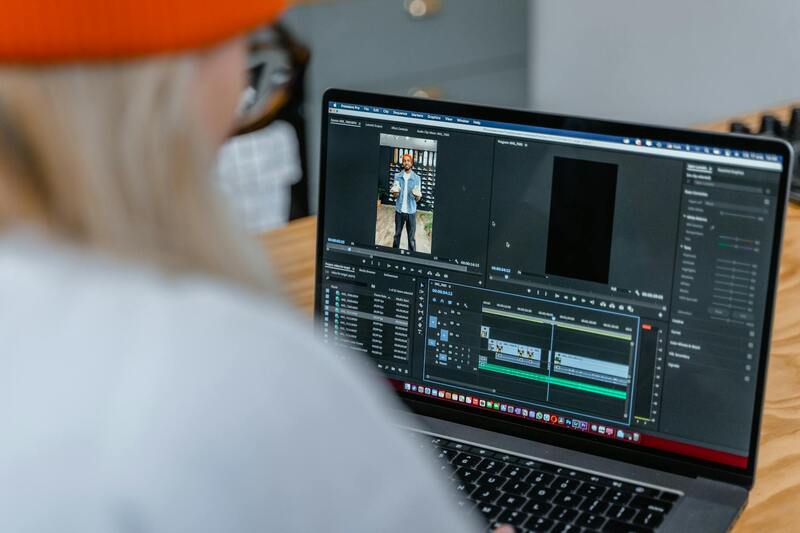
Intellectual property rights form another critical aspect of legal considerations. When incorporating copyrighted music, visual assets, or branded products into the video, licensing agreements and permissions must be secured. These precautions prevent potential disputes related to unauthorized use of copyrighted material. Consulting with legal professionals familiar with Miami’s media laws can aid in drafting licensing agreements and verifying that all media components are properly licensed.
Safety and personnel regulations are equally important to maintain compliance from a regulatory standpoint. Ensuring adherence to OSHA standards, conducting risk assessments, and having comprehensive insurance coverage helps mitigate hazards during production. Proper safety protocols not only protect the cast and crew but also demonstrate a commitment to professional standards.
Developing strong relationships with city officials and understanding the specific permit procedures are fundamental for efficient project execution. Respect for community guidelines and proactive communication with local authorities are key steps toward avoiding legal complications and fostering goodwill. These measures pave the way for a successful filming experience that complies with all official requirements, supporting the production’s quality and reputation within the Miami filmmaking community.
Comprehensive Approaches to Legal and Regulatory Compliance in Miami FL Video Production
Successfully navigating the legal landscape of video production in Miami, FL, involves meticulous adherence to established procedures and best practices designed to safeguard your project from delays, fines, or other complications. When organizing a shoot, one must start with a thorough understanding of the local permitting process, which entails identifying the appropriate city offices and submitting detailed applications tailored to the scope and location of the shoot. Engaging with city officials proactively ensures clarity on requirements and fosters a positive working relationship, streamlining approval timelines.
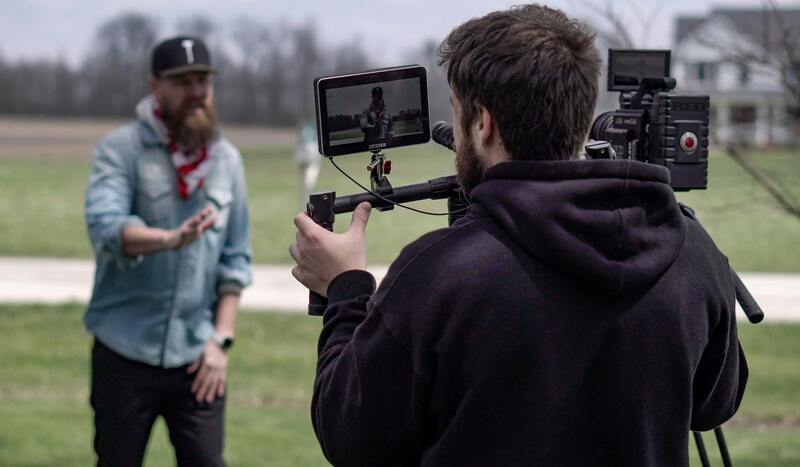
Proper documentation is paramount. This includes securing permits for specific filming locations, which may vary from public parks and downtown districts to private properties. Each location has its own set of guidelines and application processes, often with specified fees and submission deadlines. Providing comprehensive details about the intended activities, filming dates, equipment used, and safety measures helps expedite approval and demonstrates professionalism.
Understanding and Managing Intellectual Property Rights
Ensuring all media components used in Miami FL video productions are properly licensed is essential in avoiding legal disputes. Rights for music, visual assets, logos, and branded products must be acquired through clear licensing agreements or necessary permissions before shooting commences. This proactive approach not only prevents infringing on copyrights but also builds trust with clients and stakeholders.
Insurance and Safety Protocols
Adhering to safety standards outlined by OSHA and Miami's local regulations minimizes risks associated with on-set activities. Comprehensive insurance coverage should be in place to protect cast, crew, and equipment. Risk assessments, safety briefings, and proper safety gear contribute to a secure environment, aligning with industry best practices.
Community Relations and Ethical Considerations
Respect for the community and its guidelines is vital when conducting filming activities in Miami. Establishing good communication channels with local authorities and community groups fosters positive relationships and helps address concerns proactively. Ensuring minimal disruption and adhering to community standards enhances the reputation of your production and encourages smoother operations.
Documentation and Record-Keeping
Maintaining detailed records of permits, licensing agreements, insurance policies, and safety protocols not only facilitates compliance but also provides essential documentation should any questions arise post-production. Keeping organized files signals professionalism and readiness for audits or reviews.
By meticulously managing these legal and regulatory components, Miami FL video production projects can proceed efficiently, legally secure, and with reduced risk—ultimately supporting high-quality output and satisfied stakeholders.