
Overview of Video Production in Miami
Miami has established itself as a vibrant hub for high-quality video production, attracting a diverse array of projects ranging from commercial advertisements to cinematic films. The city’s unique blend of stunning waterfronts, iconic architecture, and multicultural influences creates an inspiring backdrop that enhances the storytelling process. Over recent years, the growth of the Miami video production industry has been driven by increasing demand from local businesses, international brands, and entertainment companies seeking authentic and visually compelling content.
This expanding industry encompasses various types of projects, including promotional videos for tourism, music videos reflecting the city’s lively culture, corporate training videos, real estate showcases, and feature-length films. Miami’s diverse landscapes and cityscapes provide filmmakers and production crews with a versatile environment that minimizes the need for extensive location scouting outside the area. Additionally, the city’s infrastructure supports efficient production workflows, with a range of studios, equipment rental companies, and experienced professionals available to facilitate projects of all sizes.
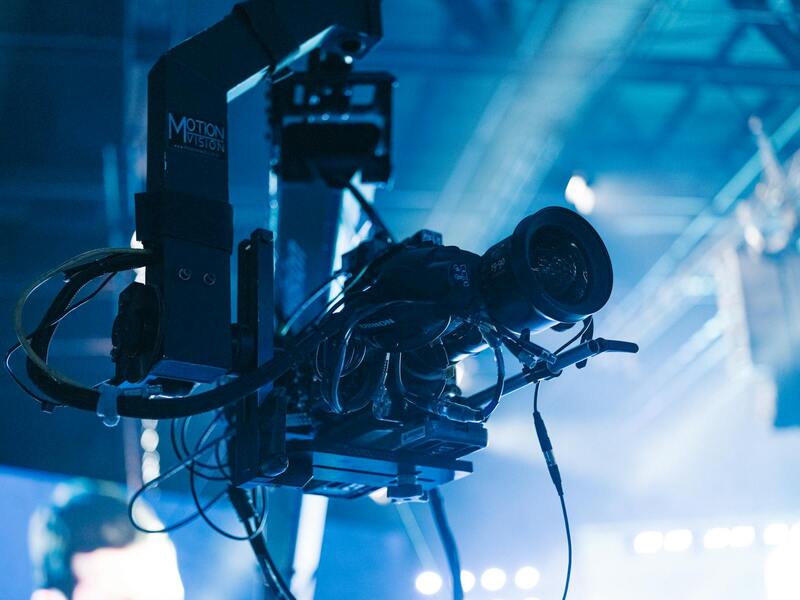
The rapid development of infrastructure and the availability of seasoned crew members have further propelled Miami’s reputation as a premier choice for video production. Local agencies leverage the city’s dynamic environment to create visually striking content that resonates with both regional and global audiences. As the industry evolves, Miami continues to attract innovative projects by combining its natural allure with professional expertise, ensuring its position as a leading city in the realm of video production.
Factors Influencing Video Production in Miami
Several key elements shape the landscape of video production in Miami, influencing both the quality of the final product and the efficiency of the production process. Understanding these factors helps clients and producers optimize their projects, ensuring that their creative visions are realized effectively within the city's unique environment.
Environmental and Climatic Conditions
Miami’s tropical climate offers abundant sunshine and warm temperatures year-round, which is advantageous for outdoor shoots. However, the city’s susceptibility to sudden rain showers and hurricane season necessitates flexible scheduling and contingency planning. Production teams often utilize covered locations or indoor studios to mitigate weather-related disruptions, and weather monitoring becomes a routine part of pre-production planning.

Location Diversity and Accessibility
One of Miami’s standout features is its diverse range of locations, from vibrant urban environments and historic neighborhoods to pristine beaches and lush parks. This geographic variety allows for versatile storytelling without extensive travel, reducing costs and logistical complexity. Accessibility to these locations is facilitated by the city's well-developed transportation infrastructure, enabling quick movement of crews and equipment across sites.
Infrastructure and Technological Resources
Miami boasts a robust network of studios, rental facilities, and post-production houses equipped with state-of-the-art technology. High-speed internet, sophisticated editing software, and professional-grade equipment ensure that production workflows remain streamlined. The availability of these resources minimizes delays and enhances the overall quality of the deliverables.
Local Talent and Professional Expertise
Having access to seasoned professionals—such as directors, cinematographers, camera operators, sound engineers, and editors—elevates the standard of Miami's video projects. Local talent is familiar with the city’s various shooting locations and logistics, contributing valuable insights to the production planning process. Collaboration with experienced professionals helps maintain high standards and ensures projects meet industry expectations.
Regulatory Compliance and Permitting
Miami’s vibrant film and media scene is supported by clear policies and permitting procedures that streamline the approval process for commercial, documentary, or film shoots. Acquiring necessary permits involves coordination with city officials and adherence to safety and environmental guidelines. Effective navigation of these processes prevents delays and legal complications, allowing production teams to focus on creative execution.
Cost Considerations and Economic Factors
Production costs can vary based on location, scope, and resource requirements. Miami’s competitive market for production services often results in favorable pricing for clients, especially in comparison to other major metropolitan areas. Understanding local rates for talent, equipment rental, permits, and facility usage helps in accurate budgeting and fiscal planning.
Community Engagement and Cultural Context
Engaging with Miami’s diverse communities and understanding cultural nuances enhances the authenticity of video content. Respectful interactions and proper permissions foster positive relationships and facilitate smoother production processes. Incorporating local elements also resonates more effectively with regional audiences and adds depth to storytelling.
Legal and Permitting Considerations in Miami
Successfully navigating the regulatory landscape in Miami is fundamental to the smooth execution of video production projects. While explicit legal terminology is avoided, understanding the proper procedures for securing necessary permissions is crucial. Producing high-quality video content begins with attention to location-specific requirements that help avoid interruptions or unforeseen complications.
The process often involves coordination with local authorities to obtain permits for various types of shooting activities. These permits ensure that filming complies with city guidelines concerning safety, environmental impact, and public space usage. Engaging with the appropriate city departments early in the planning phase simplifies the approval process, reducing the risk of delays and ensuring that all activities are conducted within established parameters.
Producers and filmmakers should submit detailed application forms that outline the scope of work, location, equipment needs, and intended dates of production. Alongside these documents, detailed site plans and safety measures are often required to demonstrate responsible planning. It’s important to adhere to specific guidelines regarding noise levels, parking arrangements, and water or power needs, as these factors often influence permit approval.
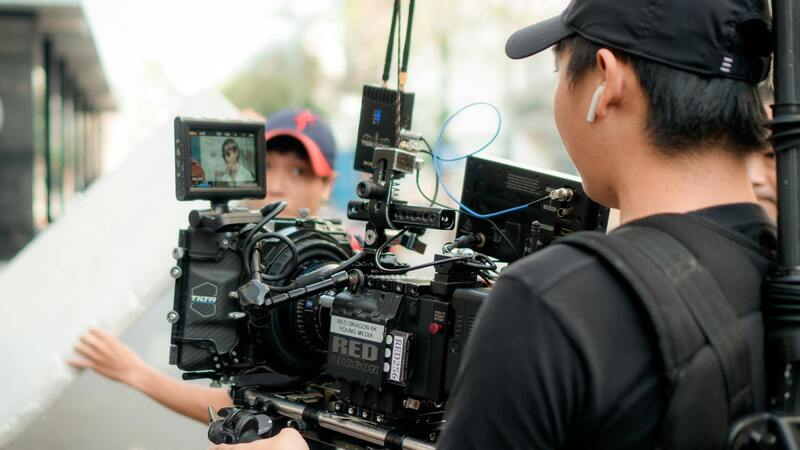
Following permit acquisition, maintaining open communication with city officials and adhering strictly to approved plans helps prevent violations. If adjustments are necessary, prompt consultation and reapplication may be required. This proactive approach supports compliance and fosters positive relationships with local authorities, facilitating future projects in the area.
Understanding the specific requirements for different types of productions, whether commercial shoots, documentaries, or larger film projects, allows production teams to plan effectively. Proper documentation, timely applications, and adherence to guidelines collectively contribute to a professional and trouble-free filming experience in Miami.
Factors Influencing Video Production in Miami
Miami’s vibrant and diverse environment offers numerous opportunities for impactful video projects, yet several crucial factors shape the planning and execution process. Understanding these variables enables production teams to optimize their workflows, ensure compliance, and achieve high-quality results aligned with project goals.
One of the primary considerations is the unique geographic and climatic conditions inherent to Miami. The city’s tropical climate, with its high humidity and sudden weather shifts, necessitates advanced planning for outdoor shoots. Producers must incorporate flexible scheduling and backup plans to account for rain or wind disruptions, especially during peak storm seasons. Incorporating weather-resistant equipment and safety measures further minimizes operational risk and preserves footage quality.
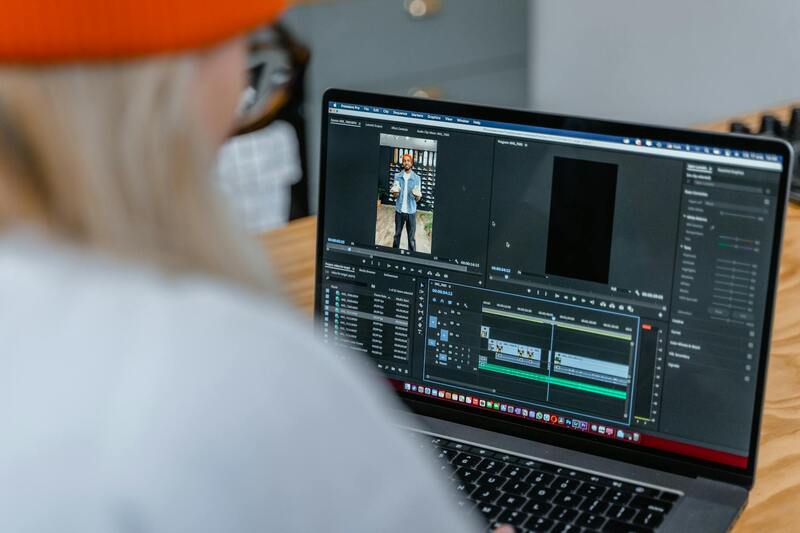
Urban infrastructure and logistical factors also significantly impact production workflows. Miami’s busy metropolitan areas feature complex traffic patterns, limited parking options, and stringent city regulations. Coordinating shoot times to avoid peak traffic, obtaining necessary permits, and arranging for parking and transportation of equipment demand meticulous planning. It’s advisable to work closely with local authorities and city offices early in the process to streamline permit applications and secure access to desired locations.
Furthermore, Miami’s vibrant cultural landscape influences content themes and location choices. Filming in popular districts or historic neighborhoods may require special permits and adherence to community guidelines, ensuring respectful use of public spaces. Permission from local business owners or community organizations can smooth access, especially for commercial projects or promotional videos.
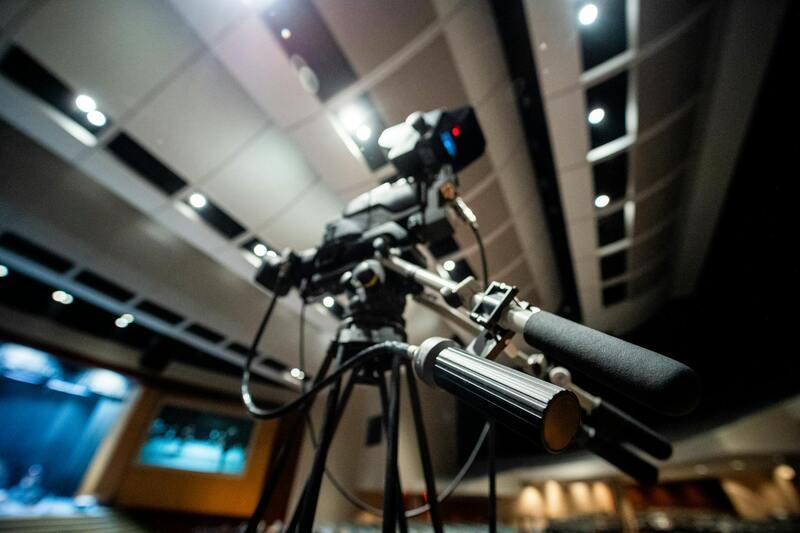
The diversity of Miami’s population also introduces unique opportunities and challenges. Cultural sensitivity in content creation is paramount, especially when depicting local communities or using public art and landmarks. Fostering positive relationships with local stakeholders, including residents and municipal officials, facilitates smoother production activities and helps maintain a positive community image.
Technical resources, availability of skilled personnel, and equipment also influence project execution. Miami boasts a robust network of experienced professionals ranging from crew members to post-production editors, all familiar with the city’s unique production landscape. However, scheduling and resource allocation should be planned well in advance to accommodate fluctuating availability and credential requirements, such as special licenses for drones or heavy equipment.
Finally, consideration of environmental and ethical standards increasingly impacts video production. Eco-friendly practices, such as minimizing waste and reducing noise pollution, align with Miami’s sustainability initiatives and community expectations. Ensuring compliance with these guidelines not only preserves the environment but also enhances a production’s reputation and fosters community goodwill.
Steps in the Video Production Process
Effective video production in Miami requires a structured approach that ensures each phase is meticulously executed to achieve desired outcomes. From initial concept development to final delivery, each step involves detailed planning, coordination, and execution by professionals experienced in Miami’s dynamic environment.
Pre-Production Planning
This foundational stage involves brainstorming, conceptualizing, and outlining the project's objectives. It includes scripting, storyboarding, scouting locations within Miami’s diverse neighborhoods, and selecting appropriate talent and equipment. Given Miami’s unique landscape, cultural diversity, and urban scenery, thorough location scouting ensures the visuals align with the project's aesthetic and narrative intentions. Additionally, permits and necessary approvals are arranged during this phase to facilitate smooth shooting days.
Production Execution
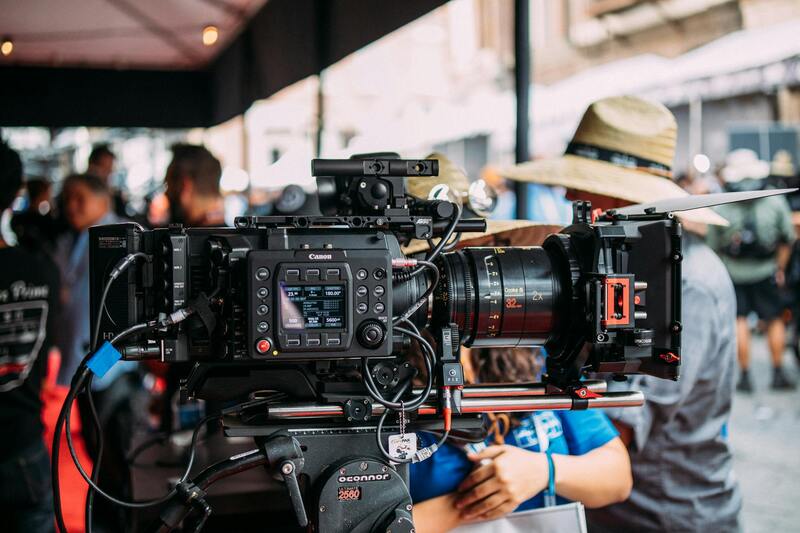
The filming phase involves capturing footage with an emphasis on technical precision and creative storytelling. Miami’s vibrant cityscape, beaches, and multicultural settings provide an outstanding backdrop but also demand careful logistical planning. Crew members must coordinate shooting schedules to optimize natural lighting and weather conditions, especially considering Miami’s subtropical climate. The use of drones and aerial cinematography is prevalent here, and securing the right licenses for such equipment is crucial. Directors, cinematographers, and production assistants work seamlessly to realize the script’s vision, ensuring shots are framed correctly, and sound is captured without interference.
Post-Production Stages
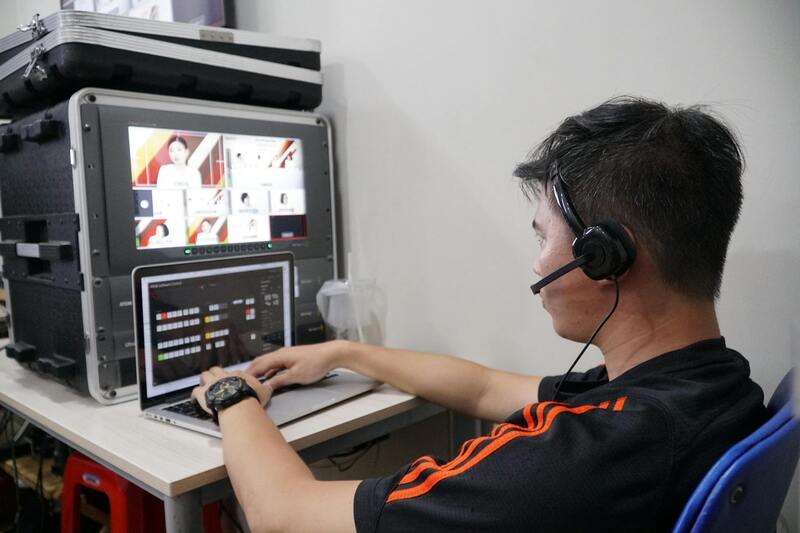
Post-production involves editing, color correction, sound design, and visual effects, transforming raw footage into a polished final product. Miami-based editing houses utilize advanced software to ensure high-quality outputs that meet client standards. Given the multicultural audience in Miami, subtitles and localized content are often integrated to enhance reach. The color grading process accentuates the vibrant hues of the city, highlighting its energy and diversity. Sound editing incorporates Miami’s vibrant soundscape, natural and urban sounds, to create an immersive experience for viewers.
Distribution and Marketing
Following completion, strategic dissemination of the video maximizes exposure. This includes hosting on digital channels, social media platforms, and broadcast outlets prevalent in Miami’s media landscape. Considering the city’s high engagement levels online, tailored marketing campaigns and strategic partnerships with local influencers or media outlets boost visibility. Analytics are used to track viewer engagement, refine promotional strategies, and ensure the campaign’s success aligns with the project’s goals.
Legal and Permitting Considerations in Miami
Successful video production in Miami requires adherence to a series of established procedures designed to facilitate smooth filming processes while respecting local regulations. This includes obtaining the necessary permits for various filming activities to ensure compliance with city ordinances and property rights. Proper permits are essential when filming in public spaces, iconic landmarks, or private properties to avoid delays or disruptions during production.
Filming in Miami often involves coordinating with city agencies responsible for public spaces, such as the Miami Film Office or local parks departments. They oversee the issuance of permits that outline specific requirements, restrictions, and fees associated with filming in certain areas. Presenting a detailed production plan that includes shooting locations, dates, times, and technical needs helps expedite permit approval processes.
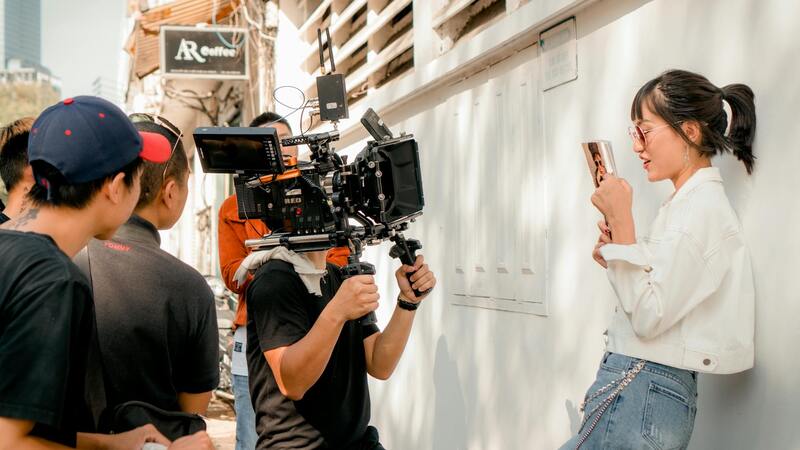
In addition to city permits, securing permissions from private property owners is crucial when filming on private land or buildings. These accommodations often involve contractual agreements that specify the scope of the shoot, indemnification clauses, and fees. Having clear communication and written agreements with property owners minimizes misunderstandings and provides legal clarity.
Environmental considerations also play a role in Miami's film activities, especially when shooting near sensitive ecological zones or beaches. Permits may include guidelines to protect local wildlife and natural resources, requiring production teams to implement environmentally conscious practices.
Beyond permits, compliance with safety protocols and insurance policies is vital. Production companies should carry comprehensive coverage to protect against potential liabilities, damages, or accidents on set. Insurance coverage often required by city regulations includes general liability, workers’ compensation, and equipment protection, ensuring all parties are protected during the production process.
Each project’s scope influences the complexity of legal requirements and permit application procedures. Engaging with experienced local professionals, such as permit consultants or legal advisors specializing in media production, can streamline the process. Their knowledge of Miami’s regulatory landscape ensures all documentation is correctly prepared and submitted, reducing the risk of permit refusals or legal issues.
Meticulous planning and adherence to local regulations upheld during every phase of production help protect the project from avoidable interruptions, allowing for a seamless filming experience in Miami’s vibrant and diverse environment.
Legal and Permitting Considerations in Miami
Successfully navigating the landscape of legal and permitting considerations is essential for any video production in Miami. This involves understanding the specific requirements for filming in different locations across the city, whether on public streets, parks, beaches, or private properties. Each site demands adherence to established procedures designed to ensure safety, environmental protection, and community harmony.
Before initiating a shoot, production teams must secure appropriate permits that specify the scope, duration, and nature of the filming activities. Permit applications typically include detailed plans outlining filming schedules, equipment to be used, safety measures, and impact mitigation strategies. These documents are reviewed by relevant city departments, which assess compliance with local regulations and ensure the protection of public interests.
Location-specific permits are often required, especially for iconic Miami sites such as Miami Beach, Biscayne Bay, or downtown districts. Obtaining these permits involves submitting detailed site plans, proof of insurance, and, in some cases, payment of associated fees. The process can vary significantly based on the location and type of production, emphasizing the importance of working with local permit specialists or legal advisors experienced in Miami’s regulatory environment.
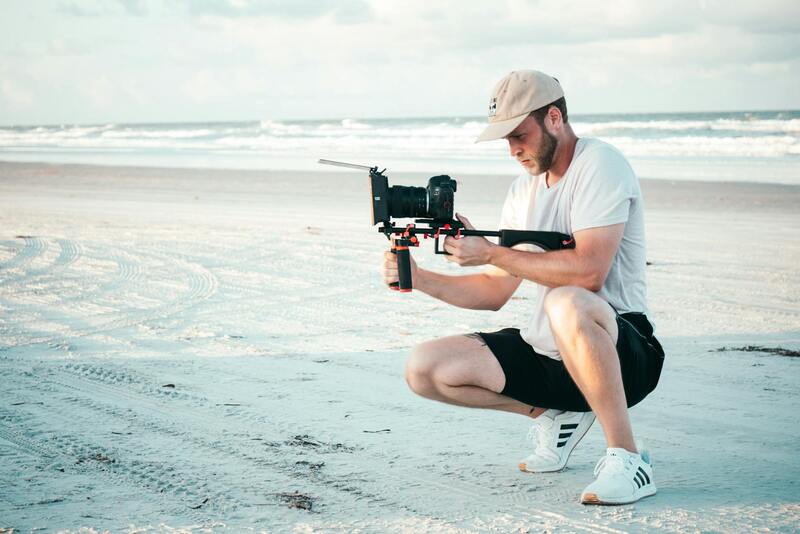
In addition to filming permits, productions need to consider insurance policies that cover liabilities and potential damages. Comprehensive insurance coverage protects cast, crew, and equipment, providing peace of mind in case of accidents or unforeseen incidents. Typical policy requirements include general liability, workers’ compensation, and equipment coverage, which are often mandated as part of permit approval.
Environmental regulations also play a pivotal role when filming near sensitive ecological zones, such as coastal areas or parks. Permits in these locations may include specific guidelines to minimize ecological disruption and protect wildlife. Productions are expected to implement environmentally conscious practices, such as waste management, noise control, and habitat preservation, aligning with Miami’s commitments to sustainable development.
Engaging experienced local professionals, like permit consultants and legal advisors, can streamline the permitting process. They bring expertise in preparing precise documentation, understanding city-specific requirements, and ensuring timely submission. This proactive approach minimizes delays and helps maintain a production schedule that aligns with city regulations and community standards.
Understanding and complying with all legal aspects associated with filming in Miami fosters a smooth, efficient production process. It also helps build positive relationships with local authorities and communities, which is crucial for ongoing and future projects in this vibrant city.
Legal and Permitting Considerations in Miami
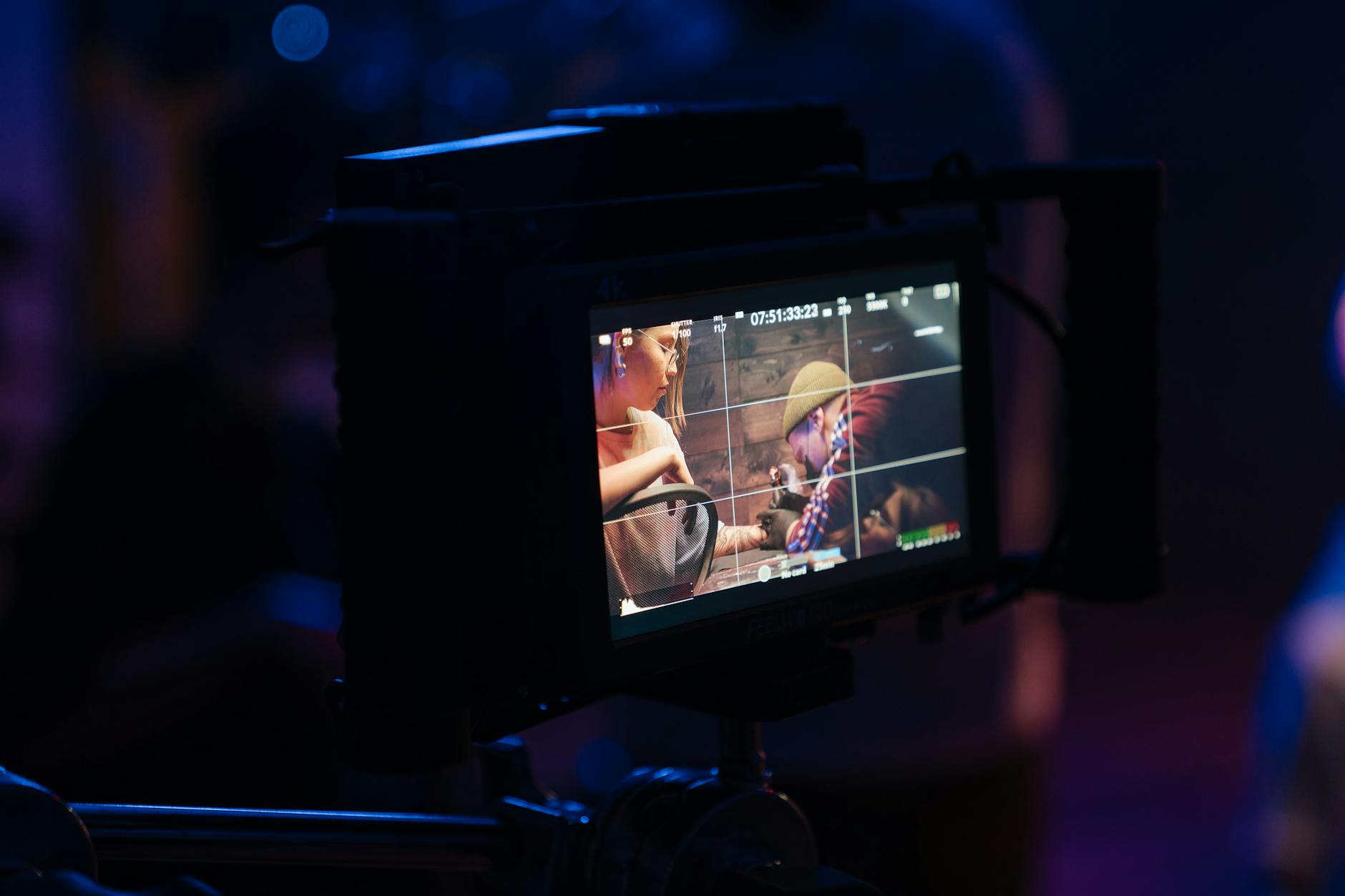
Successfully navigating the regulatory landscape of Miami is essential for a smooth video production process. Understanding the specific permits required for various filming activities ensures compliance with city policies and minimizes potential disruptions. Permit acquisition involves detailed documentation of the production plan, scope, location, duration, and protection measures for environmental and community standards.
Film permits in Miami are issued by municipal authorities and often necessitate collaboration with local agencies, especially when filming takes place in public spaces, parks, or environmentally sensitive regions. Submitting comprehensive applications that clearly outline the scope of work, safety measures, and environmental considerations can significantly expedite approval times.
Additional permits may be required for drone operations, special effects, or the use of equipment that could impact public safety or local infrastructure. Each of these activities must adhere to specific protocols, such as restricted flight zones, noise level limits, and safety distances from populated areas. Engaging with experienced permit consultants or local legal advisors familiar with Miami’s regulations can streamline this process, ensuring all paperwork is accurate and submitted promptly.
It’s also crucial to account for neighborhood-specific guidelines that might influence production scheduling and logistics. Some districts may impose restrictions on filming hours or require community notifications to mitigate disturbances. Respecting these local sensitivities fosters positive relationships with residents and authorities, paving the way for future collaborations.
Moreover, environmental regulations place a responsibility on productions to minimize ecological impacts. This might include guidelines for waste disposal, habitat disruption, and noise control. Productions located near protected areas or coastal zones are often subject to additional oversight, demanding adherence to specific procedures designed to preserve local ecosystems.
- Develop clear documentation of filming activities
- Collaborate with local permit officials and environmental agencies
- Provide environmental impact mitigation strategies
- Maintain public and community engagement
- Review and adhere to specific neighborhood restrictions
By carefully addressing these legal and permitting considerations, production teams can avoid delays, reduce risks, and foster good relations within Miami’s dynamic community. This proactive approach not only facilitates a seamless filming process but also supports the city’s efforts to balance vibrant media production with its environmental and community commitments.