
Updated: October 26, 2026
Wireless versus wired lavalier microphones
Great video with poor audio still feels like poor video. Viewers forgive a lot, but not muddy or dropout-ridden sound. For interviews, presenters and any subject who talks to camera, the lavalier microphone, the small clip-on mic, is a workhorse. The choice between a wireless and a wired lav shapes how you move, how you rig, and what can go wrong. Knowing the trade-offs helps you pick the right one for the shoot in front of you.
Neither option is simply better. Wireless buys freedom, wired buys reliability, and the smart move is matching the choice to how your subject actually behaves on set.
When wireless wins
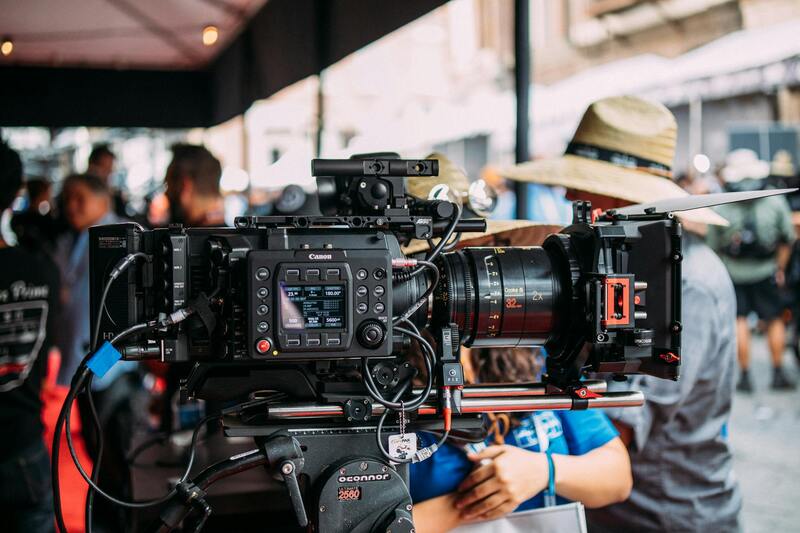
A wireless lav sends the audio to your recorder over a radio link, freeing your subject from any cable. That freedom is invaluable when people move:
- A presenter walking through a space or gesturing freely.
- Run-and-gun shooting where you cannot run cables.
- Multiple subjects moving independently around a set.
- Situations where a visible cable would break the shot.
The trade-off is complexity and risk. Wireless systems can suffer interference, dropouts and battery failures, and Miami's crowded radio environment in busy areas can make clean frequencies harder to find. Good wireless is reliable, but it demands more setup, monitoring and spare batteries. It fits naturally into the broader kit described in our video production audio equipment guide.
When wired is the safer bet
A wired lav plugs straight into your recorder or camera. There is no radio link to fail, no frequency to coordinate, and no transmitter battery to die mid-take. For a stationary subject, this simplicity is a real strength:
- Rock-solid, interference-free audio.
- Fewer points of failure and less to monitor.
- Lower cost and faster setup.
The obvious limit is the cable. Your subject is tethered within its length, so wired lavs suit seated interviews and fixed presenter setups rather than anyone on the move. For interview work specifically, mic choice pairs with the guidance in our guide to the best microphones for interviews.
Rigging a lav well, either way
Whichever you choose, how you place the mic matters as much as the mic itself. Position it close to the mouth, typically on the chest, and secure the cable so clothing does not rustle against it. Watch for jewelry, collars and hair that can brush the capsule. A well-rigged wired lav beats a badly rigged wireless one every time. For moving shoots, always test the wireless link on location before you roll, since the environment changes what frequencies are clean.
Match the mic to the movement
The wireless versus wired question really comes down to one thing: does your subject move? If they do, wireless earns its extra complexity. If they sit still, wired gives you cleaner, more reliable sound for less money and effort. Many productions carry both and choose per scene. Rig carefully, test before rolling, and your audio will match the quality of your images. If you want help planning the audio for your shoot, explore our production blog or reach us through the contact page.