
Updated: October 26, 2026
Taming Miami sun: ND filters, exposure, and glare on a video shoot
Miami gives filmmakers a lot of free light, but it's not necessarily a good thing. Bright, direct sun is harsh, high-contrast, and unforgiving, making it difficult to achieve a cinematic look. Learning to control that light is crucial for creating footage that looks intentional rather than amateur. This control often comes down to having the right tools and habits at the ready for any Miami shoot.
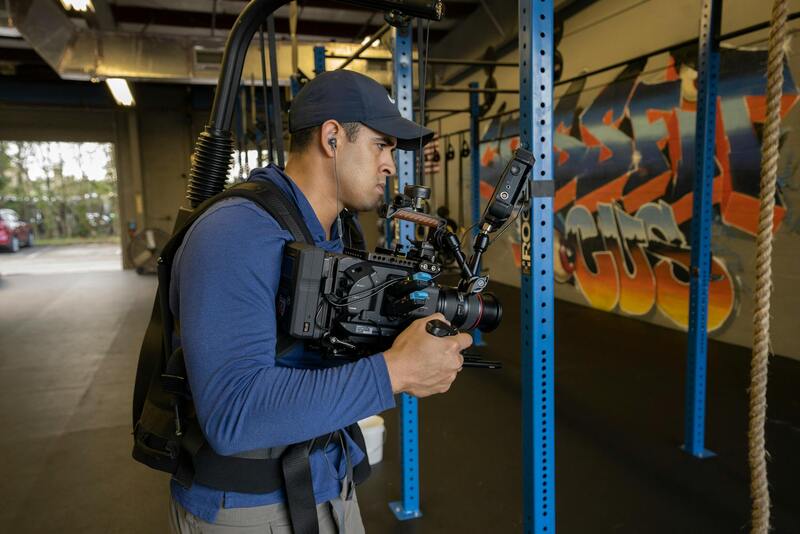
Why bright sun is harder than it looks
Strong overhead sun creates deep shadows, blown-out highlights, and squinting subjects. It also forces a technical corner: to get a natural, slightly soft motion look, video is usually shot with the shutter set relative to the frame rate, which limits how much you can cut light that way. In bright conditions that leaves the image overexposed unless you do something about the sheer amount of light hitting the sensor. That something is usually a filter.
What an ND filter does
The ND filter is a way to reduce the amount of light entering the camera lens without altering the color. It allows you to maintain a natural motion blur and preserve a shallow, cinematic depth of field even when filming in bright conditions. Without an ND filter, the bright light in Miami can force you to use settings that result in a sharp, flat image or even overexposure. A variable ND filter offers the advantage of being adjustable to compensate for changes in light conditions, such as passing clouds.
Working with the sun instead of against it
The most experienced crews plan their day around the position of the sun. Even the best gear can't compensate for poor timing or placement.
- The best lighting for shooting a subject's face is in open shade or when it's backlit, so the subject doesn't have to squint into direct sunlight.
- You should take exterior photos in the morning and evening, when the sun isn't so intense. The softer light at those times will make the house look better in photos.
- You can soften harsh facial contrast by bouncing light back into the shadows with a reflector. This will help you achieve a beautiful, even skin tone in your portraits.
- Flag or diffuse the sun with the right tools when you need to control a small area precisely.
These choices pair with the wider timing decisions a shoot has to make. The way light changes through the day also shapes camera movement and setup, which we cover in multi-camera production setup, and the filters and matte boxes involved belong on the gear rental checklist before you head out.
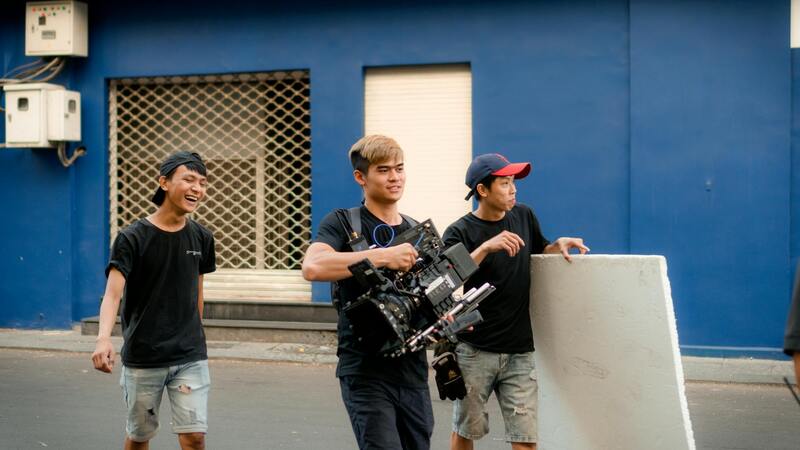
Exposure habits that save the shot
Getting exposure right in bright light takes discipline, especially when relying on the naked eye and a sunlit screen. Crews lean on their tools instead: monitoring aids that show which parts of the frame are clipping, and a habit of protecting highlights. It is far easier to lift a slightly dark image in post than to rescue a white one.
Get the Miami look with a crew that controls the light
Our video shoots happen rain or shine, but we are always prepared to make the most of whatever weather we get. We bring our own arsenal of light-shaping tools - filters, flags, and reflectors - to tame harsh sun, and our experienced shooters know how to position subjects and cameras to flatter them in any lighting conditions. The result is polished, purposeful-looking video, even on bright, cloudless days in Miami.
If you have an outdoor shoot ahead and want it to look cinematic instead of scorched, tell us about it on the contact page, or see how we work on our about page. We will bring the tools and the know-how to make the sun work for your story.